
If you suffer from allergies, you know how difficult it can be to keep your home truly comfortable. Dust, pollen, pet dander, and even tiny mold spores can float in the air and settle on surfaces, making symptoms worse. Regular cleaning helps, but not all vacuums are created equal. If you want cleaner air and fewer allergy triggers, using a vacuum with a HEPA filter can make a big difference. In this article, you’ll learn how HEPA filter vacuums work, their specific benefits for allergy sufferers, and what to look for when choosing one.
What Is A Hepa Filter Vacuum?
A HEPA filter vacuum uses a special filter called a High Efficiency Particulate Air (HEPA) filter. This filter is designed to capture at least 99.97% of particles as small as 0.3 microns in size. For comparison, a human hair is about 70 microns thick. That means HEPA filters can trap things you can’t see, like pollen, dust mites, and mold spores.
Most regular vacuums use basic filters or bags that catch only large dust and debris. Many tiny particles pass right through and go back into the air. HEPA filter vacuums stop these particles, keeping your indoor air cleaner.
How Do Hepa Filters Help With Allergies?
People with allergies react to tiny particles called allergens. Common allergens include:
- Pollen from trees, grass, or flowers
- Dust mite waste
- Mold spores
- Pet dander (skin flakes from animals)
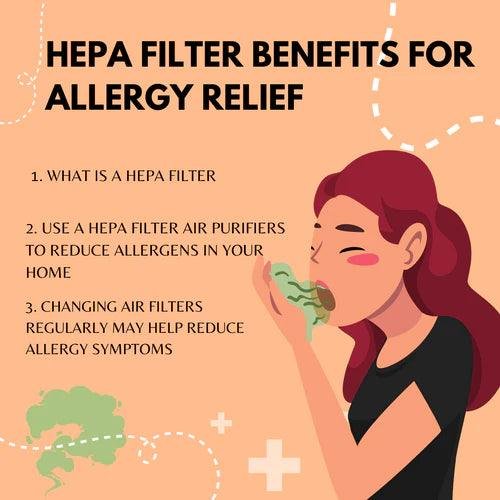
When these particles are in the air or on surfaces, they can cause sneezing, coughing, itchy eyes, or even asthma attacks. Using a HEPA filter vacuum helps by trapping these allergens instead of spreading them around.
Example: Pollen Season
During spring, pollen levels rise. Even if you keep your windows closed, pollen can enter your home on shoes, clothes, or pets. A regular vacuum may pick up visible dirt, but often pushes smaller pollen grains back into the air.
A HEPA filter vacuum traps these grains and keeps them out of your breathing space.
Credit: www.jafanda.com
Key Benefits Of Hepa Filter Vacuums For Allergy Sufferers
Switching to a HEPA filter vacuum offers several important advantages if you have allergies. Here are the main benefits:
1. Traps More Allergens
Regular vacuums can release up to 50% of dust and allergens back into the air. HEPA filter vacuums capture almost all of them. This means fewer allergy triggers stay in your home after cleaning.
2. Improves Indoor Air Quality
Cleaner air means fewer symptoms. Studies show that using a HEPA filter can lower the amount of airborne allergens by up to 60% in a room. For people with asthma or severe allergies, this can make a noticeable difference in daily comfort.
3. Reduces Pet Allergens
Pet owners often struggle with pet dander. These tiny flakes can stay in carpets, sofas, and curtains for months. HEPA vacuums are very effective at removing pet dander, even the particles too small to see.
4. Helps Control Mold Spores
Mold can cause strong allergic reactions. Mold spores are small enough to escape most basic filters, but a HEPA filter traps them. This is especially helpful in damp climates or for people with mold sensitivities.
5. Prevents Recirculation Of Dust
Older vacuums may blow fine dust back into the air, making allergies worse. HEPA filter vacuums are designed to keep captured dust inside the machine, so what goes in, stays in.
6. Supports A Healthier Home Environment
A cleaner home isn’t just about appearance. It helps everyone breathe easier, sleep better, and reduces the spread of germs and bacteria that sometimes travel on dust particles.
How Hepa Filter Vacuums Compare To Regular Vacuums
To better understand the difference, here’s a simple side-by-side comparison:
| Feature | HEPA Filter Vacuum | Regular Vacuum |
|---|---|---|
| Particle Capture Rate | 99.97% of 0.3 microns | 30-80% of larger particles |
| Air Quality Impact | Significant improvement | Little to none |
| Best for Allergies | Yes | No |
| Pet Dander Removal | Very effective | Limited |
You can see that HEPA filter vacuums provide much better performance, especially for allergy relief.
Choosing The Right Hepa Filter Vacuum
Not all vacuums with “HEPA” in the name are created equal. Some use filters that are “HEPA-type” but not true HEPA. Here’s what matters when picking the best vacuum for allergies:
1. Look For “true Hepa” Or “hepa Certified”
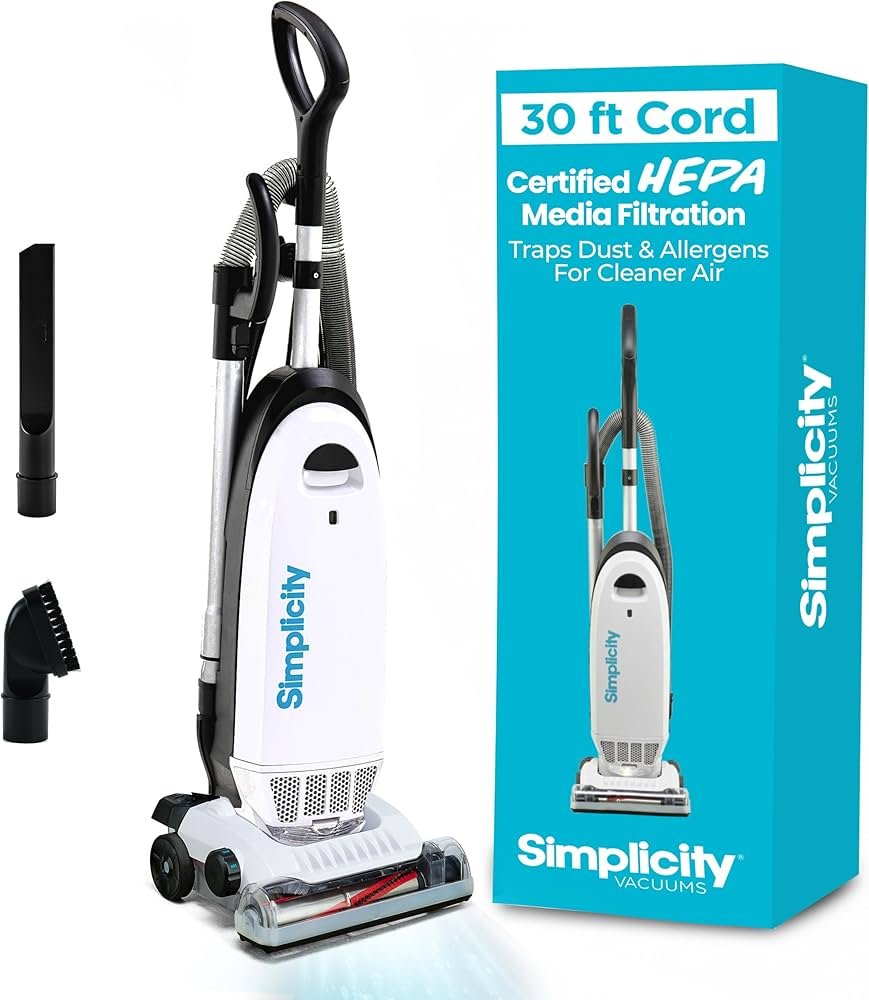
A real HEPA filter should meet strict standards. Look for labels like True HEPA or HEPA Certified. If a filter just says “HEPA-like” or “HEPA-type,” it may not capture the smallest particles.
2. Check The Sealing
A HEPA filter can only work if all air passes through it. Some cheaper vacuums have leaks where air escapes without being filtered. Choose a model with a fully sealed system to prevent leaks.
3. Easy Filter Replacement
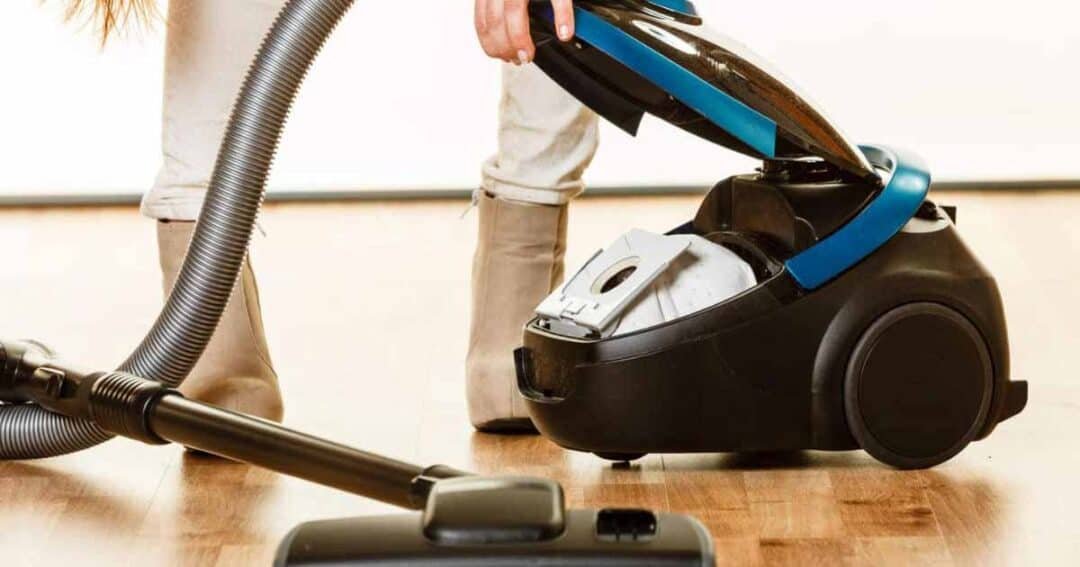
HEPA filters need to be changed regularly. Pick a vacuum where the filter is easy to access and replace. If it’s too difficult, you might skip changing it, and the vacuum will lose its effectiveness.
4. Bagged Vs. Bagless
Both types can work for allergies, but bagged vacuums are often better for severe allergy sufferers. Bags trap dust and are easy to throw away without releasing particles back into the air.
5. Extra Features
Some HEPA filter vacuums come with tools like motorized brushes for carpets, or soft brushes for delicate surfaces. These can help clean more areas where allergens hide.
Key Features At A Glance
Here’s a quick comparison of what to look for:
| Feature | Why It Matters |
|---|---|
| True HEPA filter | Captures the smallest allergens |
| Sealed system | Prevents leaks of unfiltered air |
| Easy filter access | Makes maintenance simple |
| Bagged design | Reduces dust exposure during disposal |
| Specialized tools | Reaches all surfaces and crevices |
Practical Tips For Getting The Most Benefit
Just buying a HEPA filter vacuum isn’t enough. Here’s how to make sure you get the best results:
- Vacuum regularly: For allergy relief, vacuum high-traffic areas at least twice a week. Don’t forget under furniture and along baseboards.
- Change or clean the filter: Follow the manufacturer’s instructions. Some filters can be washed, others need replacing. A clogged filter doesn’t work well.
- Vacuum slowly: Moving the vacuum slowly over each area gives it more time to pick up fine particles.
- Use proper attachments: Use crevice tools for edges and upholstery tools for sofas and beds.
- Ventilate when possible: Open windows after vacuuming if outdoor air quality is good. This helps remove any dust that gets stirred up.
A common mistake is thinking a single deep clean is enough. Allergens return quickly, so routine cleaning is key.
Non-obvious Insights For Allergy Sufferers
Many people focus only on carpets, but allergens also settle on hard floors, curtains, and mattresses. Use your HEPA vacuum on these surfaces too. Another tip: vacuuming after dusting can pick up particles that settle out of the air.
Another detail beginners often miss is that vacuum exhaust can matter. Some vacuums blow air out near the floor, which can stir up dust. Others vent air above the floor level, reducing this problem.
Common Myths About Hepa Filter Vacuums
There are some misunderstandings about HEPA filter vacuums. Let’s clear up a few:
- “Any vacuum labeled HEPA is good for allergies.”
Only True HEPA filters meet the 99.97% standard.
- “Bagless vacuums are always better.”
Bagless models can release dust when emptied. For severe allergies, a bagged model may be better.
- “You only need to vacuum once a week.”
For allergy sufferers, more frequent cleaning is needed.
- “HEPA filters last forever.”
Filters have a lifespan. Check and change them as needed.
Credit: allergyasthmanetwork.org
Who Should Use A Hepa Filter Vacuum?
HEPA filter vacuums are especially helpful for:
- People with seasonal allergies
- Those with asthma or other breathing problems
- Homes with pets
- Families with young children who play on the floor
- Anyone living in areas with high pollen or dust
Even if you don’t have allergies, HEPA filter vacuums help create a cleaner, fresher home.
Scientific Support For Hepa Filter Vacuums
Research backs up the benefits of HEPA filters. For example, a study by the American Academy of Allergy, Asthma & Immunology found that HEPA filter vacuums can reduce allergen levels by 50% or more in homes with pets. Another study published in the Journal of Asthma showed that children living in homes cleaned with HEPA vacuums had fewer asthma attacks.
For further reading, visit the EPA’s official guide on HEPA filters.
Credit: www.amazon.com
Frequently Asked Questions
What Does Hepa Mean?
HEPA stands for High Efficiency Particulate Air. It’s a standard for filters that trap at least 99.97% of tiny particles (0.3 microns) from the air.
Do All Hepa Filter Vacuums Help With Pet Allergies?
Most true HEPA filter vacuums are effective at removing pet dander and hair. However, it’s important to vacuum regularly and maintain the filter for best results.
How Often Should I Replace A Hepa Filter?
This depends on the brand and usage. Most HEPA filters last 6 to 12 months. Always check your vacuum’s manual for exact timing.
Are Bagless Hepa Vacuums Safe For Allergy Sufferers?
Bagless HEPA vacuums work well if emptied carefully, but bagged vacuums are safer for those with severe allergies, as they reduce dust exposure during disposal.
Can A Hepa Filter Vacuum Remove Odors?
HEPA filters trap particles, not smells. Some vacuums have extra carbon filters to help reduce odors, but the main job of a HEPA filter is to remove allergens.
A HEPA filter vacuum is a smart investment for anyone who wants to reduce allergy symptoms and breathe easier at home. By understanding how they work, what features matter, and how to use them correctly, you can create a cleaner and healthier space for yourself and your family.