
Bathrooms are the perfect place for mold to grow. Warm showers, poor ventilation, and leftover water create a humid environment where mold thrives. Mold is not just ugly—it can cause health problems, like allergies and breathing issues, especially for children and older adults. Getting rid of mold with strong chemicals is common, but many people prefer natural, safe ways. The good news? You can prevent bathroom mold naturally and keep your space fresh without harsh products.
If you want to know how to keep your bathroom mold-free, this guide is for you. Here you’ll find practical steps, natural solutions, and expert tips that really work. Whether you live in a humid climate or just want to stop mold before it starts, these methods will help you keep your bathroom clean and healthy.
Why Mold Grows In Bathrooms
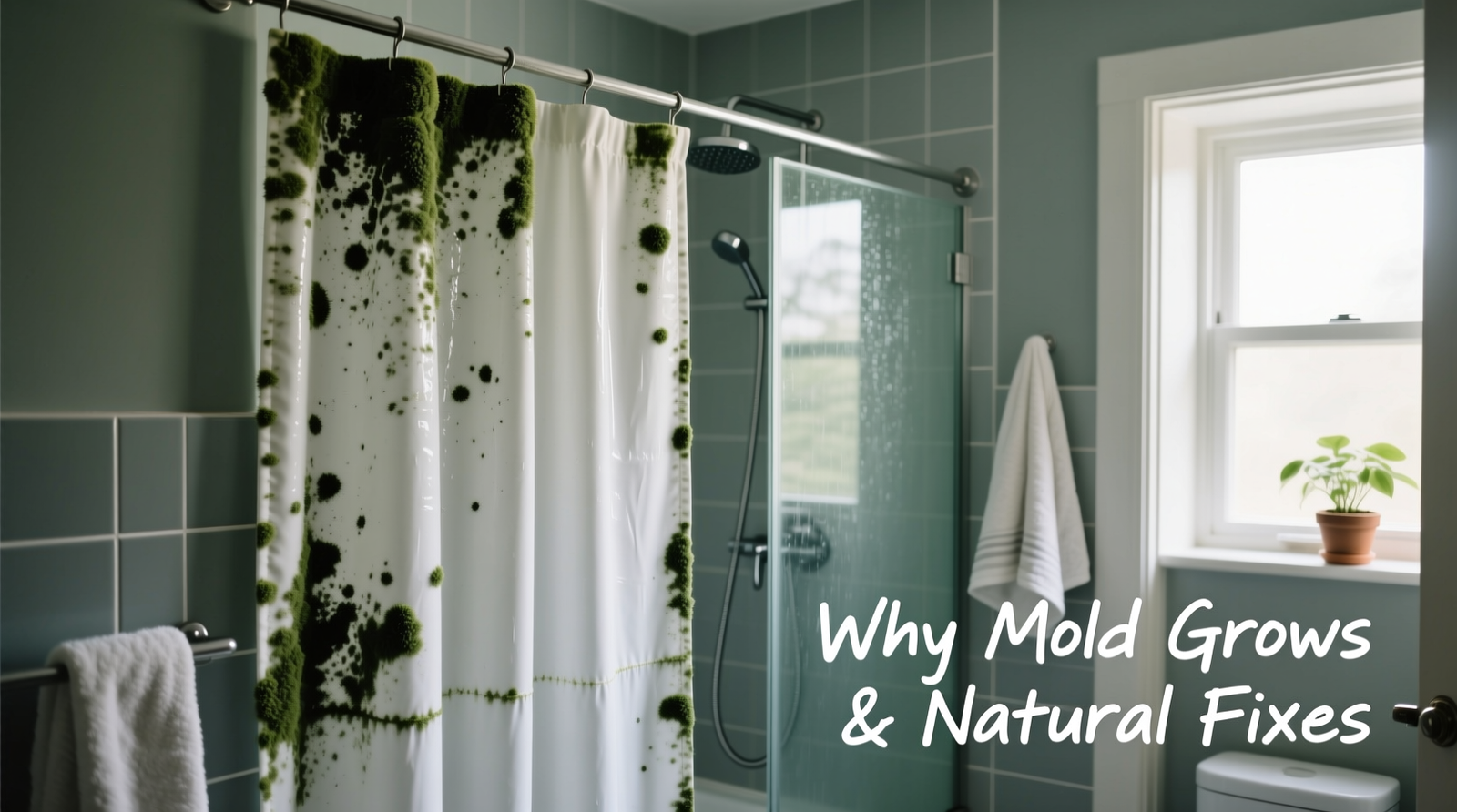
Mold needs three things to grow: moisture, warmth, and organic matter (like dust, soap scum, or even grout). Bathrooms have all of these. After every shower or bath, water vapor fills the air. If it cannot escape, it settles on walls and ceilings. Tiny mold spores, which are always in the air, land on these damp spots and start to grow in just 24-48 hours.
Bathrooms often have poor airflow and many corners where water stays. Even small leaks or a dripping faucet can keep things wet. Over time, mold can hide in places you don’t check often, like behind a toilet or under a sink.
Why Prevent Mold Naturally?
Many mold removers contain strong chemicals like bleach or ammonia. These can hurt your skin, eyes, and lungs. They can also damage surfaces and harm the environment. If you have children or pets, these chemicals can be risky.
Natural prevention methods are safer, cheaper, and often just as effective. Most use common household items. They do not create harsh fumes, and you can use them as often as needed.
Credit: www.alibaba.com
Key Steps To Prevent Mold In Bathroom Naturally
1. Control Humidity And Moisture
The most important way to stop mold is to keep your bathroom as dry as possible. Mold cannot live without moisture.
- Ventilate after every shower: Open windows or doors for at least 15-20 minutes after bathing. If you have an exhaust fan, run it during and after showers.
- Wipe down wet surfaces: Use a squeegee or towel to dry walls, glass, and tiles. This simple habit removes most of the water before it can evaporate and settle elsewhere.
- Fix leaks quickly: Check for dripping faucets, leaking pipes, or water stains. Even small leaks can keep things damp and help mold grow.
Humidity Comparison Table
Here is a quick look at how humidity levels affect mold growth:
| Humidity Level | Mold Risk | Recommended Action |
|---|---|---|
| Below 50% | Low | Maintain with fans or dehumidifier |
| 50-60% | Moderate | Increase ventilation, wipe surfaces |
| Above 60% | High | Urgent: ventilate, dehumidify |
Non-obvious tip: Many people forget to dry the shower curtain or bathmat. These can hold lots of water and create hidden mold. Shake them out and hang them up to dry.
2. Use Natural Mold Preventers
There are several natural products that stop mold from growing. You probably already have some in your home.
- White vinegar: Vinegar is slightly acidic. It kills about 80% of mold species. Spray undiluted vinegar on tiles, grout, and problem areas once a week. Leave for 1 hour before wiping off.
- Baking soda: Baking soda absorbs moisture and deodorizes. Mix one teaspoon with two cups of water in a spray bottle. Spray surfaces, wait, then wipe.
- Hydrogen peroxide (3%): This is a mild antiseptic. Spray directly on mold-prone spots, leave for 10 minutes, and scrub. It’s safe for most surfaces, but test on a small area first.
Natural Mold Preventer Effectiveness Table
Compare these three natural solutions:
| Solution | Main Benefit | How Often to Use | Safe for Kids/Pets? |
|---|---|---|---|
| White Vinegar | Kills mold spores | Weekly | Yes |
| Baking Soda | Absorbs moisture | 2-3 times/week | Yes |
| Hydrogen Peroxide | Disinfects surfaces | Monthly or as needed | Yes, if rinsed |
Extra insight: Vinegar can leave a strong smell, but it fades as it dries. Do not mix vinegar and hydrogen peroxide in the same container; they can react in unsafe ways.
3. Improve Air Circulation
Airflow dries surfaces faster and keeps humidity low. Many bathrooms lack windows or have only small vents.
- Install an exhaust fan: If you don’t have one, consider installing a simple extractor fan. Clean the fan every few months so it works properly.
- Leave the door ajar: After using the bathroom, keep the door slightly open. This lets moist air escape.
- Use a portable fan or dehumidifier: In very humid climates, a small dehumidifier can make a big difference. Empty the tank regularly.
Hidden tip: Move bottles, soap dishes, and toothbrush holders off wet surfaces. Air can circulate better, and water can dry faster.
4. Clean Regularly And Naturally
Routine cleaning stops mold before it spreads. You don’t need bleach or expensive cleaners.
- Scrub grout and corners: Mix equal parts vinegar and water. Use an old toothbrush to scrub grout lines, corners, and around drains.
- Wash shower curtains and mats: Most fabric curtains and bathmats can be washed in the machine with hot water and a cup of vinegar. Do this every 2 weeks.
- Clean under and behind items: Move bottles, bins, and baskets to clean underneath. Mold loves hidden, untouched places.
Pro tip: Replace sponges and cleaning cloths often. They can hold mold spores and spread them around.
5. Remove And Replace Mold-prone Materials
Some bathroom materials are more likely to grow mold. Old caulk, broken tiles, and cracked grout trap moisture.
- Re-caulk old joints: If you see black spots in caulk or silicone, remove it and replace with a fresh, mold-resistant sealant.
- Replace broken tiles and grout: Cracks let water seep behind surfaces. Fix these quickly to block mold from hidden areas.
- Choose mold-resistant paint: If you repaint your bathroom, use a paint with a mold inhibitor.
Beginner mistake: Ignoring mold behind wallpaper or paint. If paint bubbles or peels, check behind it for hidden mold.
6. Let Sunlight In
Mold hates sunlight. If your bathroom has a window, open curtains or blinds during the day. Sunlight helps dry out the room and kills some mold spores.
- Open windows on sunny days: Even 15 minutes a day helps.
- Trim plants or trees outside: If your bathroom window is blocked by bushes, trim them to let in more natural light.
Little-known fact: UV light from the sun is a natural disinfectant.
7. Use Essential Oils
Some essential oils are natural mold fighters. Tea tree oil, eucalyptus, and lavender oils have antifungal properties.
- Tea tree oil spray: Mix 1 teaspoon of tea tree oil with 1 cup of water in a spray bottle. Spray on problem areas after cleaning.
- Eucalyptus and lavender: Add a few drops to your cleaning solutions. They smell nice and help prevent mold.
Safety note: Essential oils are strong. Test on a small area first and keep away from pets and small children.
8. Smart Storage For Bathroom Items
Cluttered bathrooms collect dust and stay damp.
- Use open shelves instead of closed cabinets: Air can flow better.
- Store towels and linens outside the bathroom: Damp towels are perfect for mold.
- Hang items: Use hooks for loofahs, brushes, and sponges so they dry completely.
9. Maintain Drains And Plumbing
Drains can hold water and organic debris. Clogged or slow drains cause standing water, which helps mold grow.
- Clean drains with baking soda and vinegar: Pour 1/2 cup baking soda, then 1 cup vinegar down the drain. Wait 10 minutes, then flush with hot water.
- Check for slow drains: Fix blockages quickly.
Expert tip: If you smell musty odors near drains, clean them even if there is no visible problem.
10. Dry Wet Towels And Mats Quickly
Never leave wet towels or mats on the floor or in a pile. Always hang them up to dry. Use towel bars, hooks, or heated towel racks if you have them.
- Wash towels often: At least once a week.
- Replace old, musty mats: If they smell even after washing, it’s time for a new one.
11. Monitor And Track Humidity
Use a simple humidity meter (hygrometer) to track the air in your bathroom. Ideally, keep humidity below 50%. If it goes higher, increase ventilation or use a dehumidifier.
- Place the meter away from direct water: Near the sink or on a shelf works best.
- Check after showers: This is when humidity is highest.
12. Address Structural Issues
Sometimes, mold keeps coming back because of bigger problems.
- Check for roof or wall leaks: Water from above or behind can keep things wet, even if you clean often.
- Seal gaps and cracks: Use weatherproof sealant around windows and doors.
If you rent your home, report leaks to your landlord quickly.
Natural Mold Prevention: Step-by-step Example
Here’s how to use these tips in your daily bathroom routine:
- After every shower, open the window and run the exhaust fan for 20 minutes.
- Use a squeegee to dry shower walls and glass.
- Shake out and hang the bathmat and towels.
- Once a week, spray vinegar on tiles and grout. Let it sit for an hour, then wipe down.
- Clean the sink and drains with baking soda and vinegar every 2 weeks.
- Wash shower curtains and mats every 2 weeks.
- Track humidity with a hygrometer. If it’s over 50%, use a fan or dehumidifier.
You’ll notice your bathroom feels fresher and mold spots become rare.
Common Mistakes When Preventing Mold
- Only cleaning visible mold, not hidden spots
- Forgetting to ventilate after baths or showers
- Using too little of a natural solution (for example, diluting vinegar too much)
- Not fixing leaks or cracks quickly
- Leaving wet items in the bathroom
Recognize these mistakes and avoid them for lasting results.
When To Call A Professional
If mold keeps coming back, or if you see large black patches (more than 1 square meter), it’s best to get expert help. Mold behind walls or ceilings can be dangerous to remove yourself.
A professional will find the source and safely get rid of the mold. This is especially important if anyone in your home has asthma or allergies.
Credit: plantaeroot.com
Useful Data: Mold And Health
- About 21% of asthma cases in the US are linked to mold and dampness at home.
- Mold can start growing in only 24-48 hours on wet surfaces.
- Children, elderly people, and those with weak immune systems are most at risk.
For more on mold and health, check the CDC Mold FAQ.
Frequently Asked Questions
How Do I Know If My Bathroom Has Mold?
Look for black, green, or pink spots on tiles, grout, or ceilings. A musty smell is also a sign, even if you can’t see mold. Check behind toilets, under sinks, and around windows where water collects.
Is Vinegar Better Than Bleach For Mold?
Vinegar kills about 80% of mold species and is safer for people, pets, and most surfaces. Bleach only kills surface mold and can damage grout and tiles. For deep cleaning, vinegar is the better natural choice.
Can I Use Essential Oils To Stop Mold In The Bathroom?
Yes, tea tree oil, eucalyptus, and lavender oils can help prevent mold. Mix a few drops with water and spray on problem areas. Always test on a small spot first and keep away from children and pets.
Why Does Mold Keep Coming Back In My Bathroom?
This usually means there is too much moisture or a hidden leak. Make sure you ventilate well, dry surfaces after use, and fix leaks quickly. If the problem continues, check for leaks behind walls or in the ceiling.
Are Natural Mold Preventers Safe For Children And Pets?
Most natural solutions like vinegar and baking soda are safe. Essential oils should be used with care, as some can be strong for pets or sensitive people. Always rinse surfaces after using stronger oils.
Keeping your bathroom mold-free is possible without chemicals. A few simple changes to your routine, along with natural cleaners, can protect your home and health. Mold prevention is about small, steady habits—start today, and enjoy a fresher, safer bathroom every day.
Credit: www.amazon.com