
If you love the feeling of smooth, fresh sheets, you know how frustrating it is when they come out of the dryer full of wrinkles. Not everyone has the time—or patience—to iron their bed sheets, especially after a long day. The good news? There are many effective ways to reduce wrinkles in bed sheets without ironing. With a few smart tricks, you can enjoy crisp, neat bedding every night. Let’s explore the best methods, practical tips, and a few surprising facts about keeping your sheets wrinkle-free the easy way.
Why Do Bed Sheets Wrinkle?
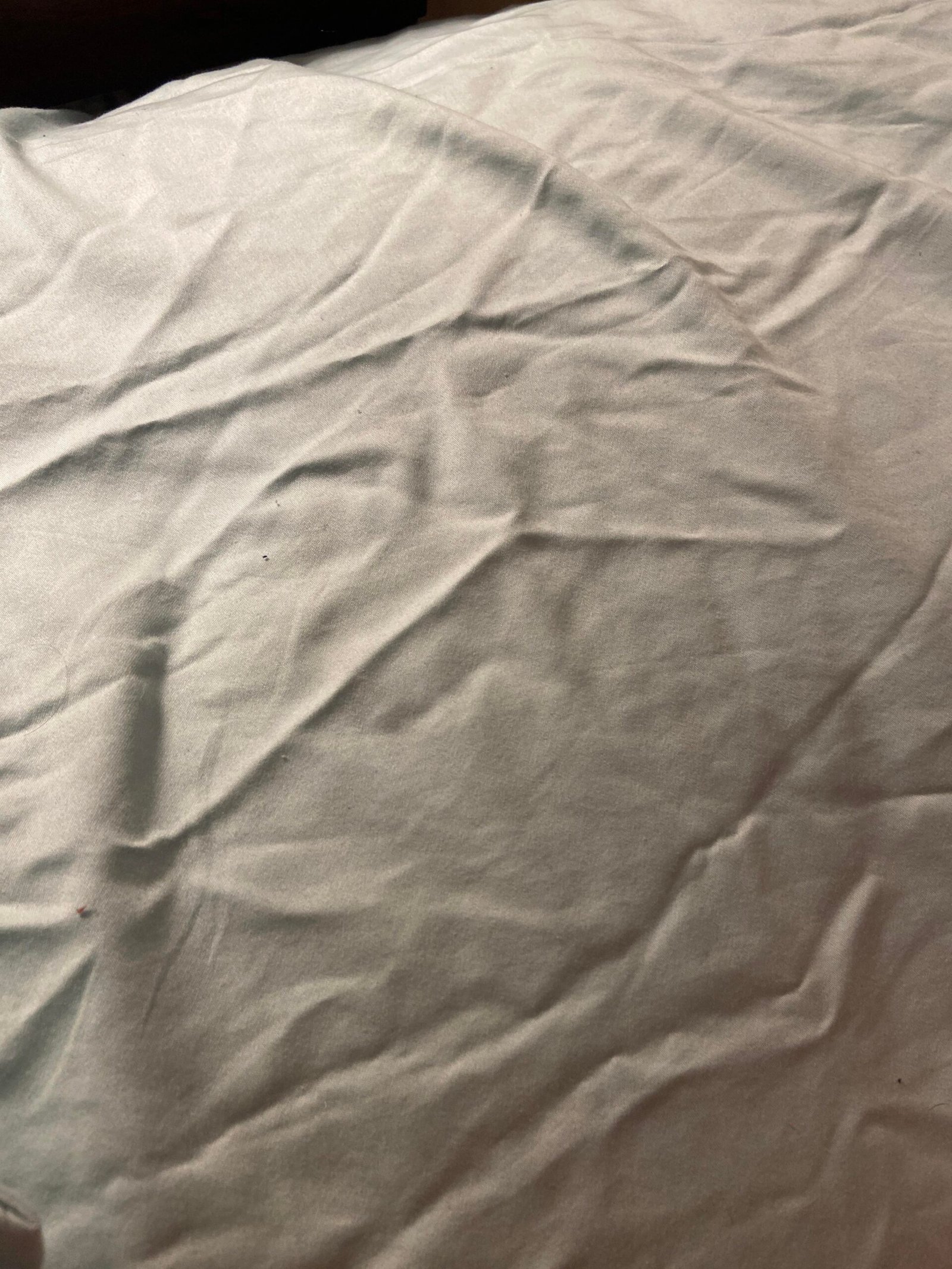
Before you learn how to fix wrinkles, it helps to understand why they happen. Most bed sheets are made from cotton, linen, or blends, all of which tend to wrinkle because of their natural fibers. When these fibers get wet and then dry in a tangled position, wrinkles form. Heat, pressure, and movement can smooth them out, which is why ironing works. But with the right habits, you can get similar results—no iron needed.
Choose The Right Sheets For Fewer Wrinkles
Some fabrics are more likely to wrinkle than others. If you want less work, start by picking low-wrinkle materials.
| Fabric Type | Wrinkle Resistance | Feel |
|---|---|---|
| Cotton Percale | Medium | Crisp |
| Cotton Sateen | Higher | Silky |
| Polyester Blend | Very High | Smooth |
| Linen | Low | Textured |
| Bamboo | Medium-High | Soft |
Polyester blends and cotton sateen sheets tend to stay smoother after washing. Pure linen and 100% cotton percale wrinkle more easily. If you buy new sheets, look for “wrinkle-resistant” or “easy-care” on the label.
Wash Bed Sheets The Smart Way
How you wash your sheets makes a big difference in the number of wrinkles. Follow these steps for best results:
- Don’t overload the washer. Give your sheets space to move. Overcrowding means they’ll twist and bunch, causing more wrinkles.
- Use warm or cool water. Hot water can set wrinkles. Warm or cool water keeps fibers relaxed.
- Choose a gentle cycle. Less agitation means less wrinkling.
- Use the right amount of detergent. Too much soap can leave residue, making sheets stiff and prone to wrinkles.
As a bonus tip, add half a cup of white vinegar to the rinse cycle. This helps soften the fabric and reduce creases.
Drying Techniques That Minimize Wrinkles
How you dry your sheets is even more important than washing. Most wrinkles set in the dryer. Here’s how to prevent that:
- Shake sheets before drying. Right after washing, give your sheets a strong shake. This untangles them and loosens any early wrinkles.
- Dry one set at a time. Don’t mix sheets with towels or clothes. Sheets need space to tumble freely.
- Use a lower heat setting. High heat sets wrinkles. Opt for medium or low heat.
- Remove sheets while slightly damp. This is one of the most effective tricks. Take the sheets out when they’re 80–90% dry, not bone dry.
Many people forget that timing is everything with dryers. If you leave sheets in for too long, wrinkles will set and become hard to remove.
The Power Of “sheet Snapping”
One expert secret: when you take sheets out of the washer or dryer, hold them by the corners and snap them tight two or three times. This “sheet snapping” quickly stretches out many wrinkles. It also helps if you do this again before making the bed.
Folding Sheets While Damp
Another simple but often-missed step is to fold your sheets while they are still a little damp. Smooth them out on a clean surface, fold carefully, and then let them finish air drying. This method helps the sheets “set” into a flat, neat shape.
Using Dryer Balls For Smoother Sheets
Dryer balls, especially wool ones, are a game changer. They work by creating space between the sheets as they tumble, which reduces clumping and helps heat move evenly. This means fewer wrinkles and faster drying.
How Many Dryer Balls To Use?
For a regular load, 3–6 dryer balls are enough. For large king-size sheets, use 6 or more. Some people add a few drops of essential oil to the balls for a fresh scent.
Steaming: The No-iron Iron
If your sheets are already wrinkled, a hand-held garment steamer can quickly smooth them. Simply hang the sheet and run the steamer up and down. The hot steam relaxes fibers, making wrinkles disappear. This method is fast, easy, and doesn’t risk burning the fabric.
Hang Sheets To Dry For A Crisp Finish
Air drying is a classic method for crisp sheets. After the wash, hang the sheets on a clothesline or over a railing. Use clothespins to keep them stretched out. As the fabric dries under its own weight, the wrinkles are pulled out naturally.
Indoor Drying Tip
If you don’t have outdoor space, hang sheets over a shower rod, door, or even between two chairs. Make sure the sheets are spread out and not bunched.
The “spray And Smooth” Trick
Lightly spraying sheets with water and then smoothing them out by hand can remove minor wrinkles. You can do this after making the bed. Just fill a spray bottle with clean water, mist the sheet, and use your hands to pull and flatten the fabric.
For better results, use a fabric wrinkle releaser spray. These sprays relax fibers and add a fresh scent.
Making The Bed While Sheets Are Warm
A little-known trick: make your bed right after you take the sheets out of the dryer, while they’re still warm and slightly damp. The act of stretching and tucking the sheets onto the mattress helps pull out wrinkles. As the sheets finish drying on the bed, they become extra smooth.
Layering Heavy Items On Top
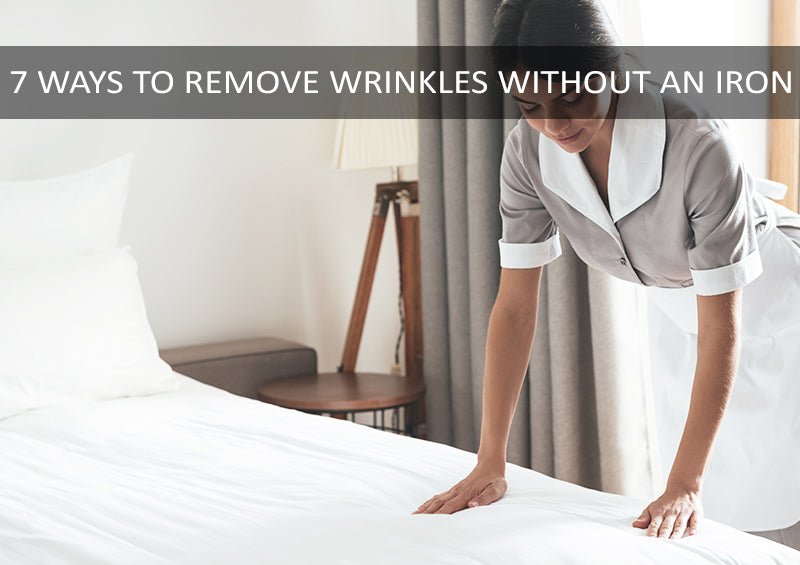
If you have stubborn wrinkles, try this hotel trick: after making your bed, place a few heavy, flat items (like folded towels or books) on top of the wrinkles for 15–30 minutes. The gentle pressure helps flatten the fabric.
Credit: hafco.co.uk
Sheet Storage That Fights Wrinkles
How you store your sheets matters. Always fold sheets neatly and store them in a cool, dry place. Some people store each set inside one of its pillowcases to keep everything tidy and prevent wrinkling.
Here’s a quick comparison of two storage methods:
| Storage Method | Wrinkle Risk | Ease of Use |
|---|---|---|
| Rolled | Low | Easy |
| Folded in Stacks | Medium | Very Easy |
| Stuffed in Drawer | High | Hard |
| Pillowcase Storage | Low | Easy |
Quick Fixes For Wrinkled Sheets
Sometimes you realize your sheets are wrinkled right before guests arrive. Here are fast ways to smooth them:
- Use a hair dryer. Hold the dryer a few inches from the fabric and move it back and forth, using your hand to pull the sheet tight as you go.
- Steam from a kettle. Boil a kettle, then carefully wave the steam near the wrinkled area and smooth with your hand.
- Damp towel method. Lay a damp (not wet) towel over the wrinkled area, press down, and let it sit for 15 minutes.
These tricks work best for small areas or last-minute fixes.
Common Mistakes To Avoid
Even when you try hard, some habits make wrinkles worse. Avoid these common errors:
- Leaving sheets in the dryer after the cycle finishes. This is the top cause of deep wrinkles.
- Over-drying sheets, which makes them stiff and hard to smooth.
- Washing sheets with heavy items (like jeans or towels) that twist and crush the fabric.
- Using too much detergent, which leaves residue and stiffens fibers.
- Storing sheets in a crumpled pile.
Two Surprising Insights Most People Miss
- Humidity helps: A slightly humid environment (like a steamy bathroom) can make it much easier to smooth out wrinkles. If you want to “refresh” sheets, hang them in the bathroom while you shower.
- Thread count matters: Higher thread count sheets are often heavier and resist wrinkling a bit more, but too high a thread count can make the fabric stiff and harder to smooth by hand. The sweet spot is usually 300–500 for cotton.
Credit: www.reddit.com
Do Wrinkle-release Sprays Really Work?
Most store-bought wrinkle-release sprays do help, especially for cotton and blends. They’re not magic, but they relax the fibers enough to let you smooth out wrinkles by hand. You can also make a DIY version with water and a few drops of fabric softener.
For more on fabric care science, see the Textile Care Label guide.
The Real-life Difference: Ironing Vs. Other Methods
You might wonder how these no-iron tricks compare to traditional ironing. Here’s a quick look at the results:
| Method | Wrinkle Reduction | Time Needed | Effort Level |
|---|---|---|---|
| Ironing | Excellent | 15–20 min/set | High |
| Dryer with Balls | Good | 45–60 min/load | Low |
| Steaming | Very Good | 5–10 min/set | Low |
| Hang Drying | Good | 1–2 hrs (passive) | Very Low |
| Spray & Smooth | Fair | 5 min/bed | Very Low |
Ironing gives the crispest look, but most people find that a mix of the above methods keeps sheets smooth enough for daily life without the hassle.

Credit: www.thegoodsheet.com.au
Frequently Asked Questions
How Can I Keep Sheets Smooth After Washing?
Remove sheets from the dryer while still slightly damp, shake them out, and fold or make the bed right away. Using a low heat setting and dryer balls also helps keep sheets smooth.
Can I Use Fabric Softener To Prevent Wrinkles?
Fabric softener can help, but too much can leave a residue that actually makes wrinkles worse. Use only the recommended amount, or try adding white vinegar in the rinse cycle for a natural option.
Are Wrinkle-resistant Sheets Safe?
Yes, most wrinkle-resistant sheets use a safe resin finish or polyester blend. Always check for “Oeko-Tex” certification if you want to avoid harsh chemicals.
What’s The Fastest Way To Fix Wrinkled Sheets Without Ironing?
Lightly spray sheets with water or a wrinkle-release spray, then smooth with your hands. For small areas, use a hair dryer or garment steamer for quick results.
Does Thread Count Affect Wrinkling?
Sheets with a moderate thread count (300–500) usually wrinkle less than low thread count sheets, but very high thread count sheets can be stiffer and harder to smooth by hand.
Getting crisp, fresh sheets doesn’t have to mean dragging out the iron. With these smart, easy tricks, you can enjoy smooth, inviting bedding every night—no ironing required. Try a few methods and see which works best for your routine. Your bed (and your free time) will thank you.