
A clean, organized refrigerator does much more than just look good. It keeps your food fresher, helps you find what you need quickly, and even saves money by reducing waste. But let’s be honest—keeping a fridge tidy can feel like a never-ending job. Leftovers get lost at the back, sauces tip over, and produce turns into mystery bags. The good news? With the right refrigerator organization bins and a few smart strategies, you can turn your fridge into a space that works for you, not against you.
This guide breaks down practical steps, real examples, and expert tips to help you master fridge organization, whether you have a small single-door model or a large family-sized fridge. If you’ve ever opened your refrigerator and thought, “Where did I put the cheese?
”—this article is for you.
Why Refrigerator Organization Matters
You might think a messy fridge is just an eyesore, but it actually causes bigger problems:
- Food waste: The average American throws away almost $1,800 worth of food every year. Much of this is due to forgotten or spoiled items hidden in the fridge.
- Time savings: Studies show the average person spends 6-10 minutes searching for ingredients each time they cook.
- Health and safety: Proper storage reduces the risk of cross-contamination and keeps food at safe temperatures.
A well-organized fridge makes meal prep easier, helps you shop smarter, and keeps your family safer.
Types Of Refrigerator Organization Bins
Not all bins are created equal. The right choice depends on what you store, your fridge size, and your habits. Here’s a look at the main types:
| Bin Type | Best For | Key Features |
|---|---|---|
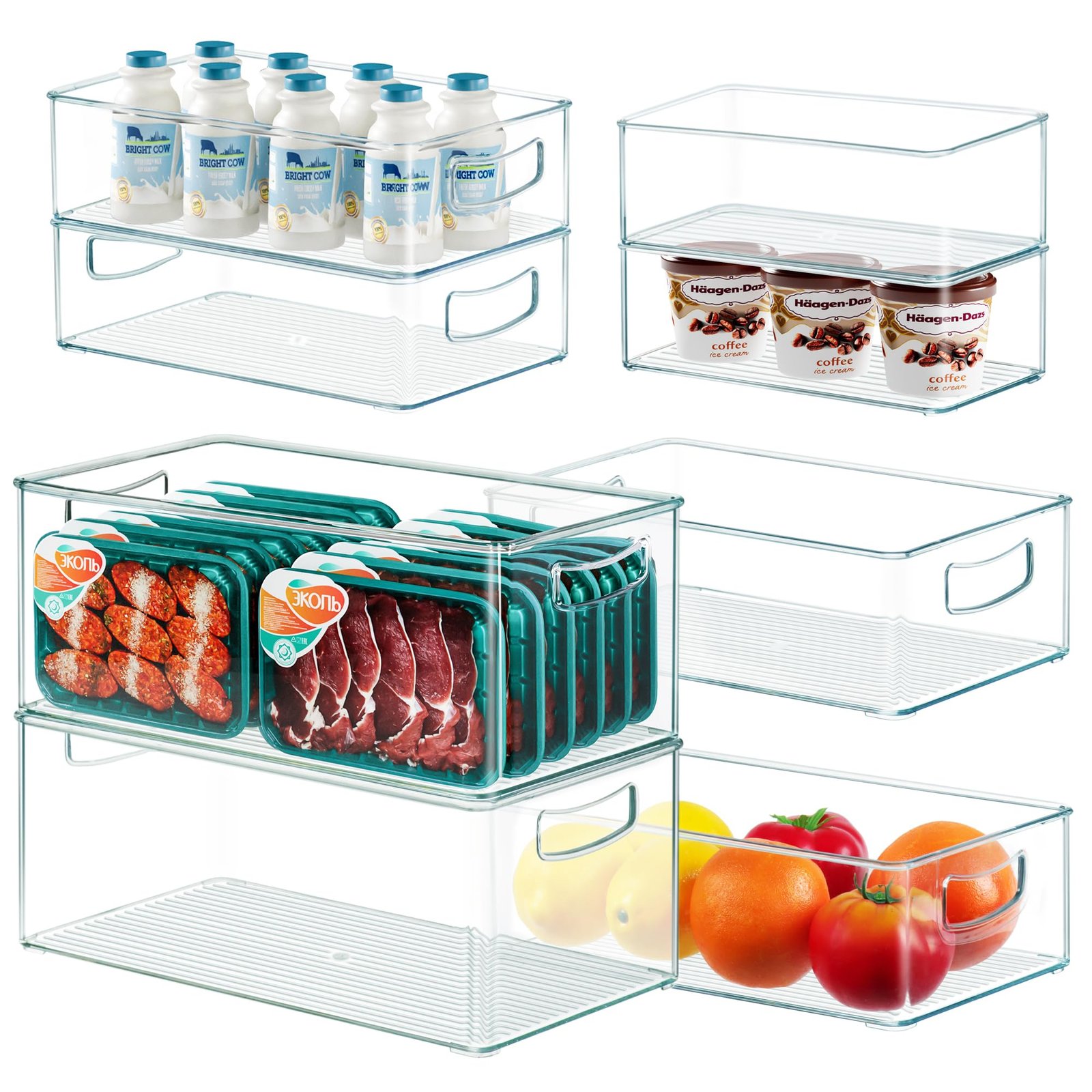
| Clear Plastic Bins | General Storage | Stackable, easy to see contents |
| Pull-out Drawers | Snacks, Deli Items | Slide for easy access |
| Egg Holders | Eggs | Protects and displays eggs |
| Bottle Organizers | Beverages, Sauces | Keeps bottles from rolling |
| Can Dispensers | Soda, Canned Drinks | Gravity-fed, saves space |
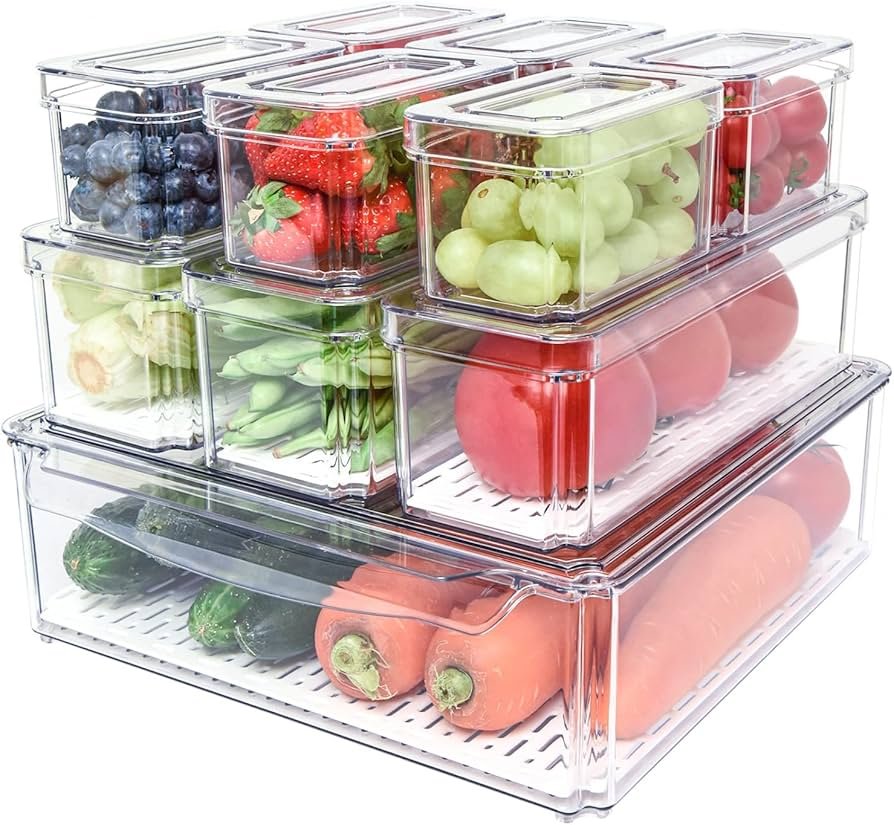
| Produce Containers | Fruits, Vegetables | Vented lids for freshness |
Clear Plastic Bins
These are the most popular because they let you see what’s inside at a glance. Use them for grouping items like yogurts, cheese, or kids’ snacks.
Pull-out Drawers
Great for items you use often. Slide the drawer out to grab deli meat or string cheese without digging through everything else.
Egg Holders
A dedicated egg holder keeps eggs safe and makes it easy to check how many you have left. Some holders are stackable to save space.
Bottle Organizers
These keep wine bottles, water bottles, or sauces from rolling around. They often stack horizontally to make more room.
Can Dispensers
If you buy soda or sparkling water in bulk, a can dispenser keeps them tidy and easy to grab.
Produce Containers
These often have adjustable vents to control humidity, which helps keep lettuce, berries, or herbs fresh longer.
How To Choose The Right Bins For Your Fridge
Before you buy, measure your fridge’s shelves and think about your shopping habits:
- Measure shelf width and depth: Fridge sizes vary, so check the available space. Leave some room for airflow.
- Prioritize clear bins: Seeing food prevents waste.
- Choose stackable options: These maximize vertical space.
- Look for handles: Bins with handles are easier to pull out, especially on deep shelves.
- Consider adjustable dividers: Some bins have movable walls for flexibility.
| Feature | Why It Matters | Example |
|---|---|---|
| Stackable | Uses vertical space | Stacking yogurt containers |
| Clear Sides | Reduces waste | See leftovers easily |
| Handles | Easy access | Pulling out snack bin |
| Vented Lid | Preserves produce | Fresh berries last longer |
Step-by-step Guide To Organizing Your Refrigerator
A good system is more than just buying bins. Here’s how to get results that last.
1. Empty And Clean
Start by removing everything from the fridge. Toss expired food. Wash shelves with warm, soapy water. This step makes a huge difference and helps you start fresh.
2. Group Similar Items
Before you reload your fridge, group items by category:
- Dairy (milk, cheese, yogurt)
- Fruits and vegetables
- Meats and deli
- Condiments and sauces
- Drinks
- Leftovers
This helps you decide what bins you need and where to place them.
3. Assign Bins By Category
Put each group in its own bin. For example, keep all sandwich ingredients in one bin so making lunch is fast. Label bins if you share your fridge with family or roommates.
4. Store Items By Shelf
Different shelves have different temperatures. Use this to your advantage:
- Top shelf: Ready-to-eat foods, leftovers
- Middle shelf: Dairy, eggs
- Bottom shelf: Raw meat (to avoid drips)
- Drawers: Produce (set humidity as needed)
- Door: Condiments, juices (least cold)
5. Label Everything
Use a label maker or masking tape with a marker. Label bins with “Snacks,” “Lunch Meat,” or “Veggies. ” This helps everyone in the household keep things in order.
6. Keep It Up
Once a week, do a quick check for expired items. Wipe any spills. Restock bins as you put away groceries.
Credit: www.amazon.com
Smart Tips For Better Refrigerator Organization
Even small changes can make a big difference. Try these expert tips:
First In, First Out (fifo)
Always place newer items behind older ones. For example, when you buy new yogurt, put it behind what you already have. This reduces waste.
Use Lazy Susans
A Lazy Susan is a spinning turntable. Place one on a shelf for jars, sauces, or condiments. No more digging at the back for that salsa.
Adjust Shelf Height
Most fridges let you move shelves. Make space for tall bottles or stack bins where needed.
Store Leftovers In Clear Containers
Opaque containers hide food, leading to forgotten leftovers. Use clear containers and label them with the date.
Avoid Overcrowding
Air needs to circulate for food to stay cold. If bins are packed too tightly, food spoils faster.
Separate Fruits And Vegetables
Some vegetables (like carrots) release gases that make fruit ripen—and spoil—faster. Store them in separate bins or drawers.
Keep Milk Away From The Door
The door is the warmest part of the fridge. Store milk and eggs on the main shelves where it’s coldest.
Add A “use First” Bin
Have a bin labeled “Eat Me First” for foods that are close to expiring. This helps reduce waste and reminds you to use them soon.
Use Bins In The Freezer Too
The freezer gets messy fast. Use bins for frozen veggies, meat, or ice packs. Label everything to avoid frostbitten surprises.
Clean Spills Right Away
Sticky spills attract bacteria and odors. Wipe them immediately to keep your fridge fresh.
Non-obvious Insights Most People Miss
- Humidity Matters: Many produce bins have a slider to adjust humidity. Set it high for leafy greens (like spinach), low for fruits (like apples).
- Don’t Wash Produce Before Storing: Washing adds moisture, which speeds up spoilage. Wash right before you use the food.
- Temperature Zones: The back of your fridge is colder than the front. Store the most perishable items (like meat or fish) at the back.
- Bins Aren’t Just for Food: Use a bin to hold fridge-safe ice packs or small bottles of medicine (check storage instructions first).
- Don’t Overuse Bins: Too many bins can actually reduce your usable space. Use only what you need for each category.
Credit: www.amazon.com
Common Mistakes To Avoid
- Storing everything in the door: Only condiments and drinks belong here—dairy and eggs need colder spots.
- Using random containers: Mismatched bins lead to wasted space. Choose bins that fit your fridge and stack well.
- Neglecting the cleaning step: Putting bins in a dirty fridge defeats the purpose. Start with a clean slate.
- Ignoring expiration dates: Bins help, but you still need to check dates, especially for leftovers.
- Buying bins before measuring: A common beginner mistake is purchasing bins that don’t fit. Always measure first.
Real-life Example: Family Of Four
Let’s look at a real-world setup. The Lopez family has two kids and a busy schedule. Here’s how they organize their fridge:
- Top shelf: Labeled bin for “Breakfast” (yogurt, jam, cream cheese), and another for “Snacks.”
- Middle shelf: Milk and eggs on one side, leftovers in clear containers on the other.
- Bottom shelf: Pull-out bin for deli meats and cheese.
- Drawers: One for fruits, one for vegetables, each labeled and set to the correct humidity.
- Door: Condiments, salad dressings, and juice boxes.
Every Friday, they do a “fridge check,” tossing expired items and reorganizing as needed. This system saves them time every morning and cuts their food waste by nearly 30%.
Data: The Impact Of Fridge Organization
Research shows that organized fridges can significantly reduce waste and improve food safety:
| Benefit | Statistical Impact | Source |
|---|---|---|
| Food Waste Reduction | Up to 25% less waste | NRDC Study, 2020 |
| Time Savings | 5-7 minutes saved per meal prep | Kitchenware Insights, 2022 |
| Family Satisfaction | 85% report less stress | Consumer Reports, 2021 |
These numbers show that a little effort with bins and organization pays off quickly.
Where To Buy Refrigerator Organization Bins
You can find quality bins at home stores, big-box retailers, or online. Look for brands that are BPA-free and dishwasher safe. Always read reviews and check dimensions before buying. For more details on types and features, you can visit this Good Housekeeping guide.
Credit: www.oxo.com
Frequently Asked Questions
How Often Should I Clean My Refrigerator Bins?
Wipe bins every 1-2 weeks, or right away if something spills. Deep clean bins with warm, soapy water once a month to prevent odors and bacteria.
Can I Use The Same Bins For The Fridge And Freezer?
Yes, but check that the bins are labeled “freezer-safe. ” Some materials can crack in cold temperatures. Also, clear bins help you see frozen foods easily.
What’s The Best Way To Store Leafy Greens?
Use a bin with adjustable humidity and line the bottom with a paper towel to absorb extra moisture. Keep greens in their own bin, set to “high humidity. ”
How Do I Organize A Small Refrigerator?
Focus on vertical space. Use stackable bins, avoid overbuying, and keep only essentials. A Lazy Susan can help in tight spots. Label bins so everyone knows where things go.
Are Refrigerator Organization Bins Worth The Cost?
Most people find that bins help reduce waste and save time, which offsets the cost. Plus, they make it easier to keep your fridge clean and safe.
A tidy, well-organized refrigerator isn’t just about looks—it’s a smart way to save money, reduce stress, and keep your family healthy. With the right bins and a few clever habits, you’ll spend less time hunting for food and more time enjoying it.
