
Is Microfiber Better Than Cotton For Bedsheets
Choosing the right bedsheets can change how well you sleep and how comfortable you feel every night. When you go shopping, you’ll often see two main options: microfiber and cotton bedsheets. Each has a loyal fan base, and both have their own set of strengths and weaknesses. But which one is really better for your bed? The answer depends on your needs, preferences, and even your lifestyle. Many people feel confused when faced with so many choices. This article will guide you through everything you need to know about microfiber and cotton bedsheets, including their differences, strengths, drawbacks, and some surprising facts most people miss. By the end, you’ll be able to make a smart, confident choice for your next set of bedsheets.
What Is Microfiber? What Is Cotton?
Before comparing, it’s important to understand what each material actually is.
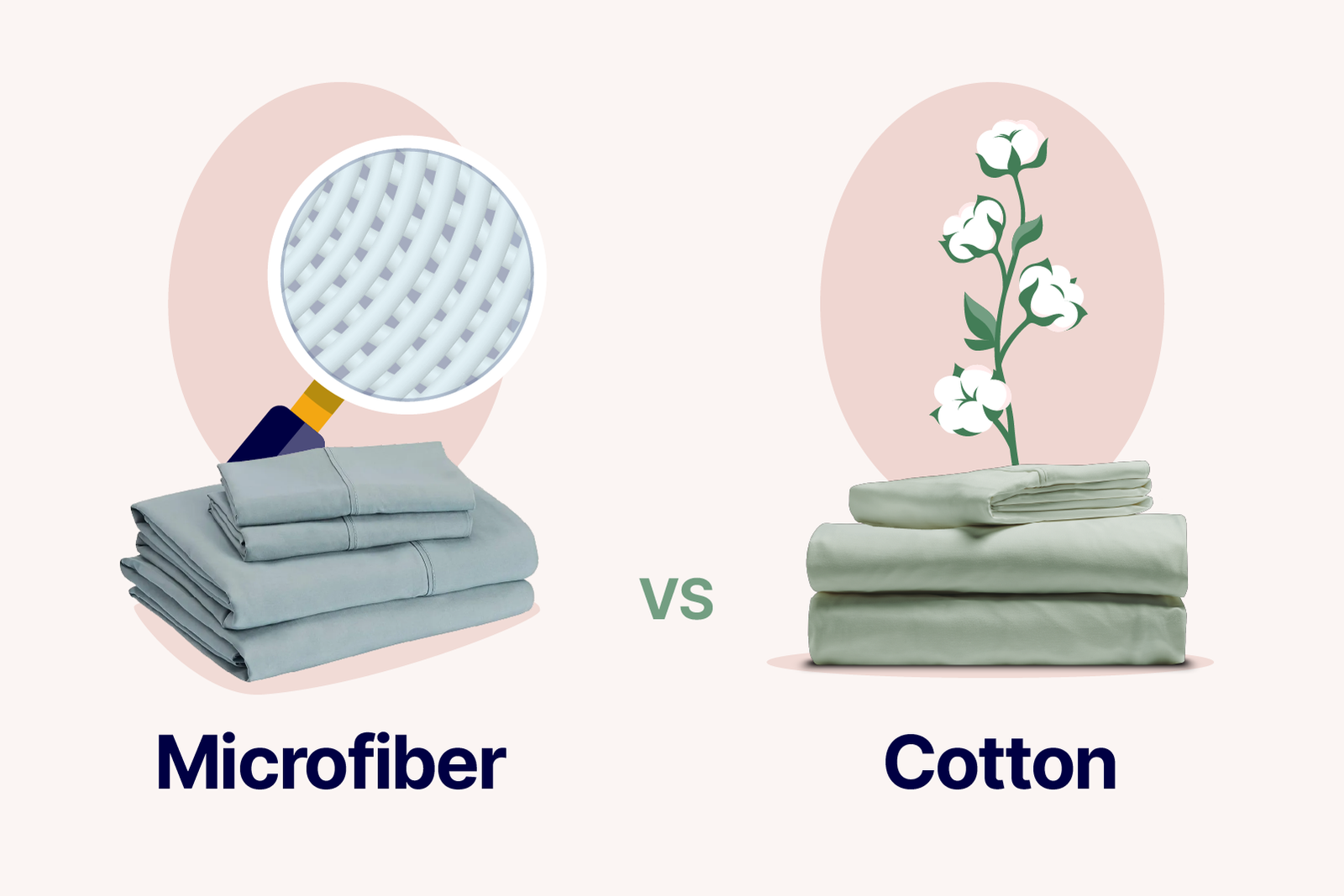
Microfiber is a synthetic material. It is made from very fine fibers, usually polyester or a mix of polyester and polyamide (nylon). The fibers are much thinner than a human hair. This makes the fabric light, smooth, and soft.
Cotton is a natural fiber. It comes from the cotton plant. Cotton fibers are spun into threads and then woven into fabric. Cotton has been used for thousands of years, and it is known for being soft, breathable, and gentle on the skin.
Key Differences Between Microfiber And Cotton Bedsheets
The differences between microfiber and cotton are not just about the raw materials. They also affect how the sheets feel, perform, and how long they last.
| Feature | Microfiber | Cotton |
|---|---|---|
| Material Type | Synthetic (polyester/nylon) | Natural fiber (from plant) |
| Feel | Silky, smooth, sometimes slippery | Soft, crisp, sometimes textured |
| Breathability | Moderate | High |
| Moisture Wicking | Good, but can trap heat | Excellent, stays cool |
| Durability | Very durable, resists wrinkles | Durable, can get softer over time |
| Care | Easy, quick dry | May shrink, needs ironing |
| Price | Usually cheaper | Can range from cheap to expensive |
Comfort And Feel
Comfort is the main reason people buy new bedsheets. Let’s look at how these two materials compare.
Microfiber bedsheets feel very soft and smooth from the first use. The fabric is tightly woven, so it feels silky and almost “brushed.” Many people enjoy this soft touch, especially in cooler weather. But, microfiber can sometimes feel too warm. If you live in a hot or humid place, microfiber sheets may trap heat and make you sweat at night.
Cotton sheets offer a different kind of comfort. They can be soft or crisp, depending on the weave and quality. The best thing about cotton is its breathability. Air passes through the fibers easily, so you stay cool and dry. Over time and with each wash, cotton sheets tend to get even softer. This is a key reason why many people prefer the feel of cotton.
A non-obvious insight: Many people think all microfiber sheets feel the same, but there are different grades of microfiber. High-quality microfiber can feel almost as luxurious as expensive cotton.
Durability And Longevity
Durability means how well the sheets hold up after repeated use and washing.
Microfiber is very strong. The synthetic fibers do not break down easily, even after many washes. They are also less likely to fade or shrink. Microfiber sheets keep their color and shape for a long time. However, the fabric can sometimes develop static cling, and cheaper microfiber can pill (form little fabric balls).
Cotton sheets are also durable, but their lifespan depends on the quality and the thread count. High-quality cotton, like Egyptian or Pima cotton, can last for many years and even get better with age. Low-quality cotton may thin out or tear after a few years.
A detail many beginners miss: While microfiber resists wrinkles and holds up well, it can be damaged by high heat in the dryer. Cotton is more heat-resistant but can shrink if washed in hot water.
Breathability And Temperature
How well your sheets let your skin breathe is a big deal, especially for people who get hot at night.
Cotton sheets are famous for their breathability. The natural fibers allow air to flow freely. This means your body heat escapes, helping you stay cool in summer and comfortable in winter. Percale and sateen are two common weaves of cotton; percale is crisp and cool, while sateen is silky and a bit warmer.
Microfiber is not as breathable. The tight weave can trap heat. This is good if you live in a cold climate and want to stay warm. But for people who sweat at night or live in warm places, microfiber sheets may not be ideal. Newer “advanced” microfibers sometimes have special weaves to increase airflow, but they are still not as cool as cotton.
Moisture Absorption And Wicking
If you sweat at night or live in a humid area, you’ll care about how well your sheets handle moisture.
- Cotton is excellent at absorbing moisture. It soaks up sweat and lets it evaporate, so you stay dry.
- Microfiber sheets wick moisture away from your skin, but they don’t absorb it as well as cotton. Sometimes, the moisture can sit on the surface, making you feel damp.
For people with night sweats or children who may wet the bed, cotton is usually the safer choice.
Credit: www.mattressreviews.ca
Allergies And Sensitivities
Some people have sensitive skin or allergies, and the wrong bedsheet can make things worse.
Microfiber is naturally hypoallergenic. The tight weave keeps dust mites and other allergens out. This makes microfiber a good choice for people with allergies. It’s also less likely to hold pollen or pet dander.
Cotton is also hypoallergenic, especially if it’s organic and free of chemicals. However, cotton sheets with a loose weave can trap dust and allergens more easily than microfiber. If you have severe allergies, look for tightly woven cotton with an “allergy barrier” label.
A little-known fact: Some people react to the chemicals used in finishing cotton sheets (like wrinkle-free treatments). Organic cotton is a safer bet for those with sensitive skin.
Care, Cleaning, And Maintenance
How easy is it to keep your sheets clean and looking good?
Microfiber sheets are simple to care for. They dry quickly, don’t need ironing, and resist wrinkles. They are less likely to shrink. However, microfiber can attract static and lint, especially in dry climates. Always wash microfiber with similar fabrics and avoid fabric softener, which can coat the fibers.
Cotton sheets need a bit more attention. They may shrink after the first wash, so always follow the care label. Cotton can wrinkle easily, and some people iron their sheets to keep them crisp. High-quality cotton can last longer if you wash it with gentle detergent and avoid hot water.
Price And Value
When it comes to budget, microfiber is usually the winner. It’s easy and cheap to produce, so microfiber sheets often cost less than cotton. You can find a set of microfiber sheets for under $30, while good cotton sheets can range from $40 to over $200, depending on the brand and quality.
But price is not the only thing to consider. Cotton sheets, especially high-end ones, can last much longer and feel better over time, making them a better value in the long run for some buyers.
Here’s a quick price comparison:
| Type | Low-End Price | Mid-Range Price | High-End Price |
|---|---|---|---|
| Microfiber | $15 | $25 | $50 |
| Cotton | $20 | $50 | $300+ |
Environmental Impact
How your sheets are made can affect the environment.
- Cotton is a natural material, but it uses a lot of water and pesticides to grow, unless it’s organic cotton. Organic cotton is better for the environment but is more expensive.
- Microfiber is made from plastic-based fibers, which come from oil. Making microfiber uses less water, but the tiny fibers can break off in the wash and end up in the ocean. This is called microplastic pollution.
If you care about the environment, organic cotton is usually the best choice. If you prefer microfiber, try to wash your sheets in cold water and use a microfiber-catching laundry bag to reduce pollution.
Style And Color Choices
Both microfiber and cotton sheets come in many colors, patterns, and styles. Microfiber holds dye very well, so the colors are bright and don’t fade easily. Cotton can also be dyed, but sometimes the colors fade after many washes, especially with dark shades.
If you love bold colors and patterns, microfiber may be a better pick. For a classic, natural look, cotton offers more traditional options.
Common Myths And Misunderstandings
- Myth: Microfiber is always hotter than cotton.
Reality: It depends on the weave and quality. Some high-tech microfiber sheets are designed for cool sleeping.
- Myth: Cotton always lasts longer.
Reality: Cheap cotton can wear out quickly. High-quality microfiber can outlast low-quality cotton.
- Myth: All cotton is safe for sensitive skin.
Reality: Some cotton sheets use chemicals in processing. Look for organic or OEKO-TEX certified cotton.
These little details can help you avoid disappointment and make a smarter choice.
Credit: www.staroon.com
Which Is Better? Making The Right Choice For You
There’s no “one-size-fits-all” answer. Here’s how to decide:
- Choose microfiber if:
You want affordable, low-maintenance sheets that are soft and wrinkle-free. Good for cold climates or people who don’t sweat much.
- Choose cotton if:
You want natural fibers, breathability, and sheets that get softer over time. Best for hot sleepers, sensitive skin, and eco-conscious buyers (especially if organic).
For most people, a high-quality cotton sheet set is a safer, more comfortable long-term investment, especially in warm climates. But microfiber is a solid choice if you are on a budget, need easy care, or prefer a very smooth feel.
If you want to learn more about fabric types and health impacts, you might find this helpful: Sleep Foundation.
Frequently Asked Questions
What Is The Thread Count, And Does It Matter For Microfiber And Cotton?
Thread count means the number of threads woven into one square inch of fabric. For cotton, a higher thread count can mean softer, more durable sheets, but only up to a point (about 400–600 is ideal). For microfiber, thread count is less important; the thickness and weave matter more.
Are Microfiber Sheets Safe For Babies And Kids?
Yes, microfiber sheets are safe for most children. They are hypoallergenic and easy to wash. But some parents prefer organic cotton for babies, since it’s natural and free from chemicals.
Do Microfiber Sheets Make You Sweat More?
Microfiber sheets can trap heat because they are tightly woven. If you are a hot sleeper, you may sweat more with microfiber than with cotton, especially in warm or humid weather.
How Can I Make My Cotton Sheets Last Longer?
Wash your cotton sheets in cold or warm water with mild detergent, avoid bleach, and dry on low heat. Remove them from the dryer while slightly damp to prevent wrinkles. High-quality cotton can last many years with proper care.
Is Microfiber Environmentally Friendly?
Microfiber uses less water to produce than cotton but is made from plastic. Tiny fibers can pollute water during washing. If you want to reduce the impact, use a microfiber-catching laundry bag and wash in cold water.
Choosing between microfiber and cotton bedsheets depends on what you value most: price, comfort, breathability, or environmental concerns. With a clear understanding of both materials, you can pick the perfect sheets for your best night’s sleep.
Credit: amerisleep.com
