
Keeping your toilet clean is essential for any home or business. But with so many tools available, it’s easy to get confused about what works best. Two of the most popular options today are the traditional toilet brush and the disposable toilet wand. Each has its loyal users, strong points, and drawbacks. If you’re deciding which tool to buy, understanding the differences can save you time, money, and maybe even a bit of frustration.
This guide offers a deep look at both cleaning tools. We’ll explore how they work, compare their cleaning power, hygiene, costs, and even their impact on the environment. You’ll also discover some insights that most beginners overlook, so you’ll be ready to make the smartest choice for your bathroom.
What Is A Toilet Brush?
A toilet brush is a cleaning tool designed for scrubbing the inside of toilet bowls. Usually, it has a long plastic or metal handle and stiff bristles at one end. Most toilet brushes come with a holder to store the brush after use.
These brushes have been around for decades and are found in almost every home and public restroom. They can be used with any toilet cleaner, such as gels, powders, or sprays. Some brushes have added features like replaceable heads, anti-bacterial bristles, or special shapes for hard-to-reach spots.
Traditional brushes are reusable. After each use, you rinse them, return them to the holder, and use them again next time.
What Is A Disposable Toilet Wand?
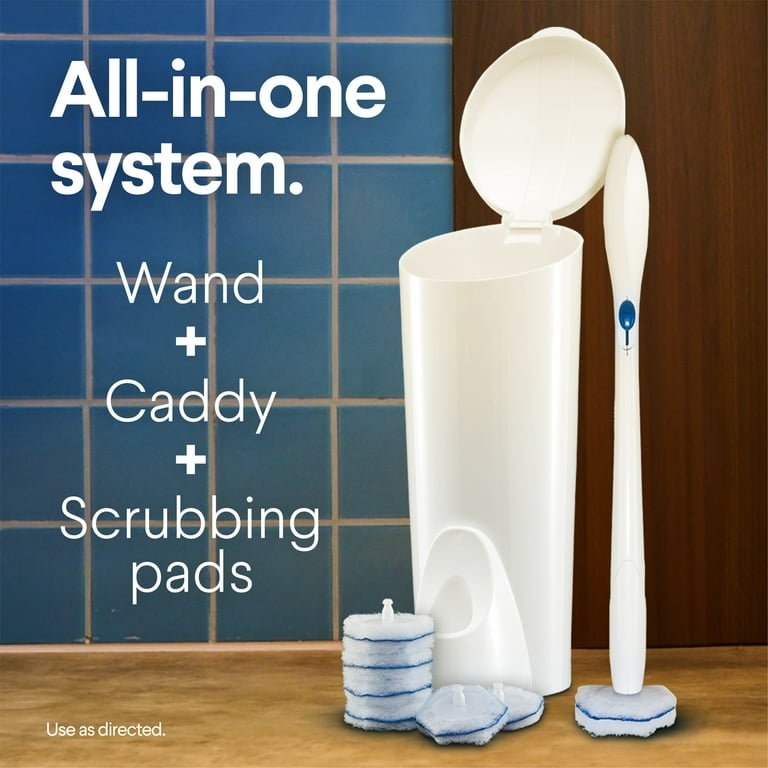
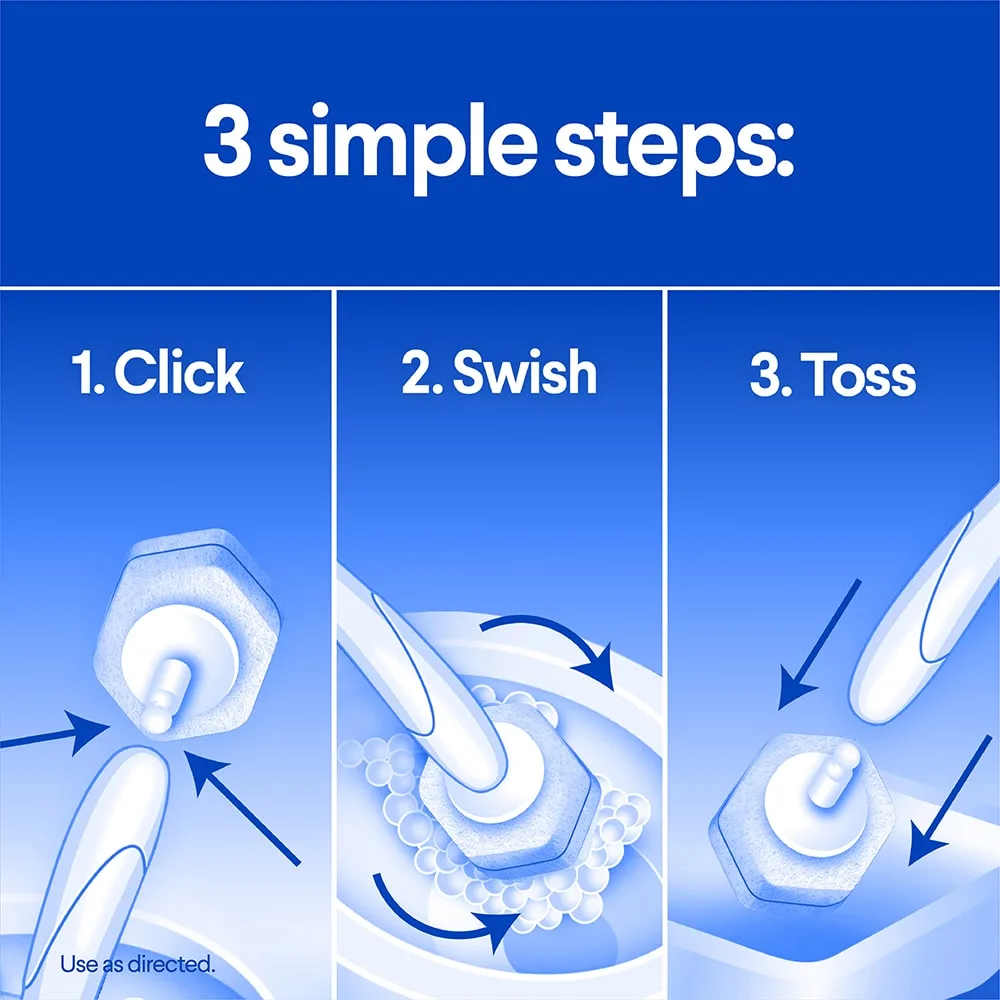
A disposable toilet wand is a newer invention. It is a plastic handle that attaches to a cleaning pad or sponge. Each pad is pre-soaked with a cleaning agent—usually a disinfectant and deodorizer. After cleaning, you release the used pad into the trash with a button, so your hands never touch the dirty part.
These wands are popular for their convenience and promise of better hygiene. The idea is simple: use a fresh, clean pad every time, then throw it away. Popular brands include Clorox and Scrubbing Bubbles, but many off-brand wands exist as well.
Cleaning Performance
The most important factor in any cleaning tool is how well it actually cleans. Let’s see how both options compare.
Toilet Brush Cleaning Power
A toilet brush uses stiff bristles to scrub away stains, mineral deposits, and bacteria from the bowl. Because you can apply pressure, it’s good at removing tough rings or stubborn marks.
You can pair the brush with any cleaning product you like. Some people add bleach for extra disinfecting, while others use natural cleaners. Brushes can reach under the rim and deep into the bowl, but the bristles sometimes miss hidden spots.
Non-obvious insight: Many people don’t realize that the brush itself can collect germs over time, especially if it’s stored wet or never cleaned. This can reduce cleaning effectiveness unless you regularly disinfect the brush.
Disposable Wand Cleaning Power
A disposable toilet wand uses a soft, preloaded pad. The pad releases cleaner as you scrub, so you always start with a fresh, bacteria-free surface. The pad’s shape often fits well under the rim and along the waterline.
These wands are excellent for everyday cleaning and removing surface stains. However, the soft pads may struggle with thick, built-up limescale or very stubborn marks. If you haven’t cleaned in weeks, a brush’s stiff bristles might work better for deep scrubbing.
Non-obvious insight: Many users press too hard with a disposable wand, causing the pad to break or detach. Gentle pressure and a steady hand clean better and keep the pad intact.
Hygiene And Sanitation
Bathrooms are full of germs, so hygiene is critical when choosing a cleaning tool.
Sanitation With A Toilet Brush
A traditional brush is reusable, which means bacteria, mold, and dirt can remain on the bristles after each use. Over time, the brush and the holder can become a breeding ground for germs—even if you rinse the brush with clean water.
To keep things sanitary:
- Rinse the brush with hot water after each use.
- Disinfect the brush weekly (soak in bleach or a disinfectant solution).
- Let the brush dry before storing to prevent mold growth.
- Clean the holder regularly.
Despite these steps, it’s nearly impossible to keep a brush 100% clean. Some people replace their brush every few months for this reason.
Sanitation With A Disposable Toilet Wand
Each cleaning pad on a disposable wand is single-use. After cleaning, you release the dirty pad into the trash (or, for some brands, flush it). This reduces the risk of spreading bacteria or mold. The handle itself rarely gets dirty.
For maximum hygiene:
- Wash your hands after cleaning, even if you don’t touch the pad.
- Store the wand handle in a clean, dry place.
- If you use a brand that allows flushing, make sure your plumbing can handle it.
Key point: Disposable wands are usually more hygienic because you always use a clean pad and never store a used cleaning head.
Credit: www.walmart.com
Cost Comparison
Cost is a major factor for many households. Let’s break down the expenses.
Toilet Brush Costs
A basic toilet brush costs between $4 and $15. Premium brushes with anti-bacterial coatings or designer holders can reach $30 or more.
You’ll also need to buy toilet cleaner (gel, powder, or spray). A standard bottle costs $3–$7 and lasts many uses.
The brush itself can last 6–12 months with regular care. Replacing the brush or holder is an extra cost, but not frequent.
Example: Over one year, a family might spend $10 on a brush and $12 on cleaner, totaling around $22.
Disposable Toilet Wand Costs
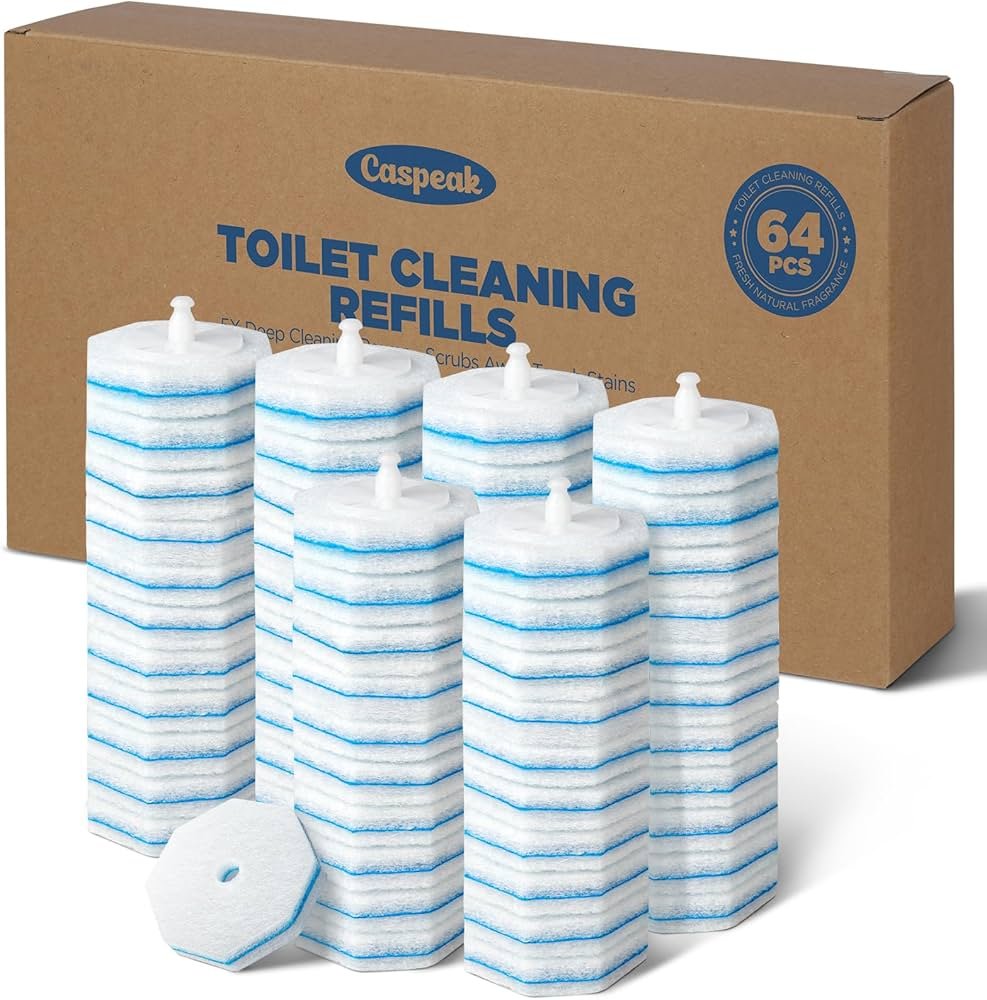
A starter kit (handle plus 6–10 pads) costs $10–$20. Refills with 10–20 pads cost $7–$15, depending on the brand. If you clean weekly, you’ll use 1–2 pads per week.
Example: Using one pad per week means 52 pads per year. That’s around $36–$60 annually, plus the cost of the handle.
If you clean more often or have multiple toilets, the cost rises quickly. Some off-brand pads are cheaper, but may not fit all handles.
Key insight: The disposable wand is more expensive in the long run, especially for large families or frequent cleaning.
Cost Comparison Table
Here’s a simple look at the average yearly cost:
| Cleaning Tool | Yearly Cost (Average) | Extra Costs |
|---|---|---|
| Toilet Brush | $20–$30 | Cleaner, brush replacement |
| Disposable Wand | $40–$60 | Handle replacement, extra pads |
Environmental Impact
Cleaning your toilet shouldn’t hurt the planet, but not all products are equally eco-friendly.
Toilet Brush And The Environment
Most toilet brushes are made from plastic, which is not biodegradable. However, since you use one brush for months, the waste is less frequent. Some brands now offer brushes with bamboo handles or recycled plastic to lower their footprint.
When you replace the brush, the entire item is thrown away, but this usually happens once or twice a year.
Disposable Wand And The Environment
Disposable pads add more waste. Most pads contain plastic fibers and chemical cleaners, which don’t break down easily in landfills. Some pads are flushable, but experts warn that these can clog pipes or harm water systems.
The handle is reusable, but pad refills come in plastic packaging. Eco-friendly brands are rare, and compostable pads are not common yet.
Non-obvious insight: If you want to reduce waste, look for brands with refillable, biodegradable pads or choose a reusable brush.
Environmental Impact Table
A side-by-side comparison makes the difference clear:
| Cleaning Tool | Waste Type | Eco-Friendly Options |
|---|---|---|
| Toilet Brush | Plastic brush & holder (1–2 per year) | Yes (bamboo/recycled) |
| Disposable Wand | Plastic pads, packaging (weekly) | Very limited |
Convenience And Ease Of Use
Nobody wants to spend extra time cleaning the toilet. Let’s compare how easy each tool is to use.
Toilet Brush Convenience
A brush is simple: dip it in cleaner, scrub, rinse, and return to the holder. There’s no assembly, but you need to clean the brush and holder regularly.
If you forget to rinse or disinfect the brush, it can start to smell. Some people dislike seeing a dirty brush stored in their bathroom.
Tip: Choose a closed holder to hide the brush and contain drips.
Disposable Wand Convenience
A disposable wand is popular for its convenience. Snap on a new pad, clean, then eject the dirty pad into the trash. There’s no need to touch anything dirty, and the handle stays clean.
Refilling pads is easy, but you need to buy refills regularly. Some users find the wand less sturdy than a brush, especially for tough stains.
Practical advice: Store extra pads nearby so you’re never out when you need to clean.
Convenience Comparison Table
A quick look at which tool is easier for daily use:
| Cleaning Tool | Setup Time | Maintenance | Storage |
|---|---|---|---|
| Toilet Brush | None (always ready) | Rinse/disinfect brush & holder | Brush holder |
| Disposable Wand | Attach new pad each time | Buy/store pads | Wand holder + pad box |
Common Mistakes To Avoid
- Not cleaning the brush: Many people forget to sanitize the brush and holder, leading to odors and bacteria buildup.
- Using the wrong pressure: Pressing too hard with a disposable wand can break the pad and make cleaning harder.
- Flushing non-flushable pads: Only flush pads labeled safe for plumbing—most should go in the trash.
- Ignoring storage: Storing a wet brush or wand in a closed container causes mold and bad smells.
- Running out of refills: Always keep extra pads on hand if using a disposable wand.
Credit: www.amazon.com
Which Is Best For You?
- Choose a toilet brush if you want a low-cost, long-lasting tool and don’t mind a little extra cleaning.
- Choose a disposable wand if you want maximum hygiene, quick cleaning, and are willing to pay more for convenience.
Families with children or elderly members may prefer disposable wands for hygiene. People worried about cost or the environment may prefer brushes, especially eco-friendly models.
Personal experience tip: If you have hard water that causes stains, keep a brush handy even if you prefer wands. For everyday cleaning, a wand is fast and easy, but a brush is better for deep scrubbing.
Frequently Asked Questions
What Cleans Better: A Toilet Brush Or A Disposable Wand?
For everyday cleaning, both do a good job. A toilet brush is better for tough stains and mineral buildup, thanks to its stiff bristles. A disposable wand is best for regular, light cleaning with added hygiene.
Are Disposable Toilet Wand Pads Safe For Septic Systems?
Not all pads are flushable. Only use pads marked “septic safe.” Even then, some experts warn that pads may not break down completely and can block pipes. When in doubt, throw pads in the trash. For more info, check Wikipedia’s article on toilet cleaners.
How Often Should I Replace A Toilet Brush?
If you clean and disinfect it often, a toilet brush can last 6–12 months. Replace it sooner if the bristles wear out, smell bad, or look dirty.
Is A Toilet Brush Or Disposable Wand Better For The Environment?
A toilet brush produces less waste overall, especially if you choose one made from bamboo or recycled materials. Disposable wands create more trash due to single-use pads and packaging.
Can I Use Both Tools Together?
Yes, many people use a toilet brush for tough stains and a disposable wand for quick, daily cleaning. This way, you get the benefits of both tools.
Choosing between a toilet brush and a disposable toilet wand depends on your priorities—cost, hygiene, convenience, and environmental impact. By weighing these factors, you can find the best cleaning solution for your bathroom and your lifestyle.
Credit: www.clorox.com