
When you walk into any classroom or library, you’ll see students with highlighters and sticky notes beside their textbooks. Both tools are popular for study, but which is truly better? Choosing between highlighters and sticky notes might seem simple, but their impact on your learning is bigger than you think. Let’s take a closer look at how each works, where they shine, and what science says about their effectiveness. By the end, you’ll know which tool fits your study style—and maybe when to use both.
What Are Highlighters And Sticky Notes?
Before comparing, it’s important to know what each tool is and how it’s used.
Highlighters are colored markers. You use them to mark important words, sentences, or sections in your notes or textbooks. The color stands out, helping you find key information quickly. Most highlighters use fluorescent colors like yellow, pink, green, and orange.
Sticky notes are small pieces of paper with a strip of glue on one side. You can write short notes, reminders, or questions on them, then stick them on pages, walls, or your desk. Sticky notes come in many colors and sizes.
Both are simple, low-cost, and widely available. But their effects on learning are not the same.
How Highlighters Help You Study
Using a highlighter feels satisfying. You read, find a key point, and mark it. But does it really help you learn?
Quick Visual Reference
A highlighted page lets you see the main ideas fast. This is useful for reviewing before a test. Your eyes go straight to the colored lines, saving time.
Focus On Key Points
Highlighting forces you to look for important information. You have to decide what matters, which makes you think about the material.
Color Coding
Some students use different colors for different topics or types of information. For example:
- Yellow for definitions
- Pink for examples
- Green for formulas
This method can help organize your notes.
The Science Behind Highlighting
Research shows that highlighting is not always effective for deep learning. Many students highlight too much, or just color words without understanding them. Studies suggest that simply highlighting does not improve memory unless you combine it with active review.
Non-obvious insight: Highlighting is most helpful when you select only the most important parts and then explain them to yourself.
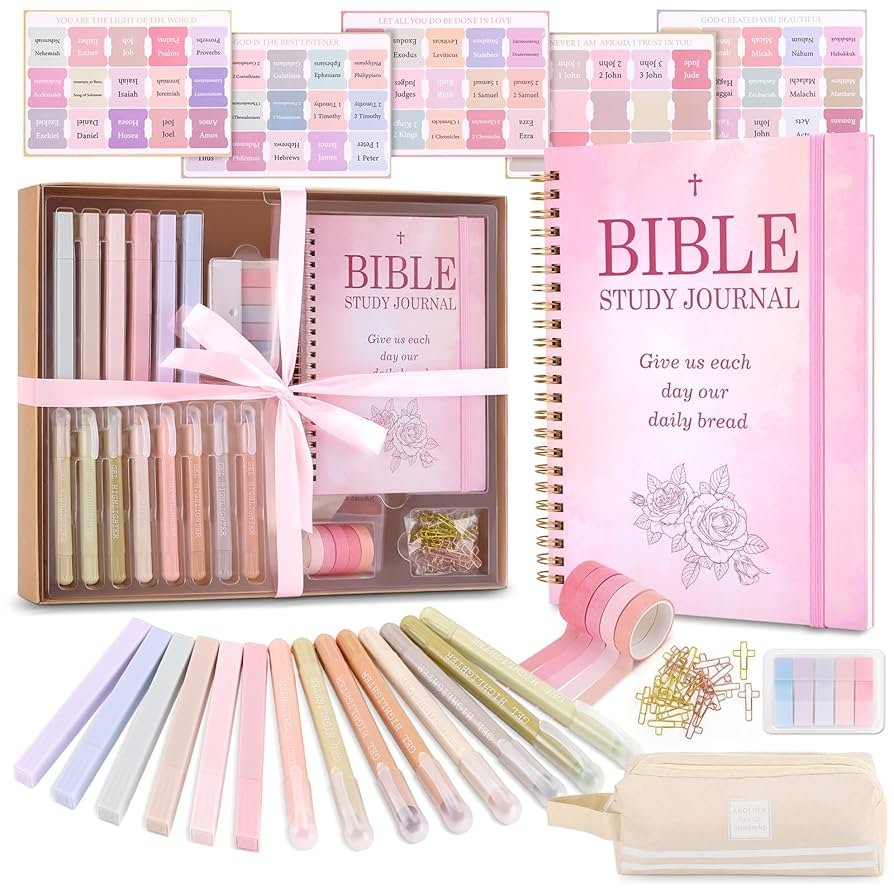
Credit: pure-represents.com
How Sticky Notes Help You Study
Sticky notes are more than just small squares of paper. They can change the way you interact with your learning material.
Active Engagement
Writing on a sticky note forces you to summarize, ask questions, or make connections. You’re not just copying—you’re thinking.
Flexible Placement
You can put sticky notes anywhere. Use them:
- Inside textbooks to add explanations
- On your desk for reminders
- On a wall for big-picture planning
If you don’t like what you wrote, remove or move the note easily.
Organizing Thoughts
Sticky notes are great for brainstorming or mapping ideas. For example, you can write one concept on each note, then arrange them to see connections.
Personalized Study
You can write questions for yourself to answer later, or use sticky notes to cover answers and quiz yourself.
Non-obvious insight: Sticky notes are not just for information—you can use them to practice self-testing and reflection, which research shows helps memory more than just reading or highlighting.
Comparing Highlighters And Sticky Notes
Let’s compare both tools across important study factors:
| Feature | Highlighters | Sticky Notes |
|---|---|---|
| Cost | Low (one-time) | Low (ongoing) |
| Reusability | No | Yes |
| Space Needed | Minimal | More space (if used for planning) |
| Effect on Books | Permanently marks | No permanent mark |
| Encourages Active Thinking | Sometimes | Often |
| Best For | Quick review | Deep learning, planning |
When To Use Highlighters
Highlighters are most effective in these situations:
- Quick Reviews: If you need to scan lots of material quickly before a test, highlighting helps you focus fast.
- Organizing Key Facts: Color coding can help you find types of information.
- Short-term Learning: If you only need to remember facts for a short time, highlighting works well.
However, highlighters are less helpful for subjects that need deep understanding, like math or science concepts.
When To Use Sticky Notes
Sticky notes shine in these cases:
- Questioning: Write questions and stick them in your book. Come back and try to answer them later.
- Summarizing: After reading a page, write the main idea on a sticky note.
- Brainstorming: Use notes to break big topics into smaller pieces.
- Project Planning: Create a timeline or to-do list with sticky notes.
They are especially helpful for complex topics, essays, or big projects.
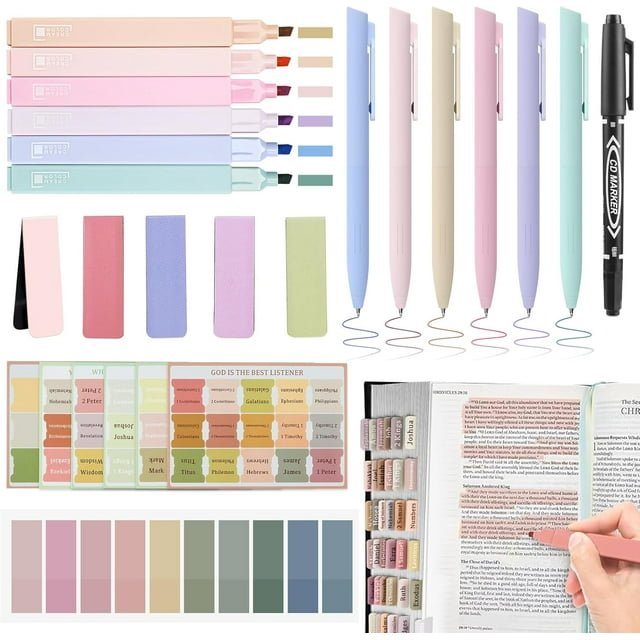
Credit: aquacosmetics.com
Common Mistakes With Highlighters And Sticky Notes
Even good tools can be used badly. Here’s what to watch out for:
Highlighter Mistakes
- Over-highlighting: Many students color entire paragraphs. If everything is highlighted, nothing stands out.
- Passive reading: Highlighting without thinking about the meaning leads to poor memory.
Sticky Note Mistakes
- Too many notes: Filling your book with sticky notes can cause clutter and confusion.
- Random placement: Notes without a clear system are easy to lose or ignore.
Pro tip: For both tools, less is more. Use them with a clear purpose.
Learning Styles: Which Tool Fits You?
Some people learn best by seeing, others by doing or hearing. Here’s how each tool fits different styles:
| Learning Style | Best Tool | Why |
|---|---|---|
| Visual | Highlighters | Colors draw attention to main ideas |
| Kinesthetic (hands-on) | Sticky Notes | Moving notes and writing helps memory |
| Auditory | Both (with voice notes) | Read highlighted parts or sticky notes aloud |
| Reading/Writing | Sticky Notes | Writing summaries or questions builds understanding |
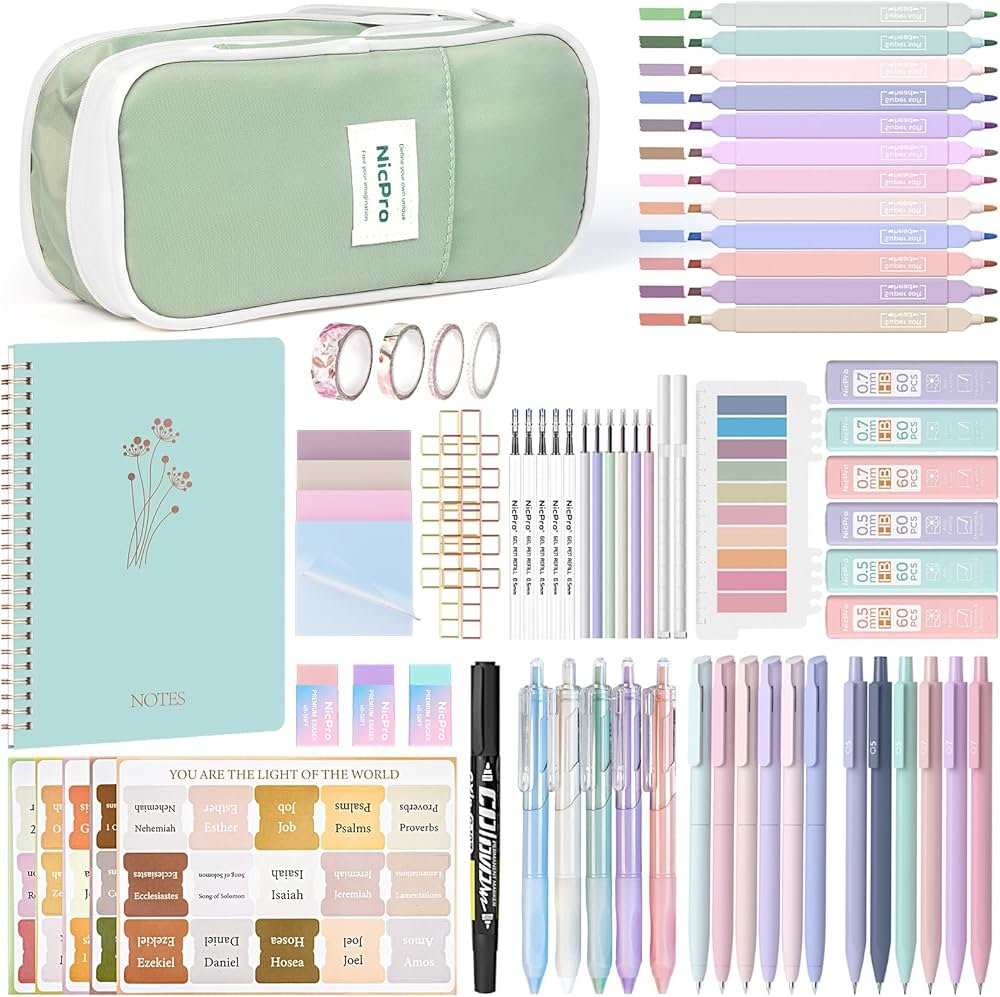
Credit: www.amazon.com
What Does Research Say?
Scientific studies offer some important lessons.
- Highlighting alone is weak: The American Psychological Association notes that highlighting, if not used with other methods, does not help much with long-term learning.
- Active recall works best: Methods like self-testing (writing questions on sticky notes) lead to stronger memory and understanding.
- Combining tools is ideal: One study found that students who highlighted key points and then wrote summaries or questions on sticky notes remembered more.
For more on effective study habits, check the Active Learning Wikipedia page.
Practical Examples
Example 1: Studying History
If you’re reading a history chapter, highlight the date and main event. On a sticky note, write why that event was important, or a question you still have. This way, you see the fact and your own thinking together.
Example 2: Math Or Science
Highlighters can mark formulas or key steps, but sticky notes can remind you where you made mistakes, or help you plan how to solve a problem.
Example 3: Language Learning
Highlight new words in a passage. On sticky notes, write their meanings or use them in a sentence. Stick the notes near your desk to see them often.
Cost And Accessibility
Both tools are cheap and easy to find. A pack of highlighters costs a few dollars and lasts for months. Sticky notes are a bit more expensive, especially if you use them a lot. But you don’t need expensive brands—any sticky paper works.
One hidden cost with highlighters: if you write in library books, you may have to pay a fine! Sticky notes avoid this problem because they don’t leave marks.
Environmental Impact
A small but important detail: Highlighters are plastic and not always recyclable. Sticky notes use paper, which is easier to recycle, but the glue can sometimes be an issue. If you want to be eco-friendly, use both tools sparingly.
Expert Tips For Better Studying
To get the most from highlighters and sticky notes, try these ideas:
- Set rules for highlighting: For example, only highlight one sentence per paragraph.
- Review your notes: After highlighting, close your book and try to recall the main ideas.
- Summarize with sticky notes: Turn each sticky note into a question, then answer it without looking.
- Mix methods: Highlight main points, then use sticky notes for questions, summaries, or plans.
- Keep it organized: Use a color system or place sticky notes in a consistent way, like always at the top of the page.
Which Is Better For Study?
So, Which Is Better: Highlighters Or Sticky Notes?
- Highlighters are best for quick reviews and finding information fast. They help organize and color-code, but do not build deep understanding by themselves.
- Sticky notes are better for active learning. They encourage you to think, summarize, and test yourself. They are flexible and easy to move, making them great for planning and organizing.
But the real power comes from combining both. Use highlighters to find what matters, then use sticky notes to go deeper—ask questions, summarize, and plan your next steps.
Remember, no tool works if you use it without thinking. The key is to make your study active, not passive.
Frequently Asked Questions
Are Highlighters Bad For Books?
Highlighters leave permanent marks. If you own the book, it’s not a problem, but if it’s a library or borrowed book, avoid highlighting. Use sticky notes instead.
Can Sticky Notes Fall Out And Get Lost?
Yes, sticky notes can fall if not pressed well or if the glue is weak. For important information, write it in your notebook too, not just on a sticky note.
How Many Colors Should I Use For Highlighting?
Two or three colors are enough. More colors can confuse you. Choose a simple system, like one color for definitions and one for examples.
Is It Ok To Use Both Highlighters And Sticky Notes Together?
Yes! In fact, using both is often the most effective way to study. Highlight main ideas, and use sticky notes to write questions or summaries.
Which Is Better For Memorizing Facts?
Sticky notes are better for active recall, like quizzing yourself. Highlighters are better for quick reviews. For deep memory, write questions or use sticky notes to cover answers, then test yourself.
Choosing between highlighters and sticky notes is not about picking a winner. It’s about knowing how and when to use each tool. With the right approach, you can make your study sessions more effective and—just maybe—a little more enjoyable.
