
White cotton bed sheets are classic, comfortable, and add a fresh look to any bedroom. Over time, though, even the best sheets can lose their brightness. Stains, sweat, and body oils can turn white sheets yellow or gray. Many people wonder: Can you bleach white cotton bed sheets safely to restore their original color and cleanliness? The short answer is yes—but only if you do it the right way. Bleach can help, but it also brings risks if not handled properly. Let’s explore the safest and most effective ways to bleach white cotton sheets, when to avoid bleach, and some smart alternatives that keep your bedding looking its best.
Why White Cotton Sheets Need Special Care
Cotton is one of the most popular bedding materials because it is soft, breathable, and durable. But white cotton sheets show dirt, stains, and discoloration more than colored or patterned sheets. They are also exposed to:
- Sweat and body oils
- Cosmetics and skincare products
- Accidental spills (coffee, tea, food)
- Detergent residue
- Hard water minerals
All these can make white sheets look dingy. Many people reach for bleach to get that crisp hotel-white look. However, using bleach on cotton isn’t always simple.
How Bleach Works On White Cotton
Bleach (usually sodium hypochlorite) is a strong chemical that removes color and kills bacteria. When you add bleach to your laundry, it breaks down stains at the molecular level, making them invisible. This is why it’s a popular choice for white fabrics.
But cotton fibers are natural and can be damaged by harsh chemicals if overused or used incorrectly.
What Happens If You Use Bleach Incorrectly?
- Weakens cotton fibers over time
- Causes yellowing if not rinsed well
- Leaves residue that irritates sensitive skin
- Creates holes or tears with frequent use
So, the key is to use bleach safely and sparingly.
When Is It Safe To Bleach White Cotton Sheets?
You can bleach white cotton sheets if:
- The fabric is 100% cotton. Blends may react differently.
- There are no special finishes (wrinkle-free or flame-resistant) that can be damaged by bleach.
- The care label says “bleach when needed” or does not warn against bleach.
- You follow the right process to dilute and rinse bleach thoroughly.
If your sheets have embroidery, lace, or colored threads, avoid bleach as it can cause uneven fading or damage.
Step-by-step: How To Bleach White Cotton Bed Sheets Safely
Bleaching sheets is not just pouring liquid on them. Here is a safe and effective method:
- Check the care label. Only proceed if bleach is allowed.
- Pre-wash the sheets. Remove dust, oils, and dirt with regular detergent first.
- Dilute the bleach. Never pour bleach directly on fabric. Use 1/4 cup (60 mL) of regular bleach per gallon (3.8 L) of water for soaking, or add according to your washing machine’s instructions.
- Soak for a short time. 5-10 minutes is enough. Too long can weaken fibers.
- Wash with detergent. Run a full wash cycle with your usual laundry soap.
- Rinse thoroughly. Rinse twice if possible to remove all bleach.
- Dry completely. Line drying in the sun adds extra whitening power.
Important Safety Tips
- Always wear gloves when handling bleach.
- Ventilate the area well.
- Never mix bleach with ammonia or vinegar—this creates toxic fumes.
Bleach Alternatives For White Cotton Sheets
Bleach is not the only way to whiten sheets. In fact, using it too often can shorten the life of your bedding. Here are some effective alternatives:
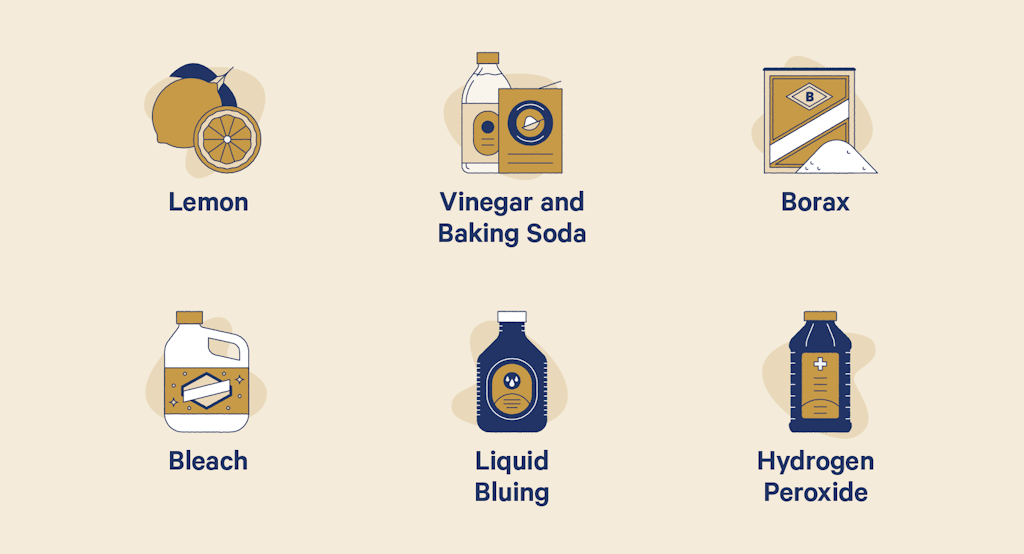
- Baking Soda: Add 1/2 cup to your wash cycle for gentle whitening.
- White Vinegar: 1 cup in the rinse cycle helps remove residue and brighten fabric.
- Lemon Juice: Natural acid that lifts stains—add 1/2 cup to your wash.
- Hydrogen Peroxide: Mix 1 cup with detergent for powerful whitening.
- Sunlight: Drying sheets in the sun naturally whitens and disinfects.
These options are safer for the environment and for people with sensitive skin.
How Often Should You Bleach White Cotton Sheets?
You should not bleach sheets with every wash. Too much bleach will damage the fibers and cause them to wear out quickly. For most households:
- Once every 1-2 months is enough, depending on use and staining.
- For regular cleaning, stick to gentle methods and reserve bleach for tough stains.
:max_bytes(150000):strip_icc()/SPR-how-to-keep-white-clothes-white-2146392-FINAL-c6e05515b700408ba5c765daa072fe5d.jpg)
Credit: www.thespruce.com
Common Mistakes To Avoid When Bleaching White Cotton Bed Sheets
Bleaching is not foolproof, and many people make these common mistakes:
- Using too much bleach: This can yellow or destroy the fabric.
- Bleaching every wash: This causes sheets to tear or thin out.
- Mixing bleach with other cleaners: Can release dangerous fumes.
- Not diluting bleach: Direct contact damages fibers and causes holes.
- Ignoring care labels: Some sheets are not bleach-safe.
Always read and follow the manufacturer’s instructions.
Comparing Whitening Methods For White Cotton Sheets
Here’s a quick comparison of common methods for whitening sheets:
| Method | Effectiveness | Risk of Damage | Best For |
|---|---|---|---|
| Bleach | High | Moderate-High | Stubborn stains, occasional use |
| Baking Soda | Moderate | Low | Regular whitening, sensitive skin |
| Vinegar | Moderate | Low | Residue removal, mild stains |
| Sunlight | Low-Moderate | None | Freshening, natural whitening |
Credit: www.clorox.com
How Bleach Affects The Lifespan Of Cotton Sheets
It’s true that bleach can whiten and disinfect, but it also affects the lifespan of cotton sheets. Frequent use of bleach:
- Weakens fibers, making them prone to tearing
- Can create small holes, especially after repeated cycles
- May cause sheets to feel rough instead of soft
If your sheets feel thin or rough after several washes, it may be a sign of bleach damage.
Data: Sheet Durability And Bleach Use
To illustrate, here’s how regular bleach use compares to alternative methods for sheet lifespan:
| Cleaning Method | Expected Sheet Lifespan (Washes) | Fiber Strength Retained |
|---|---|---|
| Bleach (monthly) | 50-60 | 70% |
| Baking Soda/Vinegar (monthly) | 80-100 | 90% |
| No Whitening Agents | 100-120 | 95% |
This shows that while bleach is effective, using it less often or combining it with gentler methods helps your sheets last longer.
Signs Your Sheets Shouldn’t Be Bleached
Not all white cotton sheets are bleach-safe. Avoid bleach if you notice:
- Colored embroidery or stitching
- Wrinkle-free or special coatings
- Fabric blends (cotton/polyester) with unclear care labels
- Weak or thinning areas
If in doubt, try a patch test: dab a small, hidden area with diluted bleach and wait 10 minutes. If there’s color change or damage, don’t use bleach.
Tips To Keep White Cotton Sheets Bright Without Bleach
You don’t always need harsh chemicals for bright white sheets. Here are some tips:
- Wash sheets weekly to prevent deep stains.
- Avoid using too much detergent, which can leave residue.
- Skip fabric softener, which attracts dirt and dulls fabric.
- Use warm or hot water for better stain removal (if care label allows).
- Rotate between sets to reduce wear.
These habits keep your bedding fresh and white for longer.
The Role Of Water Quality
One factor people often overlook is water quality. Hard water (high in minerals) can make sheets look gray or yellow, even with bleach. If you notice this, try:
- Adding a water softener to your laundry
- Using vinegar in the rinse cycle to remove minerals
Water quality can make a big difference in how well your sheets respond to whitening treatments.
Credit: casper.com
Professional Laundry Services Vs. Home Bleaching
Some people prefer to send their white cotton sheets to a professional laundry, especially for deep cleaning. Professionals use commercial-grade products and have experience handling delicate fabrics. However, they may also use harsh chemicals.
At home, you have more control over the products and process. For valuable or delicate sheets, professional cleaning may be safer, but for everyday bedding, home care is often enough.
Non-obvious Insights Most Beginners Miss
- Bleach can cause yellowing, not just whitening. If not rinsed well or if you use too much, your sheets can actually turn yellow over time.
- Sun-drying is a natural bleach. Ultraviolet light from the sun breaks down stains and brightens whites without harsh chemicals.
These insights help you make smarter choices for your bedding.
Frequently Asked Questions
Can I Use Bleach On Colored Or Patterned Sheets?
No, you should only use bleach on plain white cotton sheets. Bleach removes color and will damage or fade any colored threads or patterns.
How Do I Remove Tough Stains Without Bleach?
Try soaking the stain with hydrogen peroxide or lemon juice before washing. Baking soda paste can also lift tough spots. For protein stains (like blood), use cold water first.
Will Using Bleach Disinfect My Sheets?
Yes, bleach is an effective disinfectant. It kills most bacteria, viruses, and mold. But always rinse well to avoid skin irritation from leftover bleach.
Can I Bleach Sheets In A Front-loading Washing Machine?
Yes, but add bleach only to the dedicated bleach dispenser. Do not pour it directly on the sheets. Follow the machine’s instructions for best results.
Are There Safer Commercial Products Than Regular Bleach?
Yes, oxygen bleach (like OxiClean) is gentler on fabric and effective at whitening. It is color-safe and does not release toxic fumes. Always check the label for compatibility with your sheets.
Bright, clean white cotton sheets make any bedroom feel inviting. You can use bleach, but doing so carefully is essential. Always check your sheets’ care labels, dilute bleach, and use it only when needed. Try gentler options like baking soda, vinegar, or sunlight to keep your bedding fresh and long-lasting. With the right approach, you can keep your white cotton sheets looking crisp and comfortable for years. For more detailed guidance on fabric care and safe bleaching, visit the Good Housekeeping stain removal guide.