
Recessed Lighting Vs Track Lighting Comparison
Choosing the right lighting for your home or office can feel overwhelming. Two of the most popular options are recessed lighting and track lighting. Each has its strengths and weaknesses, and the best choice depends on your space, budget, and style. If you want to understand the real differences—beyond just looks—this guide will help you make a confident decision. We’ll cover everything from installation and costs to flexibility and energy use, with practical examples and clear explanations.
What Is Recessed Lighting?
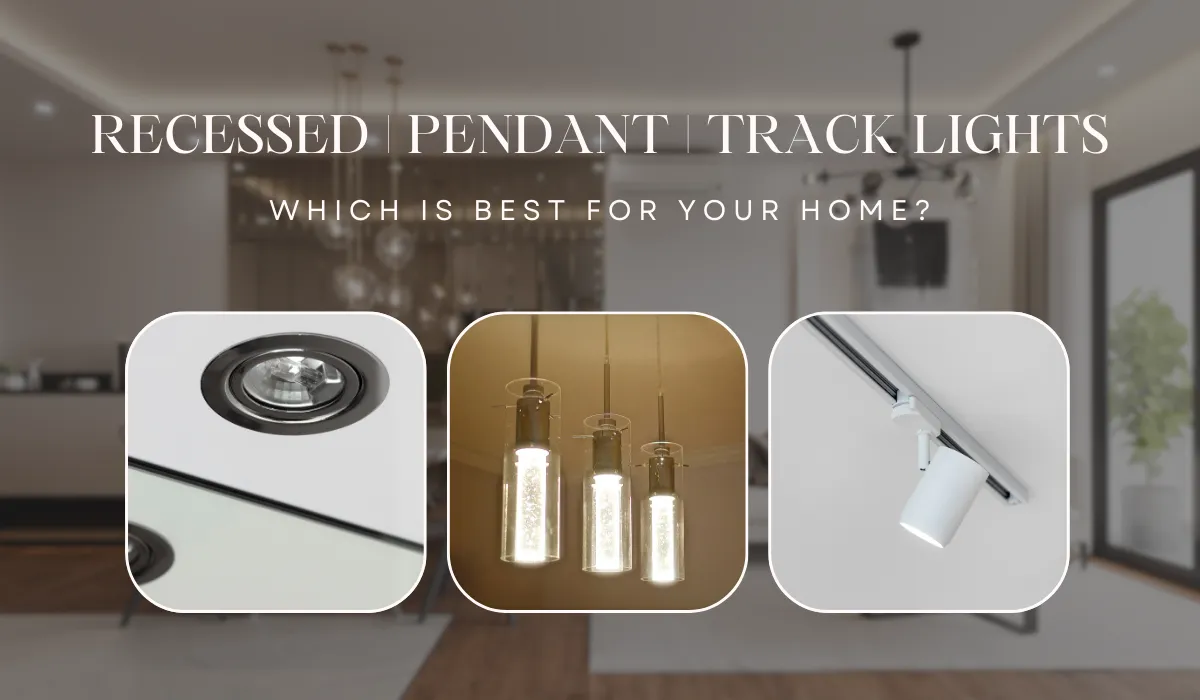
Recessed lighting is a type of light fixture installed directly into the ceiling. The fixture is hidden, with only the trim and bulb visible. Often called “can lights” or “downlights,” these lights create a clean, modern look. You usually see them in kitchens, living rooms, hallways, and even bathrooms.
How Recessed Lights Work
A recessed light has three main parts:
- Housing – The part that sits inside the ceiling and holds all wiring and components.
- Trim – The visible edge or ring around the light opening.
- Bulb – The light source, which can be LED, halogen, or incandescent.
Because the fixture is inside the ceiling, you need enough space above to install them. They are best for flat ceilings and areas without many obstructions.
Common Uses
- Accent lighting for art or special objects
- General lighting in large rooms
- Task lighting over kitchen counters or desks
What Is Track Lighting?
Track lighting features several light fixtures attached to a continuous track. The track mounts to the ceiling or wall, and you can move or aim each head in different directions. This makes track lighting a flexible choice for changing needs.
How Track Lights Work
The main parts are:
- Track – The metal bar that holds and powers each light.
- Heads – The movable fixtures that hold the bulbs.
- Connectors and power feed – These supply electricity to the track.
You can add or remove heads and even connect tracks in different shapes. This system is popular in galleries, retail spaces, and modern homes.
Common Uses
- Highlighting artwork or displays
- Directional lighting for workspaces
- Flexible lighting in rooms with changing layouts
Credit: www.paclights.com
Design And Appearance
When comparing appearance, both lighting types offer unique looks.
Recessed Lighting Style
Recessed lights blend into the ceiling. They create a minimalist and uncluttered look. Rooms with recessed lighting feel open and spacious because the fixtures are almost invisible. However, the light is fixed in one direction—straight down.
Track Lighting Style
Track lighting is more noticeable. The tracks and heads are part of the room’s decor. You can choose from different shapes, finishes, and head styles. Tracks can be straight, curved, or shaped like a square or circle. This makes track lighting a good choice for modern or industrial interiors.
A common beginner mistake: Some people think track lighting is always “ugly” or “outdated.” In reality, new designs can look very stylish and blend well with modern homes.
Installation Complexity
The installation process is very different for these two lighting systems.
| Feature | Recessed Lighting | Track Lighting |
|---|---|---|
| Ceiling Modification | Yes (cut holes, access wiring) | No (mounts directly) |
| Skill Level Needed | Intermediate to Advanced | Beginner to Intermediate |
| Time to Install (per light) | 45–60 minutes | 15–30 minutes |
| Mess/Dust | Yes (cutting required) | Little to none |
Key Points
- Recessed lighting requires cutting holes in the ceiling. If you have insulation, you need special housings. Sometimes, you must work with joists or pipes.
- Track lighting mounts on the surface. It is easier and faster to install, especially in older homes or rentals.
Lighting Performance And Flexibility
How these two systems light up your space is very different.
Recessed Lighting Performance
- Even Illumination: Recessed lights create a balanced, wide spread of light across the room. This is great for general lighting.
- Fixed Direction: Once installed, the lights point straight down. If you want to change the focus, you must move the entire fixture.
- Shadow Control: Proper placement avoids harsh shadows, but poor spacing can leave dark spots.
Track Lighting Performance
- Adjustable Direction: Each head moves and rotates. You can aim them at art, shelves, or work areas.
- Spot Lighting: Track heads often focus light in a narrow beam. This is ideal for highlighting objects but less effective for overall room lighting unless you use multiple tracks.
- Easy Updates: You can add, remove, or reposition heads without new wiring.
Cost Comparison
Price matters when choosing lighting. Costs include fixtures, bulbs, installation, and electricity.
| Expense Type | Recessed Lighting | Track Lighting |
|---|---|---|
| Fixture Price (per light) | $20–$100 | $50–$200 (per 4-6 foot track with 3-5 heads) |
| Bulb Price | $4–$15 (LED) | $5–$20 (LED or halogen) |
| Professional Installation | $100–$300 per fixture | $150–$500 per track |
| DIY Installation | Challenging | Easier |
| Operating Cost | Varies by bulb, usually efficient | Varies, but often higher for halogen |
Insights
- Initial costs for recessed lighting can add up, especially if you have many fixtures.
- Track lighting may seem more expensive per fixture, but you get multiple heads per track.
- Many people forget to budget for patching and painting after installing recessed lights—this can add to your costs.
Energy Efficiency
Lighting costs are not just about buying and installing. How much energy your lights use can affect your electric bill.
Recessed Lighting
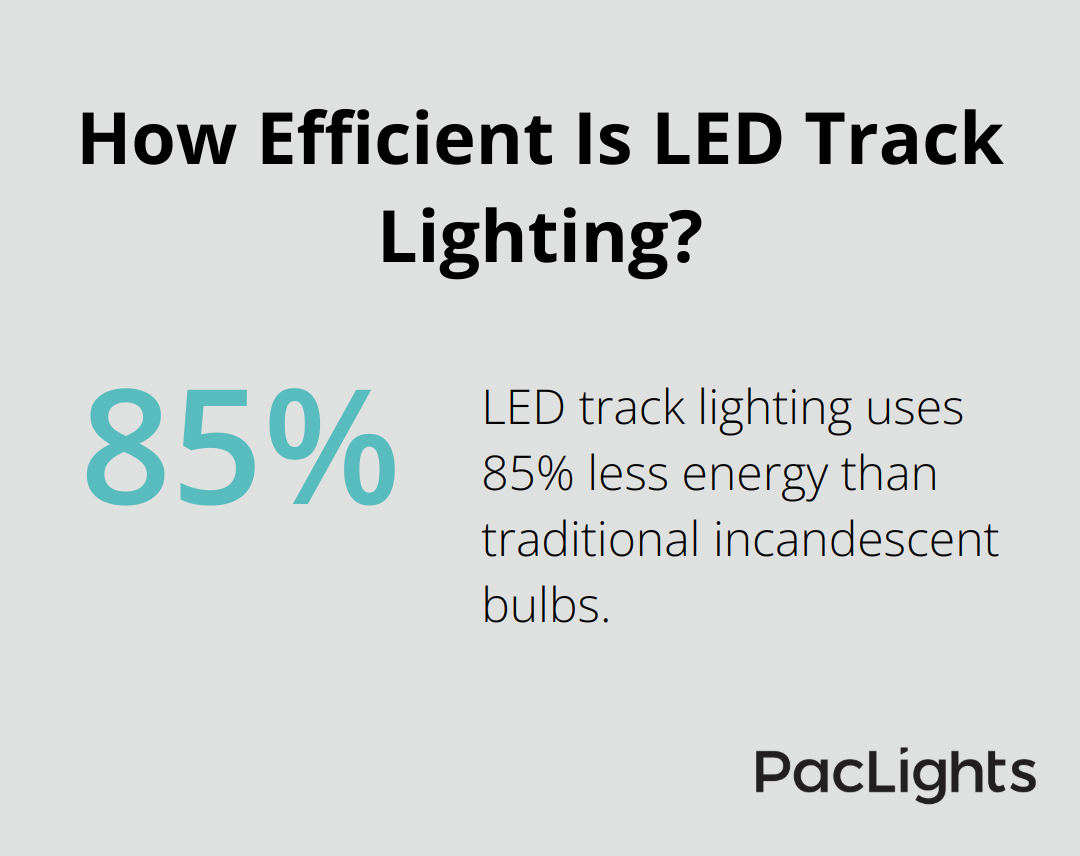
Most modern recessed lights use LED bulbs, which are very efficient. However, older models may use halogen or incandescent bulbs, which waste energy as heat. Recessed fixtures can sometimes let heat escape through the ceiling, making your heating and cooling system work harder.
Track Lighting
Track systems can use LED, halogen, or incandescent bulbs. Energy use depends on the bulbs you choose and how many heads you use. Because track lighting is often used for accent lighting, people sometimes use higher-wattage bulbs for dramatic effect, which can increase energy costs.
Tip: Always check the compatibility of your fixture with LED bulbs. Not all older tracks support them.
Maintenance And Upkeep
Both systems need care, but in different ways.
Recessed Lighting Maintenance
- Dust and bugs can collect inside the trim. Cleaning may require removing the trim.
- Bulb replacement can be tricky if the ceiling is high.
- If a fixture fails, you may need to cut into the ceiling to fix it.
Track Lighting Maintenance
- Heads are accessible and easy to clean or replace.
- You can quickly swap out bulbs or move heads.
- Older track systems may develop loose connections over time, causing flickering.
Non-obvious insight: For homes with high ceilings, track lighting is often easier to maintain because you can reach and adjust the heads without a ladder.
Credit: www.allcityelectricsecurity.com
Suitability For Different Spaces
Neither system is “better” for every situation. Here are some examples:
Where Recessed Lighting Works Best
- Low ceilings where hanging fixtures would feel cramped
- Bathrooms (with proper wet-rated trims)
- Home theaters for subtle, glare-free lighting
- Hallways for a seamless look
Where Track Lighting Excels
- Art studios or galleries needing adjustable lighting
- Kitchens with islands or changing layouts
- Retail stores highlighting merchandise
- Loft apartments or modern living rooms with exposed ceilings
Light Quality And Ambiance
The “feel” of the light can change a room’s mood.
- Recessed lights create a soft, even glow. They are great for a calm, inviting atmosphere.
- Track lighting provides more contrast and drama. You can aim lights to create highlights and shadows, perfect for showcasing art or creating a lively space.
Beginner mistake: Some people use only track lighting for a whole room, expecting even light. In reality, you often need a mix of track and other lights for the best effect.
Flexibility And Future Changes
If you like to rearrange your space often, flexibility matters.
- Recessed lighting is permanent. Changing the layout means cutting and patching the ceiling.
- Track lighting is much more flexible. You can change the position of each head or add new tracks as your needs change.
This is why many offices and galleries prefer track lighting—they can adapt without major construction.
Safety And Building Codes
Both systems must follow local electrical codes. Here are some common requirements:
- Recessed lights installed in insulated ceilings require IC-rated housings to prevent overheating.
- Wet or damp locations (like bathrooms) need special trims and gaskets.
- Track lighting should not be overloaded with too many heads or high-wattage bulbs.
Always check your local codes or hire a qualified electrician for installation.
Credit: lightmakers.com.sg
Pros And Cons Overview
Here’s a side-by-side look to help with quick decisions.
| Feature | Recessed Lighting | Track Lighting |
|---|---|---|
| Visual Impact | Minimal, blends in | Visible, decorative |
| Flexibility | Fixed direction | Highly adjustable |
| Installation | Complex, invasive | Simple, surface mount |
| Energy Efficiency | High with LEDs | High with LEDs |
| Maintenance | Harder to access | Easy to access |
| Room Size Suitability | Best for large, open spaces | Best for focused or changing needs |
How To Decide: Key Factors
To choose between recessed and track lighting, ask yourself these questions:
- Do you want a seamless or decorative look?
- Choose recessed for minimalism, track for a statement.
- How often will you change your room’s layout or use?
- Track lighting is better for flexibility.
- Is your ceiling easy to access for wiring?
- Recessed lighting needs more space and access.
- Do you need to highlight objects or provide general light?
- Use track lighting for highlighting, recessed for overall illumination.
- What’s your budget for installation and future changes?
- Track systems are often cheaper to adjust later.
Real-world Examples
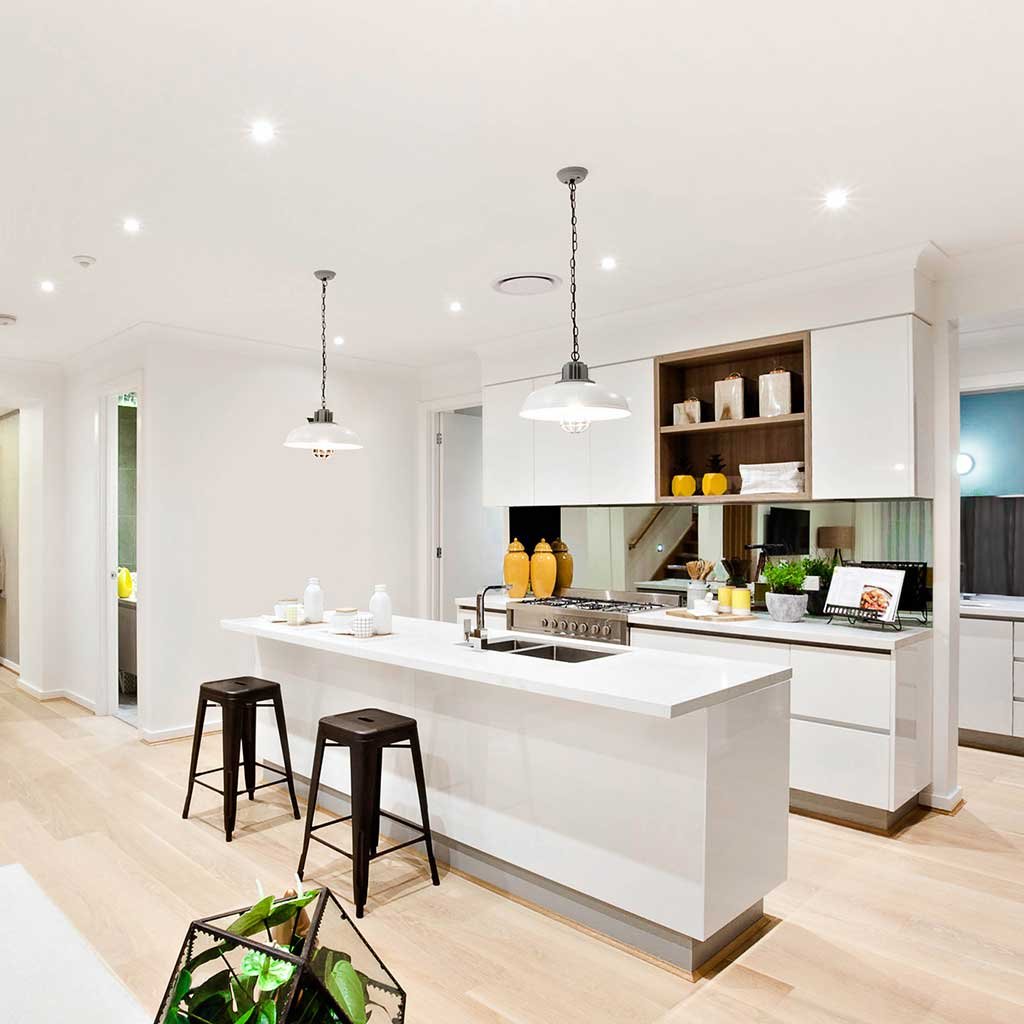
- A homeowner with a modern kitchen uses recessed lights for general brightness and adds a small track light over the island for focused tasks.
- An art gallery installs track lighting to highlight changing exhibits. When the show changes, they move the heads to new positions.
- In a small bathroom, recessed lights are used because there’s not enough ceiling height for tracks or hanging fixtures.
Pro tip: You can combine both systems for the best results—a common trick in high-end design.
Frequently Asked Questions
What’s The Main Difference Between Recessed And Track Lighting?
Recessed lighting is built into the ceiling and gives a clean, seamless look. Track lighting installs on the ceiling surface and allows you to move and aim each light.
Which Lighting Is Easier To Install In An Existing Room?
Track lighting is much easier to install in finished rooms. It mounts on the surface and usually requires less wiring and no ceiling cutting.
Can I Use Led Bulbs In Both Systems?
Yes, both recessed and track lights can use LED bulbs, but you must check that your fixtures are compatible with the type and size of LED you choose.
Is One Type More Energy Efficient?
Both can be very efficient if you use LEDs. Track lighting may use more energy if you use multiple heads with high-wattage bulbs.
Where Can I Learn More About Lighting Design Basics?
You can find helpful lighting guides on the Illuminating Engineering Society website.
Choosing between recessed lighting and track lighting is all about your needs, style, and space. Both have their place in modern design, and understanding their unique strengths helps you light your room with confidence.