
When you want to refresh your bedroom, changing just one wall can make a big difference. This is the power of an accent wall. It draws your eyes, adds personality, and sets the mood for the whole room. But which color should you choose? The right color can make your bedroom feel cozy, energetic, or calm. With so many options, picking the best accent wall color can feel confusing. This guide will help you understand what works, why it works, and how to use accent walls to create the bedroom of your dreams.
Why Accent Walls Matter In Bedrooms
An accent wall is a single wall painted in a different color from the other walls. It’s a simple way to add style without much effort or cost. Bedrooms are personal spaces, so the color you choose can affect how you feel. For example, blue can help you relax, while yellow can make you feel cheerful.
Accent walls also help you highlight special features. For example, painting the wall behind your bed can make your bed stand out. With just one wall, you can create a focal point and add interest to your room.
Choosing The Right Wall For An Accent Color
Before picking a color, think about which wall should be your accent wall. In most bedrooms, the best choice is:
- The wall behind the headboard of your bed
This wall is usually the first thing you see when you enter. It naturally draws attention, so a bold color here creates a strong impact.
Other options include:
- The wall with a large window or interesting architectural feature
- A wall with built-in shelving or a fireplace (less common in bedrooms)
But avoid choosing a wall with many doors or closets, as the effect will be broken up.
How To Pick The Best Accent Wall Color
Choosing the right color is about more than just picking your favorite shade. Here are some important things to think about:
- Room Size and Light: Dark colors can make small rooms feel even smaller, while light colors can open up a space. Check how much natural light your bedroom gets.
- Existing Colors: Look at your bedding, curtains, and furniture. Pick an accent color that matches or adds contrast.
- Mood: What feeling do you want? Calming, energetic, romantic, or modern? Different colors give different vibes.
- Trends vs. Timeless: Some colors are trendy now, but may look dated in a few years. Decide if you want a classic look or are open to changing colors often.
- Test First: Paint a small section to see how the color looks in different lighting before committing.
Now, let’s explore some of the best accent wall color ideas for bedrooms.
1. Deep Blue
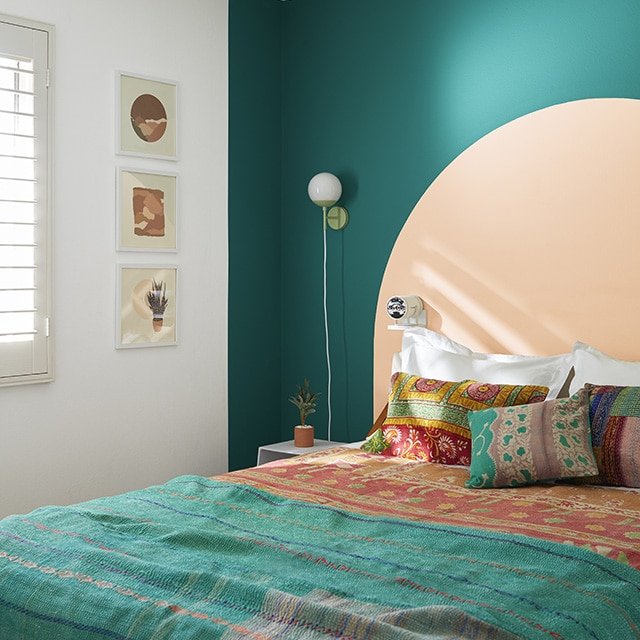
Deep blue is a classic choice for bedrooms. It creates a peaceful, relaxing atmosphere, perfect for sleep. Navy or royal blue can make your space feel elegant and rich.
Deep blue works well with light-colored bedding and white trim. It pairs nicely with metallic accents, like gold or silver lamps. For example, a navy blue wall behind your bed can look stunning with crisp white sheets and a few gold-framed pictures.
Non-obvious tip: Deep blue hides marks and fingerprints better than lighter colors, making it practical for families.
Credit: www.benjaminmoore.com
2. Soft Gray
Soft gray is a modern, flexible choice. It’s not too bold, but still adds interest. Gray can make your bedroom feel calm and sophisticated.
Soft gray works with almost any color scheme. You can pair it with pastels for a gentle look or with black and white for a high-contrast, modern style. It’s also a safe choice if you like to change bedding or decor often.
Insight: Warm grays (with a hint of brown or beige) make a room feel cozy, while cool grays (with a blue or green tint) feel fresh.
3. Forest Green
Forest green brings nature into your bedroom. It’s rich, calming, and goes well with wood furniture or plants. Green is linked to relaxation and balance, making it ideal for a restful space.
Pair forest green with cream or beige bedding. Add touches of brass or copper for a touch of luxury. This color is great for boho, rustic, or classic bedroom styles.
Practical advice: Use matte finish to avoid reflections, which can make green look too shiny or artificial.
4. Warm Terracotta
Terracotta is a warm, earthy color. It brings energy and comfort at the same time. This shade is inspired by clay and Mediterranean homes.
Terracotta pairs well with natural materials like rattan, jute rugs, and wood. White or cream bedding will keep the look fresh. It’s perfect for adding a cozy, inviting feel to your bedroom.
Beginner mistake: Picking a terracotta that is too orange can feel harsh. Choose a muted, earthy version for a softer look.
5. Charcoal Black
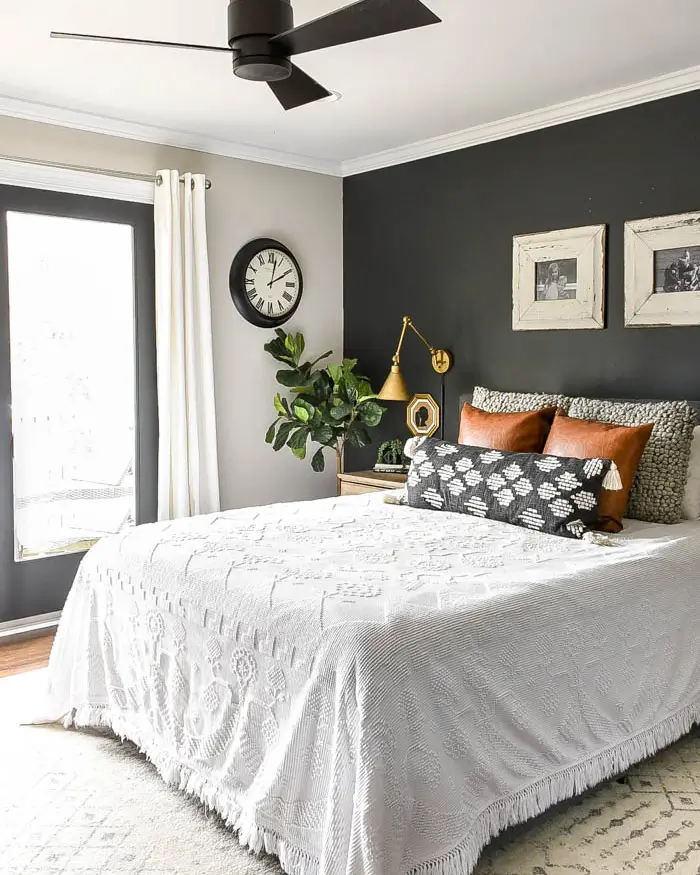
Charcoal black makes a bold statement. It’s dramatic, elegant, and modern. Black works surprisingly well as an accent wall, especially in larger rooms with good light.
Pair with light bedding, metallic accents, and simple decor to keep the look balanced. Add a large piece of artwork to break up the dark color.
Non-obvious insight: Matte black absorbs light, so it reduces glare and makes your bedroom feel more intimate.
6. Blush Pink
Blush pink is soft, romantic, and not just for kids. It adds warmth without being too bold. This color works well in both modern and classic bedrooms.
Blush pink pairs nicely with gray, white, or gold. It looks especially good with velvet or linen bedding. For a more grown-up look, use it with dark wood furniture.
Practical tip: Choose a muted pink, not a bright one, to avoid a candy-like effect.
7. Mustard Yellow
Mustard yellow is cheerful and energetic. It brings a vintage vibe and works well in both retro and modern bedrooms. This color is great for brightening up rooms with little sunlight.
Pair mustard yellow with gray, navy, or deep green for a stylish contrast. Keep bedding neutral to avoid overwhelming the space.
Insight: Mustard yellow is less likely to look dated than bright yellow, and it hides stains better.
8. Soft Lavender
Lavender is gentle, calming, and perfect for a restful bedroom. It’s a cool color that helps you relax and sleep well.
Lavender pairs beautifully with white, silver, or pale wood. It adds a touch of elegance without feeling cold. This shade works in both adult and children’s bedrooms.
Beginner tip: Test in your room’s light—some lavenders can look blue or gray depending on the lighting.
9. Bold Teal
Teal is a mix of blue and green. It’s bold, rich, and adds energy to your space. Teal can be both calming and exciting, depending on what you pair it with.
Teal works well with white, gold, or tan. It’s a good choice if you want something unique but not too wild. Add teal pillows or art to tie the room together.
Practical advice: Use satin or eggshell finish to give teal depth and make the color pop.
10. Classic White
White might seem simple, but as an accent wall, it can be very effective. Use a bright white on a textured wall, like brick or wood paneling, for interest.
White makes other colors in your room stand out. It also helps small bedrooms feel bigger and brighter.
Non-obvious insight: Use “warm white” for a softer feel, or “cool white” for a crisp, modern look.
11. Moody Plum
Plum is a rich, dark purple. It creates a luxurious, romantic feel. Plum works best in larger bedrooms or those with lots of natural light.
Pair plum with gold, beige, or soft gray. Add velvet pillows or a shaggy rug for extra comfort.
Beginner mistake: Using plum in a small, dark room can make it feel smaller. Use mirrors or white trim to balance the look.
Credit: decoholic.org
12. Sage Green
Sage green is soft, calming, and popular in modern bedrooms. It’s a light, gray-green that creates a fresh, relaxing mood.
Sage green goes well with white, tan, or natural wood. It’s perfect for a minimalist or Scandinavian-style bedroom.
Insight: Sage green hides dust and fingerprints better than many light colors.
13. Navy Blue
Navy blue is timeless and elegant. It’s darker than deep blue and adds drama without being too harsh.
Navy blue pairs perfectly with white, blush, or wood accents. It works well in both classic and modern bedrooms.
Practical tip: Use navy on walls with lots of natural light to avoid a gloomy feel.
14. Rich Burgundy
Burgundy is bold and sophisticated. It’s a deep red with purple tones, often linked to luxury. This color can make your bedroom feel warm and inviting.
Pair burgundy with gold, white, or soft pink. Add rich textures like velvet or leather for a complete look.
Beginner tip: Burgundy accent walls look best when the other walls are light or neutral.
15. Cool Mint
Mint green is fresh and energetic. It brings a sense of cleanliness and calm to your bedroom. This color works well in small rooms or spaces without much sunlight.
Mint pairs beautifully with white, navy, or light wood. It’s a good choice for modern, coastal, or vintage-style bedrooms.
Non-obvious insight: Mint can make a room feel cooler, so it’s great for bedrooms that get hot in summer.
Comparison: Warm Vs. Cool Accent Wall Colors
To help you see how different colors change the mood of a bedroom, here’s a simple comparison:
| Color Type | Examples | Mood Created |
|---|---|---|
| Warm | Terracotta, Mustard Yellow, Burgundy | Cozy, Energetic, Inviting |
| Cool | Deep Blue, Sage Green, Mint | Calming, Fresh, Relaxed |
How Accent Wall Colors Affect Room Size
Accent walls can make your bedroom look bigger or smaller. Here’s how:
| Color | Effect on Room | Best For |
|---|---|---|
| Dark Colors (e.g., Charcoal, Navy, Plum) | Make rooms feel cozier, may look smaller | Large bedrooms, rooms with good light |
| Light Colors (e.g., White, Soft Gray, Mint) | Make rooms feel larger and brighter | Small bedrooms, rooms with little light |
Mistakes To Avoid With Accent Wall Colors
- Picking a color that clashes with your bedding or decor
- Using a glossy finish that shows every mark
- Choosing a trendy color you may dislike in a year
- Painting a wall with many doors or windows
- Ignoring how natural and artificial light change the color
Pro tip: Always try paint samples on your wall and check them at different times of day.
Accent Wall Painting Techniques
Besides just color, you can use different painting techniques for more style:
- Ombre: One color fades into another for a soft look.
- Geometric shapes: Use tape to create triangles, stripes, or squares.
- Textured paint: Add depth with special rollers or sponges.
- Wallpaper or murals: Combine with paint for a unique effect.
Experimenting with these techniques can make your accent wall even more special.
:strip_icc()/BEHR_23.04_COTY_BEDROOM_KM_004_CrackedPepper_WeatheredWhite-f83b17e33ae240cb8224c63d7f3b5d3b.jpg)
Credit: www.bhg.com
Accent Wall And Bedroom Style Matching
It’s important to match your accent wall color to your bedroom’s overall style. Here’s a quick guide:
| Bedroom Style | Best Accent Wall Colors |
|---|---|
| Modern | Charcoal, Teal, Soft Gray |
| Rustic | Forest Green, Terracotta, Sage |
| Minimalist | White, Soft Gray, Mint |
| Boho | Blush Pink, Mustard Yellow, Plum |
Where To Find More Inspiration
If you want even more ideas, look at home design magazines, Pinterest, or visit Architectural Digest for expert inspiration.
Frequently Asked Questions
What Is The Best Accent Wall Color For A Small Bedroom?
Soft colors like mint, soft gray, or white are great for small bedrooms. They make the space feel bigger and brighter. Avoid dark colors unless you have good natural light.
Can I Use Wallpaper For An Accent Wall Instead Of Paint?
Yes, wallpaper can be a great alternative. It adds texture, pattern, and style. Just pick a design that matches your room’s mood and color scheme.
How Do I Know If My Accent Wall Color Matches My Bedding?
Take a sample of your bedding fabric to the paint store. Hold it against paint swatches in natural light. Neutral bedding works with most colors, but bold bedding may need a more subtle wall color.
Should The Accent Wall Be Lighter Or Darker Than The Other Walls?
Usually, an accent wall is darker or bolder than the other walls. This makes it stand out and creates a focal point. But in some cases, a lighter accent wall (like bright white on a brick wall) can also work well.
How Often Should I Change My Accent Wall Color?
You don’t need to change your accent wall color often. If you pick a timeless color you love, it can last for years. But if you enjoy following trends, you can repaint every 2–3 years for a fresh look.
Accent walls are a simple, powerful way to transform your bedroom. Whether you want a cozy retreat or a bold statement, the right color makes all the difference. Try samples, trust your taste, and enjoy creating a bedroom that’s truly yours.
