
Learning to use an air fryer can feel confusing at first. Maybe you just bought one, or maybe you are thinking about it. The good news is: air fryers are simple, fast, and can make your food healthier. They use hot air to cook food, so you need much less oil than deep frying. Many people love air fryers for making crispy fries, chicken, or even vegetables with very little effort. But to get good results, you need to know the basics. This guide will help you go from beginner to confident home chef with your air fryer.
What Is An Air Fryer And How Does It Work?
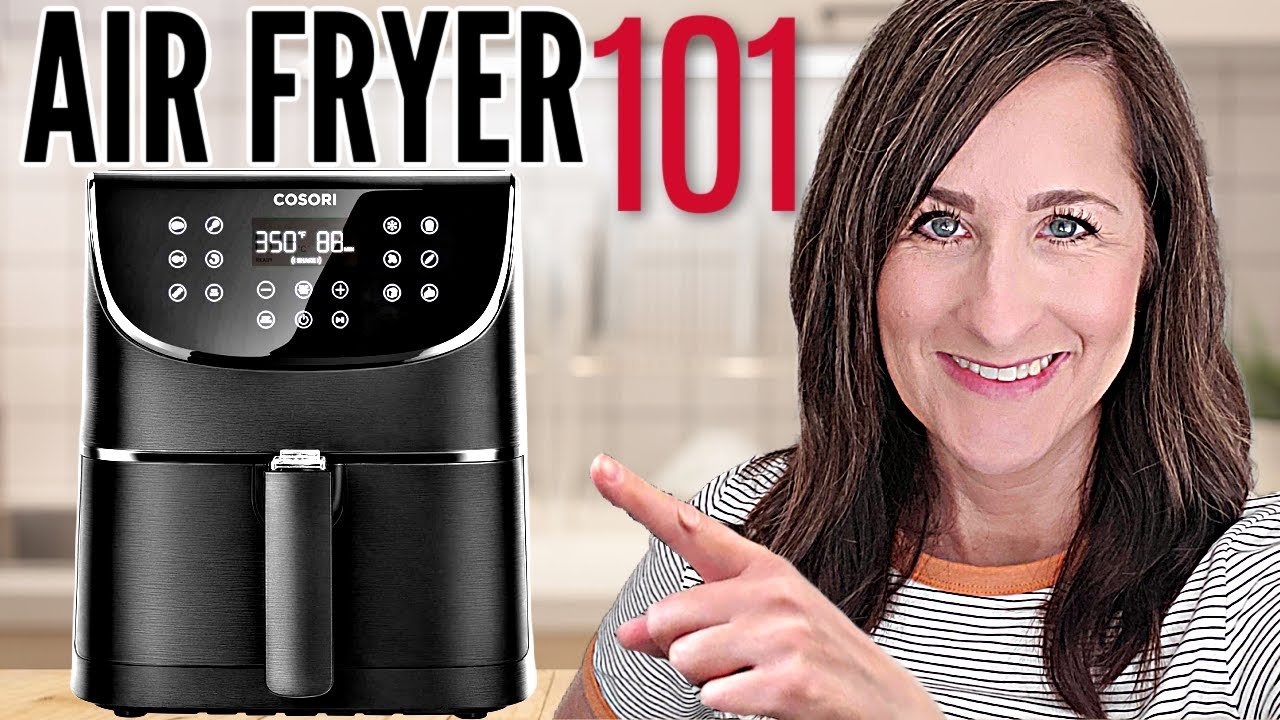
An air fryer is a small kitchen appliance. It looks like a compact oven with a basket inside. You place food in the basket, set the temperature and time, and hot air quickly cooks your food from all sides. This technology is called rapid air circulation. Instead of soaking food in oil, the air fryer uses only a little oil—sometimes none at all. The result is food that tastes fried but is lower in fat and calories.
Air fryers heat up fast, so you don’t need to preheat them for long. Many dishes cook in 10-20 minutes, which is much faster than a regular oven. Because of this, air fryers are perfect for busy people or anyone who wants a quick meal.
Choosing Your First Air Fryer
If you have not bought an air fryer yet, a few features matter more than others. Beginners often get confused by too many options. Here’s what really matters:
- Size: Air fryers come in different sizes, from 2 quarts to over 6 quarts. For 1-2 people, a 2-4 quart model is enough. Families will need at least 5 quarts.
- Manual vs. Digital Controls: Manual models have knobs for time and temperature. Digital models have buttons and screens. Digital models usually have more presets.
- Basket Shape: Round baskets fit most frozen foods, but square or rectangular baskets can hold more at once.
- Easy to Clean: Removable, non-stick baskets are best. Dishwasher-safe parts make cleaning simple.
- Extra Features: Some models have special functions like roasting, baking, or dehydrating. These are nice, but not essential for beginners.
Here’s a quick comparison of common air fryer types:
| Type | Best For | Typical Size | Special Features |
|---|---|---|---|
| Basket Style | Everyday frying | 2-6 quarts | Simple to use |
| Oven Style | Large meals, baking | 6-10 quarts | Multiple racks, rotisserie |
| Toaster Oven Combo | Multi-function use | 6-12 quarts | Toast, bake, air fry |
Most beginners do best with a basket style model. It’s easy to use, cheaper, and less likely to overwhelm you.
Setting Up Your Air Fryer
When you first open the box, take a few simple steps before cooking:
- Remove all packaging and stickers.
- Wash the basket and tray with warm, soapy water, then dry them.
- Place the air fryer on a stable, heat-safe surface. Leave space around it for air to flow.
- Plug it in. Run it empty at 400°F (200°C) for 5 minutes to remove new appliance odors.
Never block the air vents on the back or sides, as this can cause overheating.
Air Fryer Cooking Basics
Learning the basics will help you avoid beginner mistakes and cook tastier food.
How To Use An Air Fryer Step By Step
- Preheat (if needed): Some air fryers need preheating for best results. 3-5 minutes is usually enough. Check your manual.
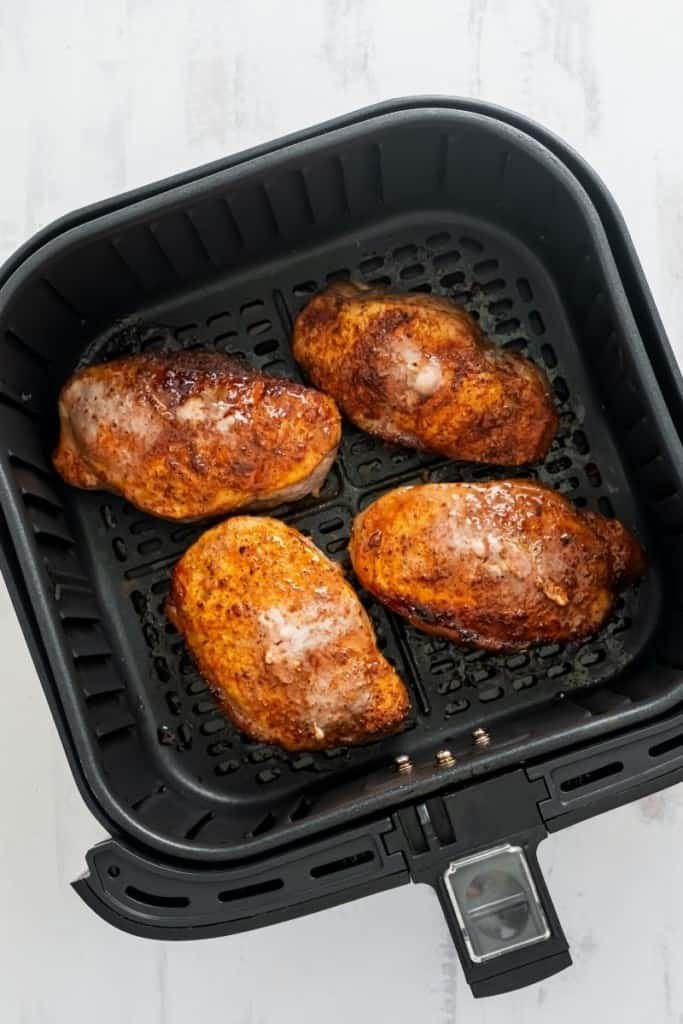
- Add Food: Place food in the basket in a single layer. Crowding blocks airflow and makes food soggy.
- Add Oil (if needed): Spray or brush a little oil on foods that need crispiness, like fries or breaded chicken. You often need just 1-2 teaspoons.
- Set Temperature and Time: Common temperatures are 350-400°F (175-200°C). Start with less time than a regular oven recipe, as air fryers cook faster.
- Shake or Flip Halfway: For even cooking, shake the basket or flip food halfway through.
- Check for Doneness: Use a fork to test if foods are cooked and crispy. Add a few more minutes if needed.
- Serve and Clean: Remove food carefully—it will be hot! Wash the basket and tray after cooling.
Cooking Times And Temperatures
Cooking times will depend on the type and size of your food. Here’s a quick guide for popular foods:
| Food | Temp (°F) | Time (min) | Shake/Flip? |
|---|---|---|---|
| French Fries | 400 | 12-18 | Yes |
| Chicken Wings | 380 | 20-25 | Yes |
| Vegetables | 375 | 10-15 | Yes |
| Salmon Fillet | 400 | 8-10 | No |
| Frozen Nuggets | 400 | 8-12 | Yes |
Always start with the lower time. You can cook longer if needed, but food can dry out if overcooked.
Foods That Work Well In An Air Fryer
Some foods are perfect for air frying:
- Frozen fries and snacks
- Chicken wings or tenders
- Breaded fish
- Vegetables (broccoli, cauliflower, carrots)
- Potato wedges
- Toasted sandwiches
- Bacon
You can also bake small cakes, muffins, or reheat leftovers with good results.
Foods To Avoid
Not every food is right for air frying. Here are some things to skip:
- Foods with a wet batter (it drips off and burns)
- Large roasts or whole chickens (unless your fryer is big)
- Leafy greens (they blow around and burn)
- Cheese by itself (it melts and makes a mess)
Credit: www.youtube.com
Tips For Better Air Fryer Results
Even simple machines have tricks for better food.
1. Don’t Overcrowd The Basket
If you pile in too much food, the hot air can’t reach every piece. This makes food soggy, not crispy. Cook in batches if needed. For example, fries need space to crisp up.
2. Use A Little Oil For Crispiness
Oil helps food brown and crisp. Use a spray bottle or brush to add just a thin coat. For most foods, 1 teaspoon per pound is enough. Don’t pour oil directly into the basket—it can pool and smoke.
3. Shake Or Flip Your Food
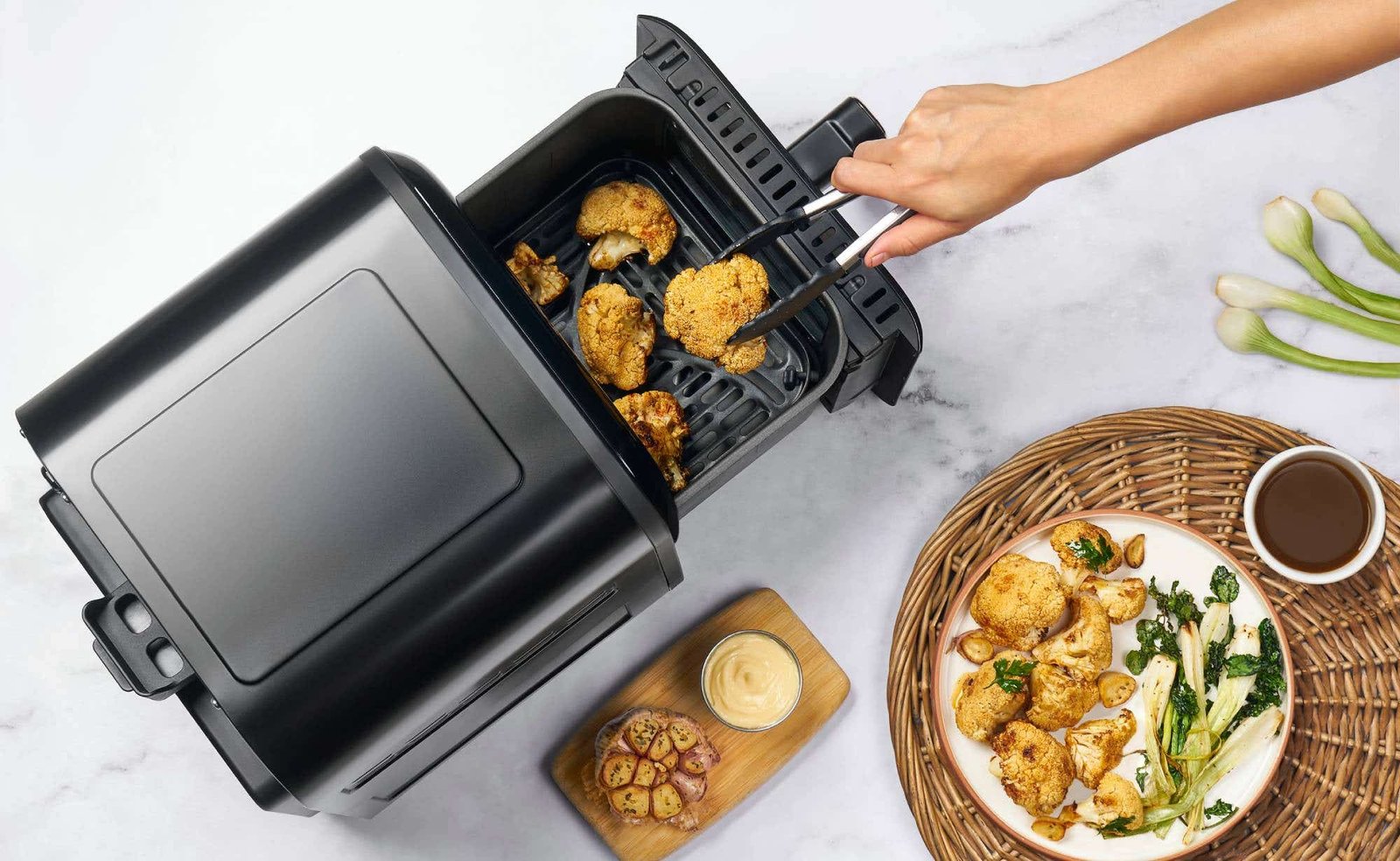
Halfway through cooking, open the fryer and shake the basket or flip larger items with tongs. This helps food cook evenly and prevents sticking.
4. Dry Foods Before Air Frying
If you are air frying vegetables or chicken, pat them dry with a paper towel. Less moisture means more crispiness.
5. Use Foil Or Parchment Paper Carefully
You can line the basket with foil or parchment for easier cleanup. But always leave space for air to flow. Never cover the entire basket—this blocks heat and ruins the result.
6. Watch For Hot Steam
When you open the basket, hot steam escapes fast. Open away from your face and hands to avoid burns.
7. Clean After Every Use
Grease and crumbs build up quickly. Let the basket and tray cool, then wash them with warm, soapy water. Keeping your fryer clean stops smoke and strange smells next time.
Two Non-obvious Insights For Beginners
- Preheat for Even Cooking: Some air fryers say you don’t need to preheat, but a quick 3-minute preheat gives you more even browning, especially for thick foods like chicken thighs or frozen items.
- Batch Cooking Saves Time: If you’re cooking for a group, cook in batches and keep finished food warm in a low oven (200°F/90°C). This keeps everything crisp and ready to serve at once.
Credit: www.t-fal.com
Common Mistakes Beginners Make
Knowing what not to do is just as important as learning the basics.
- Skipping the Shake: Not shaking the basket means uneven cooking.
- Using Too Much Oil: Extra oil can drip and smoke, making a mess.
- Not Checking Early: Air fryers cook fast. Check food a few minutes before the recipe time ends.
- Cooking Wet Foods: Foods with wet batter or lots of sauce can drip, causing smoke and sticking.
- Ignoring the Manual: Every air fryer is a little different. Read your manual for tips on your specific model.
Cleaning And Care
A clean air fryer works better and lasts longer.
- Clean the basket and tray after each use. Use a soft sponge to avoid scratching non-stick surfaces.
- Wipe the inside of the fryer with a damp cloth if grease splatters.
- If food sticks, soak the basket in warm, soapy water for 10-20 minutes before scrubbing.
- Never use metal tools or abrasive cleaners.
If your fryer starts to smell, run it empty at 400°F for 5 minutes, then clean well.
Credit: www.everydayfamilycooking.com
Healthy Cooking With An Air Fryer
Air fryers are popular for healthy cooking. They use up to 75% less oil than deep frying. For example, 100 grams of deep-fried potatoes have about 300 calories, while air-fried potatoes have only about 150 calories.
You can cook:
- Homemade fries with just a teaspoon of oil
- Crispy chicken using yogurt or egg instead of heavy batter
- Roasted vegetables with very little fat
For more healthy meal ideas, see EatRight.org.
When Not To Use An Air Fryer
While air fryers are handy, sometimes a pan or oven is better:
- For large family meals, a regular oven is faster.
- For delicate foods like soufflés, traditional baking works better.
- For foods with lots of liquid or sauce, a pan is safer.
Air fryers are best for small batches, crispy foods, and fast meals.
Creative Uses For Your Air Fryer
Once you feel confident, try these fun ideas:
- Roast nuts or chickpeas for snacks
- Reheat pizza (it stays crispy)
- Make croutons from old bread
- Bake small cakes or muffins
- Dehydrate fruits (if your fryer has this setting)
Experiment and take notes—every air fryer is a bit different.
Frequently Asked Questions
How Much Oil Should I Use In An Air Fryer?
You only need 1-2 teaspoons of oil for most foods. Some foods, like frozen fries, already contain oil and need none. Too much oil can cause smoke and mess.
Can I Cook Frozen Food In The Air Fryer?
Yes! Frozen foods like fries, nuggets, or fish sticks cook very well in air fryers. Add a few extra minutes to the cooking time and shake the basket halfway through.
Do I Need To Preheat My Air Fryer?
Some models work fine without preheating, but preheating for 3-5 minutes gives better, more even results—especially for thick or breaded foods.
What Should I Do If My Food Is Not Crispy?
Try these tips: don’t overcrowd the basket, use a little oil spray, cook at a higher temperature, and shake or flip food halfway through. Dry food before cooking for best results.
Is Air-fried Food Really Healthier?
Air-fried food is lower in fat and calories than deep-fried food because it uses much less oil. It’s a great way to enjoy crispy food with less guilt. For extra health, choose lean proteins and lots of vegetables.
Using an air fryer can change the way you cook at home. With a little practice, you’ll enjoy faster, healthier, and tastier meals without the mess of deep frying. Follow these tips, avoid common mistakes, and soon your air fryer might become your favorite kitchen tool.
