
Removing peel and stick wallpaper is a task that many people worry about, especially if you want to keep your walls in good shape. These wallpapers are popular because they’re easy to apply and offer a quick way to change the look of a room. But when it’s time to remove them, many fear damage, sticky residue, or hours of scrubbing. The good news is, with the right approach, you can take off peel and stick wallpaper cleanly and keep your walls looking fresh. This guide walks you through the whole process, with clear steps, expert tips, and solutions for common problems.
Understanding Peel And Stick Wallpaper
Peel and stick wallpaper, also known as self-adhesive wallpaper, is designed to be easy to use. The backing peels off, exposing an adhesive layer that sticks to most surfaces. Unlike traditional wallpaper, there’s no need for glue or paste. Most brands say their product is removable, but the actual experience depends on a few important factors:
- Wall surface: Smooth, painted walls work best. Textured or uneven walls may hold onto the wallpaper more tightly.
- Duration: The longer the wallpaper stays up, the harder it might be to remove.
- Room conditions: Humidity and heat can affect the adhesive.
Knowing these factors helps set your expectations and prepare your tools.
Tools And Materials You Will Need
Before you start, gather everything you need for a clean removal. Having the right tools saves time and prevents frustration.
- Plastic putty knife or scraper
- Mild dish soap
- Warm water
- Sponge or soft cloth
- Spray bottle
- Hair dryer or heat gun (optional)
- Painter’s tape (optional)
- Drop cloth or old towels
- Goo Gone or adhesive remover (for stubborn residue)
- Gloves (optional)
Don’t skip on preparation—missing tools can slow you down or lead to mistakes.
Preparing The Space
Proper preparation protects your floors and furniture. Here’s what to do before peeling:
- Move furniture away from the wall to give yourself space.
- Lay down a drop cloth or old towels to catch any falling pieces or drips.
- Use painter’s tape to mark out the area if you’re only removing part of the wallpaper.
- Check your walls for cracks or peeling paint—if you notice problems, be extra gentle.
A little planning now avoids big cleanups later.
Step-by-step Guide To Removing Peel And Stick Wallpaper
Let’s break down the process into easy-to-follow steps. Follow them in order for best results.
1. Test A Small Area First
Start at a corner or edge. Use your fingernail or the tip of a putty knife to lift a small section. Peel back gently. If it comes off easily and the wall looks fine, you’re ready to continue. If you see paint coming off, stop and try warming the area with a hair dryer.
Non-obvious tip: If the wallpaper is resisting, do not force it. Heating can help soften the adhesive.
2. Loosen The Edges
Work slowly around the edges with your fingers or the plastic scraper. Avoid using metal tools—they can scratch paint or drywall.
Practical insight: Sometimes, wallpapers stretch or tear. If that happens, start a new spot nearby and try again.
3. Apply Gentle Heat
If the wallpaper doesn’t peel smoothly, use a hair dryer or heat gun on low. Hold it a few inches from the wall and move it in circles. The heat loosens the adhesive, making removal easier.
Example: For a 12-foot wall, heat about 2 feet at a time, peel, and repeat. This method works especially well in colder rooms or if the wallpaper has been up for over a year.
4. Peel Slowly And Evenly
With the edge loosened, pull the wallpaper downwards at a 45-degree angle. Go slowly to avoid tearing. If you feel resistance, stop and use more heat or gently spray warm soapy water along the seam.
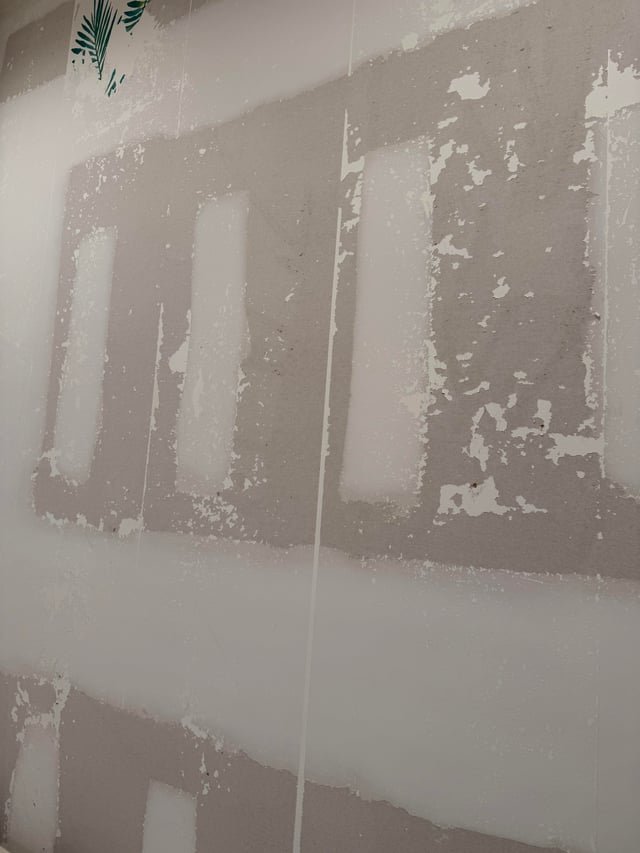
Common mistake: Pulling too fast can leave adhesive on the wall or tear the paper.
5. Remove Residual Adhesive
After the wallpaper is off, check for sticky spots or marks. Mix a few drops of mild dish soap with warm water in a spray bottle. Spray the area and wipe with a sponge. For tough spots, use a small amount of Goo Gone or adhesive remover. Always test in a hidden area first.
Non-obvious tip: Don’t use harsh scrubbers—these can damage the paint or drywall.
6. Clean And Dry The Wall
Once all residue is gone, wipe the wall with a clean, damp cloth. Let it air dry fully before painting, reapplying wallpaper, or hanging art.
Expert tip: If you plan to repaint, check for bubbles or peeling paint and sand lightly if needed.

Credit: mitchellblack.com
Dealing With Common Problems
No two walls are the same. Here’s how to handle issues that often come up.
Wallpaper Tears Or Leaves Backing
If the top layer comes off but the backing sticks:
- Spray warm soapy water directly on the backing.
- Wait 5-10 minutes to let the water soak in.
- Use a plastic scraper to gently lift the backing.
- Repeat as needed for stubborn sections.
Adhesive Residue Won’t Come Off
For sticky patches:
- Apply a small amount of adhesive remover or rubbing alcohol.
- Let it sit for a few minutes.
- Wipe with a soft cloth.
- Rinse with clean water.
Note: Always ventilate the room when using chemical cleaners.
Damage To Paint Or Wall Surface
If you see paint peeling or minor wall damage:
- Sand rough spots lightly with fine-grit sandpaper.
- Fill holes with spackle, let dry, and sand smooth.
- Touch up with matching paint.
Prevention tip: Never rush the peeling process. Patience prevents most wall damage.
Comparing Peel And Stick Wallpaper Removal To Traditional Wallpaper
Understanding the differences helps you appreciate why peel and stick options are popular. Here’s a quick comparison.
| Feature | Peel and Stick Wallpaper | Traditional Wallpaper |
|---|---|---|
| Removal Method | Peel by hand, use mild cleaners | Requires water/steam, scraping, sometimes chemicals |
| Wall Damage Risk | Low if removed gently | Medium to high, depending on paste |
| Residue | Usually minimal | Often heavy paste residue |
| Removal Time | 30-60 minutes per wall | 1-3 hours per wall |
Credit: www.reddit.com
Tips For The Cleanest Results
To remove peel and stick wallpaper with zero mess or damage, keep these tips in mind:
- Don’t rush the process. Slow, steady pulling reduces tearing and residue.
- Work in sections about 2-3 feet wide. This gives more control and limits mistakes.
- Use heat even if the wallpaper is labeled “removable.” Heat works wonders on stubborn adhesive.
- Clean as you go. Don’t wait until the end to remove all residue.
- Check wall paint type. Glossy or semi-gloss paints usually allow easier removal than flat or matte finishes.
- Avoid water on unpainted drywall. Too much moisture can damage the wall underneath.
Example: Real-world Removal Scenario
Imagine a kitchen with peel and stick wallpaper that’s been up for two years. The room is humid, and the wallpaper covers a painted wall.
- Start at a corner near the ceiling and use a hair dryer to loosen the adhesive.
- Peel slowly, working downward.
- When resistance is felt, spray a little soapy water and wait.
- After full removal, you notice some sticky patches. Apply Goo Gone, wait a few minutes, and wipe clean.
- Result: The wall is clean, paint is intact, and it’s ready for a new look.
This step-by-step approach works for most rooms, even in tough spots like bathrooms or kitchens.
Credit: costacover.com
When Professional Help Is Needed
Most people can remove peel and stick wallpaper themselves. But sometimes, calling a professional is best:
- If the wall is already damaged
- When wallpaper is layered (more than one layer)
- If you’re unsure about wall material (e.g., plaster vs. drywall)
Professionals have special tools and know how to minimize risk.
Common Mistakes To Avoid
Learning from other people’s mistakes saves time and money.
- Skipping the test patch. Always test a corner first.
- Using metal tools. These scratch walls easily.
- Applying too much water. Moisture can seep into drywall.
- Not protecting floors. Dropped pieces or cleaner can stain floors.
- Ignoring stubborn residue. Always remove sticky spots before painting or re-wallpapering.
Data: How Long Does It Take?
Here’s a realistic look at the time needed for different wall sizes.
| Wall Size | Estimated Removal Time | Residue Cleanup Time |
|---|---|---|
| Small Accent Wall (8×8 ft) | 20-30 minutes | 10 minutes |
| Standard Wall (12×8 ft) | 40-60 minutes | 15-20 minutes |
| Full Room (4 walls) | 2-3 hours | 30-45 minutes |
What To Do After Wallpaper Removal
Once you’ve removed all wallpaper and residue:
- Inspect the wall for any damage or rough spots.
- Sand lightly if needed.
- Touch up paint or repair as required.
- Let the wall dry fully before applying anything new.
If you plan to use new peel and stick wallpaper, make sure the surface is completely clean and dry. This ensures the new adhesive will stick properly.
Environmental Impact: Disposal Of Old Wallpaper
Peel and stick wallpaper is usually made of vinyl or fabric. Check your local rules for disposal. Some types can be recycled, but many must go in regular trash. Avoid burning wallpaper—it can release harmful chemicals.
For eco-friendly options, look for brands that use recyclable or biodegradable materials. These are better for the environment and just as easy to remove.
Frequently Asked Questions
How Do I Know If My Peel And Stick Wallpaper Is Removable?
Most brands say “removable” or “repositionable” on the packaging. If you’re unsure, test a small corner. Removable types should peel away without pulling paint. For more details, you can check official guides such as the one from Better Homes & Gardens.
Will Peel And Stick Wallpaper Damage My Walls?
When applied to clean, painted surfaces and removed gently, it should not damage walls. Problems happen if the wall was unpainted, textured, or the wallpaper was left up for many years.
What If The Wallpaper Leaves A Stain Or Sticky Spot?
Use mild soap and water, or a commercial adhesive remover for tough spots. Always test cleaners in a hidden area first to avoid damaging paint.
Can I Reuse Peel And Stick Wallpaper After Removal?
Usually, no. The adhesive loses strength during removal, so the wallpaper may not stick well if reused.
Is There A Best Time Of Year To Remove Peel And Stick Wallpaper?
Cool, dry days are best. High humidity can make adhesive stickier. If it’s too cold, use a hair dryer to warm the wallpaper as you peel.
Removing peel and stick wallpaper cleanly is easier than most people think. With patience, the right tools, and careful technique, you can refresh your space without harming your walls. Whether you’re preparing for new wallpaper, a fresh coat of paint, or just a change, these steps help you get the best results every time.