
Buying an electric blanket is a smart way to stay cozy during cold nights without turning up the heat for your entire home. These blankets offer more than just warmth—they can also help with sleep quality, soothe sore muscles, and even lower energy bills.
But with so many options, features, and price points, it can be hard to know what really matters when choosing the right electric blanket. Picking the wrong one can lead to discomfort, wasted money, or even safety issues. This guide will walk you through everything you need to look for when buying an electric blanket, so you can make a confident, informed choice.
Understanding Electric Blanket Types
Before you choose, it’s important to know the main types of electric blankets. Each type serves a different need and fits different sleeping styles.
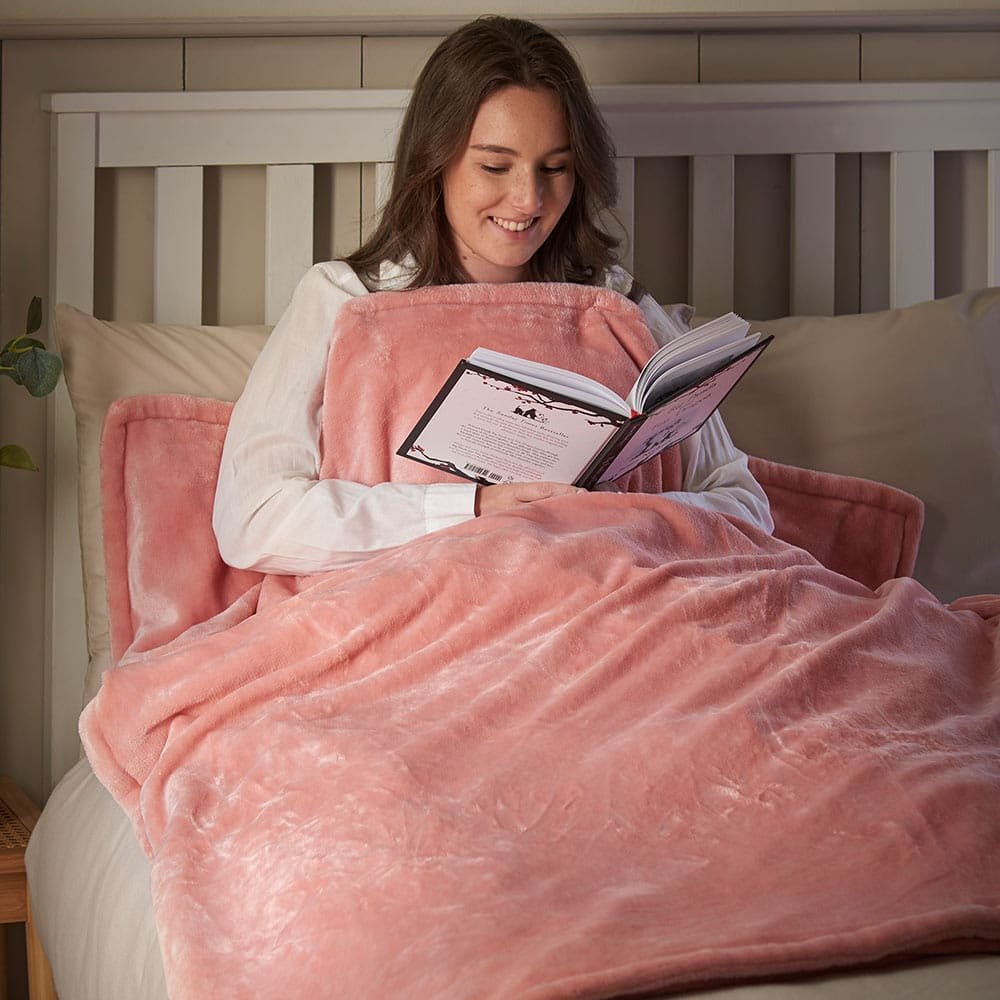
- Overblankets (Throw Blankets): These are placed on top of your body, just like a regular blanket. They’re ideal for people who want flexible warmth while reading, watching TV, or sleeping.
- Underblankets (Heated Mattress Pads): These go under your bed sheet, directly on the mattress. They warm the bed from below and are great for people who want an even, consistent heat throughout the night.
- Electric Duvets: These combine the features of a duvet and an electric blanket. They’re less common but offer all-in-one convenience.
- Heated Throws: Smaller and lighter, heated throws are designed for use on a sofa or chair. Perfect for quick warmth while relaxing.
Non-obvious insight: Underblankets usually offer better energy efficiency because your body weight helps trap more heat, so you may need a lower setting to feel warm.
Safety Features: The Most Critical Factor
Electric blankets use electricity close to your body, so safety features are not optional—they are essential.
- Overheat protection: Look for blankets that automatically shut off if they get too hot. This reduces the risk of fire and burns.
- Automatic shut-off timer: A timer ensures the blanket turns off after a set period, even if you fall asleep. Some models offer 1, 3, 8, or even 12-hour timers.
- UL or ETL certification: These safety marks show the product has passed independent safety testing. Never buy an electric blanket without a recognized certification.
- Low-voltage operation: Many modern blankets use voltages as low as 12–24V, making them safer than older high-voltage models.
Beginner mistake: Ignoring certification marks or buying unknown brands can put your safety at risk. Safety should never be traded for a lower price.
Material And Fabric Quality
The comfort of an electric blanket depends on the fabric type and build quality. Here’s what to check:
- Softness: Most blankets use polyester, fleece, or microfiber. Fleece and plush microfiber feel softer and more luxurious.
- Breathability: If you tend to overheat, choose a breathable material that allows air circulation.
- Durability: Higher GSM (grams per square meter) means a thicker, longer-lasting blanket. Check product details for this information.
- Machine washable: Some blankets have removable controllers and wires, making them safe to machine wash.
Practical tip: Always read the care instructions. Some electric blankets lose softness or shape if washed incorrectly.
Size And Fit
Electric blankets come in a range of sizes, just like regular bedding. Picking the right size is important for both comfort and safety.
| Blanket Size | Typical Dimensions (inches) | Best For |
|---|---|---|
| Twin | 62 x 84 | Single sleepers, kids |
| Full/Double | 72 x 84 | Teens, single adults |
| Queen | 84 x 90 | Couples, larger beds |
| King | 100 x 90 | King beds, sharing |
Hidden insight: For larger sizes (queen or king), look for dual controls. This lets each person set their own temperature, which is especially useful if sleeping partners have different comfort levels.
Heating Controls And Settings
The way you control your electric blanket can make a big difference in how comfortable and convenient it is to use.
- Number of heat settings: Basic models may offer 2 or 3 heat settings, but premium blankets can have 10 or more. More settings give finer temperature control.
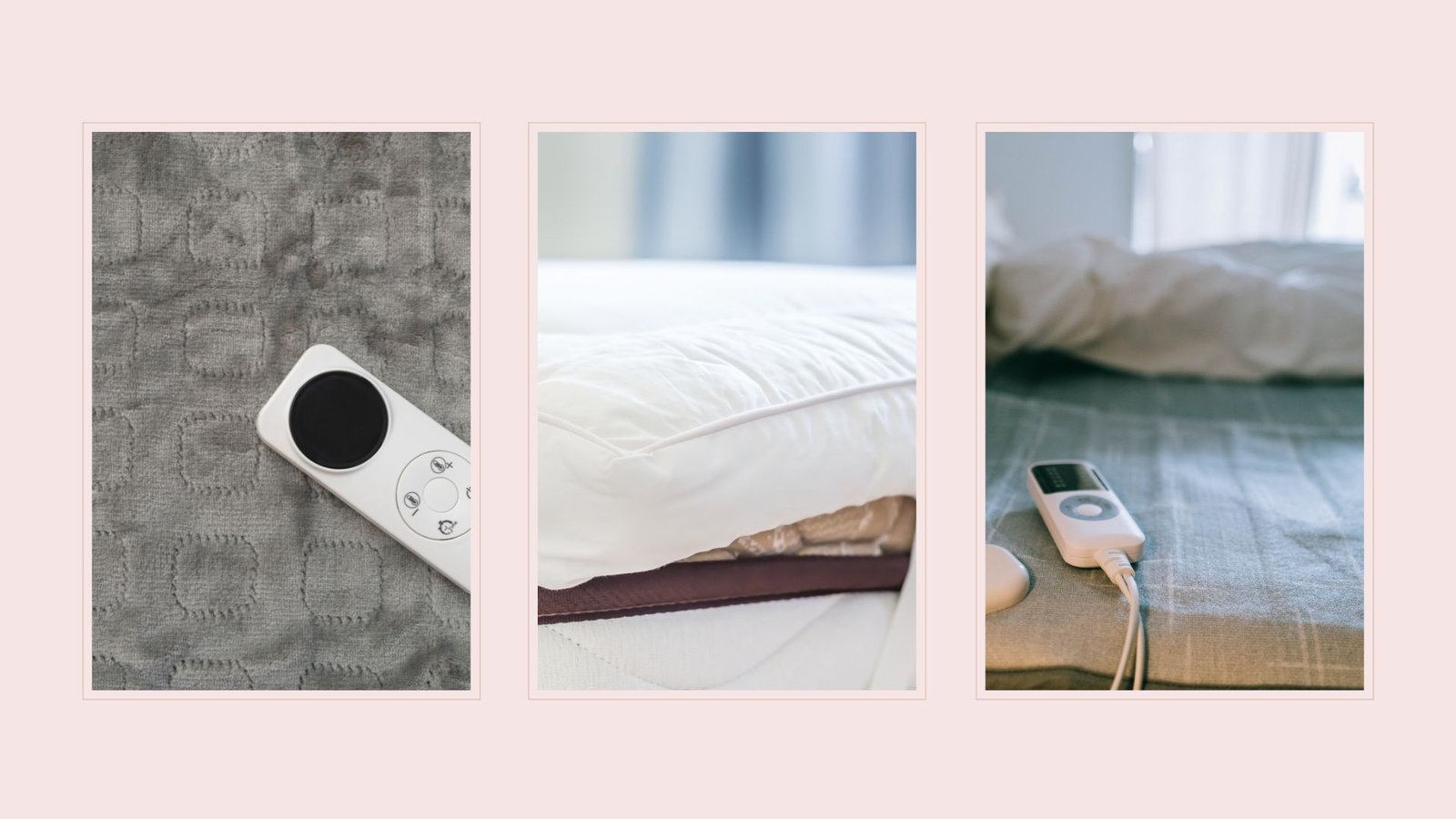
- Type of controller: Some blankets use simple switches, others have digital displays or even remote controls.
- Preheat function: Lets you warm up the bed before you get in, a feature that many people find useful on cold nights.
- Dual controls: On larger blankets, this allows two people to adjust their own side independently.
| Control Type | Pros | Cons |
|---|---|---|
| Manual Dial | Simple, reliable, usually cheaper | Less precise, fewer settings |
| Digital Controller | More precise, extra features, easy to read | Can be more expensive, complex for some users |
| Remote Control | Change heat without getting up | Battery can run out, may get lost |
Non-obvious insight: Digital controllers are often easier for seniors or people with arthritis because buttons are larger and displays are illuminated.
Energy Efficiency
One of the key reasons people buy electric blankets is to save on heating bills. But not all blankets are equally efficient.
- Low wattage: Most electric blankets use between 60–100 watts. Lower wattage means less electricity used, but may also mean less heat.
- Zoned heating: Some high-end blankets offer heating zones, so you only warm the part of the bed you use.
- Preheat and auto-off features: Help you use heat only when you need it.
For example, running a 100-watt electric blanket for 8 hours costs about $0. 10 per night, based on average U. S. electricity prices.
Practical tip: Don’t buy a blanket that’s too powerful for your needs. Higher wattage does not always mean better comfort.
Credit: www.womanandhome.com
Ease Of Cleaning And Maintenance
Since your electric blanket will be used daily, it needs to be easy to keep clean. Here’s what to consider:
- Removable controllers and cords: Make it safe to wash the blanket in a machine.
- Machine washable and dryable: Check if the blanket can go in the dryer or must be air dried.
- Stain resistance: Some fabrics repel spills better than others.
Beginner mistake: Forgetting to detach the controller before washing can damage both the blanket and your washing machine.
Price And Warranty
Prices for electric blankets vary widely depending on features, size, and brand.
- Budget models: $30–$60. Offer basic warmth, fewer settings, and may lack advanced safety features.
- Mid-range: $60–$120. Usually have better materials, more heat settings, and basic safety protections.
- Premium: $120–$250+. High-end materials, dual controls, digital displays, and advanced safety.
Warranty: Look for at least a 2-year warranty. Some top brands offer up to 5 years. A longer warranty can give peace of mind and often signals better product quality.
Non-obvious insight: Sometimes, a higher upfront price gives better value over time because of durability and fewer replacements.
Credit: www.ialljoy.com
Brand Reputation And Customer Support
Not all electric blanket brands are equal. Reliable brands invest more in safety, comfort, and after-sales service.
- Check online reviews: See what real users say about the blanket’s performance and durability.
- Customer support: Good brands offer responsive customer service if something goes wrong.
- Replacement parts: Some brands make it easy to buy new controllers or cords if they break.
Practical tip: Avoid brands with many complaints about poor heating, short lifespan, or unhelpful service.
Special Features And Extras
Some electric blankets offer extra features that can make life easier or more comfortable:
- Wi-Fi or app control: Some modern blankets let you adjust heat from your phone.
- Hypoallergenic materials: Good for people with allergies or sensitive skin.
- Lightweight cords: Make the blanket more comfortable and less noticeable during sleep.
- Multiple color options: Lets you match your bedding or décor.
Beginner mistake: Buying a high-tech blanket with features you won’t use can mean you pay more for no real benefit.
Common Mistakes When Buying An Electric Blanket
- Choosing the wrong size: A blanket that’s too small or large won’t heat evenly or fit well on your bed.
- Ignoring safety certifications: This can put your safety at risk.
- Not checking the warranty: Skipping this step can cost you if the blanket fails early.
- Buying based on price alone: Cheaper isn’t always better—poor quality or missing features can lead to disappointment.
- Forgetting about cleaning: Some blankets are hard to clean, leading to hygiene issues.
- Overlooking user reviews: These can reveal issues not listed in product descriptions.
Who Should Avoid Electric Blankets?
While electric blankets are safe for most people, they are not suitable for everyone.
- Infants and toddlers: Children can overheat or play with controls, raising safety risks.
- People with reduced mobility or sensation: Those who can’t feel heat (due to diabetes, paralysis, etc.) May risk burns.
- Pets: Animals may chew cords, creating electrical hazards.
If you have health concerns, talk to your doctor before using an electric blanket.
Comparing Electric Blanket Features
Here’s a quick look at how major features stack up:
| Feature | Basic Model | Premium Model |
|---|---|---|
| Heat Settings | 2–3 | 8–20 |
| Material Quality | Basic polyester | Plush fleece/microfiber |
| Safety Certification | Not always | Always |
| Warranty | 1 year | 2–5 years |
| Dual Controls | Rare | Common |
| Washability | Hand wash/rarely machine | Machine washable |
Final Thoughts
Finding the best electric blanket depends on your needs, budget, and comfort preferences. Always start with safety, then consider features like size, material, and controls. Don’t rush your decision or buy based on price alone—quality and safety matter most. By paying attention to these details, you can enjoy a warm, safe, and comfortable sleep for many winters to come. If you want to explore more about electric heating devices, see this detailed guide on Wikipedia.
Credit: www.vonhaus.com
Frequently Asked Questions
What Is The Safest Electric Blanket To Buy?
Look for blankets with overheat protection, automatic shut-off, and UL or ETL certification. Trusted brands with good reviews are usually safer.
Can I Wash My Electric Blanket In A Washing Machine?
Most modern electric blankets are machine washable if you remove the controller and cords. Always check the manufacturer’s instructions first.
Do Electric Blankets Use A Lot Of Electricity?
No, electric blankets are energy efficient. Most use 60–100 watts. Running one for 8 hours costs about $0.10 or less, much cheaper than heating a whole room.
Are Electric Blankets Safe For Children Or Pets?
Electric blankets are not recommended for infants, small children, or pets due to the risk of overheating or electrical hazards. Always supervise use.
How Long Does An Electric Blanket Last?
With proper care, a good electric blanket can last 5–10 years. Warranties of 2–5 years are common with quality brands. Replace it if you notice wear, damage, or uneven heating.