
Keeping clothes bright and colorful after many washes can be a real challenge. You might notice your favorite t-shirt turning dull or your vibrant dress losing its shine after just a few laundry cycles. Color fading in laundry is a common problem, but it’s not something you have to accept.
With the right techniques and careful choices, you can keep your clothes looking fresh and new for much longer.
This article explores the main reasons why colors fade, practical steps to prevent it, and tips that most people miss. Whether you’re doing laundry for a big family or just for yourself, these strategies will help you protect your wardrobe and save money by extending the life of your clothes.
Why Do Colors Fade In Laundry?
Understanding why colors fade can help you take better care of your clothes. Most fading happens because of three main factors: water, friction, and chemicals.
- Water can dissolve dyes, especially when it’s hot or used in large amounts.
- Friction from clothes rubbing together in the wash can break dye bonds, making colors less intense.
- Chemicals in detergents, bleach, and even hard water can strip color from fabric.
Sunlight, especially UV rays, can also fade clothes if they’re dried outside for too long. Knowing these causes is the first step to stopping color loss.
Choose The Right Detergent
One of the most important decisions is your choice of detergent. Regular detergents often contain strong cleaning agents that can remove dyes along with dirt.
- Look for color-safe detergents. These are specially made to protect colors and are usually labeled for bright or dark clothes.
- Liquid detergents are often gentler than powders, as powders may not dissolve fully, leaving residue that leads to fading.
Key Comparison: Detergent Types
| Detergent Type | Color Protection | Best For |
|---|---|---|
| Regular Powder | Low | Whites, heavily soiled clothes |
| Liquid Color-Safe | High | Bright and dark colors |
| Pods | Medium | Everyday laundry, convenience |
For best results, use less detergent than you think you need. Too much soap can build up on fabric and attract dirt, making colors look even duller.
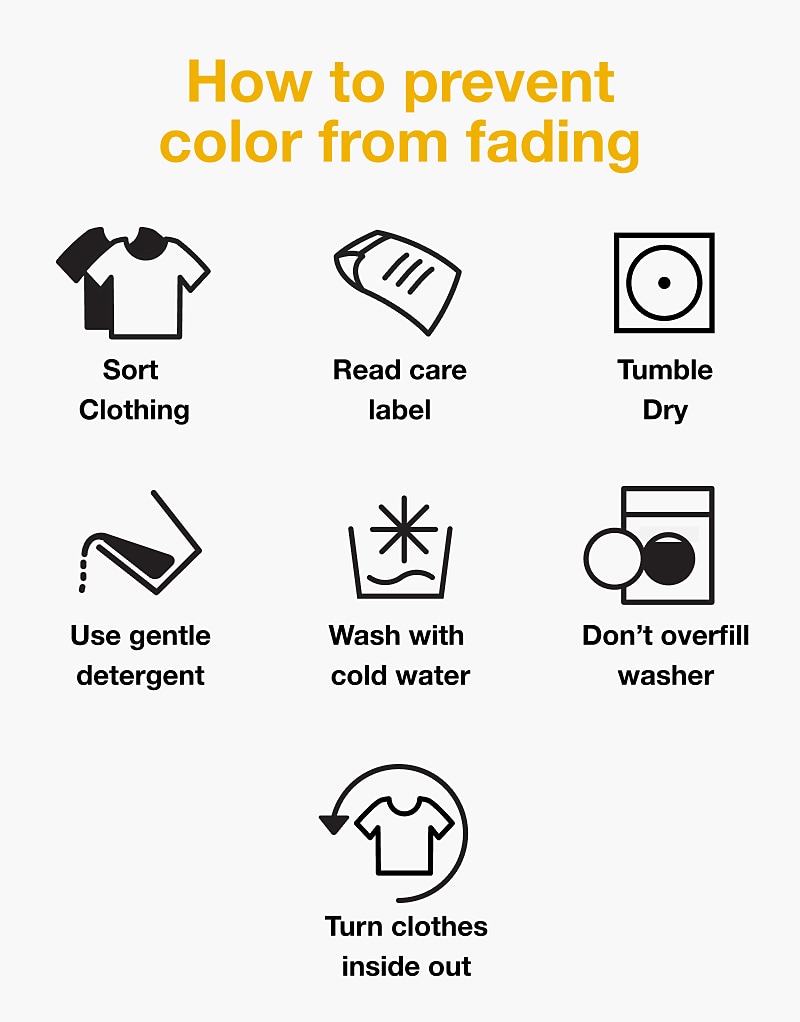
Wash Clothes In Cold Water
Hot water opens up fibers and lets dye escape. Cold water, on the other hand, is much gentler and helps keep colors locked in.
- Most color-safe detergents work well in cold water.
- Washing with cold water saves energy and money, too.
Some people worry that cold water doesn’t clean as well, but modern detergents are designed to work at low temperatures. For tough stains, pre-treat them instead of using hot water.
Sort Laundry By Color And Fabric
Mixing all clothes together is a mistake that many people make. Sorting is about more than just avoiding a red sock in your white load.
- Separate lights, darks, and brights. Dark items can bleed dye, especially in the first few washes.
- Sort by fabric type. Heavy fabrics like jeans can damage lighter items through friction.
Example Of Sorting
- Whites: Sheets, t-shirts, towels
- Darks: Black jeans, navy shirts, dark socks
- Brights: Red dresses, green shirts, purple towels
If you have a new or bright item, wash it alone the first time to avoid color transfer.
Turn Clothes Inside Out
This is a simple step that makes a big difference. By turning clothes inside out, you protect the visible side from direct abrasion and soap. The outside stays brighter because most of the rubbing happens on the inside.
Do this for jeans, t-shirts, dresses, and especially items with prints or graphics.
Use Short, Gentle Wash Cycles
Long, heavy cycles mean more friction and more chances for color loss. Choose a gentle cycle or a setting for delicates if your machine has one. These cycles move clothes less and shorten washing time.
For items that are not very dirty, a quick wash is usually enough. The less time clothes spend in water, the less they fade.
:max_bytes(150000):strip_icc()/tips-to-prevent-colors-from-fading-1900719-FINAL2-621f547d9e5047619f0383b2d3826438.png)
Credit: www.thespruce.com
Do Not Overload The Washing Machine
Stuffing the drum with too many clothes creates extra friction and means detergent may not rinse out fully. Both problems lead to fading.
- Leave enough space in the washer so clothes can move freely.
- For most machines, filling the drum about three-quarters full is ideal.
Overloading can also cause soap stains, which make colors appear dull.
Avoid Sun Drying When Possible
Sunlight, especially direct sunlight, fades colors quickly. If you need to dry clothes outside, hang them in the shade or inside out.
Dryers are less damaging, but use a low-heat setting. High heat can also break down dyes.
Drying Methods Compared
| Method | Color Fading Risk | Best For |
|---|---|---|
| Direct Sunlight | High | Whites, bedding |
| Shade Drying | Low | Bright and dark items |
| Tumble Dryer (Low Heat) | Medium | Most clothing |
If you must use the sun, dry clothes early in the morning or late afternoon when UV rays are weaker.
Use Vinegar Or Salt To Set Colors
Many people don’t realize that white vinegar and table salt can help prevent fading. Both can lock dye into fabric, especially with new clothes.
- For vinegar: Add half a cup to the rinse cycle (don’t worry, the smell goes away).
- For salt: Add one tablespoon to the wash water.
These old-fashioned tricks really work, especially for cottons and new garments. However, do not use them every time—just for the first few washes.
Avoid Bleach And Harsh Chemicals
Bleach is a strong chemical that removes stains but also strips away dye. Only use bleach for whites. For colored clothes:
- Choose oxygen-based color-safe bleach if needed.
- Avoid products with strong optical brighteners.
Even some fabric softeners can dull colors over time, so use them sparingly.
Wash New Clothes Separately
New clothes often have extra dye that hasn’t been fully set. Always wash new items by themselves the first few times. This prevents color transfer to other items and gives excess dye a chance to wash out safely.
Use cold water and a color-protecting detergent for these first washes.
Use A Mesh Laundry Bag
For delicate or heavily dyed clothes, a mesh laundry bag reduces friction in the wash. Place items like silk scarves, thin shirts, or special prints in these bags.
Mesh bags also help prevent stretching and keep small items from getting lost.
Use The Right Water Type
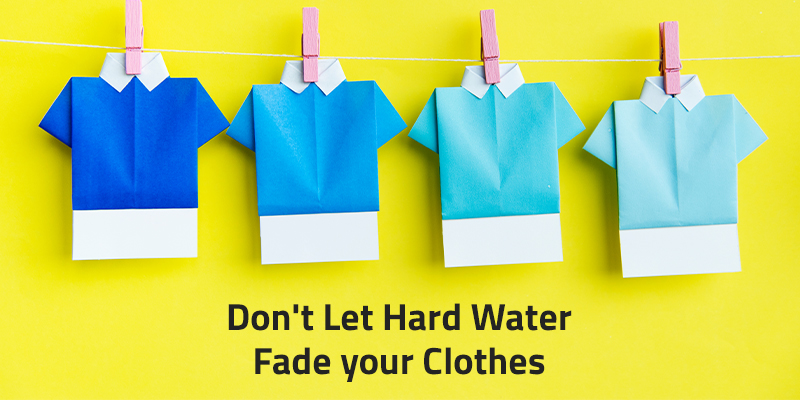
Hard water contains minerals that make soap less effective and can cause colors to fade faster. If your area has hard water:
- Use a water softener or detergent made for hard water.
- Add a rinse agent to help remove minerals.
You can test your water hardness with a simple kit or check local water reports.
Wash Less Often
Washing clothes too often, even gently, can lead to fading. If something isn’t dirty, consider airing it out instead of washing.
- Jeans, sweaters, and jackets can usually be worn several times before needing a wash.
- Spot clean small stains instead of washing the entire item.
This tip saves time, water, and helps your clothes last longer.
Quick Reference: Fading Prevention Checklist
| Action | Impact on Fading | Extra Benefit |
|---|---|---|
| Use color-safe detergent | Reduces fading | Gentler on fabric |
| Wash in cold water | Prevents dye loss | Saves energy |
| Dry in shade | Protects colors | Reduces shrinkage |
| Sort by color | Prevents color bleeding | Cleaner wash |
| Turn inside out | Protects surface | Keeps prints bright |
Two Insights Most People Miss
First, many don’t realize that overusing detergent can actually make colors fade faster. Soap residue attracts dirt, which makes fabric look dull. Always measure carefully, and use less if your load is small or only lightly soiled.
Second, the type of fabric matters. Synthetic fibers like polyester keep color better than natural fibers like cotton, which lose dye more easily. Check garment labels and treat natural fibers with extra care.
Practical Tips For Everyday Laundry
- Always close zippers and fasten buttons to reduce snagging.
- Wash printed t-shirts inside out, even if the label doesn’t say to.
- For sportswear, use a detergent made for technical fabrics to avoid both fading and odor buildup.
- Hang clothes to dry as soon as the wash is finished. Wet clothes left in the machine can develop mildew and dull colors.
Should You Use Commercial Color Catchers?
Color catcher sheets are popular. They claim to absorb loose dye in the wash. They can help, but they are not a substitute for sorting laundry correctly or using cold water.
For heavily dyed or brand-new items, a color catcher can add peace of mind but should not be your only strategy.
If Colors Have Already Faded
If you notice fading, all is not lost. For some clothes, you can re-dye them at home using fabric dye kits. For others, try washing with a cup of vinegar to restore some brightness. Avoid ironing faded areas, as heat can make them look worse.
When To Seek Professional Help
For expensive or sentimental items, professional cleaning may be worth it. Dry cleaners use gentle chemicals and special equipment to keep colors bright. Always tell them about any concerns with fading.
You can also ask for advice on particular fabrics, as some items (like silk) need special handling.
Credit: www.whirlpool.com
Where To Find More Reliable Laundry Advice
For detailed research and advice, the American Cleaning Institute provides trusted information about laundry science and fabric care. Read more at their official site: American Cleaning Institute.
Frequently Asked Questions
How Can I Stop Black Clothes From Fading?
Wash black clothes inside out in cold water with a color-safe detergent. Dry them in the shade and avoid bleach or strong chemicals. Using a short cycle and not overloading the machine helps prevent friction.
Is Vinegar Safe For All Fabrics?
Vinegar is safe for most cottons and synthetic blends, but avoid it on delicate fabrics like silk or wool. Always check the care label first.
Can I Use Salt Every Time I Wash Clothes?
No, salt should only be used for the first few washes of new, brightly colored clothes to help set the dye. Regular use is not needed and may not help after dye has set.
What Is The Best Way To Dry Colored Clothes?
Dry in the shade or indoors to protect colors from sunlight. If you use a dryer, choose a low-heat setting. Always remove clothes promptly to avoid heat buildup.
Do Expensive Detergents Protect Colors Better?
Not always. Some affordable color-safe detergents work as well as expensive ones. What matters most is using the right type (color-safe, gentle) and following proper washing steps.
Caring for your clothes doesn’t have to be complicated. By following these practical steps, you can keep your favorite colors looking bold and beautiful, saving both money and memories in the process.
Credit: www.kent.co.in