
Layering rugs in your living room is more than just a trend—it’s a creative way to add depth, warmth, and personality to your space. Whether you want to refresh your decor without changing furniture, highlight a beautiful floor, or simply make your room cozier, rug layering is an effective solution.
Many people admire stylish interiors on Instagram or in magazines, but they’re not sure how to replicate those layered looks in their own homes. The good news is, anyone can master this design technique with a bit of know-how. Let’s explore how to layer rugs for living room style, step by step, and discover tips that even design beginners often overlook.
Why Layer Rugs In The Living Room?
Layering rugs brings several benefits that go beyond basic decoration. First, it allows you to combine texture, color, and pattern in unique ways. This technique also lets you experiment with different sizes and shapes, which can help define seating zones or highlight certain areas. In open-plan homes, layered rugs can separate the living space from the dining or entry area without needing walls. Finally, extra layers add warmth and comfort underfoot, especially on hardwood or tile floors.
Choosing The Right Base Rug
The base rug is the foundation for your layered look. Usually, the base is a large, neutral rug that covers most of the floor. It sets the stage for your style, so picking the right one is important.
Material And Texture
A flat-weave or low-pile rug works best for the base. Materials like jute, sisal, or cotton are popular because they are durable and easy to layer over. Avoid shaggy or thick-pile rugs as a base, because they can make the top rug shift or look uneven.
Size Matters
A common mistake is choosing a base rug that’s too small. The base should be big enough to fit under all main furniture, like the sofa and chairs. As a rule, leave about 12-18 inches of floor showing around the edges for balance.
Here’s a quick size guide for standard living room setups:
| Room Size | Base Rug Size | Furniture Placement |
|---|---|---|
| Small (10×12 ft) | 6×9 ft | Front legs on rug |
| Medium (12×18 ft) | 8×10 ft | All legs on rug |
| Large (15×20 ft) | 9×12 ft or larger | All furniture on rug |
:strip_icc()/CaptureOneSession5946-676de50dc5a04c56948bc555e2b57cc2.jpg)
Credit: www.bhg.com
Picking The Top Rug
The top rug is where you can show your personality. This layer is usually smaller, more colorful, and often has a bolder pattern.
Style And Pattern
Think about what you want to highlight. If your base rug is simple, choose a top rug with an interesting pattern or bright color. If your base has a strong texture (like chunky jute), try a soft wool or vintage-style rug on top.
Size And Shape
Your top rug should be smaller than the base, but large enough to make an impact. Place it where you want to draw attention, such as under a coffee table or in the center of a seating area. Oval, round, or even animal hide rugs can add a playful touch.
Here’s a comparison of common top rug styles:
| Top Rug Type | Best For | Key Features |
|---|---|---|
| Kilim | Bohemian or modern spaces | Flat, patterned, lightweight |
| Sheepskin | Adding softness | Fluffy, irregular shape |
| Oriental/Antique | Traditional or eclectic rooms | Detailed patterns, rich colors |
Mixing Patterns And Colors
This is where many people get nervous, but it’s also where the magic happens. Mixing patterns and colors can make your living room feel collected and lively. To do it well:
- Limit your palette: Stick to 2–3 main colors for both rugs, even if the patterns are different.
- Mix pattern sizes: Combine one small-scale pattern with a larger, bolder one.
- Balance busy with calm: If one rug is very colorful or patterned, keep the other more neutral.
A common beginner mistake is layering two busy rugs with clashing colors or styles. This can overwhelm the room. Instead, think of one rug as the “star” and the other as the “support. ”
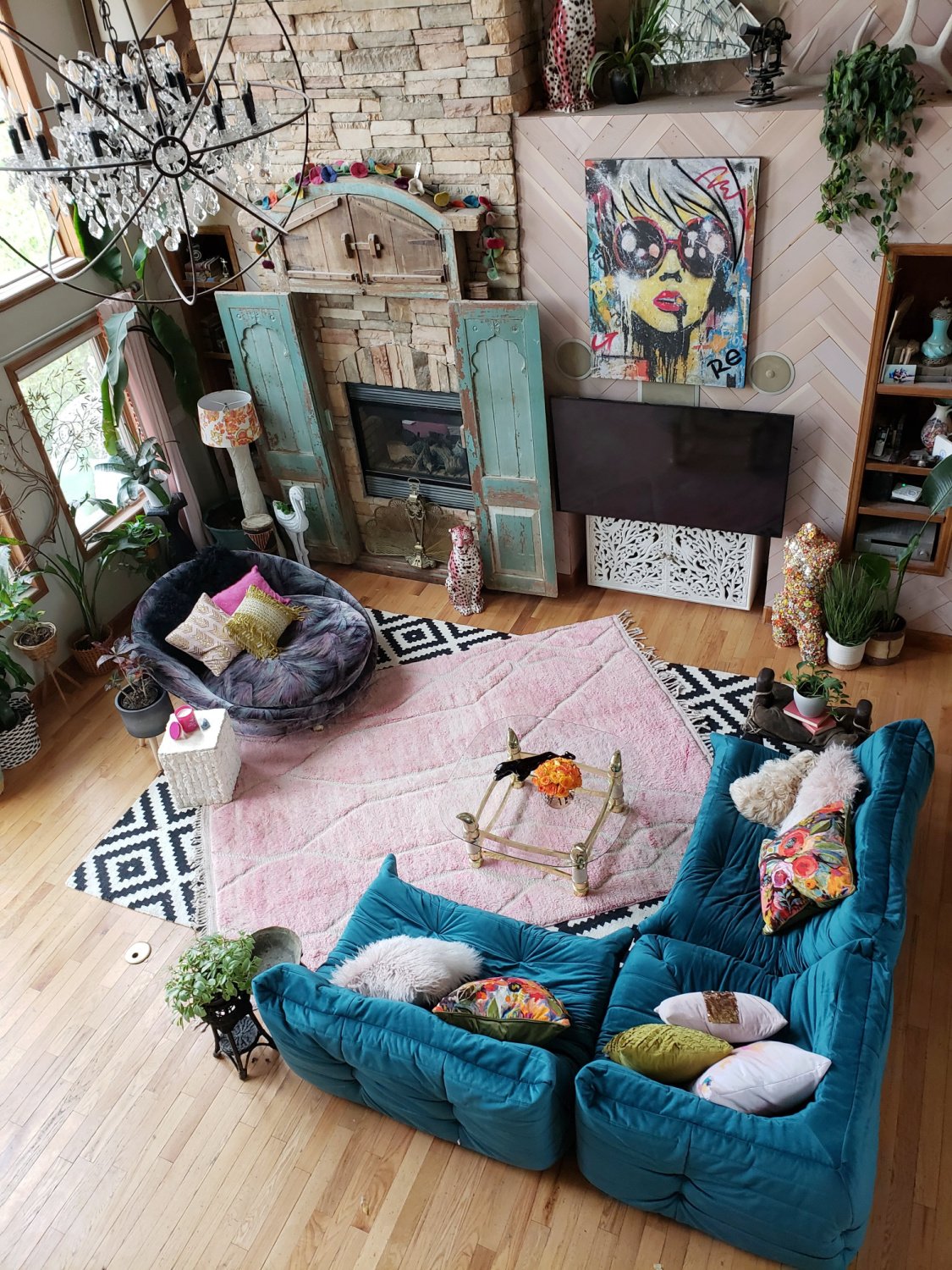
Credit: eclectictwist.com
Arranging Your Rugs
How you position your rugs can change the whole feel of the room. There are several effective ways to arrange layered rugs:
Classic Center
Place the top rug directly in the middle of the base rug. This works well when both rugs are rectangular.
Offset Layering
Shift the top rug slightly to one side. This creates a relaxed, modern vibe and works well with irregular-shaped rugs or when you want to highlight a specific area.
Diagonal Placement
Angle the top rug diagonally over the base. This adds energy and movement to the room, especially if your furniture is arranged in a square or rectangle.
Zoning
Use a smaller top rug to define a reading nook or play area within the larger living space. This is great for open-concept homes.
| Arrangement Style | Best For | Visual Effect |
|---|---|---|
| Classic Center | Formal living rooms | Balanced, symmetrical |
| Offset Layering | Casual, eclectic rooms | Dynamic, informal |
| Diagonal Placement | Modern, bold looks | Energetic, playful |
| Zoning | Open floor plans | Divided, purposeful |
Practical Tips For Success
Use A Rug Pad
One overlooked tip is to always use a rug pad under the base rug. This prevents slipping and extends the life of your rugs. For layered rugs, you may need to cut a smaller pad for the top layer.
Secure The Top Rug
If you notice the top rug sliding, use double-sided rug tape at the corners. This is especially helpful in high-traffic areas.
Consider Foot Traffic
In busy homes, choose durable materials like wool or synthetic blends for the top rug. These stand up better to shoes, kids, and pets.
Keep It Proportional
Don’t crowd the space with too many layers. Two is usually enough. For very large rooms, three layers can work, but only if the patterns and colors are carefully chosen.
Clean Regularly
Layered rugs can trap more dust and dirt. Vacuum both layers, lifting the top rug every week or two to clean underneath.
Common Mistakes To Avoid
- Layering rugs of the same color and texture: This can look flat and uninteresting.
- Using a slippery base rug: Rugs like silk or viscose can make the top rug slide around.
- Ignoring room size: In small rooms, choose thinner rugs to avoid a bulky look.
- Not considering allergies: Some materials (like shag or sheepskin) can hold more dust.
- Skipping the rug pad: This often leads to bunching and uneven layers.
Real-life Examples
- A large jute rug as a base with a smaller colorful kilim on top creates a boho vibe.
- For a cozy reading nook, layer a round sheepskin rug over a rectangular wool base.
- In modern spaces, a simple gray wool rug under a geometric-patterned area rug adds depth without overwhelming the senses.
Designers often use these combos to give model homes a lived-in, luxurious feel. Pay attention next time you see staged interiors—they almost always use layered rugs for visual interest.
How To Layer Rugs On Carpet
Many people think you can only layer rugs on hard floors, but it’s also possible over carpet. The trick is to use a low-pile carpet as your base and add a heavier, patterned rug on top. This helps define the living area and brings in style, especially in rentals where you can’t change the carpet.
Budget-friendly Layering
Layering doesn’t have to be expensive. Look for affordable base rugs (like flat-weave or natural fiber) and splurge on a smaller statement rug if you want. Vintage shops, online marketplaces, and even outdoor rugs can work well for layering.
Pro tip: If your budget is tight, try layering two inexpensive rugs in similar colors but different patterns. The effect can be just as striking as designer options.
When To Break The Rules
Design is personal. Sometimes, breaking the “rules” leads to the most memorable rooms. For example, try layering a round rug over a square one, or mix two very bold patterns if you love drama. The most important thing is that your living room feels comfortable and reflects your taste.
Frequently Asked Questions
How Do I Keep Layered Rugs From Slipping?
Use a rug pad under the base rug for grip. For the top rug, double-sided rug tape or non-slip pads at the corners will help keep everything in place.
Can I Layer Rugs On Carpet?
Yes, you can. Choose a low-pile carpet as your base and add a thick or patterned rug on top to define the area. This technique works well in rentals or apartments.
What Size Should The Top Rug Be?
The top rug should be smaller than the base, usually about two-thirds the size. For example, place a 5×8 ft rug on top of an 8×10 ft base.
Is It Okay To Mix Different Rug Materials?
Absolutely! Mixing materials like jute and wool adds texture and interest. Just make sure the top rug is not too thick, or it may not lay flat.
Where Can I Find More Inspiration For Layered Rugs?
Check interior design magazines, Pinterest, or sites like Architectural Digest for real-life examples and creative ideas.
Layering rugs is an easy way to refresh your living room and express your style. With a bit of planning, smart choices, and a willingness to experiment, you’ll create a space that feels both stylish and welcoming. Don’t be afraid to try new combinations—sometimes, the most unexpected pairings look the best.
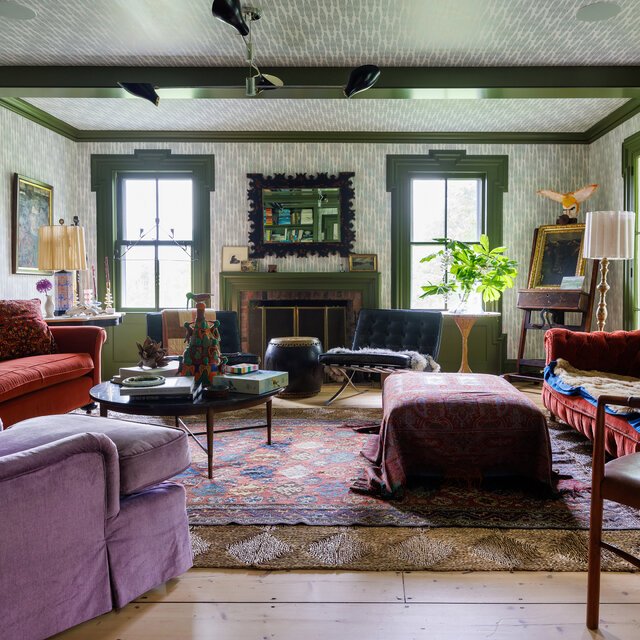
Credit: www.nytimes.com