
Painting an accent wall is one of the simplest ways to change the look and feel of any room. With just a few tools and a fresh coat of paint, you can create a stunning focal point that reflects your personality.
However, many people rush the process or miss key steps, leading to uneven lines, patchy coverage, or a disappointing result. This guide will show you exactly how to paint an accent wall step by step—so you get a professional finish, even if you’re a beginner.
What Is An Accent Wall And Why Choose One?
An accent wall is a single wall in a room painted a different color or decorated differently from the others. It draws attention and adds visual interest. Homeowners and designers love accent walls because they can:
- Highlight a specific area, like a fireplace or bed
- Add color without overwhelming a space
- Make a room feel larger or cozier, depending on color choice
- Update a room with little effort or cost
For example, a rich blue accent wall in a white bedroom can make the space feel modern and sophisticated. In small rooms, a lighter accent wall can open up the area, while a deep tone adds warmth to large rooms.
Planning Your Accent Wall
Before you start, good planning is essential. Many people make mistakes by choosing the wrong wall or color. Here’s how to avoid common problems.
1. Selecting The Right Wall
Not all walls are good for accents. Pick a wall that naturally catches your eye when you walk in. It’s usually:
- The wall behind a bed’s headboard
- A wall with a fireplace or large window
- The main wall in a dining or living room
Avoid walls with many doors or windows, as these can break up the color and lessen the effect.
2. Picking The Perfect Color
Think about the mood you want. Bright colors like yellow or teal make a space energetic, while dark shades like navy or charcoal add drama. Consider these tips:
- Match the accent color to items in the room (like a rug or art)
- Try sample paints before deciding
- Lighter colors make rooms feel bigger; darker colors create intimacy
If you’re unsure, look at color psychology. For example, blue promotes calm, while red adds excitement.
3. Measuring Your Wall
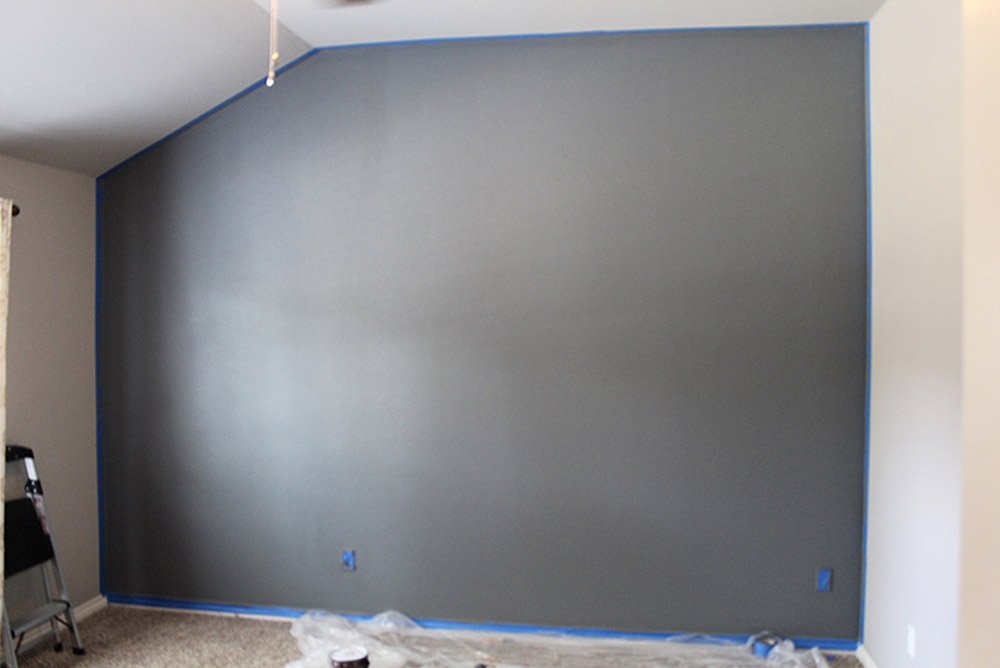
Measure the length and height of the wall to estimate how much paint you need. Most accent walls only require one gallon of paint, but always check the coverage information on the can. Buying a bit extra is smart for touch-ups.
Credit: www.homedepot.com
Gathering Supplies And Tools
Having the right tools makes the job easier and the finish better. You’ll need:
- High-quality interior paint (preferably low-VOC for health)
- Primer (if covering dark colors or new drywall)
- Painter’s tape (get the best you can afford)
- Drop cloths or old sheets
- Paint roller and tray
- Angled paint brush
- Small step ladder
- Sandpaper (medium and fine grit)
- Putty knife and spackle
- Clean rags or sponge
- Level or laser level (for sharp lines)
Extra tip: Cheap tape or brushes often lead to leaks and brush marks. Investing a bit more saves frustration later.
Preparing The Room And Wall
Preparation is the step many skip, but it’s the secret to a crisp, beautiful accent wall.
1. Protect Your Space
Move furniture away from the wall. Cover the floor and any remaining items with drop cloths. Remove light switch covers, outlet plates, and wall art.
2. Clean And Repair The Wall
Wipe the wall with a damp sponge to remove dust and dirt. Fill any holes or cracks with spackle using the putty knife. Once dry, sand the patched spots until smooth.
3. Sand For A Smooth Finish
Even if your wall looks fine, a quick sanding (especially on glossy paint) helps the new paint stick. Wipe away sanding dust with a clean, damp cloth.
4. Tape Edges Carefully
Apply painter’s tape along the ceiling, baseboards, and adjoining walls. Press the tape down firmly with a putty knife or credit card for a tight seal. This prevents paint from bleeding under the tape.
Pro tip: If you want a super-sharp line, paint a thin line of the base wall color over the tape edge first. This seals the tape, so your accent color won’t leak through.
Credit: www.makinghomebase.com
Priming The Wall
Not all accent walls need primer, but it’s wise if:
- You’re painting over a dark or bright color
- The wall is stained or has patched areas
- The surface is new drywall
Apply one coat of primer and let it dry fully. Primer gives you a uniform base so your accent color appears even and rich.
Painting Your Accent Wall: Step-by-step
Here’s where the transformation happens. Take your time with each stage for the best result.
1. Cutting In The Edges
Start by pouring paint into the tray. Use an angled brush to “cut in” along the tape, corners, ceiling, and baseboards. Paint a border about 2-3 inches wide. This gives you a buffer area before using the roller.
2. Rolling On The Paint
Dip your roller into the tray and roll off excess. Apply paint to the wall in a “W” or “M” pattern, then fill in the spaces. This method avoids roller marks and spreads the paint evenly.
For best results:
- Work in small sections
- Overlap each stroke slightly
- Don’t press too hard on the roller
3. Let It Dry, Then Add A Second Coat
Most accent walls need two coats for full coverage and a rich color. Let the first coat dry completely (usually 2-4 hours) before applying the second. Read the paint can for exact dry times.
4. Remove Tape At The Right Time
Peel off painter’s tape while the paint is still slightly damp. Pull it back at a 45-degree angle for a clean edge. If the paint is dry, use a sharp blade to score along the tape before removing.
5. Touch Up Any Spots
Use a small brush to fix any missed spots or bleed-through. Keep some extra paint sealed for future touch-ups.
Comparing Paint Finishes For Accent Walls
Choosing the right finish affects how your wall looks and cleans up. Here’s a quick comparison:
| Finish | Look | Best For | Cleanability |
|---|---|---|---|
| Matte/Flat | Non-reflective, soft | Bedrooms, low-traffic areas | Poor (shows marks) |
| Eggshell | Slight sheen | Living rooms, dining rooms | Moderate |
| Satin | Smooth, subtle shine | Hallways, accent walls | Good |
| Semi-gloss | Shiny, reflective | Bathrooms, kitchens | Excellent |
Eggshell or satin finishes are usually ideal for accent walls. They highlight color without showing too many imperfections.
Common Mistakes And How To Avoid Them
Many beginners make similar errors. Knowing them saves you time and effort.
- Skipping wall prep – Dirt, holes, or gloss will make the paint look uneven or peel.
- Poor taping – Loose tape lets paint bleed, ruining sharp lines.
- Not using primer – This leads to blotchy color or stains showing through.
- Rushing coats – Painting a second coat before the first dries causes smudging.
- Cheap tools – Low-quality brushes and rollers leave streaks or loose fibers.
- Choosing the wrong wall – An accent wall hidden by furniture loses its impact.
Remember, most paint problems are fixable, but good prep avoids them altogether.
How To Maintain Your Accent Wall
Once your accent wall is dry and the room is put back together, you want to keep it looking fresh. Here’s how:
- Dust the wall regularly with a microfiber cloth.
- For stains or marks, gently wipe with a damp sponge.
- Keep leftover paint sealed and labeled for quick touch-ups.
- If you use nails or hooks, patch and paint the holes to avoid visible marks.
Accent Wall Ideas And Trends
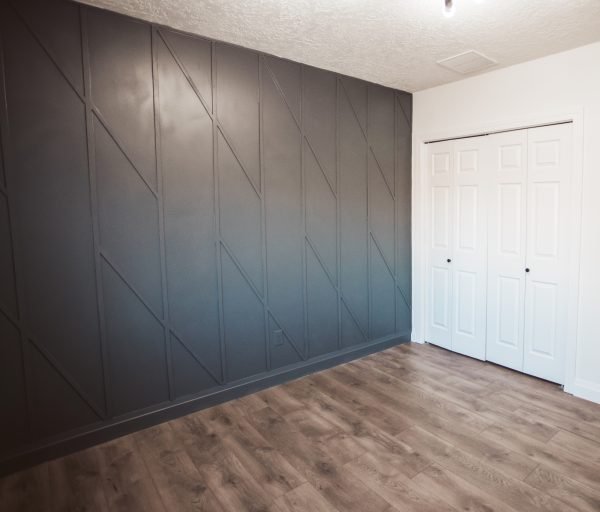
Accent walls don’t have to be just a solid color. If you want to get creative:
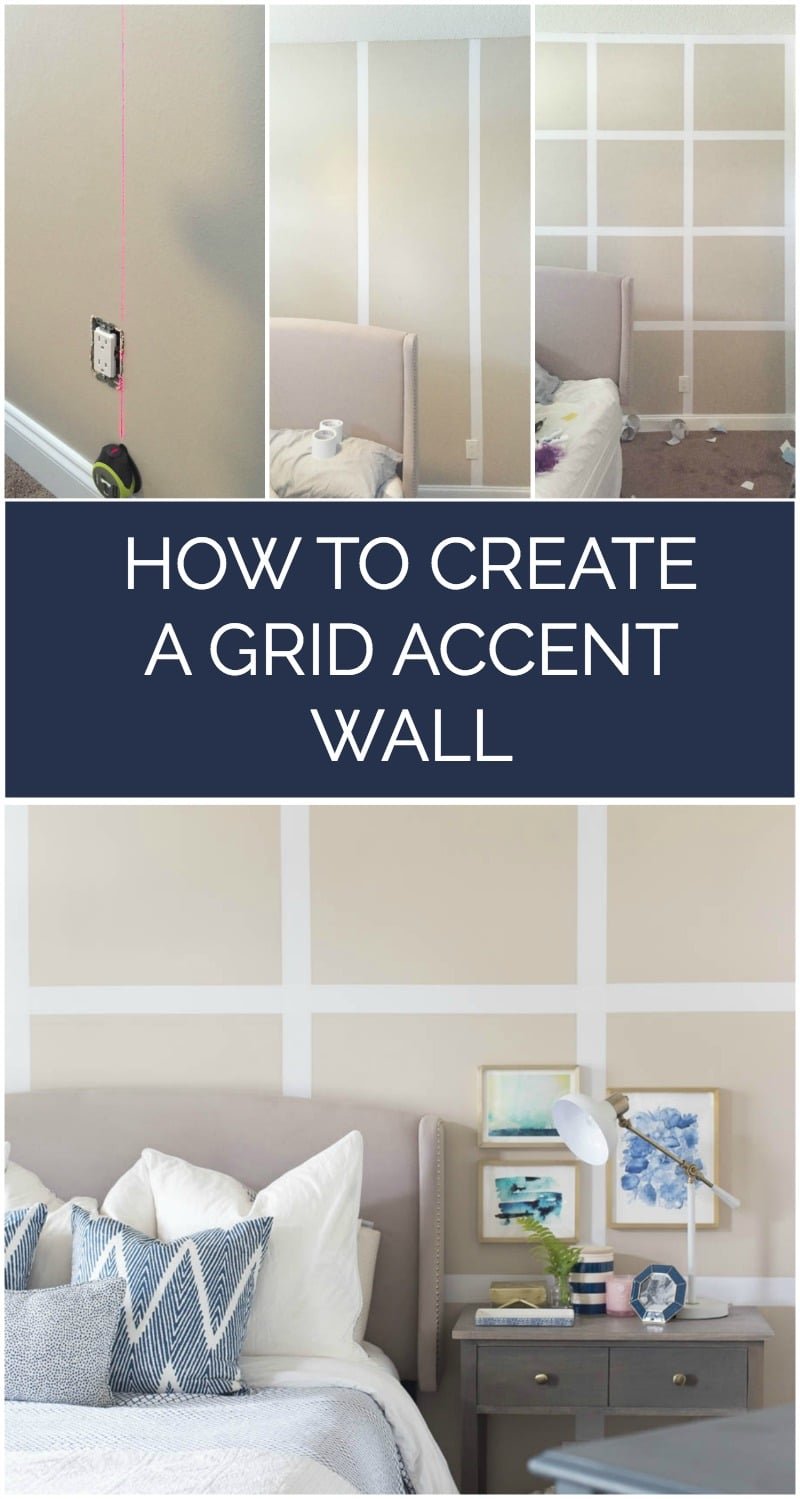
- Try geometric designs using painter’s tape for clean lines.
- Add a wallpaper accent for patterns and texture.
- Use two-tones or ombre effects for a unique look.
- Paint a mural or stencil a design for a custom touch.
For more inspiration, check out Houzz’s accent wall gallery.
Credit: woodgrain.com
Cost And Time Estimates
How long and how much does it really take? Here’s a breakdown for a typical accent wall (about 10 x 8 feet):
| Step | Time Needed | Estimated Cost |
|---|---|---|
| Prep (clean, tape, repair) | 1-2 hours | $15 (tape, sandpaper, spackle) |
| Painting (2 coats) | 2-3 hours (plus drying) | $30-$60 (paint, roller, brush) |
| Finishing (remove tape, touch-ups) | 30 minutes | $0 |
| Total | 3-6 hours | $45-$75 |
Costs vary by paint brand and wall size. Labor is free if you do it yourself!
Step-by-step Summary
Here’s a quick checklist for reference:
- Choose the right wall and color
- Gather supplies and tools
- Move furniture and protect floors
- Clean, repair, and sand the wall
- Tape edges for clean lines
- Prime if needed
- Cut in edges with a brush
- Roll on paint in two coats
- Remove tape carefully
- Touch up any spots
- Clean up and enjoy your new accent wall
Frequently Asked Questions
What Type Of Paint Is Best For Accent Walls?
The best type is high-quality interior latex paint with an eggshell or satin finish. These are durable, easy to clean, and show color well. Avoid flat paint in high-traffic areas, as it marks easily.
How Do I Choose The Right Color For My Accent Wall?
Look at your room’s decor, lighting, and mood you want to create. Test a few samples on your wall and observe them at different times of day. Choose a color that matches or complements your existing furniture and decorations.
Can I Paint An Accent Wall Over Wallpaper?
It’s best to remove wallpaper first. Painting over wallpaper can lead to peeling and an uneven finish. If removal isn’t possible, use a strong primer designed for covering wallpaper, but results may not be perfect.
Do I Need To Paint The Entire Wall, Or Can I Do A Partial Accent?
Accent walls can be full or partial. Some people paint just a section, like behind a TV or bed, or use shapes and blocks of color. Use painter’s tape for clean edges on partial designs.
How Long Should I Wait Before Putting Furniture Back?
Let the paint dry at least 24 hours before moving furniture back. For heavy items or if you live in a humid climate, wait 48 hours to avoid smudges or marks.
Painting an accent wall is a rewarding project. With careful planning, good tools, and these step-by-step instructions, you’ll create a space that feels fresh, modern, and uniquely yours. If you want to dive deeper into color theory or advanced techniques, visit This Old House for more expert tips. Enjoy your new accent wall!
