
Oil stains on bed sheets are a common headache. Whether it’s body oil, hair oil, massage oil, or even food spills, these stains can make your fresh sheets look dirty and old. Many people think oil stains are impossible to remove, especially after washing.
But with the right steps, you can bring your sheets back to their best. Let’s explore practical ways to get oil stains out of bed sheets, including tips that even experienced cleaners sometimes miss.
Why Oil Stains Are So Stubborn
Oil stains are different from other marks like coffee or blood. Oil doesn’t mix with water, so regular washing often leaves a greasy patch. Over time, these stains attract dirt and can turn yellow or brown. The key is to break down the oil before it sets in or gets baked by heat.
Act Fast: The Sooner, The Better
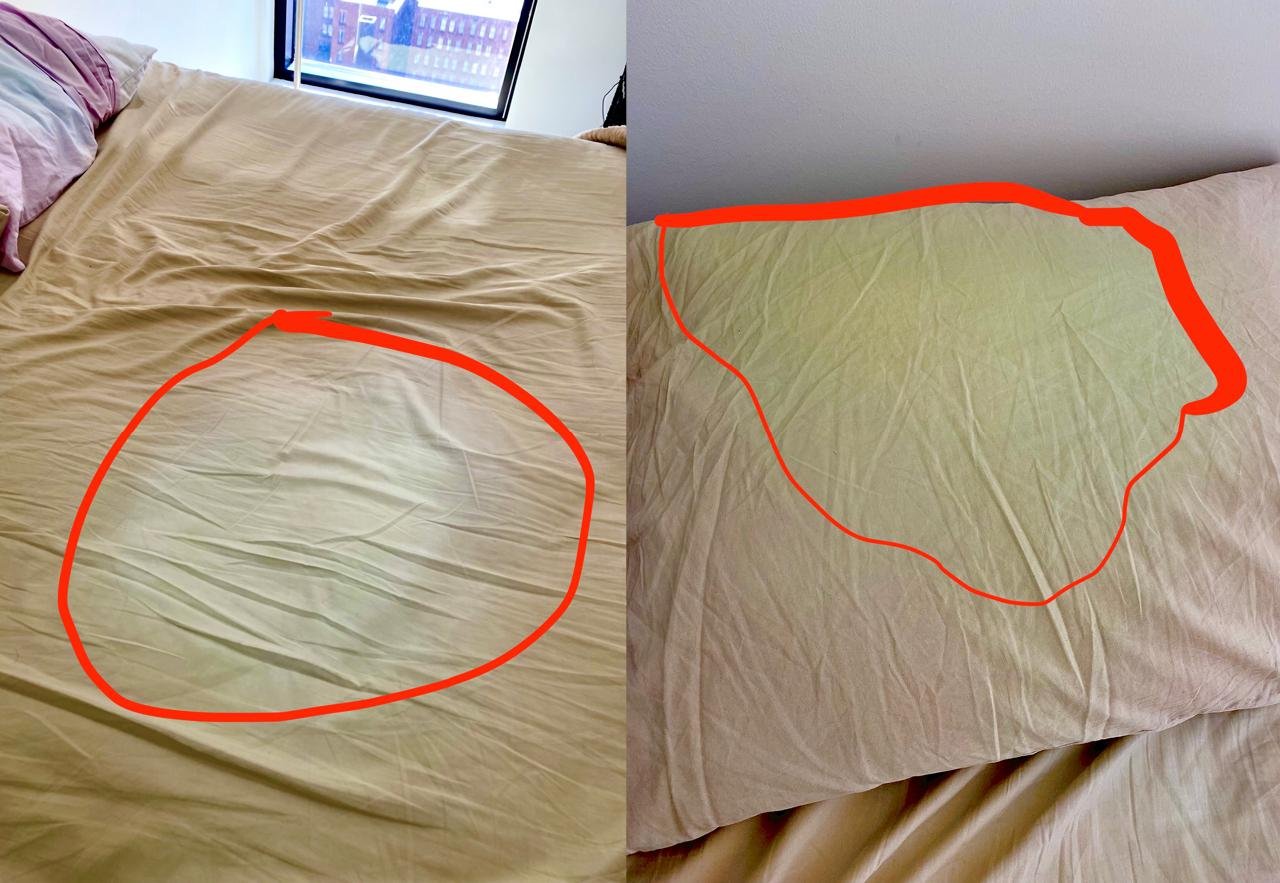
The faster you treat an oil stain, the better your chances are. Fresh stains are much easier to remove. If you notice the stain right away, blot up any extra oil with a paper towel or clean cloth. Avoid rubbing, as this pushes the oil deeper into the fabric.
Credit: www.reddit.com
Pre-treatment: What You Need
Before you wash, you need to break up the oil. Here are some common and effective pre-treatments:
- Dish soap (especially brands made for grease)
- Baking soda
- Cornstarch or baby powder
- Laundry detergent (liquid, enzyme-based is best)
- Hydrogen peroxide (for white or colorfast sheets)
- White vinegar
- Old toothbrush or soft brush
You don’t need all these at once. The best treatment depends on the stain’s age, size, and the type of sheet.
Step-by-step Guide: Removing Oil Stains
Let’s break down the process into clear steps.
1. Blot The Excess
Use a dry paper towel or cloth to gently blot up as much oil as possible. Do not rub.
2. Absorb The Oil
Sprinkle baking soda or cornstarch on the stain. Let it sit for 15-30 minutes. This powder pulls oil out of the fabric. Afterward, brush or shake off the powder.
3. Apply A Grease-cutting Agent
Put a few drops of dish soap or liquid laundry detergent directly on the stain. Dish soap is specially made to break up grease. Gently rub it in with your fingers or a soft brush. Let it sit for 10-15 minutes.
4. Rinse With Warm Water
Rinse the treated area with warm water to help lift the oil and soap.
5. Wash With Hot Water (if Safe)
Check the care label on your sheets. Cotton and polyester usually handle hot water. Wash the sheet in the hottest water safe for the fabric, using your regular detergent. Add a scoop of oxygen bleach for extra power (not chlorine bleach, unless the sheet is pure white and bleach-safe).
6. Air Dry And Inspect
Do not put the sheet in the dryer until you’re sure the stain is gone. Heat can set oil stains, making them permanent. Air dry and check the stain. If it’s still there, repeat the process.
7. For Stubborn Stains
If the stain remains, try a mix of hydrogen peroxide and baking soda for white sheets, or a commercial stain remover. Always test a small, hidden area first to avoid damage.
Comparing Oil Stain Removers
Here’s how common stain removers compare for oil stains on bed sheets:
| Stain Remover | Best For | Effectiveness | Safe for Colors? |
|---|---|---|---|
| Dish Soap | Fresh stains | High | Yes |
| Baking Soda | Absorbing excess oil | Medium | Yes |
| Hydrogen Peroxide | White sheets | High | No |
| Commercial Remover | Set-in stains | High | Check label |
How Different Oils Affect Sheets
Not all oil stains are equal. Here’s a look at how various oils commonly end up on sheets and how hard they are to remove:
| Type of Oil | Common Source | Stain Difficulty |
|---|---|---|
| Body Oil | Natural skin oils | Medium |
| Hair Oil | Leave-in conditioners, serums | High |
| Massage Oil | Therapeutic treatments | High |
| Cooking Oil | Eating in bed | Medium |
| Makeup Oil | Face creams, cleansers | Low-Medium |
Hair and massage oils are usually harder to remove. They often contain silicone or mineral oils, which resist water and detergents. For these, use a pre-treatment and repeat the process if needed.
Special Tips For Different Fabrics
Not all sheets are the same. Here’s how to handle the most common types:
Cotton
Cotton sheets are durable and handle hot water. You can use most stain treatments without worry. Just avoid too much scrubbing, which can wear the fabric.
Linen
Linen is strong but can shrink in hot water. Use warm water and gentle handling. Air dry for best results.
Microfiber/polyester
These fabrics can trap oil but usually handle most treatments well. Avoid high heat, as it can melt fibers. Cold or warm water works best.
Silk
Silk sheets are delicate. Do not use hydrogen peroxide, harsh chemicals, or hot water. Stick with mild dish soap and cold water. Blot, don’t rub.
What To Avoid
Many people make mistakes that set the stain or damage sheets. Here are the main things to avoid:
- Rubbing the stain: This spreads oil and damages fibers.
- Using hot water on silk or wool: Causes shrinkage and damage.
- Putting sheets in the dryer before the stain is out: Sets the stain permanently.
- Bleach on colored sheets: Causes fading or uneven color.
How Long Do Oil Stains Take To Remove?
Results vary. Fresh stains may disappear after one wash. Older, set-in stains might need two or three treatments. Be patient and repeat the steps if needed. Persistence is key.
How Often Should You Wash Sheets To Prevent Oil Stains?
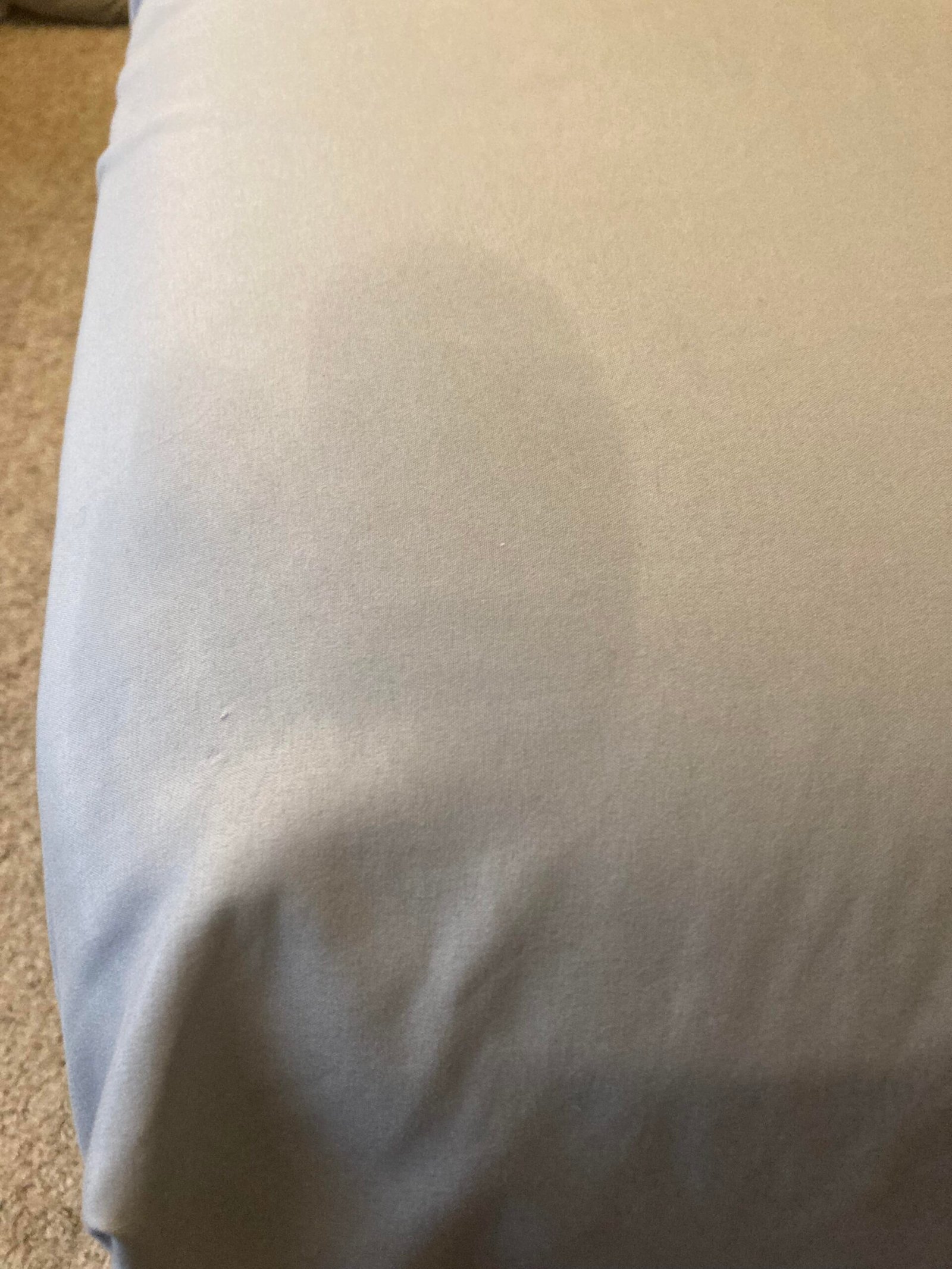
Experts suggest washing bed sheets at least once a week. If you use heavy body lotions, oils, or hair products, consider washing every three to four days. Clean pillowcases even more often, as they collect the most oil.
Credit: www.reddit.com
Extra Tips For Lasting Cleanliness
- Shower before bed if you use body or hair oil.
- Place a towel over your pillow if you apply oils at night.
- Use a mattress protector to keep oils from reaching your mattress.
- For regular oil users, choose sheets in colors and fabrics that wash well.
Real-life Example
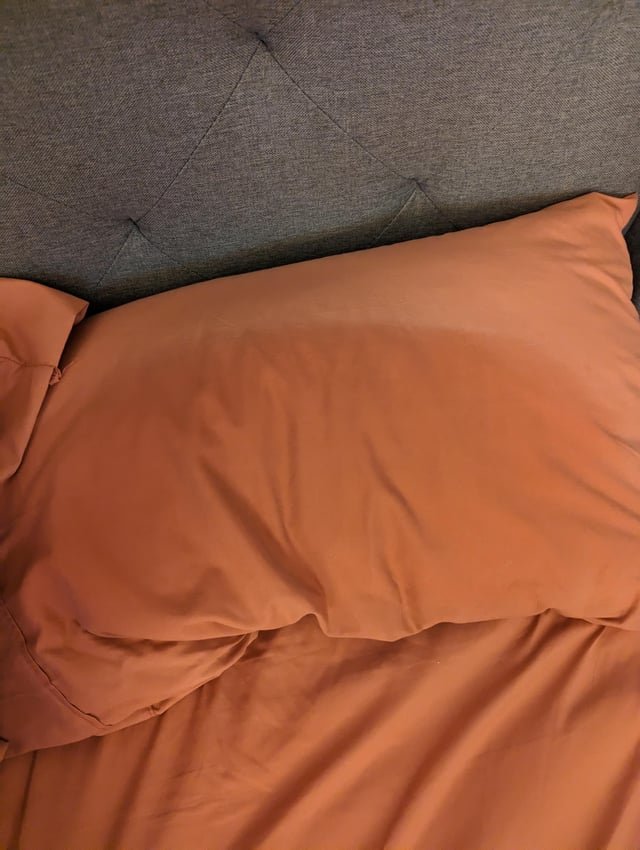
Emma, a massage therapist, struggled with oil stains on her white cotton sheets. At first, she washed them as usual, but the stains stayed. After switching to a pre-treatment with baking soda, followed by dish soap and a hot wash, her sheets looked almost new. She now treats stains as soon as possible and always air dries first. Her tip: “Don’t give up after the first try. Some oils are stubborn, but patience works.”
Credit: www.reddit.com
Comparing Washing Methods
Let’s compare washing by hand vs. machine for oil stains:
| Method | Best For | Time Needed | Effectiveness |
|---|---|---|---|
| Hand Washing | Delicate fabrics, small stains | 10-30 minutes | Medium-High |
| Machine Washing | Cotton, large stains | 40-90 minutes | High |
Hand washing gives you control and works well for silk or single spots. Machine washing is better for full-sheet stains but always pre-treat first.
Non-obvious Insights Most People Miss
- Air drying is vital: Heat from the dryer often sets oil stains. Always air dry and check before using heat.
- Use enzyme detergents: These break down oils better than regular detergents. Look for “enzymatic” or “for tough stains” on the label.
Many people skip these steps and wonder why stains never fully go away.
When To Seek Professional Help
If you’ve repeated treatments and the stain is still there, or if the sheets are expensive (like silk), take them to a professional cleaner. They have special solvents and methods that can save your sheets.
Frequently Asked Questions
How Do You Remove Old Oil Stains From Bed Sheets?
Old oil stains are harder but not impossible. Scrape off any residue, sprinkle baking soda, let it sit, brush off, apply dish soap, and wash with hot water. Repeat if needed.
Can I Use Bleach To Remove Oil Stains?
Only use oxygen bleach on white or colorfast sheets. Do not use chlorine bleach on colored fabrics as it can ruin them.
Will Vinegar Remove Oil Stains From Sheets?
White vinegar can help, but it’s best combined with baking soda or dish soap. It’s not as strong on its own for oil, but it helps break down residue and deodorize.
Is It Safe To Use Hydrogen Peroxide On Colored Sheets?
Hydrogen peroxide can fade or bleach colored fabrics. Test a small area first or use it only on white sheets.
What If The Oil Stain Won’t Come Out After Several Washes?
Try a commercial enzyme-based stain remover or consult a professional cleaner. Sometimes, set-in stains need special attention. For more details, check advice from the Good Housekeeping Institute.
Getting oil stains out of bed sheets takes patience, the right products, and a gentle touch. Act fast, use the right treatments for your fabric, and don’t give up if the stain is stubborn. With these tips, your sheets can stay clean, fresh, and comfortable for years to come.