
Choosing the right duvet tog rating is more than just a detail—it can make the difference between restful sleep and tossing and turning all night. Many people buy a duvet because it looks nice or is on sale, but they often ignore the tog rating. That’s a mistake. The tog rating tells you how warm the duvet will feel and whether it will suit the changing seasons. In this guide, you’ll learn everything you need to know to pick the best duvet tog rating for every season, so you can enjoy deep, comfortable sleep all year round.
What Is Duvet Tog Rating?
The tog rating measures how well a duvet insulates heat. In simple words, it tells you how warm the duvet will keep you. The higher the tog rating, the warmer the duvet. For example, a 4.5 tog duvet is much lighter and cooler than a 13.5 tog duvet.
Many people think tog rating is about thickness, but this is not always true. Some thin duvets with modern fillings can keep you warmer than thick old ones. Tog rating is a scientific measure, not just a guess based on touch.
How Tog Ratings Are Tested
To get a tog rating, duvets are tested in a lab. Experts measure how much heat passes through the material and how much stays trapped inside. This test gives a number—like 4. 5, 7. 5, or 13. 5—which becomes the duvet’s tog rating.
Duvet Tog Ratings And Seasonal Needs
Seasons change, and so does the temperature in your bedroom. Choosing the wrong duvet tog for the season can make you sweat in summer or shiver in winter. Here’s how tog ratings usually match up with the seasons:
| Season | Recommended Tog Rating | Room Temperature (°C) |
|---|---|---|
| Summer | 2.5 – 4.5 tog | 18 – 22°C |
| Spring/Autumn | 7.5 – 10.5 tog | 15 – 19°C |
| Winter | 12 – 15 tog | Below 15°C |
Remember, these are general suggestions. Some people feel cold easily, while others are warm even in winter. That’s why it’s important to know your own needs.

Credit: fadfay.com
How To Choose The Right Duvet Tog For Each Season
Let’s look at each season and what tog rating works best.
Summer Duvets
During summer, nights can be hot and sticky. A high tog duvet will make you uncomfortable and sweaty. For most people, a 2.5 to 4.5 tog duvet is best. This type is light and breathable. If your home is well-insulated or you live in a city apartment, a 2.5 tog might be enough.
Example
If your bedroom regularly stays above 20°C at night, you’ll likely sleep best with a 2.5 or 3 tog duvet. But if you sometimes use a fan or air conditioning, a 4.5 tog may be more comfortable.
Common Mistake
Many people try to use their medium or winter duvet all year. This often leads to poor sleep and waking up sweaty. Switch to a summer duvet as soon as temperatures rise.
Spring And Autumn Duvets
In spring and autumn, nights are usually cooler, but not freezing. A 7.5 to 10.5 tog duvet is a good choice. It provides warmth without overheating.
Example
If your room temperature drops to about 16–18°C at night, a 9 tog duvet will keep you just right. If you tend to feel cold, go for the higher end—10.5 tog.
Practical Tip
Some people use a duvet with a removable layer, so they can add or remove warmth as the weather changes. This is a smart way to avoid buying too many duvets.
Winter Duvets
When winter arrives and your house gets cold, a thicker, warmer duvet is essential. A 12 to 15 tog duvet is the usual choice for winter.
Example
If your home is old and drafty, or if you turn off the heating at night, a 13.5 tog duvet will keep you warm. For very cold climates or people who feel cold easily, a 15 tog duvet might be necessary.
Non-obvious Insight
Don’t forget, your pajamas and blankets also add warmth. If you wear heavy pajamas or use extra throws, you might not need the highest tog rating.
The All-season Duvet: Flexible Solution
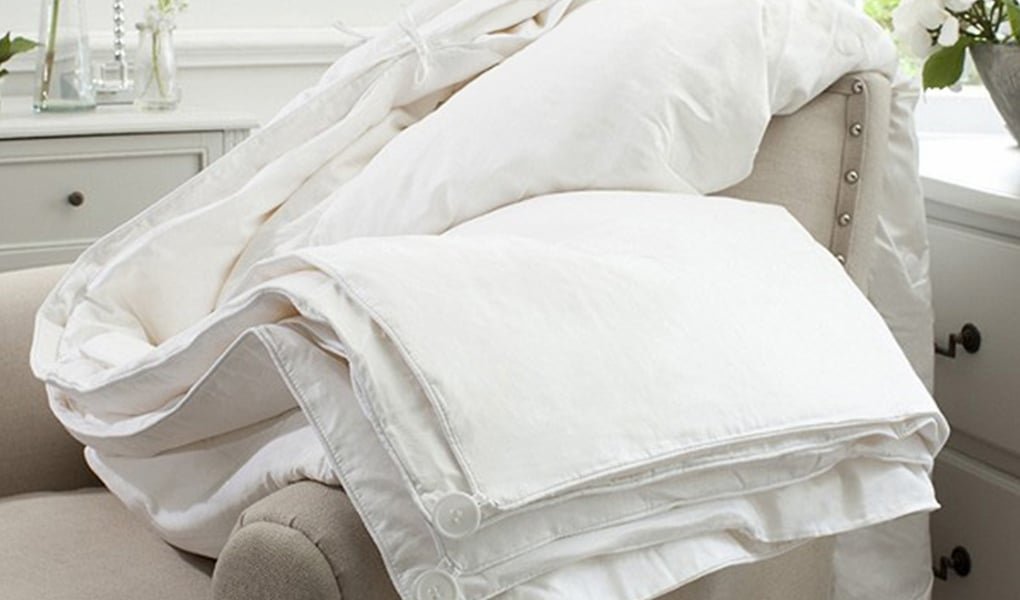
Many people now use an all-season duvet. This is usually two duvets—one light (4.5 tog) and one medium (9 tog)—that can be used separately or combined. In summer, use the light one. In autumn and spring, use the medium one. In winter, fasten both together for maximum warmth.
| All-Season Duvet Combination | Total Tog Rating |
|---|---|
| Light (4.5) only | 4.5 tog |
| Medium (9) only | 9 tog |
| Both combined | 13.5 tog |
This option is more expensive at first, but it can save money and storage space over time.
Credit: www.ellesilk.com
Factors That Affect Your Ideal Tog Rating
Choosing a duvet isn’t just about outside weather. These personal factors matter too:
1. Room Temperature
Always check the typical temperature of your bedroom at night. Use a thermometer for a few days to see the real average. This is more accurate than guessing based on the season.
2. Personal Warmth
Some people are “hot sleepers,” while others are always cold. If you sweat easily, go for a lower tog. If you’re chilly, choose a higher tog.
3. Sleeping Alone Or With A Partner
If you share your bed, you both may have different warmth needs. Sometimes, couples use two single duvets with different tog ratings instead of one large duvet. This avoids arguments and keeps both people comfortable.
4. Type Of Filling
The filling affects how warm the duvet feels at the same tog rating. For example, down and feather duvets feel lighter and warmer, while synthetic duvets may feel heavier but less cozy. Wool duvets can regulate temperature well, helping you stay warm or cool as needed.
5. Allergies
If you have allergies, choose a hypoallergenic filling. Synthetic duvets are often best for this. They may feel slightly different from down but are easier to wash and maintain.
6. Age
Babies and young children need lower tog duvets, usually not more than 4. 5 tog, to avoid overheating. Older adults may need higher togs in winter as they feel cold more easily.
Duvet Tog Ratings By Age And Needs
To help you choose, see the suggestions below for different people:
| User | Recommended Tog Rating | Special Considerations |
|---|---|---|
| Babies (under 1 year) | No duvet | Use blankets or sleep sacks only |
| Young children (1–10 years) | 3 – 4.5 tog | Lightweight to avoid overheating |
| Teens/Adults | 7.5 – 13.5 tog | Match to room temperature and comfort |
| Older adults | 10.5 – 15 tog | May need extra warmth in winter |
A common mistake is giving children adult duvets. This can be unsafe and too warm for them.
Practical Tips For Duvet Tog Shopping
- Read the label: Always check the tog rating on the packaging.
- Feel the weight: Some duvets feel heavier or lighter than others, even at the same tog rating.
- Check the filling: Natural fillings (down, feather, wool) usually offer better warmth for the weight, but synthetic fillings are better for allergies.
- Try before you buy: If possible, feel the duvet in-store. Some stores allow you to test them.
- Consider your budget: High-quality duvets with natural fillings cost more but last longer and feel more comfortable.
Non-obvious Insights Beginners Miss
- Central heating changes everything: Homes with good central heating may not need high tog duvets, even in winter. Instead, a medium tog all year can be enough.
- Humidity matters: In humid climates, even a low tog duvet can feel too warm. Look for duvets with moisture-wicking properties.
- Duvet covers add warmth: A thick, heavy duvet cover can increase the overall warmth. Factor this in when choosing your tog rating.
Caring For Your Duvet
A good duvet is an investment. To keep it comfortable for years:
- Fluff regularly to keep the filling even.
- Follow washing instructions—most synthetic duvets are machine-washable, but down duvets often need special care.
- Air out your duvet on sunny days to remove moisture and freshen it up.
- Store properly in a breathable bag when not in use. Never use plastic, as it traps moisture and causes odors.
When To Replace Your Duvet
Even the best duvet doesn’t last forever. Signs it’s time for a new one:
- The filling is flat or lumpy
- It no longer keeps you warm
- There are stains or smells that don’t wash out
- It triggers allergies even after cleaning
Most duvets last 5–10 years with good care. High-quality natural duvets can last even longer.
Credit: www.myza.co
Frequently Asked Questions
What Does Tog Mean In A Duvet?
Tog is a unit that measures thermal insulation. In duvets, it tells you how well the duvet keeps heat in. A higher tog means a warmer duvet.
Can I Use The Same Duvet All Year?
You can, but you might not be comfortable. Most people use a lighter duvet in summer and a warmer one in winter or choose an all-season duvet that can adapt to temperature changes.
What Is The Best Duvet Tog For Children?
For children over one year, a 3 to 4.5 tog duvet is safest. Never use a high tog or heavy duvet for young children, as it can cause overheating.
Do Natural Or Synthetic Duvets Have Different Tog Ratings?
Both natural and synthetic duvets can have any tog rating. However, natural fillings like down usually feel warmer and lighter at the same tog compared to synthetic ones.
How Do I Know If My Duvet Tog Is Right?
If you sleep well without waking up hot or cold, your tog rating is probably right. If you wake up sweating or shivering, try a different tog or switch to an all-season duvet.
Choosing the right duvet tog rating is about more than just numbers on a label. Think about your bedroom, your habits, and your comfort. A well-chosen duvet can improve your sleep and make every night more restful. If you want to learn more about tog ratings and bedding science, check out this resource: Wikipedia: Tog (unit). Make your choice carefully, and enjoy cozy sleep in every season.