
If you’ve ever shopped for bedding, you’ve probably faced a common question: should you use a flat sheet or a fitted sheet—or both? Many people don’t know the real differences, and choosing the wrong sheet can affect your sleep, comfort, and even how easy it is to make your bed. Some people swear by the simplicity of fitted sheets, while others can’t imagine a bed without a flat sheet between them and the blanket. Let’s dive deep into both options, compare their pros and cons, and help you decide which is truly better for your needs.
What Is A Flat Sheet?
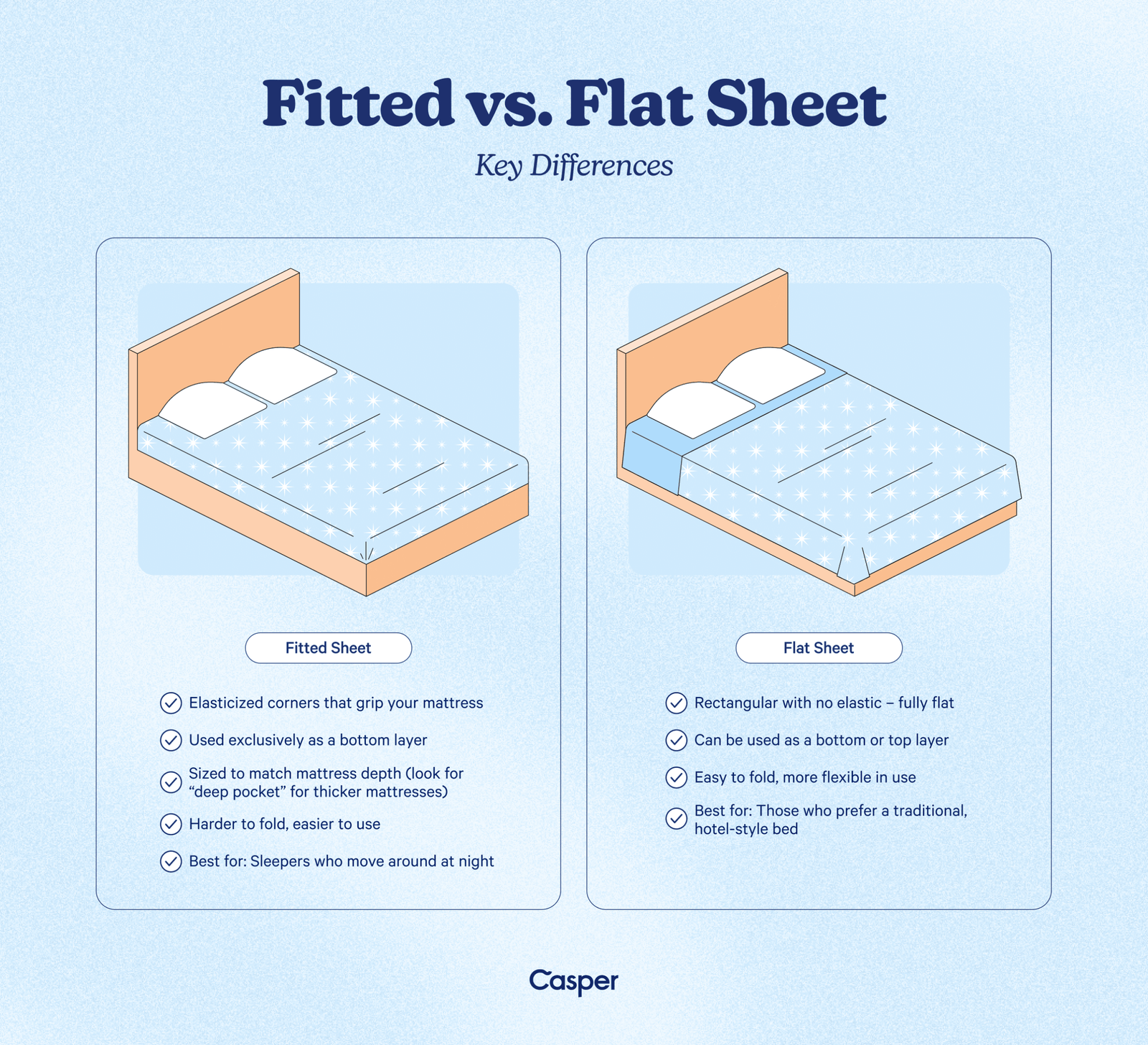
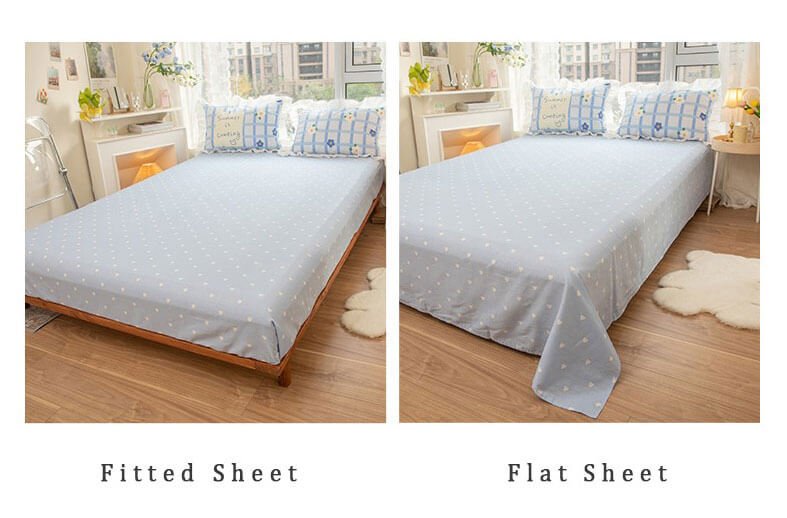
A flat sheet is a rectangular piece of fabric that lies flat on the bed. It’s sometimes called a “top sheet” because it usually sits between you and your blanket or duvet. Flat sheets come in different sizes to match your bed, such as twin, full, queen, and king.
Flat sheets are versatile. They can cover the mattress, act as a barrier between you and heavy blankets, or even be used as a light blanket during hot nights. Some people use them for extra warmth or to protect their comforters from sweat and body oils.
What Is A Fitted Sheet?
A fitted sheet is designed to fit snugly over your mattress. It has elastic corners, which help the sheet stay in place. This sheet is also known as a “bottom sheet” because it is the first layer you put on your mattress.
Fitted sheets are made in standard mattress sizes, but you must check the pocket depth (the height of the sides) to make sure it fits your mattress, especially if you have a thick or pillow-top mattress. The main purpose is to protect the mattress and provide a smooth, comfortable surface to sleep on.
Key Differences Between Flat And Fitted Sheets
Let’s look at the main differences in a clear way. The table below highlights the main features that separate flat and fitted sheets.
| Feature | Flat Sheet | Fitted Sheet |
|---|---|---|
| Shape | Rectangular, no elastic | Rectangular with elastic corners |
| Main Purpose | Barrier between you and blanket | Cover and protect mattress |
| Placement | Above fitted sheet or mattress | Directly on mattress |
| Ease of Use | Can slide off, needs tucking | Stays in place due to elastic |
| Versatility | Multiple uses (light blanket, wrapping) | Single purpose (mattress cover) |
Advantages Of Flat Sheets
Flat sheets have been used for generations. Here’s why some people prefer them:
- Added Comfort: A flat sheet can feel soft and cool against your skin. It adds an extra layer, which can help regulate your body temperature.
- Hygiene: The flat sheet acts as a barrier, keeping your blanket or duvet cleaner for longer. You can wash the sheet more often than bulky blankets.
- Versatility: You can use a flat sheet as a thin blanket in summer, a picnic cloth, or even a quick curtain in a pinch.
- Easy to Fold and Store: Folding a flat sheet is simple, and it takes up less space in your linen closet.
- Custom Tucking: You can tuck a flat sheet tightly or loosely, depending on how you like your bed.
Flat sheets are especially popular in warmer climates, where people use them instead of heavy blankets.
Credit: casper.com
Disadvantages Of Flat Sheets
Flat sheets are not perfect for everyone. Here are a few drawbacks:
- Can Get Messy: Flat sheets often come untucked during the night, especially for restless sleepers.
- Extra Step: Making the bed with a flat sheet takes more time. You have to tuck it in properly.
- Not Essential: In some countries and cultures, people don’t use flat sheets at all. They go straight from the fitted sheet to the duvet.
Advantages Of Fitted Sheets
Fitted sheets are a modern invention that simplifies bed-making. Here’s what makes them popular:
- Stay in Place: The elastic corners grip the mattress, so the sheet doesn’t move around, even if you toss and turn.
- Protects the Mattress: Fitted sheets shield your mattress from sweat, dust, and spills, helping it last longer.
- Quick Bed-Making: It takes just seconds to put on a fitted sheet—no need to master hospital corners.
- Smooth Sleeping Surface: Fitted sheets create a flat, smooth surface, reducing wrinkles and folds that could be uncomfortable.
For busy people or those who dislike making the bed, fitted sheets are a time-saver.
Disadvantages Of Fitted Sheets
Fitted sheets have some downsides too:
- Hard to Fold: The elastic edges make folding fitted sheets tricky. Many people struggle to make them neat.
- Sizing Issues: If the sheet’s pockets are too shallow or deep, it won’t fit well. This can lead to slipping off or bunching up.
- Single Purpose: Fitted sheets are only useful for covering the mattress—they can’t be used as a blanket or for other creative uses.
Which Is Easier To Use?
Ease of use is a key factor for many people. Let’s compare both sheets side by side.
| Aspect | Flat Sheet | Fitted Sheet |
|---|---|---|
| Putting on the bed | Needs precise tucking | Quick, just pull over corners |
| Stays in place | No, may come loose | Yes, holds tight |
| Folding & Storage | Easy to fold flat | Tricky to fold neatly |
| Multiple uses | Yes | No |
If your priority is making the bed quickly and keeping the sheet in place, the fitted sheet is a clear winner. For those who value versatility and easy storage, the flat sheet has the edge.
Credit: southernhomeandhospitality.com
Hygiene And Health
Some people believe that using both flat and fitted sheets is the best way to keep your bed clean. The flat sheet acts as a washable barrier, protecting your duvet or blanket from oils, sweat, and dirt. This means you don’t have to wash heavy bedding as often.
A fitted sheet, on its own, protects the mattress but doesn’t shield your blanket or comforter. If hygiene is important to you, adding a flat sheet may help. According to sleep experts, washing sheets once a week is best for most people, especially if you have allergies or sensitive skin.
Comfort And Sleep Quality
Your sheet choice can affect how well you sleep. Some people find that a flat sheet, tucked in tightly, gives a hotel-like feel and prevents drafts. Others dislike the feeling of being “trapped” and prefer just a fitted sheet with a blanket.
Temperature also matters. Flat sheets are great for layering, letting you adjust warmth through the night. If you get hot or cold easily, this flexibility is a big plus.
However, fitted sheets are often smoother, with fewer wrinkles or folds to disturb your sleep. If you move a lot during the night, a fitted sheet will stay put, ensuring comfort all night.
Cultural Differences
Sheet preferences vary by country. In the United States and much of Europe, both flat and fitted sheets are common. In Scandinavian countries, people often skip the flat sheet and use a duvet cover instead. In Asia, simple bedding sets sometimes include only a fitted sheet and a comforter.
Knowing what’s common in your region can make shopping easier and help you find compatible bedding sets.
Which Sheet Is Better For Kids And Elderly?
Children and elderly people often have special needs. For kids, fitted sheets are best because they stay put—even with a lot of movement. Flat sheets can become tangled or end up on the floor.
For elderly people or those with limited mobility, fitted sheets are easier to put on and remove. This makes changing the bed less of a struggle. However, some elderly people prefer the feel of a flat sheet, especially in warm weather.
Laundry And Care
Washing and folding sheets can be a hassle. Fitted sheets take up more space in the washing machine because of their elastic corners. They also take longer to dry. Flat sheets, on the other hand, dry faster and are easier to iron.
If you want the simplest laundry routine, flat sheets are easier to handle. But if you’re washing for a family and need sheets to stay on the mattress, fitted sheets are worth the extra effort.
Which Is More Durable?
Durability depends on the quality of the fabric and how you care for your sheets. However, fitted sheets often wear out faster around the elastic corners, especially if you wash them often or if the sheet is a tight fit. Flat sheets tend to last longer because they have no elastic and less stress at the edges.
If you want bedding that lasts for years, choose high-quality fabric and follow the care instructions. Replacing fitted sheets more often is common, but it’s a small price for the convenience.
Cost Comparison
Price is important for many people. In general, fitted sheets cost slightly more than flat sheets because of the elastic and the more complex design. However, the price difference is usually small.
Some bedding sets include both sheets, while others sell them separately. If you’re on a tight budget, buying only the sheets you need can save money.
Here’s a quick look at average prices for standard queen-sized sheets:
| Sheet Type | Average Price (USD) | Included in Bedding Sets? |
|---|---|---|
| Flat Sheet | $18 – $35 | Sometimes |
| Fitted Sheet | $20 – $40 | Usually |
Common Mistakes When Choosing Sheets
Beginners often make these mistakes:
- Ignoring mattress depth: Not all fitted sheets fit all mattresses. Measure your mattress height before buying.
- Overlooking fabric type: Cotton is popular, but microfiber, linen, and bamboo are also options. Some fabrics feel cooler or warmer.
- Skipping the flat sheet: If you sweat at night or want to protect your comforter, leaving out the flat sheet can lead to more frequent washing of bulky bedding.
- Not considering allergies: Some sheets are treated to resist dust mites or allergens. If you have allergies, look for “hypoallergenic” options.
Which Is Better: Flat Sheet Or Fitted Sheet?
There’s no single answer. The better sheet depends on your needs, habits, and even your local climate:
- If you want speed and simplicity, the fitted sheet is the winner.
- If you value versatility and hygiene, the flat sheet is hard to beat.
- Many people use both for the best of both worlds.
Before choosing, think about your sleeping style, how often you want to do laundry, and whether you like a tight or loose feel.
Where Experts Stand
Bedding experts usually recommend using both a flat and fitted sheet for maximum comfort and hygiene. However, they agree that the choice is personal. Your comfort is what matters most.
For more information on bedding standards and history, see this Wikipedia article on bed sheets.
Credit: geecomfy.com
Frequently Asked Questions
What Is The Main Purpose Of A Flat Sheet?
The main purpose of a flat sheet is to act as a barrier between you and your blanket or comforter. This helps keep your bedding clean and adds comfort by providing a soft layer.
Do I Need Both A Flat And Fitted Sheet?
No, you don’t have to use both. Many people use only a fitted sheet, especially with modern bedding styles. However, using both offers more hygiene and comfort options.
Why Do Fitted Sheets Come Off The Mattress?
Fitted sheets may slip off if the pocket depth does not match your mattress height. Also, restless sleepers or old elastic can make the sheet slide.
Which Sheet Is Better For Hot Sleepers?
Flat sheets are better for hot sleepers because they allow for layering. You can use only the flat sheet on hot nights and add blankets as needed.
How Often Should I Wash My Sheets?
It’s best to wash your sheets once a week. If you have allergies or sweat a lot, washing more often is recommended for both flat and fitted sheets.
Choosing between a flat sheet and a fitted sheet is a personal decision. Both types have strong points and some weaknesses. Think about your needs, try both, and enjoy better sleep every night.