
Percale Vs Sateen Vs Satin Sheets Difference
If you want better sleep, your bed sheets matter more than you think. The feel of the fabric against your skin, how cool or warm it is, and even how it looks on your bed can change your whole sleeping experience. Many people wonder about the differences between percale, sateen, and satin sheets. These names sound similar, but they create very different beds. Picking the right one can be confusing, especially if you are not a bedding expert. In this article, you will learn exactly what sets percale, sateen, and satin apart—so you can make a smart choice for your comfort, your budget, and your style.
What Makes Sheets Different: The Weave
To understand these types of sheets, you need to know about weave. A fabric’s weave is how its threads cross each other. This affects how the sheet feels, how long it lasts, and how it looks. Percale, sateen, and satin are not materials. They are all weaving methods. You can find them made from cotton, polyester, bamboo, or blends.
- Percale uses a simple, tight weave.
- Sateen uses a special pattern that creates more surface shine.
- Satin uses a weave that gives a very smooth, glossy surface.
The type of fiber matters too, but the weave makes the biggest difference in feel and performance.
Percale Sheets: Crisp And Cool
Percale sheets are known for their coolness and crisp feel. If you like sheets that feel fresh and a little bit like a hotel bed, percale is a great choice.
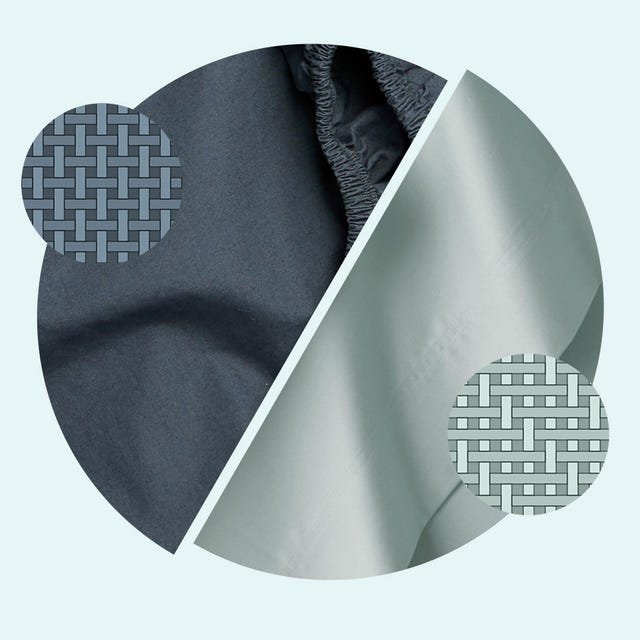
- Weave: Percale is woven with a one-over, one-under pattern. This makes the fabric strong, breathable, and matte (not shiny).
- Material: Usually cotton, but sometimes blends.
- Thread count: Best between 200–400. Too high can make it less breathable.
- Feel: Crisp, lightweight, and cool. Percale sheets “snap” when you fold them.
Percale is loved in warm climates or by people who get hot at night. These sheets are not silky, but they do get softer with every wash.
Non-obvious insight: Many hotel sheets are percale because they last a long time and stand up to heavy washing. If you want that classic hotel bed feel, percale is often the answer.
Sateen Sheets: Soft And Smooth
Sateen sheets offer a silky-smooth touch and a subtle shine. They feel softer and warmer than percale.
- Weave: Sateen uses a one-under, three- or four-over pattern. This means more thread surface is exposed.
- Material: Most often cotton, sometimes with a little polyester.
- Thread count: Good quality starts around 300–600.
- Feel: Smooth, heavy, and drapes well. Sateen sheets have a gentle shine.
Sateen is popular for those who like a soft, cozy bed. The weave makes the sheet slightly heavier and warmer, so it is good for cooler climates or for people who get cold at night.
Non-obvious insight: Sateen sheets can look and feel luxurious for less money than high-end satin. But they can pill (form small balls) if the cotton is not high quality.
Satin Sheets: Glossy And Glamorous
Satin sheets are all about luxury and shine. They are very smooth, slippery, and often used for a glamorous bedroom look.
- Weave: Satin uses a weave similar to sateen but is often made from filament fibers like silk or polyester.
- Material: Traditionally silk, but most often polyester or nylon for affordability.
- Thread count: Not as important with satin. The fiber type and weave matter more.
- Feel: Ultra-smooth, cool to the touch, and very glossy. Satin sheets can feel almost slippery.
Satin sheets are chosen for their look and their slippery feel. Some people use them to reduce hair breakage or help with skin health because the surface creates less friction.
Non-obvious insight: While satin can look and feel amazing, cheap polyester satin can trap heat and feel less breathable. Pure silk satin is much more comfortable but expensive and delicate.
Credit: www.goodhousekeeping.com
Percale Vs Sateen Vs Satin: Key Differences
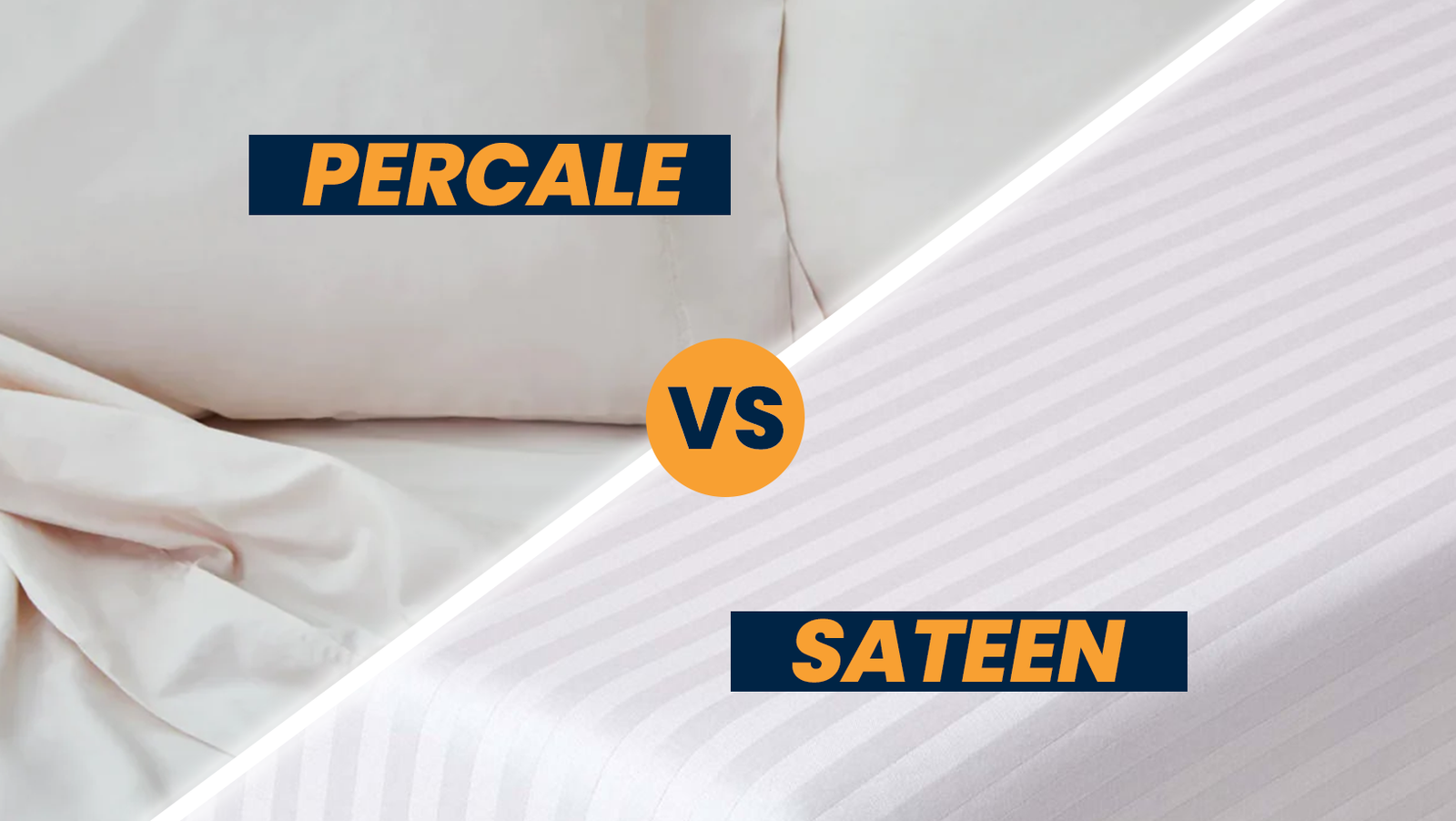
Now, let’s compare these sheets side by side. Here is a breakdown of the main differences you should know:
| Feature | Percale | Sateen | Satin |
|---|---|---|---|
| Weave | One-over, one-under | One-under, three/four-over | Four-over, one-under (similar to sateen) |
| Main Fibers | Cotton | Cotton | Silk, polyester, nylon |
| Feel | Crisp, cool | Soft, smooth, slightly warm | Slippery, glossy, cool |
| Finish | Matte | Subtle shine | High gloss |
| Best For | Hot sleepers, hotel-like feel | Cooler climates, luxury feel | Glamour, hair/skin care |
How To Choose: What Really Matters
Picking between percale, sateen, and satin is not just about the weave. You should think about:
- Climate & Sleep Style
- If you sweat or live somewhere hot, percale is best.
- For cold sleepers or cool weather, sateen or satin can feel cozier.
- Budget
- Percale and cotton sateen can be affordable.
- High-quality satin, especially silk, is expensive.
- Durability
- Percale lasts longest and gets softer over time.
- Sateen can pill if made with short fibers.
- Satin, especially polyester, can snag or wear down.
- Look
- Want matte and classic? Go for percale.
- Prefer a bit of shine? Try sateen.
- Love a glossy finish? Satin is for you.
Common mistake: People often buy the highest thread count they can find, thinking it is always better. But very high thread counts can make sheets less breathable. Focus on weave and fiber quality first.
Credit: dzeeusa.com
Pros And Cons Of Each Sheet Type
Here’s a quick overview of the main advantages and disadvantages for each type:
| Type | Pros | Cons |
|---|---|---|
| Percale | – Breathable – Durable – Cool and crisp – Easy to care for | – Can feel rough at first – Wrinkles easily – Not as soft as sateen/satin |
| Sateen | – Soft and smooth – Slight sheen – Drapes well – Warmer feel | – Can pill – Less breathable – May not last as long as percale |
| Satin | – Very shiny – Slippery feel – Good for hair/skin | – Can feel hot – Snags easily – Needs special care (especially silk) |
Real-world Examples
Imagine you live in a hot, humid place and often wake up sweaty. You buy a 100% cotton percale sheet set with a thread count of 300. After a week, you notice you feel cooler and your sleep is less interrupted.
The sheets feel crisp but get softer after a few washes.
Now, if you move to a cold, dry place, you might try sateen sheets. You find a 400-thread-count cotton sateen set. The sheets feel heavier and warmer, and you enjoy the soft, silky surface. You notice they wrinkle less than percale, but after months, some pilling appears if you do not wash carefully.
You decide to try satin sheets for a touch of luxury. You pick polyester satin for a lower price. The sheets look shiny and feel smooth. Your hair is less frizzy in the morning. However, in summer, you notice you sweat more, and the sheets sometimes slip off the bed.
Care And Maintenance Tips
How you care for your sheets can change their feel and how long they last.
- Percale: Wash in cool or warm water. They get softer with every wash. Avoid high heat when drying to prevent shrinking.
- Sateen: Wash on gentle cycle. Do not use bleach. Dry on low to avoid pilling.
- Satin: If silk, hand wash or use a delicate cycle with mild detergent. Air dry. Polyester satin can go in the machine, but avoid rough fabrics.
Tip: Always wash sheets separately from towels or clothes with zippers. This prevents snags and keeps them soft.
Sustainability And Eco-friendliness
If you care about the environment, the fiber matters as much as the weave.
- Organic cotton percale is one of the most eco-friendly options. It uses less water and no harmful chemicals.
- Sateen can also be found in organic cotton, but check for certifications.
- Satin made from silk is natural but resource-intensive. Polyester satin is less eco-friendly because it is made from plastic.
Look for certifications like GOTS (Global Organic Textile Standard) for cotton and OEKO-TEX for safety.
Which Is Best For You?
Each sheet type has its own strengths. Here’s a quick guide:
- Choose percale if you want a cool, crisp, classic sleep experience.
- Go for sateen if you want softness, a bit of shine, and extra warmth.
- Pick satin for glamour, very smooth feel, or to help with hair and skin.
Your personal preference, climate, and how much maintenance you want to do should guide your choice.
Advanced Tips: What Beginners Overlook
- Weave is not the whole story: The quality of the fibers matters just as much as the weave. Long-staple cotton makes both percale and sateen feel better and last longer.
- Try before you buy: If possible, touch the sheets in-store or order a fabric swatch online. Pictures can be misleading, especially with shine.
- Check the return policy: Some sheets feel very different on your bed than in the package. A good return policy lets you try them risk-free.
For deeper details on weave types and fabric science, you can read more at Wikipedia.
Credit: www.pimacott.com
Frequently Asked Questions
What Is The Main Difference Between Percale, Sateen, And Satin Sheets?
The main difference is the weave. Percale uses a simple, tight weave for a crisp feel. Sateen has a special pattern that creates a soft, slightly shiny finish. Satin uses a weave and fibers that create a very glossy, slippery surface.
Are Satin Sheets Good For Hot Sleepers?
Not always. Most satin sheets, especially those made from polyester, trap heat and can feel sweaty. Silk satin is cooler but still not as breathable as percale.
Which Type Of Sheet Lasts The Longest?
Percale sheets, especially those made from long-staple cotton, last the longest. Their tight weave resists pilling and wear, and they get softer with time.
Can Sateen Or Satin Sheets Help With Hair And Skin Health?
Yes. Both reduce friction, which can help with less hair breakage and fewer sleep wrinkles. Many people choose satin pillowcases for this reason.
How Do I Know If A Sheet Is Percale, Sateen, Or Satin?
Check the packaging or product description. It should say the weave type. If you are shopping in person, percale feels crisp, sateen feels soft and lightly shiny, and satin feels very smooth and glossy.
Choosing the right sheets makes a big difference in your sleep. Focus on what matters most to you: feel, climate, look, and care. With this guide, you can buy with confidence and enjoy better sleep every night.