
Cooking with stainless steel pans can be a joy—or a headache. Many home cooks love these pans because they last long and don’t react with food. But if you’ve ever tried to fry an egg or sear a steak, you know the frustration of food sticking stubbornly to the surface.
The good news? With the right approach, you can prevent this problem and enjoy perfect results every time. This guide gives you clear, practical steps to keep food from sticking on stainless steel, plus insights even experienced cooks sometimes miss.
Why Does Food Stick To Stainless Steel?
Stainless steel pans are not naturally non-stick. The surface is full of microscopic pores. When heated, these pores expand and grab onto food, especially proteins like eggs, fish, and chicken. If you add oil at the wrong time, or the pan isn’t hot enough, your meal can turn into a sticky mess.
Other factors, like leftover residues from previous cooking or using the wrong utensils, also play a role.
Understanding why sticking happens is the first step to stopping it. Most sticking problems come from one of these causes:
- Not heating the pan properly
- Using too little or too much oil
- Moisture on the food’s surface
- Cooking at the wrong temperature
- Not letting the food release on its own
Let’s look at each solution in detail.
Preheat The Pan Properly
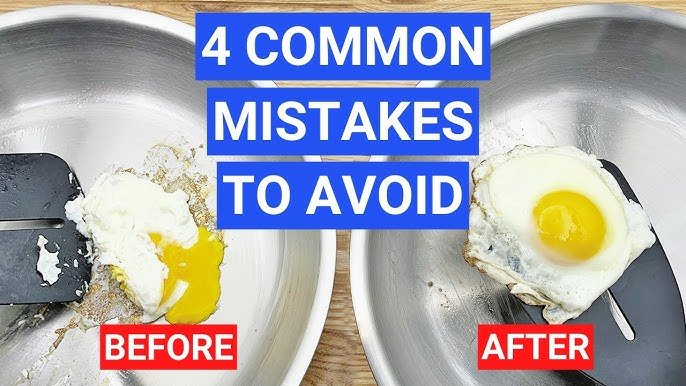
One of the most important secrets is proper preheating. Stainless steel needs to be hot enough before you add oil or food. If you skip this step, food will almost always stick.
- Place your pan on medium heat for 2–3 minutes.
- To test readiness, sprinkle a few drops of water on the pan. When the drops dance and form little balls, the pan is hot enough. This is called the Leidenfrost effect.
- Now, add oil and swirl it around to cover the surface. Wait a few seconds for the oil to heat up before adding food.
Non-obvious tip: If you add oil before preheating, the oil can get sticky and burn. Always heat the pan first, then add oil.
Credit: www.youtube.com
Use The Right Amount And Type Of Oil
Oil acts as a barrier between your food and the pan. But using the wrong type or amount can make things worse.
- Use high-smoke-point oils like canola, grapeseed, sunflower, or avocado oil for frying or searing. Butter and olive oil can burn at high heat and make sticking worse.
- Use enough oil to lightly coat the pan, but not so much that food floats. For eggs, about one teaspoon per 8-inch pan works well.
Extra insight: After adding the oil, tilt the pan to cover the surface. If the oil shimmers (looks like it’s moving), you’re ready to cook.
Dry Food Thoroughly Before Cooking
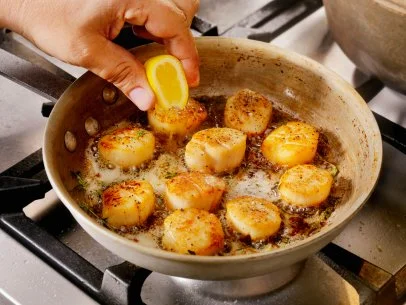
Moisture is the enemy of a good sear and non-stick cooking. When wet food hits hot oil, the water cools the pan and causes sticking.
- Pat meat, fish, or vegetables dry with paper towels before cooking.
- For marinated foods, let them drain and dry a bit before adding to the pan.
This simple step makes a big difference, especially for chicken skin, fish fillets, or potatoes.
Credit: www.foodnetwork.com
Don’t Move Food Too Soon
When you place food in a hot, oiled pan, it will stick at first. That’s normal. As it cooks, proteins change shape and release from the pan naturally.
- Let food cook undisturbed for 1–2 minutes.
- Try gently nudging the food. If it moves easily, it’s ready to flip. If not, give it more time.
Beginner mistake: Flipping too early tears the food and leaves bits stuck to the pan.
Clean Your Pan Well Before Each Use
Old food bits or oil residue create rough spots that make new food stick.
- After each use, wash your pan with warm water and a gentle scrubber.
- For stuck-on bits, sprinkle baking soda and scrub with a nylon pad.
- Avoid harsh steel wool, which scratches and makes sticking worse in the future.
Credit: thelowtoxproject.com.au
Control Your Cooking Temperature
Cooking at the wrong temperature—too high or too low—causes sticking and burning.
- For delicate foods (like eggs or fish), use medium-low to medium heat.
- For searing meat, use medium-high but not maximum heat.
- If oil starts smoking, the pan is too hot. Remove it from heat for a minute.
Here’s a quick comparison for different foods:
| Food Type | Best Heat Level | Preheat Time |
|---|---|---|
| Eggs | Medium-low | 1–2 minutes |
| Fish | Medium | 2–3 minutes |
| Steak | Medium-high | 3–4 minutes |
| Vegetables | Medium | 2 minutes |
Season Your Stainless Steel Pan
Seasoning isn’t just for cast iron. You can also add a thin protective layer to stainless steel:
- Clean and dry your pan.
- Heat on medium until hot.
- Add a teaspoon of oil and swirl to coat.
- Heat for 2–3 minutes, then wipe out excess oil with a paper towel.
This creates a smoother surface, making sticking less likely.
Advanced tip: Repeat this process every few uses, especially if you wash your pan with soap.
Use The Right Utensils
Metal spatulas or forks can scratch the surface, making sticking worse over time.
- Use wooden or silicone spatulas for flipping or stirring.
- Avoid sharp utensils that damage the finish.
Avoid Overcrowding The Pan
If you fill the pan with too much food, steam builds up and prevents browning.
- Cook in batches if needed.
- Leave space between pieces for best results.
Here’s a visual guide:
| Pan Size | Max Chicken Breasts | Max Pancakes |
|---|---|---|
| 8-inch | 1 | 2 |
| 10-inch | 2 | 3 |
| 12-inch | 3–4 | 4–5 |
Let The Pan Cool Before Cleaning
Pouring cold water into a hot pan can cause warping and loosen the protective layer.
- Let the pan cool for a few minutes before washing.
- If needed, fill with warm water and soak for stuck bits.
Bonus: The Boil Test For Surface Cleanliness
Even a clean-looking pan can have invisible grease. Try this test:
- Add water and bring it to a boil.
- If you see large bubbles forming at random spots, that’s grease. Re-clean those spots with vinegar or baking soda.
Common Mistakes To Avoid
Many cooks repeat these errors:
- Adding oil to a cold pan
- Using butter at high heat
- Not drying food
- Scrubbing with steel wool
- Cooking too much at once
Knowing these pitfalls saves time, money, and frustration.
When To Use Non-stick Instead
Stainless steel isn’t always the best choice. For sticky foods like crepes, omelets, or delicate fish, a non-stick pan may be easier. Use stainless steel for searing, sautéing, and browning where you want flavor and crust.
Maintenance For Long-lasting Non-stick Performance
A well-cared-for pan gets better with use. After cooking, wash and dry it completely. Occasionally polish with a mix of vinegar and baking soda to keep the surface smooth.
If you see rainbow colors (heat stains), they’re harmless but can be removed by scrubbing with vinegar or a stainless steel cleaner.
Stainless Steel Vs. Non-stick: What’s The Difference?
Some people wonder why stainless steel seems more difficult than non-stick. Here’s a quick side-by-side:
| Feature | Stainless Steel | Non-Stick |
|---|---|---|
| Durability | Very High | Medium |
| Max Heat | Very High | Low–Medium |
| Non-Stick Ability | Needs technique | Easy |
| Metal Utensil Safe | Yes (with care) | No |
| Best Uses | Searing, browning | Eggs, pancakes |
Practical Example: Cooking An Egg Without Sticking
Let’s put it all together with a real-world example—cooking an egg.
- Start with a clean, dry 8-inch stainless steel pan.
- Place over medium heat for 2 minutes.
- Test with water drops. If they dance, add 1 teaspoon of canola oil.
- Tilt to coat the pan; wait for the oil to shimmer.
- Crack an egg into a small bowl, then gently slide into the pan.
- Do not touch for 1–2 minutes.
- Use a silicone spatula to lift the edges. If it moves, flip or serve. If not, wait a bit longer.
The egg should release easily, with a golden bottom and no sticking.
Extra tip: If the egg sticks, your pan probably wasn’t hot enough or had water droplets.
Summary Of Key Steps
- Always preheat the pan before adding oil.
- Use enough high-smoke-point oil to cover the surface.
- Dry all food before cooking.
- Use the right heat level for each food.
- Let food release naturally before flipping.
- Clean and maintain your pan for best results.
If you master these habits, you’ll get consistent, non-stick results—no Teflon needed.
For a deeper look at the science behind sticking, check out this Serious Eats guide.
Frequently Asked Questions
Why Do My Eggs Always Stick To Stainless Steel?
Eggs stick if the pan isn’t hot enough or if you don’t use enough oil. Preheat your pan, add oil after heating, and use medium-low heat. Make sure your eggs are at room temperature and the pan is clean.
Can I Use Butter In Stainless Steel Pans?
You can use butter, but only at low to medium heat. Butter has a low smoke point and burns quickly, causing food to stick. Try using butter with oil, or add butter after the pan is hot.
How Do I Clean Burnt-on Food From Stainless Steel?
Soak the pan in warm water. Add baking soda and scrub with a nylon pad. For tough spots, boil water with a little vinegar in the pan, then scrub gently. Avoid steel wool to protect the finish.
Is It Necessary To Season A Stainless Steel Pan?
Seasoning isn’t required but helps create a smoother surface. It’s easy: heat oil in a clean pan and wipe out the excess. This step is especially useful for eggs or fish.
Are Stainless Steel Pans Better Than Non-stick Pans?
Each has strengths. Stainless steel is best for searing, browning, and high-heat cooking. Non-stick is easier for eggs and pancakes. Many cooks use both, depending on the recipe.
With these techniques, your stainless steel pans will work for you—not against you. Soon, you’ll enjoy stress-free cooking and delicious results every time.