
Choosing the right bedding can change the way you sleep and how your bedroom looks. Many people feel confused when deciding between a quilt and a comforter for their bed. Both keep you warm and add style, but they are not the same. If you want the best sleep and a beautiful bedroom, it is important to know the difference. This article will guide you through everything you need to know about quilts and comforters, from their design and materials to their use and care.
What Is A Quilt?
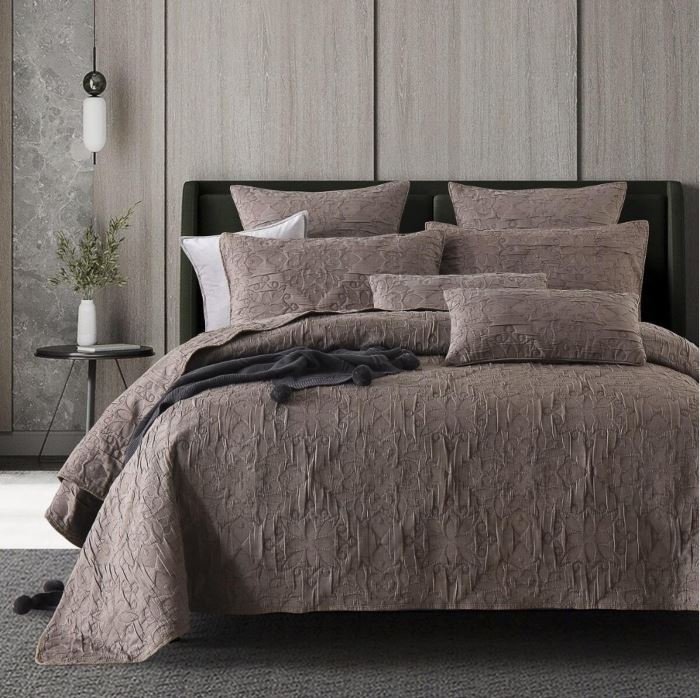
A quilt is a type of bed covering made of three layers: a top fabric, a middle layer of batting (filling), and a bottom fabric. These layers are stitched together in a pattern, usually with small, detailed stitches. Quilts are often handmade and can be very decorative, featuring patchwork or other designs. Many quilts are passed down as family heirlooms because of their beauty and the time required to make them.
Key Features Of Quilts
- Three-layer construction: Top, batting, and bottom
- Stitched patterns: These keep the layers together and add decoration
- Light to medium weight: Usually not as thick as comforters
- Variety of designs: Patchwork, solid colors, or artistic patterns
Quilts are popular for their unique look and the personal touch they add to a bedroom. They are often used in warmer months, as their thinner build provides comfort without too much heat.
What Is A Comforter?
A comforter is a thick, fluffy bed covering filled with insulating material like down, feathers, wool, or synthetic fibers. The filling is sewn or quilted in place, but the stitching is usually less decorative than in quilts. Comforters are designed mainly for warmth and are typically covered with a duvet cover for protection and easy washing.
Key Features Of Comforters
- Thick and fluffy: More filling, creating a puffy look
- Simple stitching: Keeps filling in place but is not highly decorative
- Medium to heavy weight: Designed for warmth
- Usually one solid color or simple print
Comforters are a common choice for cold climates or anyone who enjoys a cozy, warm bed. They are easy to use—just place them on your bed, and you’re done.
Comparing Quilt And Comforter: Main Differences
To truly understand the difference between quilt and comforter for bed, let’s look at several factors side by side.
| Feature | Quilt | Comforter |
|---|---|---|
| Layers | Three (top, batting, bottom) | Two (shell and filling) |
| Stitching | Decorative, complex | Simple, functional |
| Weight | Light to medium | Medium to heavy |
| Design | Artistic, patchwork, heirloom | Solid colors, simple prints |
| Use | Layering, warm climates | Main cover, cold climates |
Material Differences
Both quilts and comforters can be made from many kinds of fabrics and fillings. However, their typical materials are often different.
Common Quilt Materials
- Cotton: Soft, breathable, and easy to wash
- Wool: Sometimes used for extra warmth
- Polyester: Affordable and lightweight
- Silk: Rare but luxurious
Common Comforter Materials
- Cotton or polyester shell: Smooth outer layer
- Down or feathers: Classic, natural filling for warmth
- Synthetic fibers: Hypoallergenic and easy to care for
- Wool: Less common, but very warm
Why Material Matters
The material affects not only warmth and comfort but also care instructions and allergy risks. For example, down comforters are very warm but can cause allergies for some people. Synthetic fillings are more suitable for those with sensitivities.
Warmth And Insulation
One of the most important differences is how warm each bedding type will keep you. If you live in a cold place, this is a key consideration.
| Bedding Type | Insulation Level | Best For |
|---|---|---|
| Quilt | Low to medium | Spring, summer, mild climates |
| Comforter | Medium to high | Fall, winter, cold climates |
Quilts are lighter, so they are better for layering or for use in warmer months. Comforters are designed to keep you warm in winter or in cold rooms.
Appearance And Style
The look of your bedding affects the whole bedroom. Quilts and comforters offer very different styles.
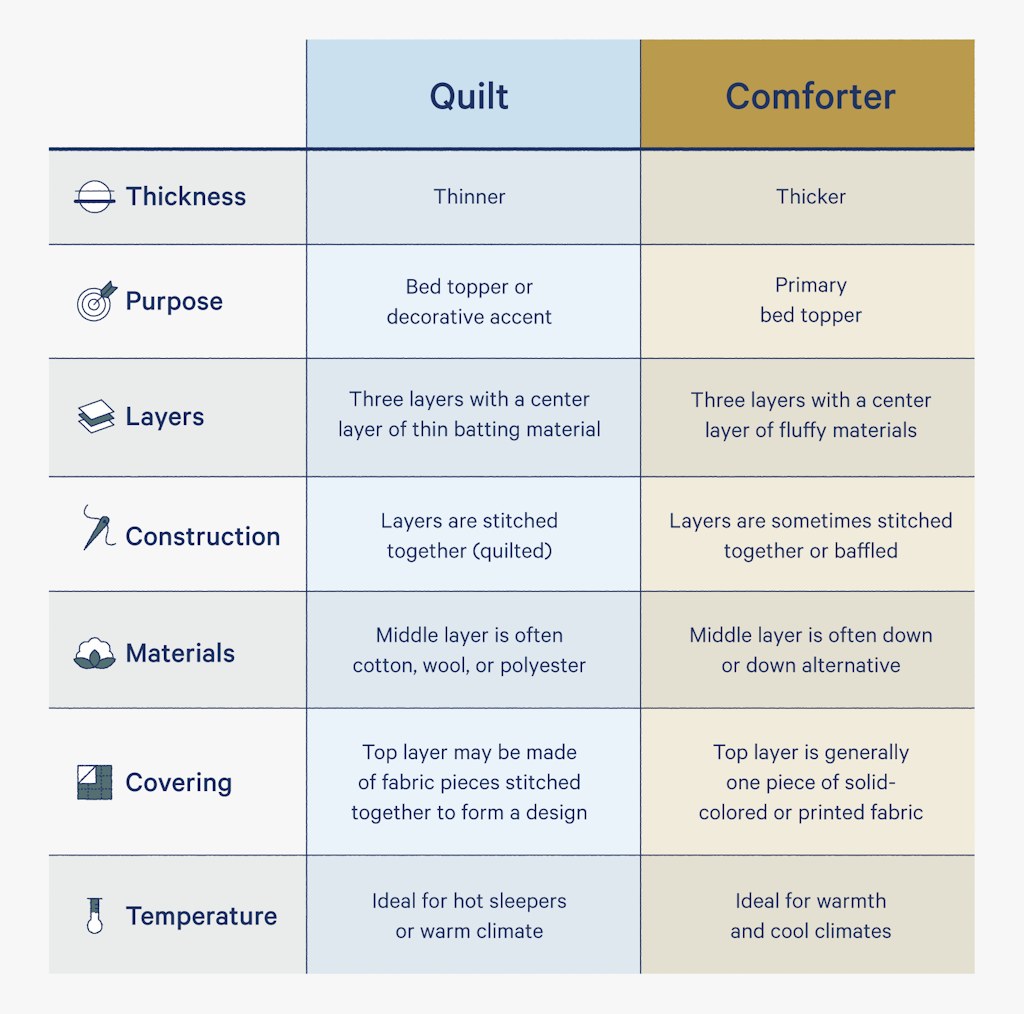
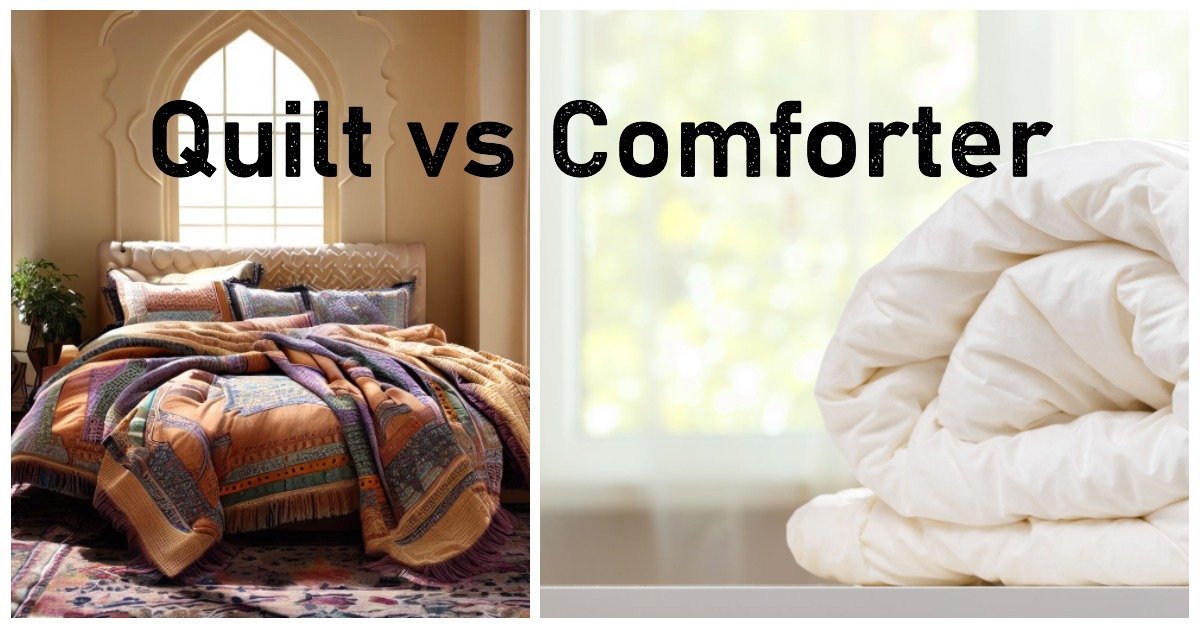
- Quilts: Often colorful, with patchwork or intricate stitching. Each quilt can look unique. They add a classic, cozy, or even vintage feel to a room.
- Comforters: Usually solid colors or simple patterns. They have a puffy, modern look and create a smooth appearance on the bed.
If you want your bed to have a lot of character, a quilt is a good choice. If you prefer a clean, sleek look, go with a comforter.
Credit: casper.com
Care And Cleaning
How you clean your bedding matters for both health and convenience. Quilts and comforters have different care needs.
Quilt Care
- Usually machine-washable if made of cotton
- Delicate stitching means you should use a gentle cycle
- Air drying is best to protect the fabric and stitches
- Antique or handmade quilts may require hand washing or dry cleaning
Comforter Care
- Some can be machine washed, but many need large commercial washers
- Down-filled comforters may require special care or professional cleaning
- Synthetic comforters are easier to wash at home
- Always check the care label before washing
Non-obvious insight: Many people forget that comforters can lose their fluffiness if washed too often or in the wrong way. Quilts, if not dried properly, can shrink or the colors can fade.
Cost Differences
Price can vary a lot depending on brand, material, and craftsmanship.
- Quilts: Handmade quilts can be expensive due to the labor involved. Machine-made quilts are more affordable. Expect a wide range, from $50 for basic models to over $500 for designer or antique quilts.
- Comforters: Prices start around $30 for synthetic options and can go over $300 for high-end down comforters.
Tip for buyers: Consider the long-term value. A well-made quilt can last for decades and often becomes softer with age. Comforters, especially those with synthetic filling, may need to be replaced more often.
Practical Uses: When To Choose Each
There is no single right answer for everyone. Your choice depends on your needs, the climate, and your style.
Choose A Quilt If:
- You live in a warmer climate
- You enjoy layering bedding
- You want a decorative or unique look
- You need a lighter cover for summer
- You like to change your bed’s look often
Choose A Comforter If:
- You need maximum warmth
- You live in a cold area
- You want a simple, all-in-one bed cover
- You prefer easy bed-making
- You want a plush, fluffy appearance
Allergy Concerns
Bedding can affect allergy sufferers. Down comforters may cause problems for people with feather allergies. Synthetic fillings are generally better for those with sensitivities. Cotton quilts are also a good choice, as they do not trap dust as easily.
Credit: urbanjaipur.com
Durability And Lifespan
Both quilts and comforters can last many years, but how you care for them makes a difference.
- Quilts: With proper care, a quilt can last 20 years or more. Heirloom quilts are often passed down for generations.
- Comforters: Most last 5–10 years, depending on the filling. Down comforters can last longer if they are well cared for.
Non-obvious insight: Comforters tend to lose their insulation if the filling bunches or breaks down. Quilts, even when they become thin, can often be repaired or restitched.
Climate And Seasonal Suitability
Your local weather plays a big role in which bedding is best.
- Quilts work well for spring and summer, or for people who get hot at night.
- Comforters are best for winter or cold climates. Some people switch between the two as the seasons change.
Credit: www.manchestercollection.com.au
Layering And Versatility
One advantage of quilts is their versatility. You can use them alone in warm weather or layer them with blankets in winter. Comforters are usually used alone, as they are thick and provide enough warmth without extra layers.
Example: In hotels, you may notice that a quilt is placed under a thin blanket for style and flexibility. At home, you might add a quilt to your comforter on very cold nights.
Weight And Feel
Some people prefer a light bed cover, while others like the weight of a thick comforter.
- Quilts: Lighter and less bulky, but still cozy
- Comforters: Heavy and plush, can feel more luxurious
Tip: If you have trouble moving heavy bedding or making your bed, a quilt may be easier to handle.
Design And Personalization
If you like to express your personal style, a quilt offers more options. Quilts can be custom-made, feature favorite colors, or even tell a story through their patterns. Comforters are mass-produced and offer fewer unique designs.
Cultural And Historical Differences
Quilts have a rich history in many cultures. In the United States, quilts are often linked to family traditions and artistic expression. Comforters do not have the same cultural meaning but are popular worldwide for their practicality.
To learn more about the history of quilts, you can visit the Wikipedia Quilt page.
Mistakes To Avoid When Choosing
- Ignoring climate needs: Don’t choose a heavy comforter if you live in a hot place.
- Overlooking allergies: Check the filling material carefully.
- Not reading care labels: Some bedding is hard to clean at home.
- Choosing style over comfort: Looks matter, but comfort is more important for sleep.
- Forgetting about size: Make sure your bedding fits your mattress.
Real-life Examples
- A family in Texas uses a cotton quilt in summer, then adds a thin blanket in winter. They love how easy it is to wash and how the quilt’s colors brighten their room.
- A couple in Canada uses a down comforter for long, cold winters. They keep a quilt in the closet for guests or for extra layering during extreme cold snaps.
Quick Comparison Summary
| Aspect | Quilt | Comforter |
|---|---|---|
| Best for | Warm weather, layering, style | Cold weather, warmth, simplicity |
| Care | Easy (most cotton quilts) | Can require special care |
| Allergy Risk | Low (cotton, synthetic) | Medium (down/feathers), low (synthetic) |
| Typical Price | $50–$500+ | $30–$300+ |
Frequently Asked Questions
What Is The Main Difference Between A Quilt And A Comforter?
The main difference is that a quilt has three layers with decorative stitching, making it lighter and often more artistic. A comforter is thicker, has more filling, and is designed mainly for warmth.
Which Is Better For Hot Sleepers: Quilt Or Comforter?
A quilt is usually better for hot sleepers because it is lighter and more breathable. Comforters can trap more heat, making them too warm for some people.
Can You Use A Quilt And A Comforter Together?
Yes, you can layer a quilt and a comforter for extra warmth. Many people use a quilt in summer and add a comforter in winter.
How Do You Wash A Quilt Vs. A Comforter?
Most quilts can be washed in a home machine on a gentle cycle. Comforters, especially large or down-filled ones, may need a commercial washer or professional cleaning. Always check the care label.
Are Quilts More Expensive Than Comforters?
Handmade quilts can be more expensive than comforters because of the labor and artistry. However, basic, machine-made quilts may cost less than high-end comforters.
Choosing between a quilt and a comforter depends on your needs, climate, and personal taste. Understanding the difference between quilt and comforter for bed will help you make the best choice for a comfortable and stylish bedroom.