
The bullet journal method has become a favorite productivity tool for people who want to organize their lives, reduce stress, and achieve more. But if you’re new to the concept, it can seem a little confusing. Maybe you’ve seen beautiful bullet journal spreads on social media and wondered if it’s just about art. Or perhaps you’re looking for a practical system to boost your daily productivity, but want something flexible and easy to start. Whatever your reason, this guide will walk you through everything you need to know about using a bullet journal for productivity—with clear steps, expert tips, and practical examples.
What Is A Bullet Journal And Why Does It Work?
A bullet journal, often called a “BuJo,” is a customizable system for tracking tasks, goals, notes, and ideas. It was created by Ryder Carroll as a way to help people become more organized and mindful. Instead of buying separate planners for work, personal goals, or health, you can put everything in one notebook.
The main reason bullet journals work so well is their flexibility. You don’t have to follow strict templates. You choose what pages you need—daily logs, habit trackers, goal lists—and adjust anytime. This makes it easier to stay consistent, because you’re building a system that fits your life, not someone else’s.
Essential Tools To Start Your Bullet Journal
Getting started doesn’t require fancy supplies. Here’s what you need:
- Notebook: Any notebook works, but dotted or grid notebooks are popular because they make it easy to draw lines and boxes.
- Pen: Start with a pen you like. Many people prefer gel pens for smooth writing.
- Ruler (optional): Helpful for drawing straight lines.
- Markers or highlighters (optional): If you want to add color or highlight important points.
Some people invest in special notebooks like the Leuchtturm1917 or Moleskine, but a simple notebook is enough to begin.
Credit: www.lavitaroma.com
Core Elements Of A Productive Bullet Journal
A bullet journal for productivity uses a few basic page types. Let’s break down the essentials:
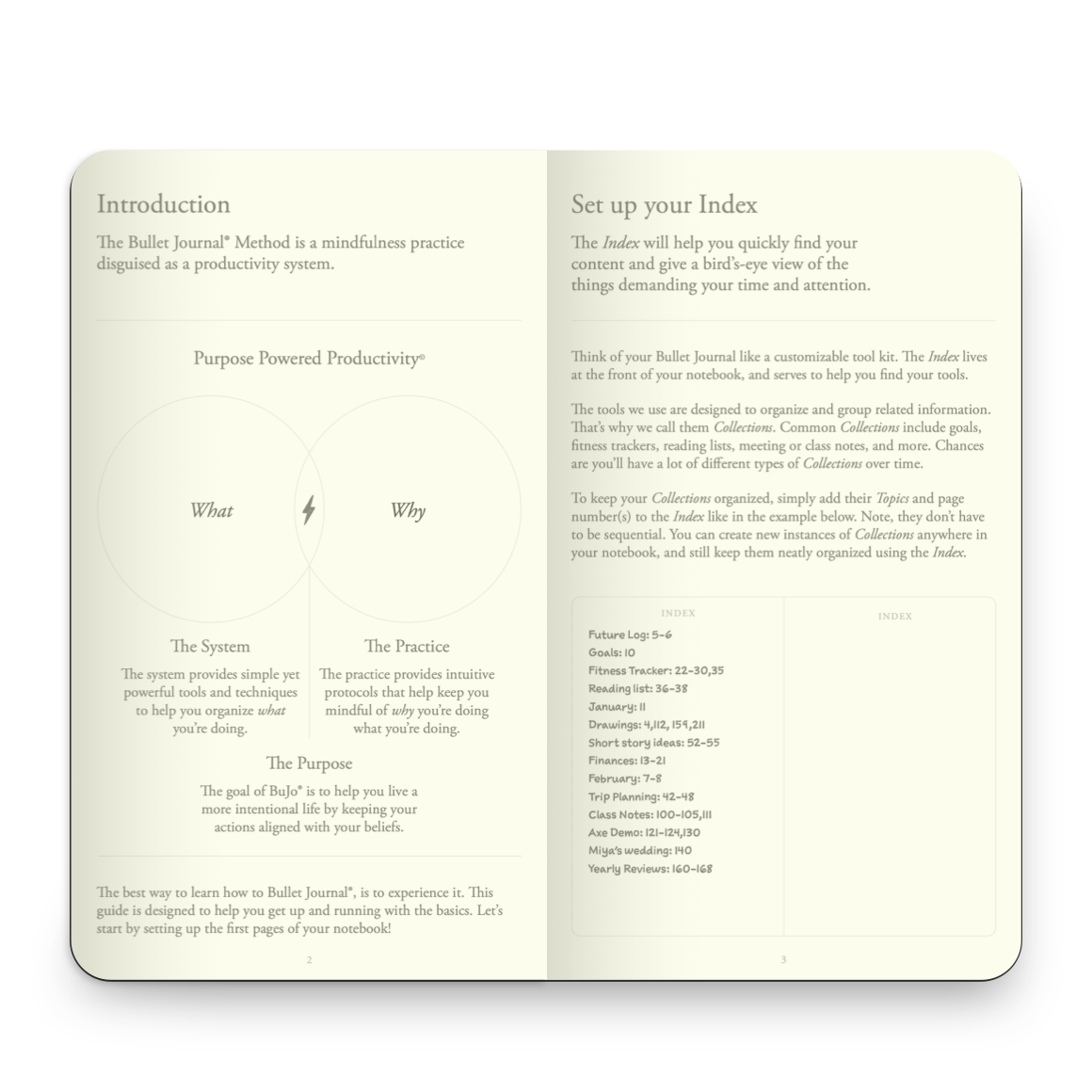
Index
The index is like a table of contents. Number your pages and list what’s on each page. This helps you find important notes or trackers later.
Future Log
The future log is where you record events, deadlines, or goals for upcoming months. It’s a quick overview of your year.
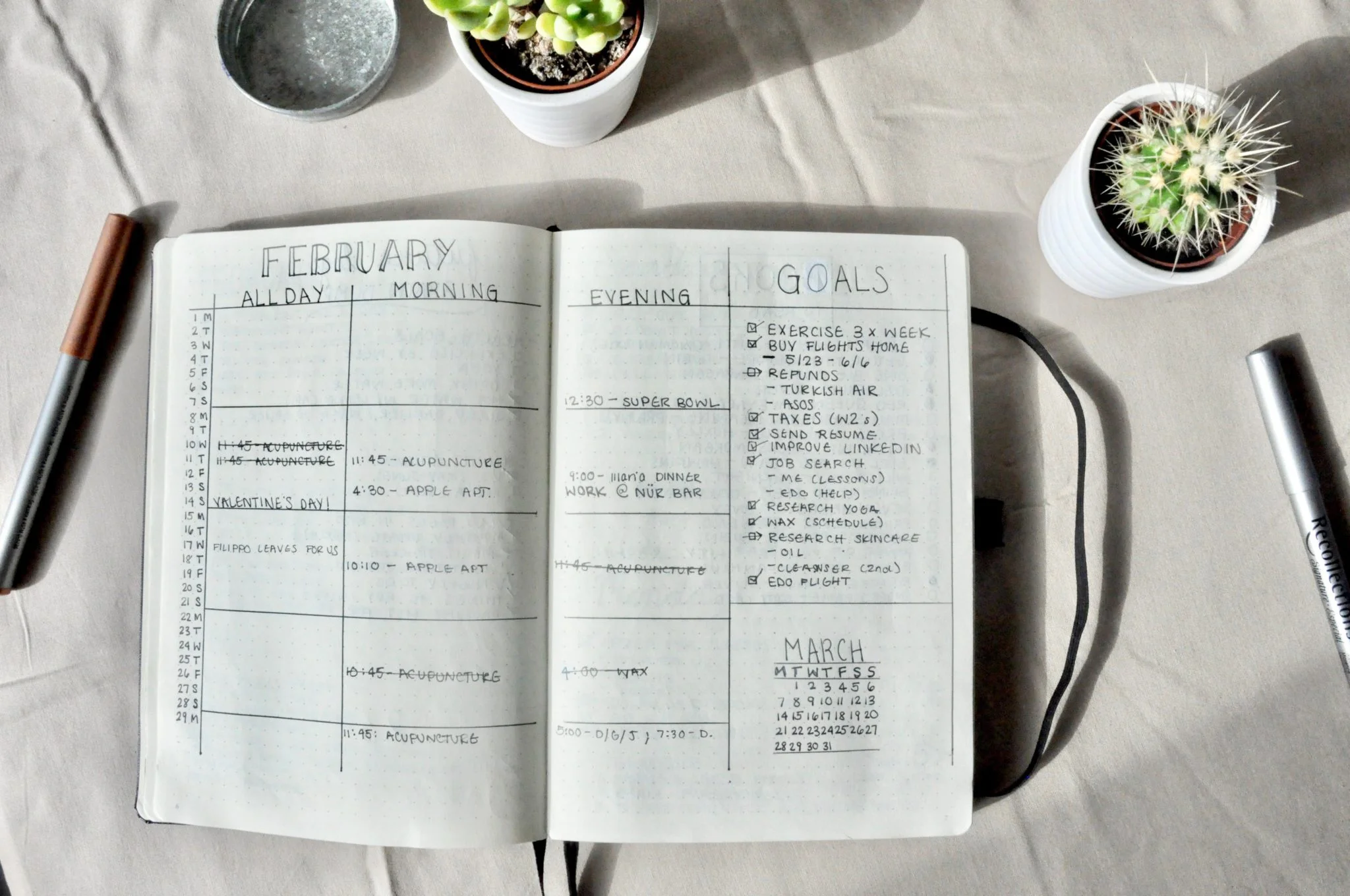
Monthly Log
The monthly log usually has a calendar page and a task list. This helps you see your month at a glance and prioritize important activities.
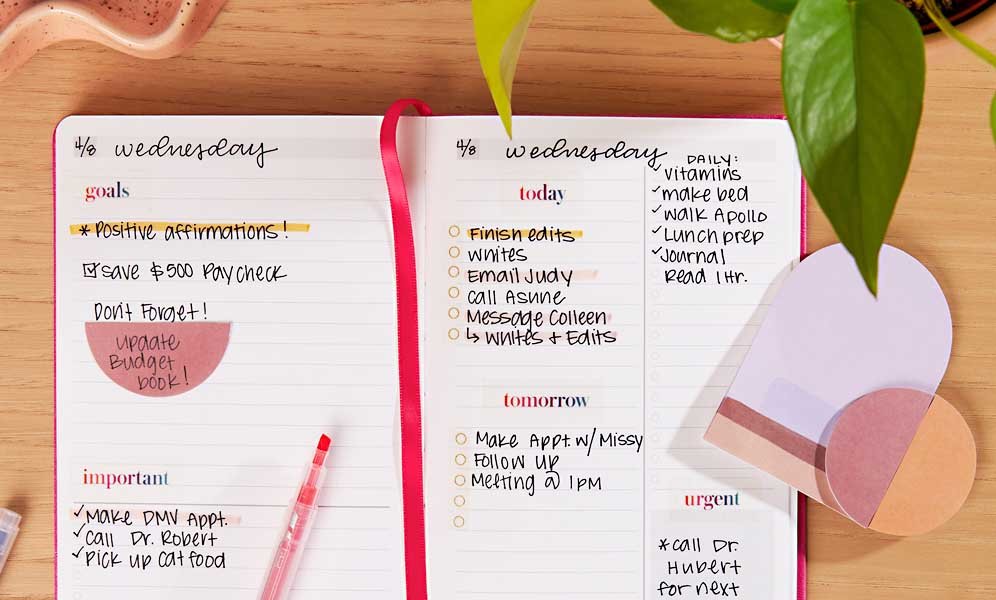
Daily Log
The daily log is where you list tasks, events, and notes for each day. You use simple symbols for each item:
- Task: •
- Event: ◦
- Note: –
You mark tasks as completed, migrated (moved to another day), or canceled with X, >, or a line.
Collections
Collections are custom pages you add for anything you want to track, like books to read, project plans, or fitness goals.
How To Set Up Your Bullet Journal For Maximum Productivity
Let’s walk through setting up a bullet journal that actually makes you more productive.
1. Choose Your Main Productivity Goals
Start by deciding what you want your bullet journal to do. Do you want to finish more work tasks? Build better habits? Plan a big project? Write your main goals on the first page. This keeps your focus clear.
2. Set Up The Index And Number Pages
Begin numbering your pages and create a two-page index. As you add new sections, write the topic and page number in your index.
3. Create The Future Log
Divide a spread into sections for each upcoming month. Write important dates, deadlines, or events. This helps you plan ahead without forgetting long-term items.
4. Make Your First Monthly Log
Write the days of the month down the side of a page. Next to each day, add appointments or deadlines. On the opposite page, list your key tasks for the month.
5. Start Daily Logs
Each day, list your tasks using the bullet system. Review your tasks at the end of the day. If you didn’t finish something, migrate it to the next day or decide if it’s still important.
6. Add Collections For Special Projects
If you have a big goal (like learning a new skill or organizing a trip), create a collection page. Write everything related to that project here.
Credit: bulletjournal.com
Bullet Journal Symbols And What They Mean
Symbols make bullet journaling fast and easy. Here are the most common:
| Symbol | Meaning | When to Use |
|---|---|---|
| • | Task | To-do items |
| X | Completed task | After you finish a task |
| > | Migrated task | If you move a task to another day |
| < | Scheduled task | If you schedule for the future |
| ◦ | Event | Meetings, birthdays, appointments |
| – | Note | Ideas, reminders, observations |
Personalize these symbols if you want. The key is to use the same ones every day for consistency.
Top Productivity Spreads To Try
Besides the basic pages, these spreads can help you get more done:
- Habit Tracker: Track daily habits like exercise, reading, or sleep. You fill in a box each day you complete the habit.
- Weekly Review: Reflect on what went well and what needs improvement each week.
- Project Planner: Break big projects into smaller steps, then check them off as you finish.
- Brain Dump Page: Write all your thoughts or worries in one place to clear your mind.
- Gratitude Log: List things you’re grateful for each day to build a positive mindset.
Bullet Journal Vs. Traditional Planners
Many people ask if bullet journaling is better than using a regular planner. Here’s a comparison:
| Feature | Bullet Journal | Traditional Planner |
|---|---|---|
| Customization | High – design any page | Low – fixed layouts |
| Flexibility | Very flexible | Limited |
| Creativity | Encouraged | Minimal |
| Cost | Can be low | Moderate to high |
| Learning curve | Some learning needed | Easy to use |
A bullet journal is great if you want a system that grows with you. But if you prefer structure and don’t want to design pages, a traditional planner may work better.
Common Mistakes Beginners Make
Many people struggle with their first bullet journal. Here are common mistakes—and how to avoid them:
- Trying to make it perfect: You don’t need perfect handwriting or artistic pages. Focus on usefulness, not beauty.
- Copying others exactly: Inspiration is good, but your needs are unique. Adapt ideas, don’t copy blindly.
- Overcomplicating spreads: Too many trackers can make you quit. Start simple, then add more as you go.
- Not reviewing regularly: Checking your journal every day is key. Without review, tasks get forgotten.
- Ignoring your goals: Make sure your pages help with your main goals, not just busywork.
Credit: www.erincondren.com
Non-obvious Insights For Bullet Journal Productivity
Many new users miss these tips:
- Rapid Logging Saves Time: Write tasks and notes in short, clear sentences. This keeps journaling fast and prevents overwhelm.
- Migration Builds Focus: Moving unfinished tasks each day makes you decide what really matters. If you keep moving a task, ask if it’s still important.
- Review Spreads Matter More Than Art: Beautiful spreads are popular online, but the real power comes from regular review and honest reflection. If you check your bullet journal each night, you’ll make better decisions the next day.
Real-world Example: Bullet Journal In Action
Let’s say you want to finish a project at work. Here’s how your bullet journal can help:
- Start a Project Planner collection. List all steps needed for your project.
- Use your monthly log to set a deadline.
- Add each step as a task in your daily log.
- Use the habit tracker to check if you work on the project daily.
- At the end of each week, do a weekly review to see what’s working and what needs to change.
By breaking the project into parts and spreading tasks over days, you avoid overwhelm and make steady progress.
Customizing Your Bullet Journal For Different Needs
Your bullet journal can be adapted for any area of life. Here are a few ideas:
| Goal | Useful Spreads |
|---|---|
| Fitness | Workout log, meal planner, weight tracker |
| Finances | Expense tracker, budget planner, savings goals |
| Learning | Reading list, vocabulary tracker, study schedule |
| Mental health | Mood tracker, gratitude log, self-care checklist |
| Family | Meal plan, family calendar, chore chart |
Don’t be afraid to invent new spreads as your needs change.
Digital Bullet Journals: Should You Go Paperless?
While most people use paper, some prefer digital bullet journals. Apps like Notion, OneNote, and GoodNotes let you build custom pages and track tasks on your phone or tablet. Digital journals are easy to edit and back up, but they can feel less personal and may be distracting if you get notifications.
If you want to learn more about the bullet journal method from its creator, check the official Bullet Journal site.
Frequently Asked Questions
What Makes A Bullet Journal Different From A Normal Notebook?
A bullet journal uses a system of symbols, rapid logging, and custom spreads to organize your life. Unlike a regular notebook, it’s structured for productivity and goal tracking.
How Do I Keep My Bullet Journal Simple?
Start with only the basic spreads: index, future log, monthly log, and daily log. Add more pages only when you feel they will help you.
Can I Use A Bullet Journal If I’m Not Artistic?
Absolutely! Bullet journals are about function, not art. Simple lists and basic layouts are very effective. You don’t need to decorate pages unless you want to.
What If I Miss A Day Or Week?
Just start again on the next page. There’s no need to feel guilty. The bullet journal is flexible—use it when you need it.
Is A Bullet Journal Good For Students?
Yes, students can use bullet journals to track assignments, deadlines, exam dates, and even study habits. It’s a great tool for organizing school and personal life together.
A bullet journal is more than just a planner. It’s a flexible system that grows with your needs and helps you focus on what matters most. Whether you want to finish more tasks, build better habits, or simply feel more in control of your day, the bullet journal can help you get there—one page at a time.