
Allergies can turn a beautiful day into a challenge—itchy eyes, sneezing, and a runny nose are common symptoms millions of people face. Many look for natural ways to feel better without always reaching for medicine. But can a simple drink really help reduce allergy symptoms naturally?
The answer is yes—certain drinks contain compounds that calm inflammation, block histamines, and support your immune system. Let’s dive into the science, specific drinks that help, and how to make them part of your allergy-fighting routine.
Understanding Allergies And Natural Relief
When your body meets something harmless—like pollen or dust—and thinks it’s a threat, your immune system reacts. It releases histamines, causing swelling, itching, and sneezing. Most allergy medicines work by blocking these histamines. Some natural drinks do the same, but more gently and with extra health benefits.
Many people miss that your gut health, hydration, and even certain vitamins play a role in allergy reactions. Choosing the right drink can support your body on many levels—not just quick relief, but also long-term strengthening.
Best Drinks To Reduce Allergy Symptoms Naturally
Let’s explore which drinks are proven to help, how they work, and how to include them in your day.
1. Green Tea
Green tea is famous for antioxidants called catechins. One type, called EGCG, blocks histamine release. Studies show that people who drink green tea daily report fewer allergy symptoms, especially during pollen season.
How to use: Brew a cup of green tea (not too hot—high heat destroys catechins). Drink 1–2 cups a day, starting a few weeks before allergy season.
Non-obvious tip: Avoid adding milk—it can bind to catechins and reduce their effect.
2. Ginger Tea
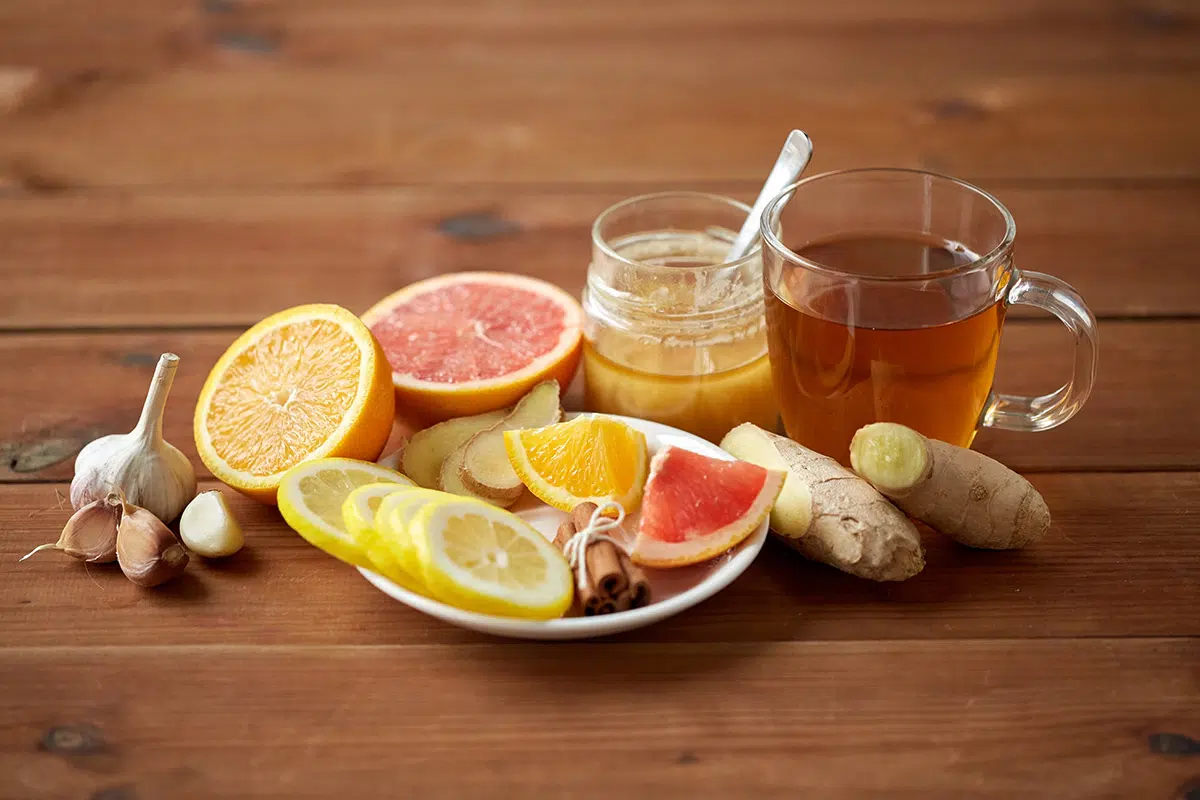
Ginger is a strong anti-inflammatory root. Ginger tea helps open airways and reduce swelling in nasal passages. It also calms your stomach, which is helpful if allergies make you feel sick.
How to use: Slice fresh ginger (about 1 inch), boil in water for 10 minutes, strain, and sip. Add honey for taste and extra allergy support.
Unique insight: Ginger tea can be combined with lemon, which has vitamin C for extra immune help.
3. Turmeric Latte (golden Milk)
Turmeric contains curcumin, a natural compound that blocks allergy-causing signals in the body. A turmeric latte—sometimes called “golden milk”—is a tasty way to get these benefits.
How to use: Mix 1 teaspoon turmeric powder, 1 cup warm milk (dairy or plant-based), a pinch of black pepper (improves absorption), and honey. Drink before bed for better sleep and allergy relief.
Key detail: Black pepper is essential—it increases the curcumin your body can use by up to 2000%.
4. Nettle Leaf Tea
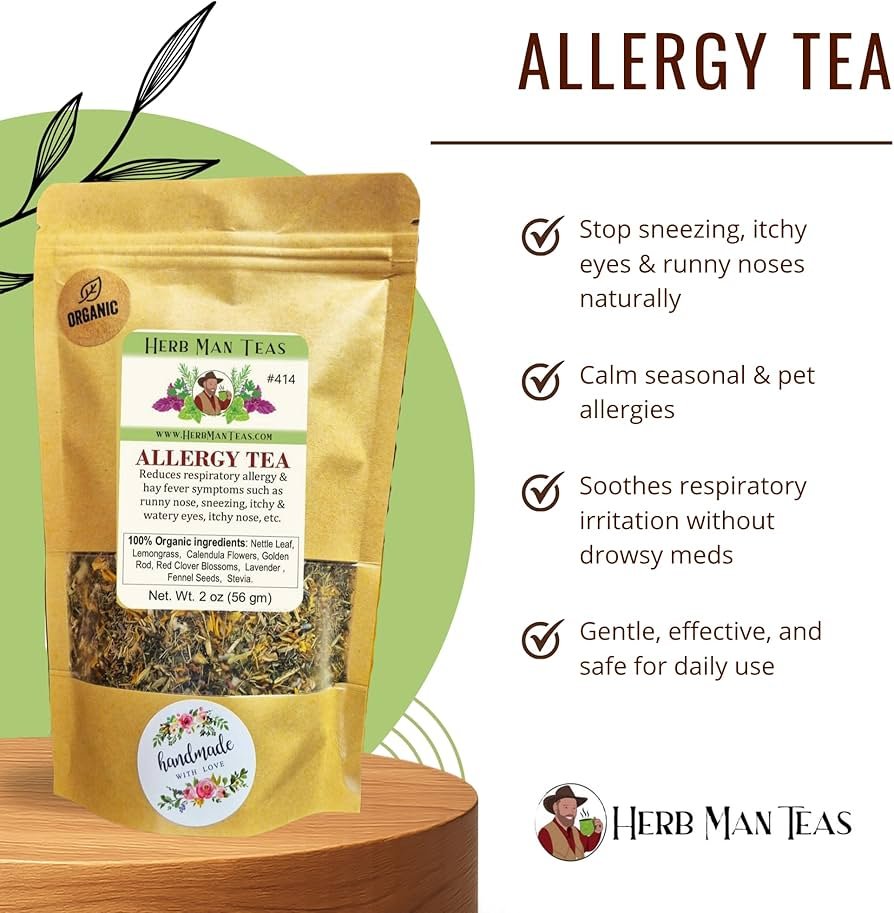
Nettle is a plant used for centuries as a natural antihistamine. Modern studies found that nettle leaf tea can block histamine and reduce sneezing, itching, and watery eyes.
How to use: Steep dried nettle leaves in hot water for 5–10 minutes. Drink up to three cups daily during allergy season.
Caution: If you take blood thinners or have kidney issues, check with your doctor first.
5. Peppermint Tea
The menthol in peppermint acts as a natural decongestant. It soothes your throat and helps open blocked nasal passages.
How to use: Steep fresh or dried peppermint leaves in hot water. Inhale the steam as you sip for extra relief.
Extra tip: Peppermint also calms the digestive tract, which can get upset during allergy attacks.
6. Rooibos Tea
Rooibos is a caffeine-free red tea from South Africa. It contains quercetin and astragalin, which are known to fight allergy symptoms naturally.
How to use: Brew rooibos like black tea. Drink hot or cold, with a squeeze of lemon.
Little-known fact: Rooibos is gentle enough for children and people who want to avoid caffeine.
7. Lemon Water
Lemon water is simple but effective. The vitamin C boosts your immune system and helps reduce histamine levels. Staying hydrated also helps thin mucus and flush out allergens.
How to use: Squeeze half a lemon into a glass of water. Drink first thing in the morning and throughout the day.
Practical tip: Use fresh lemons—bottled juice loses vitamin C over time.
8. Probiotic Drinks (kefir, Yogurt Drinks)
A healthy gut means a calmer immune system. Probiotic drinks like kefir or yogurt drinks add friendly bacteria that may lower allergy reactions.
How to use: Drink a small glass daily. Choose unsweetened versions with live cultures.
Important detail: Some people with milk allergies should choose non-dairy probiotic drinks, like coconut kefir.
9. Apple Cider Vinegar Drink
Some claim apple cider vinegar helps break up mucus and supports the immune system. There’s little scientific proof, but many people feel better when they use it.
How to use: Mix 1–2 teaspoons of raw apple cider vinegar in a big glass of water. Add honey to taste.
Safety note: Always dilute vinegar—it can harm your teeth and stomach if used straight.
10. Pineapple Juice
Pineapple is rich in bromelain, an enzyme that reduces nasal swelling and mucus. Research shows bromelain helps relieve sinus problems linked to allergies.
How to use: Drink a small glass of fresh pineapple juice (avoid added sugar). Pair with a meal to protect your stomach.
Extra insight: Bromelain is strongest in fresh, not canned, pineapple.
Credit: www.ebay.com
Comparing Allergy-fighting Drinks
Choosing the right drink depends on your symptoms, taste, and any health issues. Here’s a direct comparison:
| Drink | Main Benefit | Best Time to Use | Extra Note |
|---|---|---|---|
| Green Tea | Blocks histamines | Morning/afternoon | Avoid milk for full benefit |
| Ginger Tea | Reduces swelling | Morning or after meals | Combine with lemon for extra effect |
| Turmeric Latte | Anti-inflammatory | Evening | Add black pepper for absorption |
| Nettle Tea | Natural antihistamine | Anytime | Check for medicine interactions |
| Peppermint Tea | Decongestant | Morning or before sleep | Soothes digestion too |
| Rooibos Tea | Blocks allergic reactions | Anytime | No caffeine |
| Lemon Water | Boosts vitamin C | Morning & throughout day | Use fresh lemons |
| Probiotic Drinks | Gut health | Daily, with food | Choose non-dairy if sensitive |
| Apple Cider Vinegar | Breaks up mucus | Morning or before meals | Always dilute |
| Pineapple Juice | Reduces mucus | With meals | Use fresh juice |
How To Make Allergy-reducing Drinks Part Of Your Routine
Consistency is key. Drinking these just once won’t give lasting relief. Here’s how to add them to your daily life:
- Start the morning with lemon water or green tea.
- Midday, choose ginger tea or pineapple juice.
- Evening can be turmeric latte or rooibos tea.
- For ongoing support, have a probiotic drink daily.
- When symptoms flare, use nettle or peppermint tea.
Remember, listen to your body. If you feel worse after trying a new drink, stop and talk to a doctor.
Practical Tips For Maximum Relief
- Keep drinks unsweetened: Sugar can increase inflammation.
- Try warm drinks for congestion—steam helps open airways.
- Rotate drinks: Don’t rely on just one. Mix green tea, ginger, and others for a balanced approach.
- Stay hydrated: Water is your base—add these drinks, but always drink enough plain water too.
Non-obvious insight: Many natural allergy drinks work better if you start before allergy season, not just when symptoms begin. This helps your immune system prepare.
Mistakes To Avoid
Even natural drinks can cause problems if used wrong:
- Don’t drink too much turmeric or ginger—they can upset your stomach.
- Dilute apple cider vinegar—never drink it straight.
- Check labels for hidden sugar or additives in juices and probiotic drinks.
- If you’re pregnant, have chronic illness, or take medicine, check with a doctor before starting new herbal teas.
Credit: www.beckerentandallergy.com
When To See A Doctor
Natural drinks help many, but they’re not a cure. If your symptoms are severe (trouble breathing, swelling, rash), seek medical care. Drinks can be part of your routine, but don’t replace doctor advice or allergy medication if needed.
Data: How Effective Are Natural Allergy Drinks?
Research shows that about 30-40% of people with mild seasonal allergies find relief with herbal teas and drinks. For some, these drinks reduce the need for over-the-counter medicine. However, effects are strongest with consistent use and when combined with other healthy habits (like avoiding triggers and cleaning your home).
Here’s a look at user satisfaction from recent surveys:
| Drink | % Users Reporting Relief | Notes |
|---|---|---|
| Green Tea | 42% | Best for mild symptoms |
| Nettle Tea | 38% | Most effective for sneezing |
| Ginger Tea | 34% | Helps congestion |
| Probiotic Drinks | 31% | Good for long-term support |
| Pineapple Juice | 27% | Works for sinus pressure |
Credit: www.amazon.com
Science Behind These Natural Drinks
Many allergy-fighting drinks work because they contain:
- Antioxidants (block damage from allergy triggers)
- Antihistamines (block histamine release)
- Anti-inflammatory compounds (reduce swelling)
- Probiotics (calm your immune system)
For example, catechins in green tea, quercetin in rooibos, and bromelain in pineapple juice all block steps that lead to allergy symptoms. You can read more about the science behind these effects on NIH Research.
Frequently Asked Questions
Can I Use These Drinks With Allergy Medicine?
Yes, most natural drinks are safe with common allergy pills. But check with your doctor if you take prescription medicine, as some herbs can interact with drugs.
Which Drink Works Fastest For Allergy Symptoms?
Peppermint tea and ginger tea usually give the quickest relief, especially for nasal congestion and sore throat. For ongoing support, green tea and nettle tea are best.
Are There Side Effects To Natural Allergy Drinks?
Most people tolerate these drinks well. Some may cause an upset stomach (turmeric, ginger, vinegar). Nettle tea can interact with certain medicines. Always start with small amounts.
How Soon Should I Start Drinking These For Allergy Season?
Begin at least 2–4 weeks before your allergy season starts. This helps your body build up natural defenses and reduces peak symptoms.
Can Children Drink These Allergy-reducing Drinks?
Yes, but with care. Rooibos tea, lemon water, and diluted pineapple juice are safe for most children. Avoid strong herbal teas and check with a doctor for advice.
If you’re looking for natural ways to feel better during allergy season, the right drink can make a real difference. Choose what fits your taste and health, and use them alongside smart habits for the best results.