
When summer arrives and temperatures rise, a good night’s sleep can become a challenge. Many people wake up hot, sweaty, and uncomfortable, wondering if there’s a better way to keep cool. One of the most effective changes you can make is choosing the right type of sheets.
The material, weave, and breathability of your bedding make a big difference in how cool you feel at night. Some sheets trap heat, while others help you stay comfortable even during the hottest months. Understanding your options will help you sleep better and wake up refreshed all summer long.
Why Your Choice Of Sheets Matters In Summer
If you often wake up sticky or toss and turn at night, your sheets may be part of the problem. Different fabrics react to heat and moisture in different ways. Some are lightweight and wick away sweat, while others hold heat and make you feel even warmer. Choosing the coolest sheets for summer isn’t just about comfort—it can also help you sleep deeper and longer. Poor sleep from overheating can affect your mood, focus, and even your health. That’s why it’s worth taking a closer look at which sheets really make a difference when temperatures climb.
Key Factors That Make Sheets Cool
Before you pick a sheet set, it helps to know what actually makes bedding feel cool. Here are the main things to look for:
- Material: Some fibers breathe better than others.
- Weave: The way fabric is woven affects airflow.
- Thread count: Higher isn’t always cooler.
- Moisture-wicking: Some sheets pull sweat away from your skin.
- Weight: Lightweight sheets trap less heat.
Let’s explore the most popular summer sheet materials and see how they compare.
Cotton Sheets: Classic Comfort And Coolness
Cotton is one of the best-known bedding fabrics, and for good reason. It’s soft, easy to wash, and naturally breathable. But not all cotton sheets are the same. The type of cotton, the weave, and the thread count all matter.
Types Of Cotton
- Egyptian cotton: Known for its long fibers, soft feel, and strength. High-quality Egyptian cotton sheets are lightweight and very breathable.
- Pima cotton (Supima): Also features long fibers and is softer and more durable than regular cotton.
- Upland cotton: Most common type, but fibers are shorter and may not feel as smooth or cool.
Weaves That Make A Difference
- Percale: A plain weave that feels crisp and cool. Percale sheets are great for hot weather because air moves easily through the fabric.
- Sateen: Has a smoother, silkier feel, but the tighter weave can hold more heat.
Thread Count Myths
Many people think that higher thread count means better sheets. While it’s true that 200–400 is a good range for cotton, anything higher can actually reduce breathability. Super-high thread counts often use thinner threads that make the fabric dense, trapping heat.
Insider Tip: For the coolest cotton sheets, choose percale weave and a thread count around 250–350.
Linen Sheets: Breathable And Moisture-wicking
Linen is made from the flax plant and has been used for thousands of years. It’s famous for feeling cool to the touch and pulling moisture away from your skin. Linen sheets are slightly textured but get softer with each wash. They’re also very durable and last for years.
What Makes Linen Cool?
- Breathability: Linen fibers are hollow, so air passes through easily.
- Moisture-wicking: Linen absorbs and releases moisture quickly, helping you stay dry.
- Natural temperature regulation: Linen adapts to your body temperature, keeping you cool in summer and warm in winter.
One thing to remember: linen sheets often look wrinkled, but this is part of their casual charm. If you love a crisp look, linen may not be for you.
Bamboo Sheets: Silky And Eco-friendly
Bamboo sheets are a newer option but are quickly becoming popular for summer use. These sheets are made from bamboo plants, usually turned into viscose or rayon fibers. Bamboo sheets feel silky and soft but are also strong and naturally antimicrobial.
Bamboo’s Cooling Benefits
- Moisture-wicking: Bamboo sheets pull sweat away from your body.
- Thermoregulating: They adjust to your body’s needs, helping you stay cool.
- Breathability: The fibers allow for good airflow.
Bamboo sheets are also a great choice for people with allergies, thanks to their resistance to dust mites and bacteria.
Non-obvious insight: Not all bamboo sheets are the same. Look for sheets labeled “100% bamboo viscose” for the best cooling effect. Some blends with polyester won’t be as breathable.
Tencel (lyocell) Sheets: Smooth And Sustainable
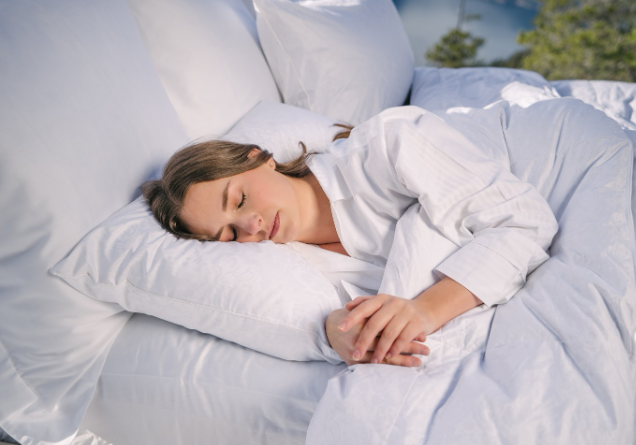
Tencel is a brand name for lyocell, a fiber made from wood pulp (often eucalyptus trees). Tencel sheets are known for being luxuriously smooth and very good at moisture control.
Cooling Qualities Of Tencel
- Excellent breathability: Air passes through easily, so you don’t overheat.
- Superior moisture management: Tencel wicks sweat faster than cotton.
- Hypoallergenic: Great for sensitive skin.
Tencel sheets also tend to resist wrinkles and feel cool even during hot, humid nights. They’re eco-friendly as well, made with less water and chemicals than most fabrics.
Credit: www.bellacasadcl.com
Microfiber Sheets: Soft But Not Always Cool
Microfiber sheets are made from very fine polyester fibers. They’re affordable, soft, and easy to care for. But are they cool for summer?
Drawback: Microfiber is less breathable than natural fibers. It can hold onto heat, making you sweat more. Some high-quality microfiber sheets are brushed for softness and may feel comfortable, but they rarely match the cooling power of cotton, linen, or bamboo.
Non-obvious insight: If you live in a very dry climate, microfiber might feel fine. In humid areas, it can make you feel sticky.
Silk Sheets: Luxury And Cooling (with A Catch)
Silk sheets feel smooth and cool to the touch. Silk naturally regulates temperature, so it can keep you cool in summer. It’s also hypoallergenic and gentle on skin and hair.
However: Silk sheets are expensive and require special care. They can be slippery and aren’t as durable as cotton or linen. For most people, silk is a luxury option rather than an everyday choice.
Jersey Sheets: Stretchy And Cozy, But Warm
Jersey sheets are made from a knit fabric, often cotton or a blend. They feel like a soft T-shirt and are very comfortable. However, jersey holds onto heat and moisture, making it less ideal for summer. If you want the coolest sleep, stick with percale or linen instead.
Comparing The Coolest Sheet Materials
To help you see the differences, here’s a simple comparison of the most popular summer sheet materials:
| Material | Breathability | Moisture-Wicking | Care Needs | Average Price |
|---|---|---|---|---|
| Percale Cotton | High | Good | Easy | $$ |
| Linen | Very High | Excellent | Medium | $$$ |
| Bamboo | High | Excellent | Easy | $$ |
| Tencel | High | Excellent | Easy | $$$ |
| Microfiber | Low | Average | Easy | $ |
| Silk | High | Good | Delicate | $$$$ |
Credit: sijohome.com
Best Weaves For Summer Sheets
Even with the right material, the way sheets are woven affects how they feel.
| Weave Type | Feel | Airflow | Best for Summer? |
|---|---|---|---|
| Percale | Crisp, cool | Excellent | Yes |
| Sateen | Silky, smooth | Good | Sometimes |
| Jersey | Soft, stretchy | Poor | No |
| Linen | Textured, airy | Excellent | Yes |
Practical Tips For Buying Cool Summer Sheets
- Check the label: Look for clear information about material (e.g., “100% linen,” “100% bamboo viscose”).
- Don’t focus only on thread count: Aim for 200–400 for cotton. Higher is not always better.
- Look for percale or linen weave: These are the best for airflow.
- Avoid blends with polyester: These trap heat.
- Think about your climate: Linen is best for humid areas, bamboo for both humid and dry.
Care And Maintenance Tips For Cooling Sheets
Caring for your sheets properly can help them stay cool and last longer.
- Wash with gentle detergent: Avoid heavy fabric softeners which can block breathability.
- Use cold or warm water: Hot water can weaken natural fibers.
- Dry on low heat or hang dry: High heat can shrink and damage sheets, especially linen or bamboo.
- Store in a cool, dry place: Avoid trapping moisture which can cause odor.
Regular washing also removes sweat and skin oils that can reduce the cooling effect.
Mistakes People Make When Choosing Summer Sheets
- Focusing only on price: Cheap sheets often use low-quality materials that trap heat.
- Ignoring weave and finish: Material alone isn’t enough. The weave changes how sheets feel.
- Choosing heavy, high-thread-count sheets: These may feel luxurious, but they can overheat you.
- Not checking for blends: Many “bamboo” or “cotton” sheets are blended with polyester. Always check the fine print.
- Expecting all cool sheets to feel the same: Linen is more textured; percale is crisp; bamboo is silky. Pick what feels best for you.
Real-world Examples And Recommendations
- If you live in a humid city like Houston or Singapore, linen sheets help wick moisture away and dry fast.
- In dry climates like Arizona, percale cotton or bamboo sheets do a great job of staying cool.
- If you suffer from night sweats, Tencel or bamboo sheets are excellent because they pull sweat away quickly.
- For people with allergies, bamboo and Tencel are naturally hypoallergenic.
You don’t need to spend a fortune to sleep cool. Even affordable percale cotton sheets can make a big difference if you choose wisely.
Common Questions About Cool Sheets
Many people are still unsure about the best option for their needs. Here are some quick answers to common questions.
Credit: www.sheridan.com.au
Frequently Asked Questions
What Thread Count Is Best For Cool Sheets In Summer?
For the coolest feel, a thread count of 200–400 is ideal for cotton sheets. Anything higher can make the fabric dense and less breathable.
Are Bamboo Sheets Really Cooler Than Cotton?
Bamboo sheets are often cooler than regular cotton because they wick moisture better and are more breathable. However, high-quality percale cotton can feel just as cool if you prefer a crisper texture.
Do Cooling Sheets Really Work For Night Sweats?
Yes, sheets made from linen, bamboo, or Tencel are especially helpful for night sweats because they wick moisture and dry quickly, keeping you comfortable.
How Can I Tell If Sheets Are Blended With Polyester?
Check the label for the word “blend” or for any mention of polyester (sometimes called “microfiber”). True cooling sheets will list “100%” of the natural fiber, such as “100% linen” or “100% bamboo viscose.”
Where Can I Find More Scientific Information About Cooling Fabrics?
You can find research on thermoregulatory bedding materials at trusted sources like Wikipedia.
Choosing the right sheets can transform your summer nights. Whether you prefer crisp percale, airy linen, or silky bamboo, the right bedding helps you sleep cooler, deeper, and more comfortably. Pay attention to material, weave, and care, and you’ll enjoy restful sleep, even when the weather is hot.