
Choosing the right pillowcase material can have a big impact on your sleep quality, skin health, and even hair. Many people think all pillowcases are the same, but the fabric you rest your head on every night matters more than you may realize.
Some materials are better at keeping away dust mites and bacteria. Others help reduce wrinkles or prevent hair breakage. With so many options available, it’s easy to get confused or pick the wrong one for your needs.
In this article, you’ll learn which materials are truly the healthiest for pillowcases, what sets them apart, and what to consider before buying. You’ll also see how different fabrics compare in key areas like breathability, allergy safety, and care requirements.
By the end, you’ll know exactly what to look for and how to make the best choice for your health.
What Makes A Pillowcase Material Healthy?
The healthiest pillowcase materials share several key qualities. They must be breathable, hypoallergenic, and easy to clean. Healthy pillowcases should also resist bacteria and dust mites, which can trigger allergies or skin problems. The fabric should not irritate your skin or trap heat and moisture, as these conditions can lead to acne or poor sleep.
Natural fibers often perform better in these areas, but there are exceptions. Some synthetic blends are specially designed to be safe and comfortable. When considering what is healthiest for you, pay attention to your personal needs—do you have sensitive skin, allergies, or hot flashes at night?
These factors can affect your best choice.
Top Healthy Materials For Pillowcases
Let’s look at the most popular pillowcase fabrics and see what makes them healthy or unhealthy. For each material, you’ll find practical advice, real-world examples, and a few insights many buyers miss.
1. Cotton
Cotton is the most common pillowcase material worldwide. It’s soft, breathable, and easy to wash. High-quality cotton, such as Egyptian or Pima cotton, has extra-long fibers, making it smoother and more durable.
Cotton pillowcases are gentle on skin and hair, making them a safe choice for most people. They absorb moisture well, so your face doesn’t feel sweaty at night. However, standard cotton can sometimes trap dust mites if not washed frequently.
Choosing organic cotton is even better, as it is free from harmful chemicals.
2. Linen
Linen comes from the flax plant and has been used for bedding for centuries. It’s naturally antibacterial and hypoallergenic, which helps prevent skin irritation and allergic reactions. Linen pillowcases are very breathable and wick away moisture faster than cotton.
One thing many people miss: linen gets softer with every wash, so it feels better over time. It’s also strong and lasts for years. However, linen can be rough at first and tends to wrinkle easily. If you want a cool, dry sleep and have sensitive skin, linen is a healthy choice.
3. Silk
Silk is famous for its smooth, luxurious feel. It’s one of the healthiest materials for pillowcases, especially for people with sensitive or acne-prone skin. Silk naturally repels dust mites, mold, and other allergens.
A big benefit is that silk reduces friction on your face and hair, which can help prevent wrinkles and split ends. One thing beginners often overlook: not all silk is the same. Look for mulberry silk with a high momme count (19 or higher) for the best results. Silk pillowcases need gentle washing and are usually more expensive.
4. Bamboo
Bamboo fabric is a newer option that is quickly gaining popularity. Made from the pulp of bamboo plants, it is naturally antibacterial, hypoallergenic, and very soft. Bamboo pillowcases are great for hot sleepers, as they wick away moisture and allow airflow.
Unlike some synthetics, bamboo fabric is eco-friendly if made with the right process. One non-obvious tip: check if the product is labeled as “bamboo viscose” or “bamboo lyocell.” Lyocell is the healthier and greener version. Bamboo pillowcases are a smart choice for allergy sufferers and people with skin issues.
5. Tencel (lyocell)
Tencel, also known as lyocell, is made from wood pulp, often from eucalyptus trees. This fabric is very soft, smooth, and cool to the touch. Tencel is naturally resistant to bacteria, making it a healthy choice for pillowcases.
What many don’t realize is that Tencel uses a closed-loop process, so almost all chemicals are recycled. This makes it a safe and sustainable option. Tencel pillowcases are less likely to cause irritation and are often recommended for people with eczema or sensitive skin.
6. Microfiber
Microfiber is a synthetic material made from polyester or nylon. It’s soft and affordable, and some versions are made to be hypoallergenic. Microfiber pillowcases are easy to care for and dry quickly.
However, not all microfiber is created equal. Cheaper versions can trap heat and don’t breathe well, which can cause sweating or acne. If you choose microfiber, look for high-quality, tightly woven options and wash them often.
7. Satin
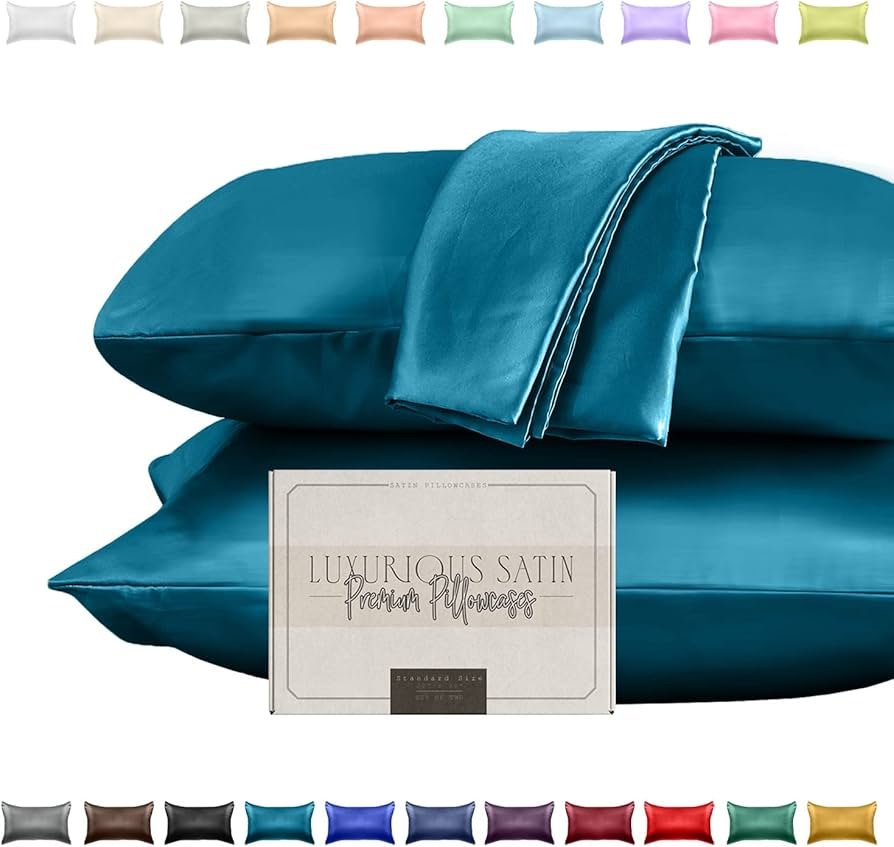
Satin refers to the weave, not the fiber. Satin pillowcases can be made from silk, polyester, or nylon. They are smooth and reduce friction, which can help your skin and hair stay healthy.
Polyester satin is cheaper but less breathable than silk satin. One thing to remember: satin can feel cool and slippery but may not wick away moisture well. It’s a good choice if you want to reduce hair breakage, but not the best for hot sleepers or people with oily skin.
Credit: icefabrics.com
Comparing Popular Pillowcase Materials
To help you see the differences, here’s a simple table comparing the main healthy pillowcase materials on key factors:
| Material | Breathability | Hypoallergenic | Moisture Wicking | Care Difficulty |
|---|---|---|---|---|
| Cotton | High | Medium | Good | Easy |
| Linen | Very High | High | Excellent | Medium |
| Silk | Medium | Very High | Good | Hard |
| Bamboo | High | Very High | Excellent | Medium |
| Tencel | Very High | Very High | Excellent | Medium |
| Microfiber | Low–Medium | Medium | Average | Easy |
| Satin (Silk) | Medium | High | Good | Hard |
| Satin (Polyester) | Low | Medium | Poor | Easy |
How Pillowcase Material Affects Skin And Hair
You spend about one-third of your life sleeping, and your pillowcase touches your face and hair every night. The healthiest pillowcase materials do more than just feel nice—they help keep your skin clear and your hair strong.
For example, silk and satin pillowcases reduce friction, which can prevent hair breakage and split ends. These materials also help reduce sleep lines and wrinkles, especially for side sleepers.
Linen, bamboo, and Tencel are great for people with acne or sensitive skin. They wick away sweat and oil, so bacteria can’t grow easily. This can make a real difference if you wake up with breakouts or irritation.
But here’s a detail most people miss: even the healthiest pillowcase must be washed at least once a week. Oils, sweat, and dead skin cells build up quickly. No material can protect your skin or hair if the pillowcase is dirty.
Allergy Considerations
If you have allergies or asthma, your pillowcase material matters even more. Dust mites and pet dander can live in some fabrics and trigger symptoms like sneezing, itching, or watery eyes.
The best materials for allergy sufferers are silk, bamboo, and Tencel. These fabrics are naturally resistant to dust mites and bacteria. Linen is also a strong choice because it doesn’t trap allergens easily.
On the other hand, avoid heavy, non-breathable synthetics. They can trap moisture and dust, creating a perfect home for allergens.
Here’s a quick comparison of allergy-friendly options:
| Material | Dust Mite Resistance | Pet Dander Resistance | Best for Allergies |
|---|---|---|---|
| Silk | Excellent | Good | Yes |
| Bamboo | Excellent | Excellent | Yes |
| Linen | Very Good | Good | Yes |
| Cotton | Good | Average | Sometimes |
| Microfiber | Poor | Poor | No |
Sustainability And Pillowcase Materials
Choosing a healthy pillowcase isn’t just about your own comfort—it also affects the planet. Fabrics like bamboo, Tencel, and organic cotton are more eco-friendly. These materials use less water and energy, and their production creates less pollution.
A non-obvious point: some “bamboo” fabrics are made with harsh chemicals, so look for certifications like OEKO-TEX or GOTS to be sure it’s truly safe and green. The same goes for cotton—organic is always better.
Synthetic materials like polyester and microfiber are less sustainable. They use a lot of energy to produce and can shed microplastics when washed.
Credit: icefabrics.com
Practical Tips For Choosing The Healthiest Pillowcase
- Know your skin type. If you have sensitive or acne-prone skin, pick silk, bamboo, or Tencel.
- Consider allergies. If you wake up stuffy or itchy, choose hypoallergenic materials like silk or bamboo.
- Think about care. Silk and linen require special washing, while cotton and microfiber are easy to clean.
- Look for certifications. For true health and safety, find products with OEKO-TEX or GOTS labels.
- Don’t forget thread count. For cotton, choose a thread count between 200–400 for the best balance of softness and breathability.
- Wash regularly. No pillowcase stays healthy if it’s not cleaned often. Aim for once a week at least.
- Check for hidden chemicals. Some pillowcases have added dyes or finishes. Organic and certified options are safest.
Common Mistakes When Choosing Pillowcase Material
Many people buy pillowcases based only on price or color. Here are mistakes to avoid:
- Choosing low-quality silk: Cheap silk is not always pure and may not have the same health benefits.
- Ignoring care instructions: Some fabrics look great but require dry cleaning or special washing.
- Falling for “bamboo” marketing: Not all bamboo pillowcases are made without harmful chemicals.
- Overlooking allergies: Picking a non-hypoallergenic pillowcase can make allergies worse.
- Neglecting breathability: A pillowcase that traps heat can ruin your sleep, no matter how soft it is.
Real-world Example
Anna, a 32-year-old with sensitive skin, suffered from breakouts and red patches every morning. She switched from a basic cotton pillowcase to a mulberry silk one. Within two weeks, her skin irritation reduced, and her dermatologist noticed fewer clogged pores. What helped was not just the fabric, but also washing it twice a week and avoiding harsh detergents. This shows that the healthiest material works best when cared for properly.
Frequently Asked Questions
What Is The Best Pillowcase Material For Acne-prone Skin?
Silk, bamboo, and Tencel are the best choices for acne-prone skin. These materials are smooth, reduce friction, and wick away moisture. They are also naturally resistant to bacteria, which helps prevent breakouts.
How Often Should I Wash My Pillowcase For Good Health?
You should wash your pillowcase at least once a week. If you have oily skin, allergies, or sweat a lot at night, wash it every 3–4 days. Regular washing removes oils, dead skin cells, and bacteria.
Are Expensive Pillowcase Materials Worth It?
In many cases, yes. High-quality materials like mulberry silk or certified bamboo lyocell last longer, feel better, and offer real health benefits. However, always check for real certifications and read reviews before buying.
Is Microfiber A Healthy Choice For Pillowcases?
Microfiber is soft and easy to care for, but it’s not the healthiest choice. It can trap heat and dust, which may cause skin irritation or allergies. If you want a synthetic option, choose a high-quality, tightly woven microfiber and wash it often.
Where Can I Find More Information About Healthy Bedding Materials?
You can learn more about healthy bedding and certifications from trusted sources such as Wikipedia’s Bedding article, which covers material types, safety, and care tips.
Choosing the healthiest material for pillowcases is not just about comfort or style. It’s about supporting your skin, hair, and overall well-being every night. By understanding your needs and the facts behind each fabric, you’ll sleep better—and feel better—every morning.
Credit: www.amazon.com