
Washing your comforter seems simple—just toss it in the machine and let it spin. But many people find that after washing, their once-fluffy comforter now has lumpy sections and thin, flat spots. This is frustrating, especially if you want your bed to look and feel inviting. Understanding why comforters clump after washing can help you avoid this common problem and keep your bedding soft and even for years.
Understanding Why Comforters Clump
Comforters are designed to provide warmth by trapping air between layers of filling material like down, feathers, or synthetic fibers. When these materials are evenly spread, the comforter feels plush and warm. However, washing can disturb this balance.
What Happens Inside The Comforter
During washing, water and agitation cause the filling to move around. The fabric shell of the comforter might not stop the filling from shifting into one area, especially if there are no box stitches or quilting to hold it in place. When the comforter dries, the filling can stay in these new, uneven positions, creating lumps.
Main Causes Of Comforter Clumping
Several factors increase the risk of your comforter clumping after a wash. Some are related to how the comforter is made, while others are about how you wash and dry it.
1. Type Of Filling Material
The filling material in your comforter affects how likely it is to clump.
- Down and feathers: Natural fillings like goose down or feathers are soft but can bunch up easily when wet.
- Synthetic fibers: These can also clump but often recover better than natural fillings if dried properly.
- Cotton or wool: Less common, but cotton can mat and wool can shrink or felt, leading to uneven clumps.
2. Lack Of Proper Stitching
Comforters with box stitching or quilted patterns keep the filling in place. Comforters without these stitches allow the filling to move freely, leading to bigger lumps after washing.
3. Overloading The Washing Machine
Washing a comforter in a machine that is too small or packed too tightly prevents even movement. The comforter cannot move freely, so the filling gets forced into corners and edges.
4. Using Too Much Detergent
Detergent residue can coat the filling, making it sticky. This causes fibers to stick together instead of separating during the wash and dry cycles.
5. Inadequate Rinsing
If your comforter is not rinsed thoroughly, soap can stay inside, causing the filling to clump and feel heavy.
6. Not Drying Properly
The way you dry the comforter is as important as washing. If the comforter is not dried completely, the wet filling will stick together as it dries. Using high heat can also damage the filling, especially natural down.
7. Skipping Dryer Balls Or Tennis Balls
Dryer balls or clean tennis balls help break up clumps during drying. Without them, the filling often stays stuck together in large lumps.
8. Washing Too Frequently
Frequent washing can break down the structure of the filling and stitching, making clumping more likely over time.
How Different Comforter Types React To Washing
Not all comforters react the same way to washing. Here’s a quick comparison of how common types handle the process:
| Comforter Type | Clumping Risk | Best Washing Practice |
|---|---|---|
| Down/Feather | High | Gentle cycle, low heat dry, use dryer balls |
| Synthetic Fiber | Medium | Warm cycle, low heat dry, use dryer balls |
| Cotton | Low | Cold wash, air dry or low heat |
| Wool | Medium-High | Dry clean or gentle hand wash |
Step-by-step: What Happens During Washing
Washing a comforter may seem easy, but each stage can cause problems if not done carefully.
Washing Stage
When you put the comforter in the machine, water soaks the filling. The spinning and tumbling motion can move the filling around, especially if the comforter is too large for the machine.
Rinsing Stage
If the comforter is not rinsed enough, soap stays inside. This soap causes the fibers to stick, leading to clumping.
Drying Stage
As the comforter dries, the wet filling can stick together. If you do not shake or fluff the comforter during drying, these clumps harden into permanent lumps.
The Role Of Machine Size And Settings
Using the right machine is crucial. Home washing machines are often too small for bulky comforters. When the comforter cannot move, the filling is squeezed and pushed into lumps.
Comparing Washer Types
| Washer Type | Comforter Fit | Recommended? |
|---|---|---|
| Top-loader (with agitator) | Poor | No |
| Front-loader | Better | Yes |
| Laundry Mat Large-Capacity | Best | Yes |
Why Drying Methods Matter
Proper drying is one of the most important steps to prevent clumping. Wet filling clumps together easily, and heat can damage some materials.
- Air drying: Takes longer but is gentle, especially for down.
- Tumble drying with dryer balls: Helps break up clumps and fluffs the filling.
- High heat: Can damage down and some synthetics, leading to hard lumps or even melted fibers.
If you remove the comforter too soon and it’s still damp inside, the filling will clump as it finishes drying.

Credit: www.myurbanvalet.com
Common Mistakes That Lead To Clumping
Even with the best intentions, people often make mistakes that cause clumping:
- Washing in a small machine: Not enough room to move.
- Using hot water: Damages filling and fabric.
- Skipping the extra rinse cycle: Leaves soap in the comforter.
- Not using dryer balls or tennis balls: No help breaking up clumps.
- Not checking for dryness in the middle: The outside may feel dry, but the inside is still wet.
How To Prevent Clumping: Practical Steps
Keeping your comforter clump-free is possible if you follow these tips:
- Use a large-capacity washer: Go to a laundromat if needed.
- Select a gentle cycle: Less agitation means less shifting.
- Add extra rinse cycles: Make sure all detergent is removed.
- Dry thoroughly with dryer balls: Check every 30 minutes and shake out the comforter.
- Never use high heat: Low or medium heat is safer for most fillings.
- Fluff and shake: Every time you check the comforter, break up any lumps by hand.
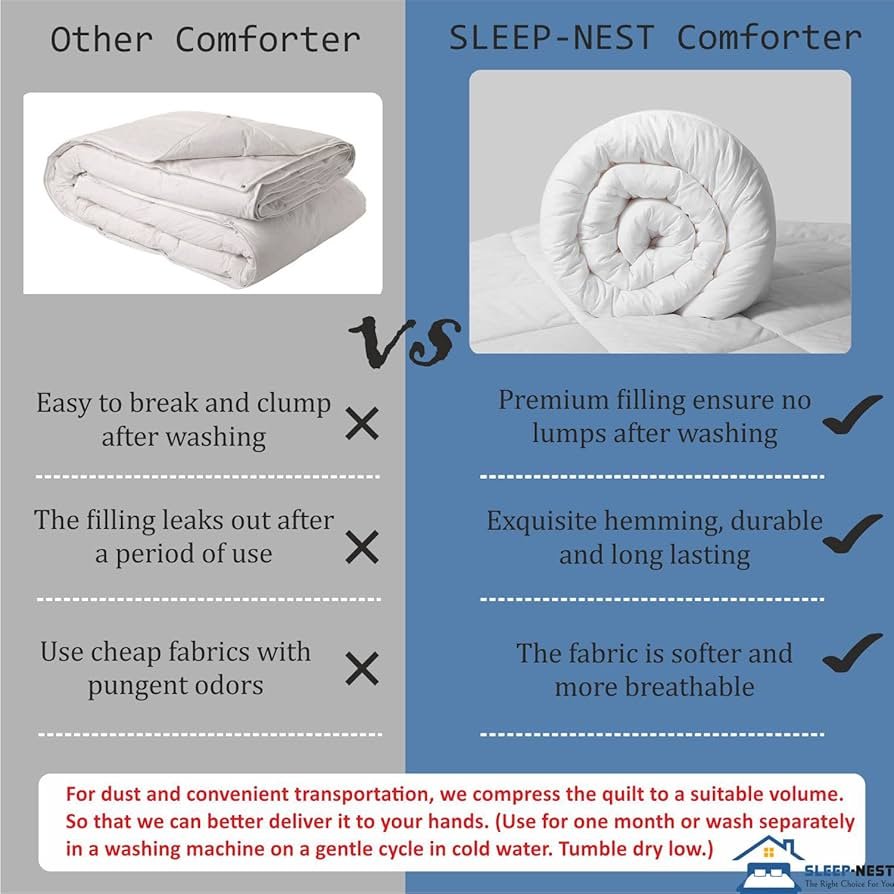
- Wash less often: Use a duvet cover and only wash the comforter when truly needed.
Credit: www.amazon.com
Non-obvious Insights Beginners Miss
Many people assume that more detergent means a cleaner comforter. In fact, extra detergent makes rinsing harder and increases clumping risk. Another overlooked detail: even if your comforter feels dry on the outside, the filling inside may still be damp. Always check by pinching thick sections. If they feel cool or heavy, keep drying.
When Clumping Is Permanent
Sometimes, after several bad washes, clumps will not come out no matter what you do. This can happen if the filling has broken down or fused together. In such cases, you may need to replace the comforter or have it professionally cleaned and re-fluffed.
Expert Comparison: Home Washing Vs. Professional Cleaning
Should you always wash your comforter at home? Not necessarily. Professional cleaners use large machines and special drying equipment. They can handle delicate down or wool comforters without causing clumping.
| Cleaning Method | Pros | Cons |
|---|---|---|
| Home Washing | Convenient, cheap | Risk of clumping, may damage comforter |
| Professional Cleaning | Best results, safer for expensive comforters | More expensive, takes longer |
The Science Behind Clumping
Clumping is not just about poor technique—there’s real science at work. When filling gets wet, water molecules reduce the friction between fibers, allowing them to stick together. As the comforter dries, surface tension pulls fibers into small balls, creating lumps.
Air movement and mechanical action (like dryer balls) help separate the fibers and restore loft.
Real-world Example
Imagine a king-size down comforter washed in a small top-loading machine. The comforter gets twisted around the agitator, and the filling moves to one side. After a single drying cycle, you notice large lumps and flat areas. This is a classic result of overloading and poor drying. If the same comforter was washed at a laundromat in a large front-loader with dryer balls and multiple checks, it would likely come out fluffy and even.
Professional Tips To Maintain Fluffiness
- Invest in a duvet cover: This protects your comforter and reduces washing needs.
- Spot clean spills: Instead of full washing, use a mild soap and water for small stains.
- Store comforter loosely: Do not compress it in a small bag; let it breathe.
When To Replace Your Comforter
No comforter lasts forever. If clumping cannot be fixed or the comforter is more than 5-7 years old, it may be time to buy a new one. Older comforters lose their loft and warmth, even if they look clean.
Frequently Asked Questions
Why Does My Comforter Always Clump After Washing, Even When I Follow Instructions?
Clumping can still happen if the comforter is old, the filling is damaged, or your washer is too small. Sometimes, the original stitching may have come loose, allowing the filling to move more easily.
Can I Fix A Comforter That Has Already Clumped?
You can try re-fluffing by putting it in the dryer with dryer balls on low heat. For severe clumps, break them up by hand. If this does not work, professional cleaning may help, but sometimes the clumping is permanent.
Is It Safe To Dry A Comforter Outside In The Sun?
Yes, air drying in the sun is gentle and can help kill dust mites. However, make sure to shake and fluff the comforter several times during drying. Do not leave it in direct sunlight for too long, as UV rays can weaken the fabric.
How Often Should I Wash My Comforter To Prevent Clumping?
Wash your comforter only when necessary, usually 2-3 times per year if you use a duvet cover. Over-washing weakens the filling and increases the risk of clumping.
Are There Special Detergents For Comforters?
Some detergents are made for down or delicate bedding. These are usually low-sudsing and rinse out easily. Avoid regular, heavy detergents. For more information, visit Good Housekeeping.
Keeping your comforter soft and fluffy after washing is not just about the detergent or the machine. It’s about understanding the materials, using the right techniques, and caring for your bedding with small, smart habits. With these tips, you can avoid clumping and enjoy a cozy, inviting bed every night.
Credit: troy-cleaners.com