
Choosing the right bedding can make a huge difference in how well you sleep and how comfortable your nights are. Many people face a common question: should you buy a duvet or a comforter? At first, these two options might seem similar, but they have key differences that can affect your sleep, your cleaning routine, and even your bedroom style. If you’re not sure which one is best for you, don’t worry. This guide will help you understand everything you need to know to make a confident choice.
Understanding Duvets And Comforters
Before you can choose, it’s important to know what a duvet and a comforter actually are. These terms are often used wrongly or even interchangeably, especially in online stores or by salespeople.
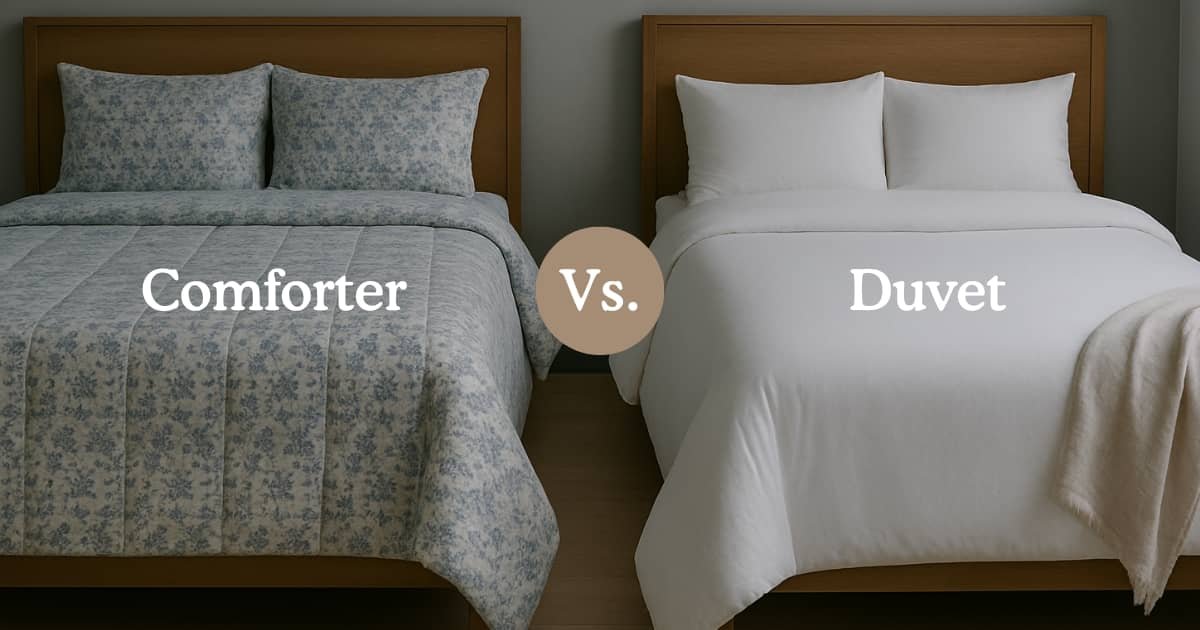
A duvet is a soft, flat bag filled with down, feathers, wool, or synthetic fibers. It is designed to be used inside a duvet cover, which acts like a pillowcase. The duvet cover protects the duvet and adds style, and it’s easy to remove and wash.
A comforter, on the other hand, is a thick, quilted, fluffy blanket that is filled with similar materials but sewn shut. Comforters are usually decorated on the outside and are meant to be used without a cover. You put a comforter directly on your bed, sometimes with a flat sheet underneath.
Why The Difference Matters
The choice between a duvet and a comforter is not just about looks. It affects how you sleep, how often you have to do laundry, and how you decorate your room. Making the right choice can save you time, effort, and even money over the years.
Comparing Key Features
Let’s look at the main differences between duvets and comforters in a clear way. The table below highlights the most important factors:
| Feature | Duvet | Comforter |
|---|---|---|
| Structure | Insert and removable cover | Single piece, sewn shut |
| Cleaning | Wash cover often, insert less often | Wash whole comforter |
| Style Change | Easy (just change cover) | Harder (need new comforter) |
| Warmth Adjust | Easy (change insert or layer) | More difficult |
| Making Bed | Can shift inside cover | Stays in place |
| Price Range | Often higher (for both parts) | Usually cheaper upfront |
This comparison gives a quick overview, but each factor deserves a closer look. Let’s go deeper into what really matters.
Comfort And Warmth
How your bedding feels at night is probably the most important thing. Both duvets and comforters can be warm and cozy, but they do it in slightly different ways.
Duvet Comfort
A duvet is often fluffier and can feel more luxurious, especially if filled with goose down. You can choose the weight and warmth level when you buy the insert. In cold climates, a thick duvet can keep you very warm. In summer, you can switch to a lighter insert.
Comforter Comfort
A comforter’s warmth depends on its fill and thickness. Most comforters are made to give a balanced level of warmth, but you can find extra-warm or lightweight options. The main thing is, you cannot easily change its warmth unless you buy a new one.
Non-obvious Insights
- The warmth of both duvets and comforters is measured by “fill power” for down products. Higher fill power means more warmth for less weight.
- Synthetic fills can trap heat differently, sometimes making you sweat more. If you get hot at night, look for breathable or moisture-wicking materials.
Cleaning And Maintenance
No one likes spending too much time doing laundry, so how you care for your bedding matters.
Washing A Duvet
You usually only need to wash the duvet cover every one or two weeks, just like your sheets. The insert itself might need washing just a few times a year, or even less. This makes duvets a good choice for people with allergies or sensitive skin, since you’re always sleeping against a clean surface.
Washing A Comforter
With a comforter, you have to wash the whole thing. This can be hard if your machine is small, or if the comforter is very thick. Drying can take a long time too. Frequent washing can also wear out the filling and stitching.
Practical Tip
Always check the care label before buying. Some duvets and comforters are dry clean only, while others are machine washable. Choose one that fits your lifestyle.
Credit: www.dozebedding.com
Style And Bedroom Design
Your bed is often the main piece in your room, so style is important.
Duvet Style
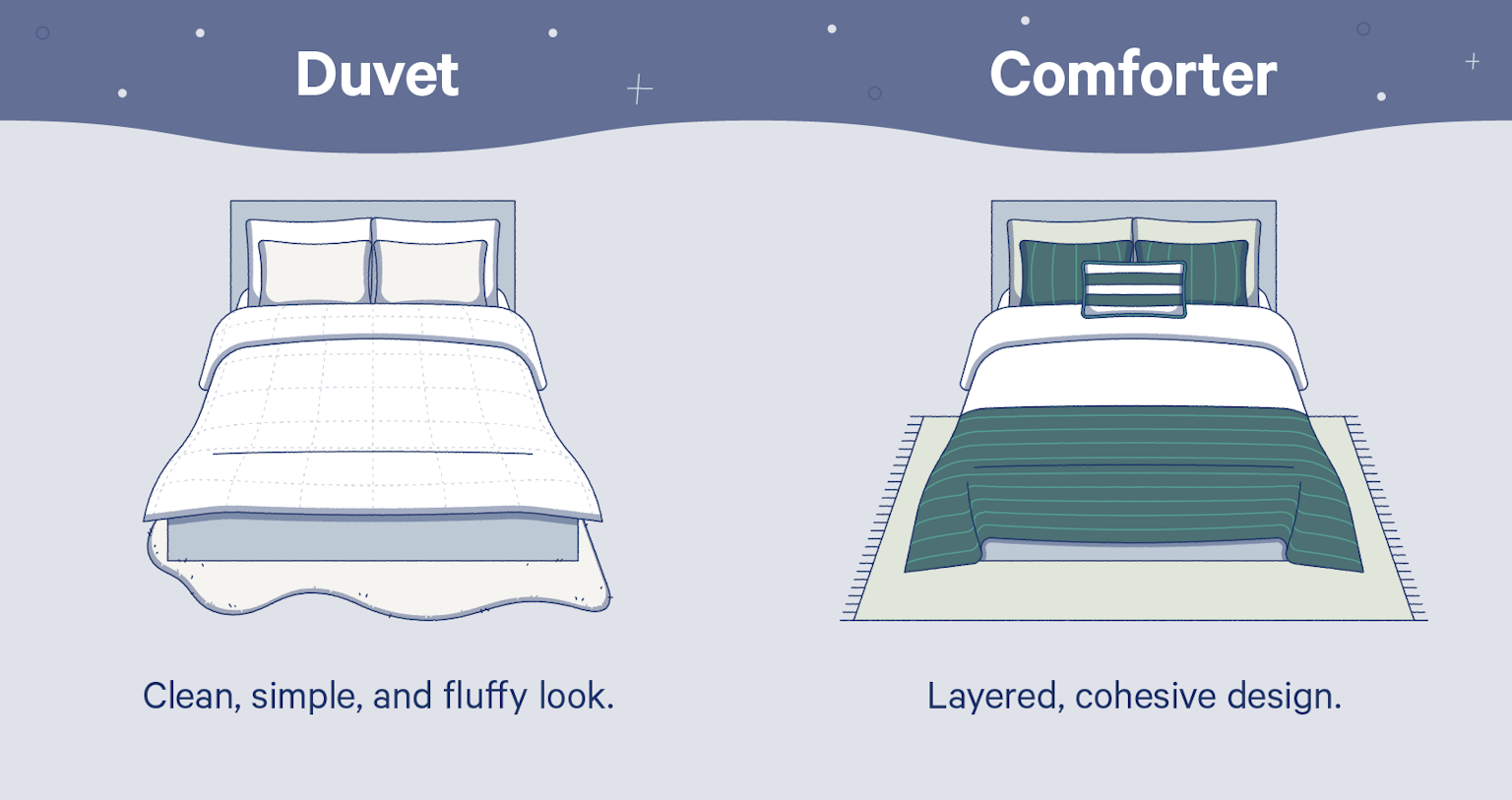
With a duvet, you have endless design options. Just change the cover for a new look—modern, classic, colorful, or calm. This is cheaper and easier than buying a new comforter every time you want a change.
Comforter Style
A comforter is what you see: the design is permanent. Some people like this, because you don’t have to fuss with a cover. But if you get bored with your comforter’s look, you will need to buy a whole new one.
Non-obvious Insight
Some comforters come as part of a “bed in a bag” set, with matching pillow shams and sheets. This makes it easy to get a coordinated look, but the quality of each piece can vary.
Ease Of Use
How easy is it to make your bed each morning? And how simple is it to keep your bedding in place?
Duvet Challenges
Duvets can shift around inside their covers, which means you may have to adjust them often. Some covers have corner ties or buttons to help hold the insert in place. Putting a duvet inside its cover can also be tricky the first few times.
Comforter Simplicity
Comforters are ready to use. Just lay it on the bed. Nothing shifts, nothing bunches up. This is great for kids, teens, or anyone who likes a quick, neat bed.
Cost Over Time
Let’s look at what you might pay, not just today, but in the future.
Duvet Costs
A good duvet insert can cost more than a comforter, and you’ll need to buy at least one cover. However, you save money later, because you only need to buy new covers to refresh your style. Over many years, this can be cheaper.
Comforter Costs
Comforters can cost less up front. But if you want a new look, or if the comforter wears out from washing, you have to buy a whole new one. This can add up.
Allergies And Health
If you have allergies or asthma, your choice of bedding matters even more.
- Duvets, especially with hypoallergenic covers and inserts, can be better for allergy sufferers, since you wash the cover often.
- Comforters can collect dust and allergens, and are harder to clean regularly.
For both, look for options labeled hypoallergenic if you are sensitive.
:max_bytes(150000):strip_icc()/SPR-duvet-vs-comforter-7113622-844fc226dedd4e74a8dfa30ac2473f95.jpg)
Credit: www.thespruce.com
Climate And Season
Where you live makes a big difference in what type of bedding works best.
- In cold areas, a thick duvet with a high fill power keeps you warm.
- In hot or humid climates, a lightweight comforter or a thin duvet insert in a breathable cover is best.
Some people use both: a comforter in winter, a duvet cover alone in summer.
Durability
Both duvets and comforters can last for years, but how you care for them matters.
- Duvets tend to last longer, because you don’t wash the insert as often.
- Comforters wear out faster if washed a lot, especially cheaper ones with loose stitching.
A good tip: always use a cover (for duvets) or a top sheet (for comforters) to protect your bedding.
Which Is Easier To Find?
In the US, comforters are more common in stores. In Europe, duvets are the standard. Online, you can find both, but always check sizing—duvet covers and comforters sometimes use different measurements.
| Region | Most Common Option | Notes |
|---|---|---|
| United States | Comforter | Often sold with matching sets |
| Europe | Duvet | Usually sold separately from cover |
| Asia | Both | Check size standards |
Making Your Decision: Key Questions To Ask
Choosing between a duvet and a comforter is personal. Here are some questions to help you decide:
- How often do you want to wash your bedding?
- If you want easy, frequent washing, a duvet with a removable cover is best.
- Do you like to change your room’s look often?
- Duvet covers make it simple and affordable.
- Do you want a quick, easy bed every morning?
- A comforter stays in place and is fast to use.
- Are you sensitive to dust or allergens?
- Duvets with washable covers are often healthier.
- Is upfront cost or long-term value more important?
- Comforters are cheaper at first, duvets might save money later.
Common Mistakes To Avoid
When shopping for bedding, many people make these errors:
- Not checking the care instructions before buying. Some bedding is dry clean only and hard to care for.
- Buying the wrong size. Duvet covers and comforters can vary in size, especially between countries.
- Ignoring the fill material. Some people are allergic to down; synthetic fills can feel warmer or cooler.
- Choosing style over comfort. Looks matter, but not as much as a good night’s sleep.
Real-life Example
Let’s say you live in a small apartment with a washing machine that can only handle small loads. You have mild allergies and like to change your room’s look for each season. In this case, a duvet with several covers is a smart choice. You can wash the cover weekly, match your style to the season, and keep the insert clean with less effort.
But if you’re a busy college student who hates making the bed, a comforter is simple and hassle-free. Just toss it on the bed and go.
Summary Table: Which One Fits Your Life?
Here’s a final quick look to help you decide:
| Your Need | Best Choice |
|---|---|
| Frequent cleaning | Duvet |
| Easy bed-making | Comforter |
| Changing styles | Duvet |
| Budget-friendly | Comforter |
| Allergy issues | Duvet |
| Warmth variety | Duvet |
Frequently Asked Questions
What Is The Main Difference Between A Duvet And A Comforter?
The biggest difference is that a duvet needs a removable cover, while a comforter is one sewn-together piece you use as it is. Duvet covers are easy to wash and change, while comforters are not.
Can I Use A Duvet Without A Cover?
It’s not recommended. Duvet inserts are plain and not made to be slept under directly. The cover protects the insert, adds style, and is easy to wash.
Are Duvets Warmer Than Comforters?
It depends on the fill type and weight. Duvets are often fluffier and can be warmer, but you can find both lightweight and extra-warm options for both types.
Is A Comforter Or Duvet Better For Allergies?
A duvet with a hypoallergenic cover is usually best for allergy sufferers, since you can wash the cover often. Comforters can hold more dust and are harder to clean.
Where Can I Find More Information About Bedding Types?
A good place to start is the Wikipedia duvet article, which explains the history and types in detail.
Choosing between a duvet and a comforter is about your lifestyle, habits, and comfort needs. Both can give you a good night’s sleep if you pick the one that matches your life. Take a little time to think about what matters most to you, and you’ll enjoy cozy, restful nights for years to come.
Credit: casper.com