
When you make your bed, you probably notice two types of sheets: the fitted sheet and the flat sheet. Some people use both. Others skip the flat sheet and only use the fitted one. This simple choice can change your comfort, sleep quality, and even how often you need to wash your bedding. But do you really need a flat sheet, or is a fitted sheet enough? The answer depends on your habits, preferences, and lifestyle.
Let’s break down the differences, reasons for each choice, and what sleep experts say. If you want a better night’s sleep and less hassle with laundry, understanding your bedding can make a big difference.
What Are Fitted Sheets And Flat Sheets?
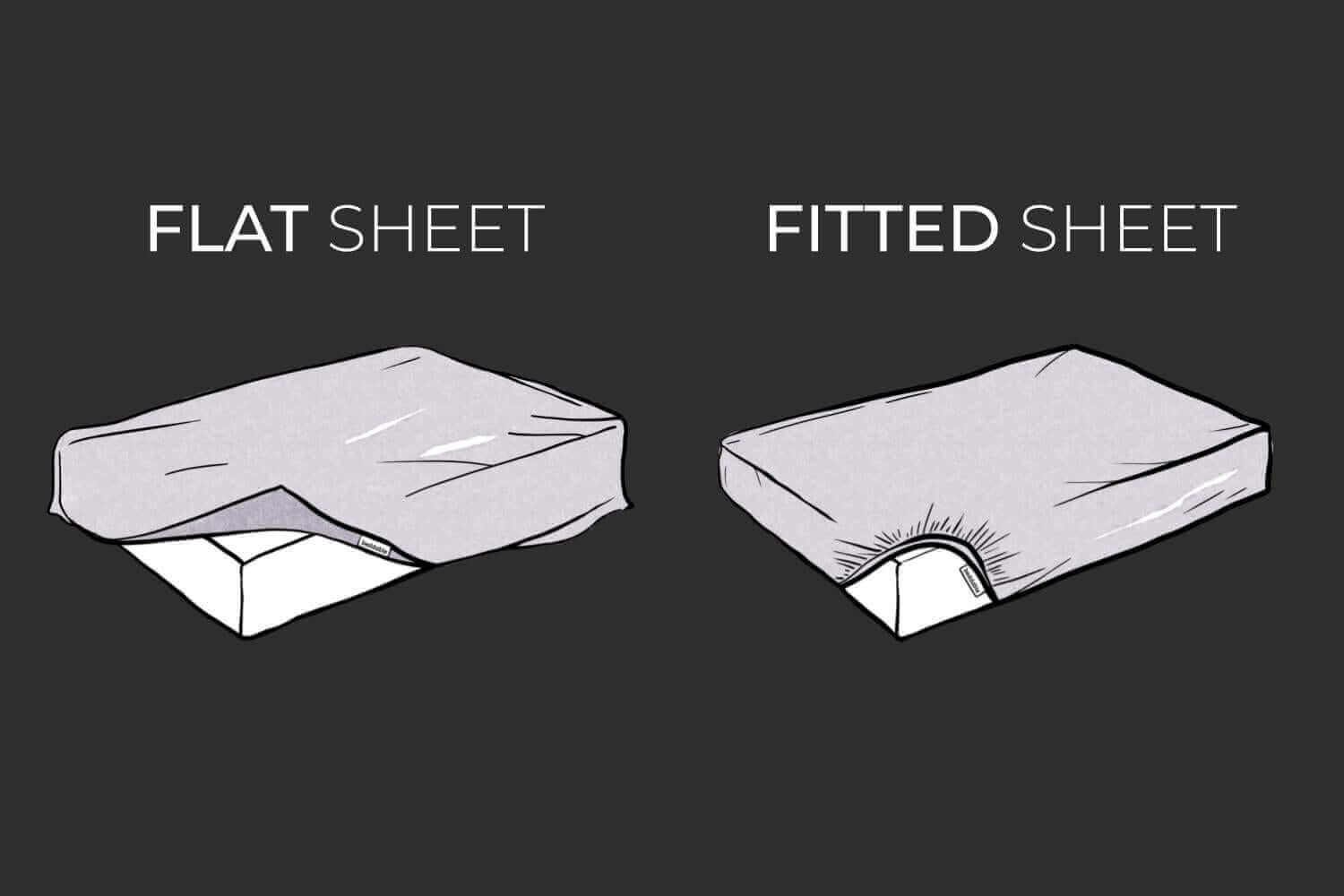
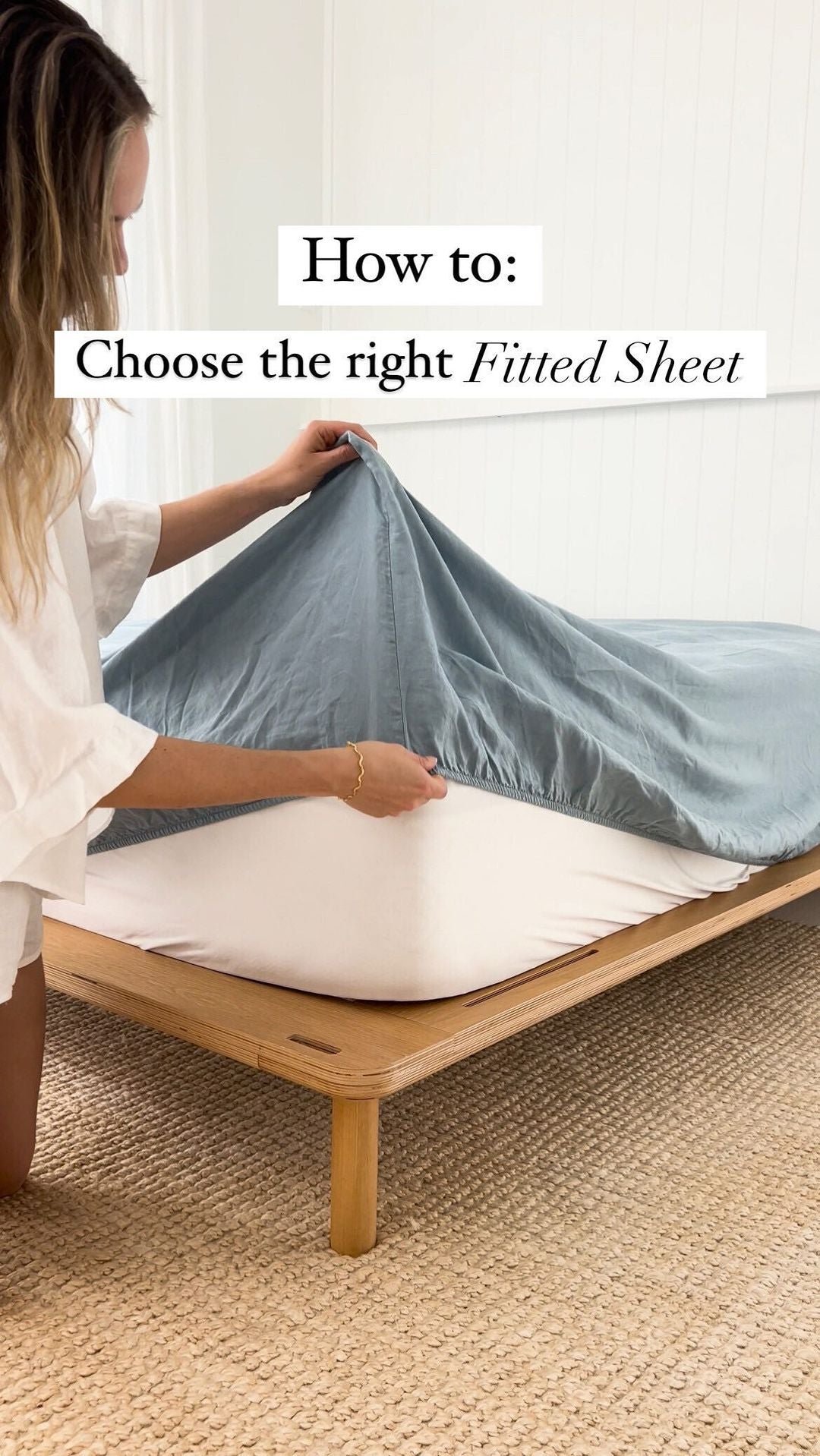
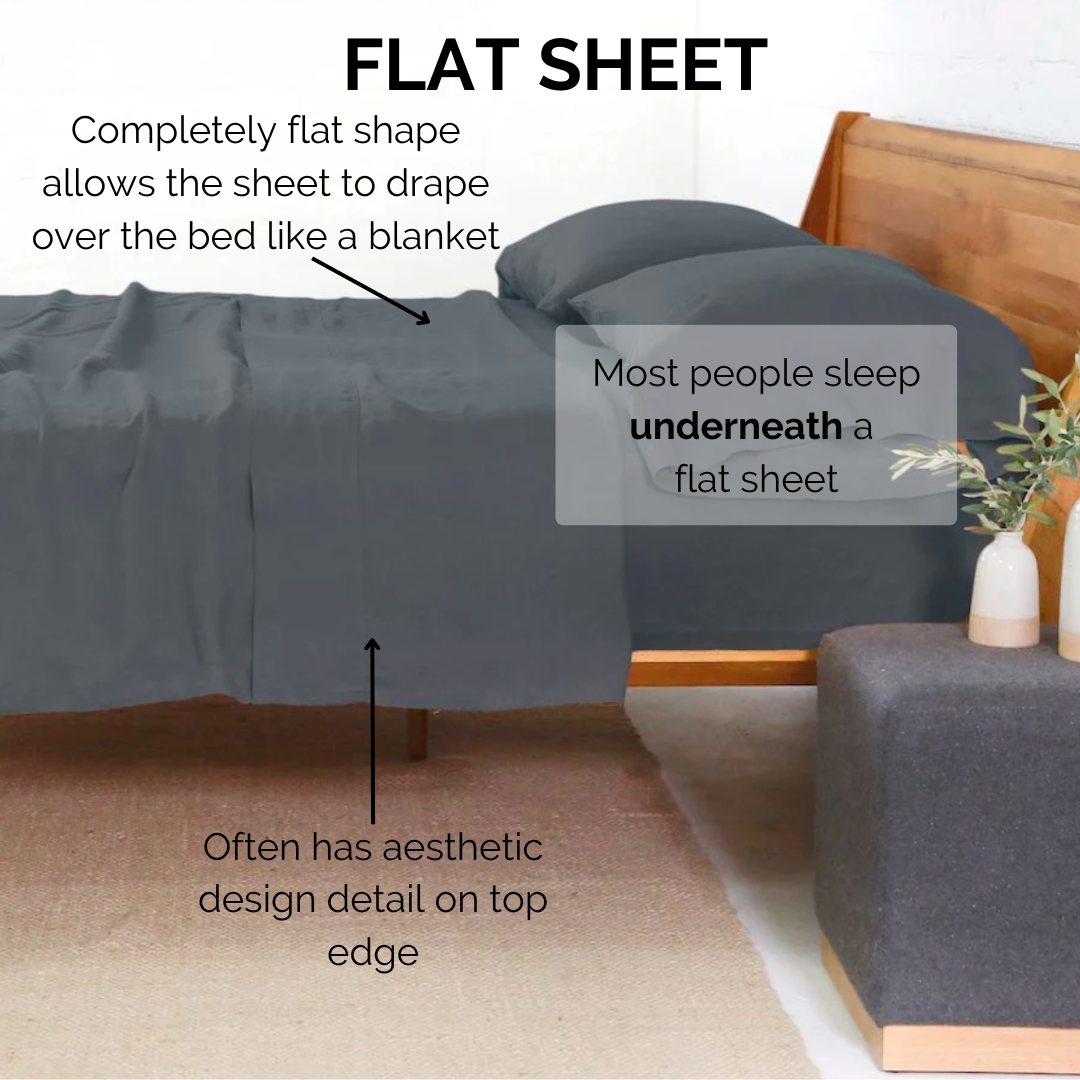
A fitted sheet has elastic edges that wrap snugly around your mattress. It creates a smooth surface you sleep directly on. A flat sheet (sometimes called a top sheet) is a rectangular piece of fabric that goes between you and your blanket or comforter. In many countries, both are used together. In others, people skip the flat sheet.
Fitted Sheet
- Covers the mattress entirely
- Stays in place due to elastic corners
- Usually, the first layer you put on your bed
Flat Sheet
- Lies on top of the fitted sheet, under your blanket or duvet
- Can be tucked in or left loose
- Acts as a barrier between your body and the blanket
Why Some People Use Only Fitted Sheets
Many people, especially younger generations and those in Europe or Australia, have started to skip the flat sheet. Here are some reasons:
- Simplicity: Only using a fitted sheet makes making the bed faster and easier. There’s no need to tuck or straighten a second sheet.
- Less Laundry: One less item to wash and fold saves time.
- Comfort: Some find flat sheets bunch up or come untucked at night, which can be annoying.
- Modern Duvet Covers: In many places, people use duvet covers (which are washed regularly) instead of flat sheets for hygiene.
A 2021 survey by the National Sleep Foundation found that 59% of Americans still use flat sheets, but among people under 35, only 37% do. This shift reflects changing habits and bedding trends.
Credit: bedable.com
Why Some Prefer Using A Flat Sheet
For others, a flat sheet is essential. Here’s why:
- Extra Layer of Cleanliness: Flat sheets protect your blanket or duvet from sweat, skin oils, and dirt. This means you can wash your heavy blanket less often.
- Temperature Control: On warm nights, you can use only the flat sheet for a light cover. It adds flexibility.
- Smoother Feel: Many people enjoy the crisp, cool feel of a flat sheet, especially with high-quality cotton.
- Hotel Experience: Most hotels use flat sheets for hygiene and comfort. It’s part of the “fresh bed” feeling.
- Traditional Habit: In some cultures, it’s simply the way beds are made.
Key Differences: Fitted Sheet Vs Flat Sheet
To help you understand at a glance, here’s a comparison:
| Feature | Fitted Sheet | Flat Sheet |
|---|---|---|
| Purpose | Covers mattress | Barrier between body and blanket |
| Shape | Has elastic corners | Rectangular, no elastic |
| Placement | First layer on mattress | Above fitted sheet, under blanket |
| Laundry Frequency | Washed weekly | Washed weekly (if used) |
| Comfort | Stays in place | Can bunch up or untuck |
| Temperature Use | Year-round | Good for warm nights |
Should You Use Both Or Just A Fitted Sheet?
The best choice depends on your sleep style, climate, and cleaning habits. Here’s how to decide:
When To Use Only A Fitted Sheet
- You use a duvet cover and wash it often
- You dislike extra layers
- You move a lot during sleep and hate tangled sheets
- You want to save time making your bed
- You live in a hot climate and rarely use blankets
When To Use Both Sheets
- You want to keep your blanket/duvet cleaner for longer
- You like the hotel feel
- You want an extra layer for warmth or coolness
- You have sensitive skin and want the softest barrier possible
- You don’t mind a few extra laundry steps
Flat Sheet: Pros And Cons
It helps to see the main benefits and drawbacks side by side:
| Pros | Cons |
|---|---|
| Keeps blanket/duvet cleaner | Can get tangled or bunched |
| Easy to wash and dry | Extra laundry and folding |
| Adjustable temperature comfort | Not used in all bedding cultures |
| Classic, luxury hotel feel | Some find it unnecessary |
What Sleep Experts And Dermatologists Say
Many sleep experts recommend using a flat sheet for hygiene. According to the American Academy of Dermatology, your sheets can collect sweat, dead skin, and even dust mites. A flat sheet acts as a protective barrier, so you don’t have to wash your heavy blanket as often.
However, experts also agree that if you wash your duvet cover every week, you don’t need a flat sheet. Some people find a flat sheet uncomfortable, especially if it ends up tangled around their legs.
Key insight: The most important factor for healthy sleep is keeping what touches your skin clean, whether that’s a flat sheet, duvet cover, or both.
Regional And Cultural Differences
Bed-making habits vary around the world. In the United States and Canada, most people use both sheets. In many parts of Europe, especially Scandinavia, people often skip the flat sheet and use only a fitted sheet with a washable duvet cover.
In Japan, futons are common, and flat sheets are rarely used.
Non-obvious insight: Bedding sets sold in the U.S. often include a flat sheet by default, but bedding sets in Europe may not. This difference can confuse travelers and shoppers.
Bedding Maintenance: Laundry Tips
If you use a flat sheet, you may only need to wash your comforter or duvet every few weeks. But if you skip the flat sheet, plan to wash your duvet cover or blanket as often as your fitted sheet.
Typical washing frequency:
- Fitted sheet: Once a week
- Flat sheet (if used): Once a week
- Duvet cover (if no flat sheet): Once a week
- Blanket/comforter: Every 2–4 weeks (more often if you sweat a lot)
Pro tip: If you have allergies or sensitive skin, you may want to wash all bedding even more often.
Sleeping Comfort: Practical Considerations
Some people love the smooth, cool feel of a flat sheet, especially in summer. Others find it slides off or gets tangled. If you toss and turn at night, a flat sheet might end up wrapped around your legs, leading to a restless sleep.
If you sleep hot, a flat sheet lets you use just one light layer. If you sleep cold, you can layer your flat sheet, blanket, and comforter for more warmth.
Non-obvious insight: The type of fabric matters. Percale flat sheets feel crisp, while sateen feels silky. If you hate the feeling of a flat sheet, you may simply need a different fabric.
Credit: www.ilovelinen.com.au
Environmental Impact And Minimalism
Using only a fitted sheet means fewer items to buy, wash, and eventually throw away. This can be better for the environment, especially if you choose high-quality, long-lasting sheets.
But, washing a duvet cover more often (if you skip the flat sheet) can use more water and energy. There’s a trade-off between convenience and sustainability.
Minimalist tip: If you’re aiming for a minimalist lifestyle, skipping the flat sheet makes sense. But remember, you’ll need to clean whatever touches your skin regularly.
How To Choose: A Quick Decision Guide
Here are some questions to help you decide:
- Do you want to save time on bed-making?
- Are you sensitive to feeling tangled up at night?
- Do you wash your duvet cover every week?
- Is keeping your bedding as clean as possible a top priority?
- Do you like the hotel bed experience?
If you answered yes to 1–3, you might prefer just a fitted sheet. If yes to 4–5, using both sheets could be better for you.
Credit: www.figlinensandhome.com
Flat Sheet And Fitted Sheet: Material And Quality
Both sheets come in a range of fabrics, from budget polyester to luxury Egyptian cotton. Higher thread count does not always mean better quality, but it often means a softer feel.
Key materials to consider:
- Cotton (breathable, soft, easy to wash)
- Linen (cool, airy, durable)
- Microfiber (budget-friendly, less breathable)
- Bamboo (eco-friendly, soft, hypoallergenic)
If you sweat at night, choose natural fibers. Synthetic fabrics can trap heat and moisture.
What About Allergies And Sensitive Skin?
For people with allergies, having a barrier between your skin and blankets helps. Dust mites love to live in bedding, especially in warm, humid places. A flat sheet, washed often, can reduce allergens.
If you have sensitive skin, look for sheets labeled “hypoallergenic” and avoid harsh detergents. Washing all bedding in hot water (above 130°F/54°C) helps kill allergens.
Flat Sheet Or Fitted Sheet: Which Is More Popular Today?
Trends show a shift. In the US, flat sheet use is declining among young adults. Bedding brands report that up to 40% of customers under age 30 buy bedding sets without a flat sheet.
In hotels, flat sheets remain standard due to hygiene and guest comfort. According to the American Hotel & Lodging Association, 96% of hotels use both fitted and flat sheets.
Real-world Examples
- College dorms: Most students use only a fitted sheet for convenience.
- Luxury hotels: Always use both sheets for a crisp, clean look.
- Families with kids: Often skip the flat sheet to make laundry easier.
- Scandinavian homes: Duvet covers are used instead of flat sheets, and bedding is washed more frequently.
Final Thoughts: What Matters Most
There is no single “right” answer. Whether you use only a fitted sheet or both depends on your comfort, hygiene needs, and how you like your bed to feel. The key is to keep whatever touches your skin clean, choose fabrics you enjoy, and pick a routine that fits your lifestyle.
If you’re still unsure, try both ways for a week and see which feels better. It’s your bed—make it work for you.
For more on bedding hygiene and fabric choices, see this helpful guide from Sleep Foundation.
Frequently Asked Questions
What Is The Main Purpose Of A Flat Sheet?
A flat sheet acts as a barrier between your body and your blanket or duvet. It helps keep your blanket cleaner, offers extra comfort, and can be used alone in warm weather.
Can I Skip The Flat Sheet If I Use A Duvet Cover?
Yes. Many people who use duvet covers skip the flat sheet, especially if they wash the duvet cover every week. This is common in Europe and Australia.
Which Is Easier To Wash: Flat Sheet Or Duvet Cover?
A flat sheet is usually easier to wash because it’s lighter and dries faster. Duvet covers can be bulky and take longer to clean and dry.
Do Hotels Always Use Both Flat And Fitted Sheets?
Almost all hotels use both flat and fitted sheets. This practice is for hygiene and to create a luxury, fresh bed feel for guests.
How Often Should I Wash My Sheets If I Skip The Flat Sheet?
If you don’t use a flat sheet, you should wash your duvet cover or blanket as often as you would wash your sheets—usually once a week, or more often if you sweat a lot or have allergies.