
Tencel Bedsheets Benefits And Review
Most people know the feeling of slipping into fresh, soft bedsheets after a long day. But not all sheets are the same. In recent years, Tencel bedsheets have become very popular, and for good reason. These sheets promise comfort, sustainability, and a touch of luxury. If you are searching for new bedsheets or want to learn if Tencel is right for you, this guide covers everything you need to know.
What Is Tencel?
Tencel is a brand name for a type of fabric called lyocell, made from wood pulp, usually from eucalyptus, beech, or spruce trees. The process uses less water and energy compared to cotton, making it a more eco-friendly option. Tencel fibers are smooth, strong, and absorbent. This gives the sheets a soft, silky feel that many people love.
One non-obvious fact is that Tencel is naturally hypoallergenic. The closed-loop manufacturing process means fewer harsh chemicals are used, which is good for sensitive skin.
Key Benefits Of Tencel Bedsheets
Why are so many people switching to Tencel? Here are the main reasons:
1. Superior Softness
Tencel sheets are known for their smooth, gentle touch. The fibers are finer than cotton, so the fabric feels almost silky. Even after many washes, Tencel stays soft. This is important for anyone with sensitive skin or those who want a luxurious sleeping experience.
2. Excellent Breathability
Tencel is highly breathable. It allows air to move freely, which helps you stay cool in summer and warm in winter. The sheets wick away moisture quickly, so you don’t wake up sweaty or uncomfortable.
3. Moisture Management
One of the best features is moisture control. Tencel can absorb 50% more moisture than cotton. This keeps your bed dry and helps prevent bacteria growth—a big plus for people who sweat at night or live in humid places.
4. Hypoallergenic And Gentle On Skin
Tencel is naturally hypoallergenic. The smooth fibers don’t irritate the skin. There are fewer chemicals in the production process, so people with allergies or eczema often find Tencel more comfortable than cotton or polyester.
5. Eco-friendly And Sustainable
Tencel is made from renewable wood sources. The process recycles water and uses non-toxic chemicals. According to the manufacturer, over 99% of the solvent used is recovered and reused. This makes Tencel one of the most sustainable bedding options available.
6. Durability
Despite feeling soft and light, Tencel fibers are strong and long-lasting. The sheets resist pilling (little fabric balls that form over time) better than cotton. With proper care, they can stay in good condition for many years.
7. Easy Care
Tencel bedsheets are easy to wash and don’t wrinkle as much as pure cotton. They dry faster, saving you time. You don’t need to use fabric softeners, as Tencel’s softness is natural.
8. Color Retention
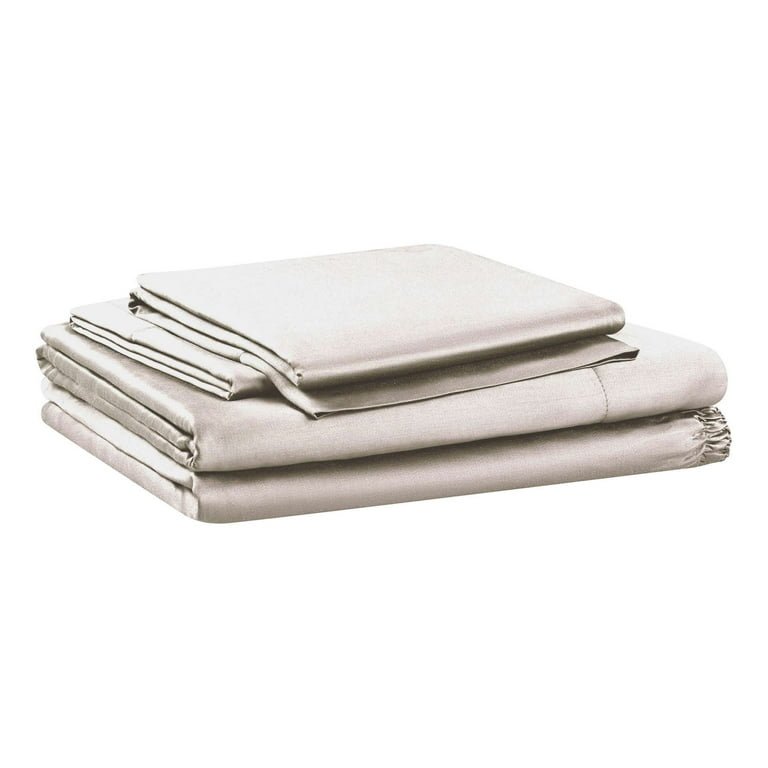
Tencel absorbs dye well, so colors look bright and rich. Even after many washes, the sheets keep their vibrant color and do not fade quickly.
Credit: www.walmart.com
Tencel Vs. Other Bedsheet Fabrics
Choosing bedsheets can be confusing with so many options available. The table below compares Tencel with other popular sheet materials:
| Feature | Tencel | Cotton | Bamboo | Polyester |
|---|---|---|---|---|
| Softness | Very soft, silky | Soft, varies by type | Soft, smooth | Less soft |
| Breathability | Excellent | Good | Very good | Low |
| Moisture Wicking | High | Medium | High | Low |
| Sustainability | Very high | Medium | High | Low |
| Durability | High | High | Medium | Very high |
| Hypoallergenic | Yes | Sometimes | Yes | No |
As shown above, Tencel stands out for its softness, breathability, and sustainability. It’s more eco-friendly than cotton and more durable than bamboo. Polyester is strong, but it lacks breathability and comfort.
Real-world Performance: User Reviews
What do people really think about Tencel bedsheets after using them? Let’s look at some common feedback:
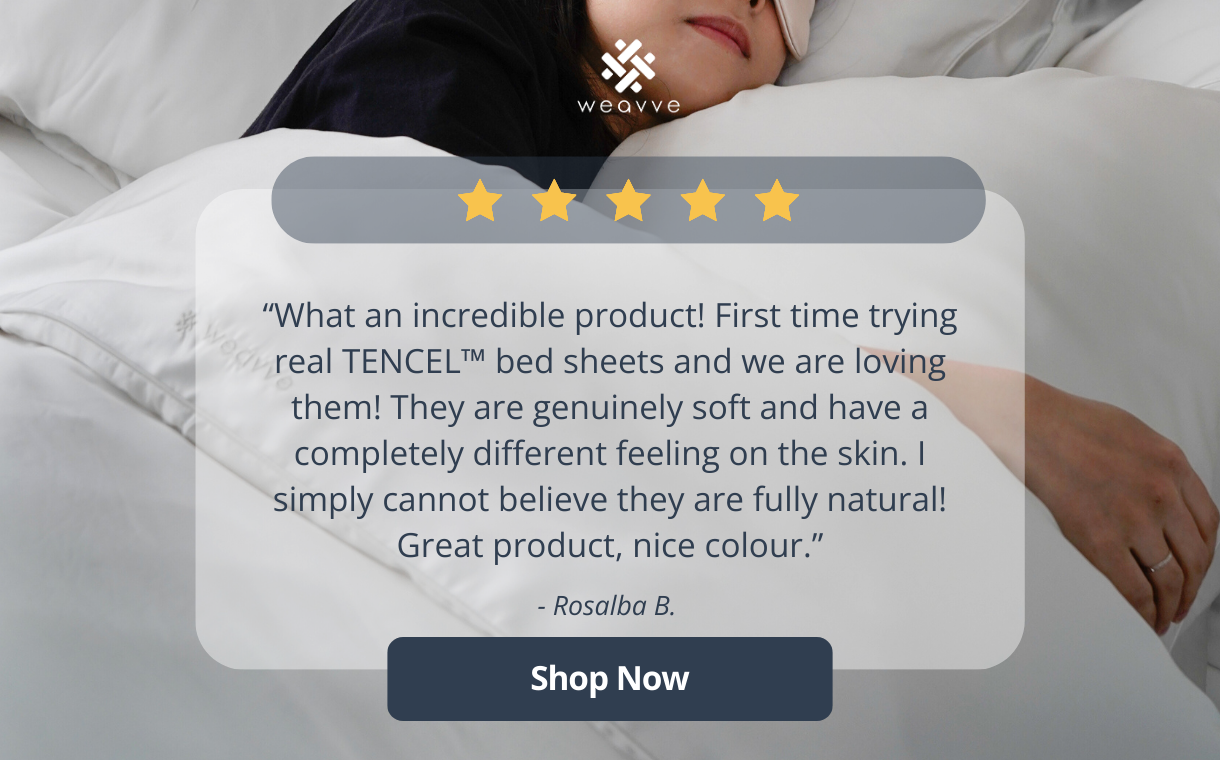
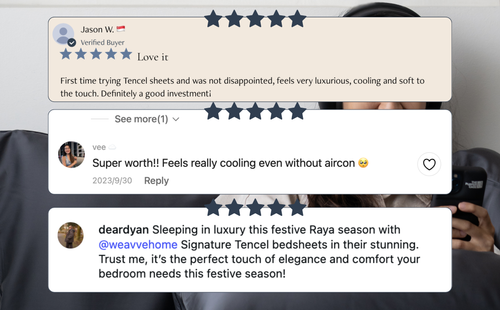
- Many users say the cooling effect is real. People who sleep hot or sweat at night often report better sleep.
- Several reviewers notice the luxurious feel. The silky texture surprises people used to regular cotton sheets.
- Allergy sufferers mention less skin irritation and fewer allergic reactions.
- Some users see less wrinkling and shrinking compared to cotton.
- A few complain that Tencel sheets can be slippery or shift on the bed, especially if they are not fitted well.
One insight that beginners miss is that Tencel sheets can feel cold to the touch at first, but they quickly adjust to your body temperature.
Credit: weavvehome.com
Tencel Sheet Care Guide
To keep your Tencel bedsheets in great shape, follow these tips:
- Machine wash in cold water on a gentle cycle.
- Use a mild detergent without bleach or fabric softener.
- Dry on low heat or hang to dry. High heat can weaken the fibers.
- Remove sheets from the dryer while slightly damp to reduce wrinkles.
- Avoid ironing if possible, but if needed, use a low heat setting.
Another thing people often overlook: Tencel is more sensitive to strong chemicals than cotton. Using the wrong detergent can make sheets lose their softness or even damage them.
Sustainability: Why Tencel Is Different
Many people choose Tencel for its environmental benefits. Here’s why:
- The trees used for Tencel grow fast and don’t need much water, fertilizer, or pesticides.
- The closed-loop process means almost no waste. Over 99% of the water and solvent are reused.
- The fabric is biodegradable, so it won’t sit in landfills for decades.
Compared to conventional cotton, which uses a lot of water and chemicals, Tencel is a much greener choice. For more on the science behind Tencel’s eco-friendly process, you can read details at the Wikipedia page on Lyocell.
When To Choose Tencel Bedsheets
Tencel bedsheets are an excellent choice if you:
- Have sensitive skin or allergies.
- Want a cool, dry sleep environment.
- Care about buying eco-friendly products.
- Prefer sheets that stay soft and smooth after many washes.
- Dislike wrinkly sheets but want to avoid harsh chemicals.
However, if you like very crisp, stiff sheets, Tencel may not be your favorite. They are best for those who want a soft, drapey feel.
Potential Drawbacks To Consider
No product is perfect. Here are a few downsides:
- Price: Tencel sheets are usually more expensive than regular cotton or polyester.
- Slipperiness: Some people find them too smooth, causing pillows or blankets to slide.
- Care needs: They require gentle washing and drying.
- Availability: Not as widely available as cotton, especially in some countries.
If you’re on a tight budget or don’t want to pay extra for special sheets, cotton may still be your go-to.
How To Choose The Best Tencel Bedsheets
Not all Tencel sheets are created equal. Here’s what to look for:
| Factor | What to Check | Why It Matters |
|---|---|---|
| Fiber Content | 100% Tencel or Lyocell | Purer sheets feel and perform better |
| Weave | Sateen or Percale | Sateen is silkier, percale is crisper |
| Thread Count | 300–400 is ideal | More threads don’t always mean better quality |
| Certifications | Oeko-Tex, FSC | Certifies sheets are non-toxic and sustainably made |
| Fit | Deep pockets for thick mattresses | Prevents slipping or bunching |
A common mistake is to focus only on thread count. With Tencel, the fiber and weave matter more than a high number.
Top Tips For First-time Tencel Sheet Owners
- Wash sheets before first use to remove any factory residue.
- Buy an extra pillowcase set, as Tencel pillowcases feel especially cool and smooth.
- Store in a cool, dry place to avoid mildew.
- Try one set before switching all your bedding, as personal preference matters.
Credit: weavvehome.com
Are Tencel Bedsheets Worth It?
For most people who value comfort, sustainability, and easy care, Tencel bedsheets are a smart investment. They last longer than many other soft sheets and are better for the environment. If you are willing to spend a bit more, the benefits usually outweigh the small drawbacks.
Frequently Asked Questions
What Is The Difference Between Tencel And Lyocell?
Tencel is actually a brand name for lyocell fiber produced by the company Lenzing. All Tencel is lyocell, but not all lyocell is branded as Tencel. The process and quality are usually higher with Tencel-branded products.
Can You Machine Wash Tencel Bedsheets?
Yes. You can machine wash Tencel sheets in cold water on a gentle cycle. Avoid bleach and fabric softeners. Tumble dry on low or hang dry for best results.
Are Tencel Bedsheets Suitable For People With Allergies?
Absolutely. Tencel is naturally hypoallergenic. The smooth fibers and chemical-free processing make it less likely to cause irritation or allergic reactions.
Do Tencel Sheets Wrinkle Or Shrink?
Tencel sheets are less likely to wrinkle or shrink compared to cotton, especially if you remove them from the dryer while still slightly damp. They do not need ironing if handled with care.
Are Tencel Bedsheets Environmentally Friendly?
Yes, Tencel is considered one of the most eco-friendly bedding materials. The production process saves water, uses renewable resources, and creates very little waste. The fabric is also biodegradable.
Final Thoughts
Tencel bedsheets offer a unique mix of luxury, comfort, and sustainability. They are a great choice for people who want a soft, cool, and eco-friendly sleep experience. While the price is higher, the benefits—especially for those with sensitive skin or allergies—make them a smart buy.
If you are ready to upgrade your bedding, Tencel sheets are definitely worth considering.