
When you want a good night’s sleep, the pillow you choose can make a big difference. Two of the most popular choices are latex pillows and memory foam pillows. Each type offers unique benefits, but also has some downsides. Picking the right one depends on your sleeping style, health needs, and personal preferences. In this guide, you’ll find a clear and detailed comparison of latex and memory foam pillows. You’ll learn how they work, what makes them different, and which might fit you best—even if you’ve never bought a specialty pillow before.
What Are Latex Pillows?
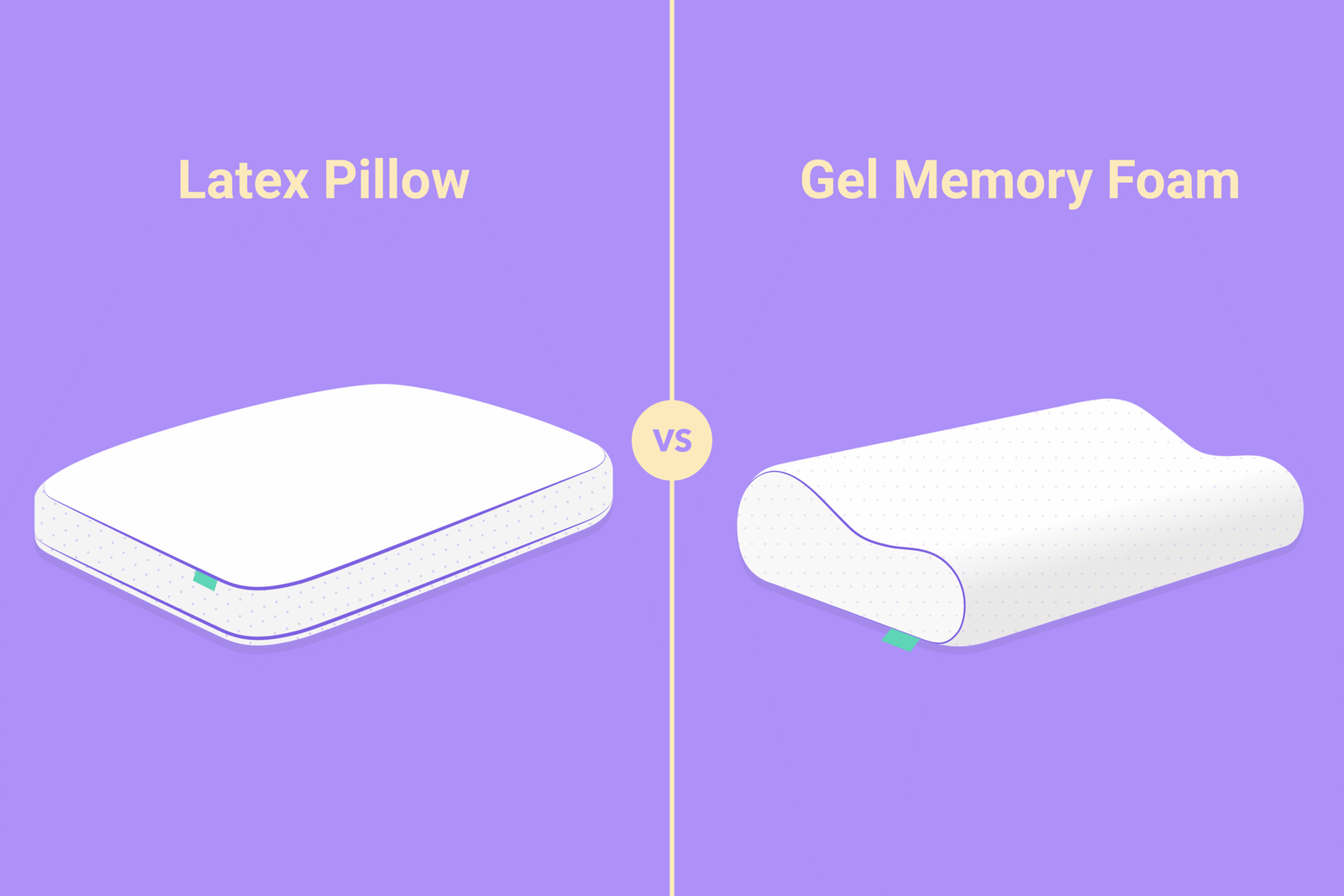
Latex pillows are made from natural latex, a material sourced from rubber trees, or synthetic latex, which is man-made. Sometimes, you’ll see pillows labeled as “blended latex,” which combine both. Natural latex is popular because it’s eco-friendly and bouncy. These pillows are known for their resilience—they quickly bounce back to their original shape after being pressed.
Latex pillows are usually:
- Medium-firm to firm
- Available in different shapes (contour, traditional, etc.)
- Hypoallergenic and resistant to dust mites
There are two main ways latex pillows are made:
- Dunlop process (heavier, denser latex)
- Talalay process (softer, airier latex)
Natural latex can be more expensive, but many people prefer it for its durability and health benefits.
What Are Memory Foam Pillows?
Memory foam, also called viscoelastic foam, was first developed by NASA. It’s famous for molding closely to the shape of your head and neck. When you press into memory foam, it slowly returns to its original shape. This “hugging” feel is what many people love.
Memory foam pillows come in:
- Solid blocks of foam (classic or contoured)
- Shredded memory foam (looser, more adjustable)
- Gel-infused options (to help with heat)
These pillows can feel softer than latex, and they’re great at reducing pressure points. However, some people find that memory foam traps heat, making it less comfortable in warm rooms.
Key Differences At A Glance
To quickly see how latex and memory foam pillows compare, here’s a side-by-side summary:
| Feature | Latex Pillow | Memory Foam Pillow |
|---|---|---|
| Material | Natural/Synthetic Latex | Viscoelastic Polyurethane Foam |
| Support | Bouncy, Responsive | Contouring, Molding |
| Firmness | Medium to Firm | Soft to Medium-Firm |
| Heat Retention | Low | Medium to High |
| Allergen Resistance | Excellent | Good |
| Durability | 8–10 years | 3–5 years |
Comfort And Support
Latex Pillows
Latex pillows are known for their springy support. They don’t sink much under your head, but instead push back, keeping your neck and spine in good alignment. This is ideal for people who want their pillow to hold its shape all night. Latex is also great for people who move around while sleeping, because the pillow bounces back quickly.
People who sleep on their back or side often find latex pillows comfortable. Stomach sleepers, however, may find them too high or firm.
Memory Foam Pillows
Memory foam offers deep contouring support. When you lay your head on a memory foam pillow, it slowly shapes itself around you, reducing pressure on your neck and shoulders. This can help people with neck pain or tension.
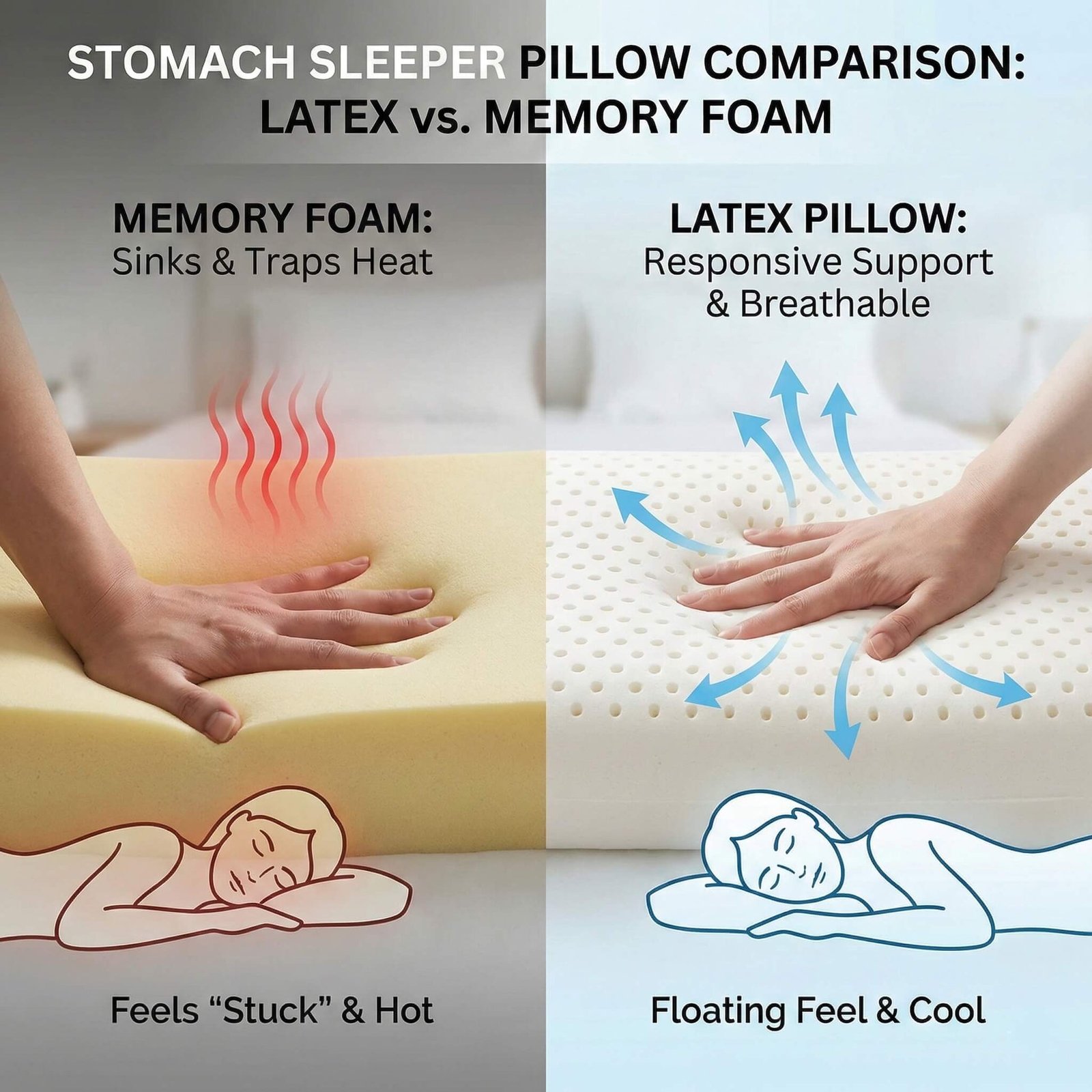
The soft, hugging feel of memory foam is especially popular with side sleepers. Back sleepers can also benefit, but stomach sleepers may find these pillows too thick or hot.
Non-obvious insight: Many people don’t realize that the shape of the pillow (contour, traditional, or shredded) can change how it feels, sometimes more than the material itself.
Breathability And Temperature
Latex Pillows
Latex naturally allows airflow because of its open-cell structure and the holes often added during manufacturing. This means latex pillows usually stay cooler at night, which is helpful if you get hot while sleeping. Natural latex also resists moisture buildup and mold.
Memory Foam Pillows
Traditional memory foam can trap heat, making the pillow feel warmer. Some brands try to fix this by adding gel beads or using shredded foam, which can help a bit but rarely matches latex for coolness.
Non-obvious insight: Even “gel-infused” memory foam may still sleep warm if you use a thick pillowcase or the room is hot.
Durability And Lifespan
When you buy a pillow, you probably want it to last. Here’s how these two types compare:
| Pillow Type | Average Lifespan | Signs of Wear |
|---|---|---|
| Latex | 8–10 years | Minor flattening, rare sagging |
| Memory Foam | 3–5 years | Permanent dents, loss of support |
Latex pillows can last nearly a decade if cared for properly. They resist flattening and tearing. Memory foam pillows often need replacing after 3–5 years, as the foam can lose its shape and support.
Allergen Resistance And Health
Latex Pillows
Natural latex is antimicrobial and hypoallergenic. It naturally resists dust mites, mold, and bacteria. This makes latex a good choice for people with allergies or asthma. Still, a small number of people are allergic to latex itself. If you have a latex allergy, avoid these pillows.
Memory Foam Pillows
Memory foam is also resistant to dust mites, but less so than latex. Some people find that memory foam has a “chemical smell” (off-gassing) when new. This usually fades in a few days, but can bother sensitive noses. High-quality brands use foams that are CertiPUR-US certified to reduce harmful chemicals.
Eco-friendliness
Latex, especially natural latex, is more eco-friendly than memory foam. It’s renewable and biodegradable. However, the process of making memory foam uses petroleum products, which are not as green. Some brands offer “green” memory foam, but it’s still less natural than latex.
If you care about the environment, look for pillows labeled “100% natural latex. ” Synthetic latex is less eco-friendly but usually cheaper.
Odor And Off-gassing
Latex Pillows
Natural latex has a mild, rubbery smell at first, but it’s not harmful and fades quickly. Synthetic latex may smell stronger, but is still less likely to cause issues than memory foam.
Memory Foam Pillows
Memory foam is known for off-gassing, a chemical odor that comes from the foam’s production. For most people, this is just an annoyance for a few days. If you’re sensitive to smells, airing out the pillow before use helps.
Price Range
Latex pillows often cost more than memory foam. Here’s a general price comparison:
| Pillow Type | Budget Range (USD) | Premium Range (USD) |
|---|---|---|
| Latex | $40 – $70 | $80 – $150 |
| Memory Foam | $20 – $50 | $60 – $120 |
While latex costs more up front, its longer lifespan can make it a better value over time.

Credit: allurelakestorey.com
Care And Maintenance
Both pillow types are low maintenance, but there are some differences:
- Latex pillows: Should not be machine washed. Use a pillowcase and spot clean with mild soap. Air dry only.
- Memory foam pillows: Also can’t go in the washer. Spot clean foam and always use a pillow protector.
Letting your pillow air out regularly helps keep it fresh.
Who Should Choose Latex Pillows?
Latex pillows work best for people who:
- Want a cool, breathable pillow
- Prefer medium to firm support
- Move around at night (combination sleepers)
- Have allergies (unless allergic to latex)
- Want a long-lasting, eco-friendly option
If you value durability and springy support, latex is often the better choice.
Who Should Choose Memory Foam Pillows?
Memory foam pillows are a good fit for people who:
- Want soft, contouring comfort
- Suffer from neck or shoulder pain
- Sleep mostly on their side or back
- Don’t mind a slightly warmer pillow
- Are shopping on a budget
If you enjoy the “hug” of a pillow that molds closely to your head and neck, memory foam is ideal.
Common Mistakes When Choosing
Many first-time buyers:
- Ignore pillow height (loft): The best pillow for you depends not just on material, but on height. Side sleepers need higher loft than back or stomach sleepers.
- Forget about pillowcase fit: Latex pillows can be thicker or shaped differently; make sure your pillowcase fits.
- Don’t check for certifications: Look for CertiPUR-US (memory foam) or GOLS (organic latex) to ensure safety and quality.
- Expect instant comfort: Both pillow types may feel unusual at first. Give your body a few nights to adjust.
Credit: www.sleepjunkie.com
Expert Opinions And Research
Several sleep studies show that latex pillows often score higher for durability and temperature regulation, while memory foam pillows are better for pain relief and pressure reduction. According to the National Sleep Foundation, pillow comfort is a key factor in sleep quality.
For those who want more in-depth science on sleep and materials, see this Wikipedia article on pillows.
Final Thoughts
Choosing between a latex pillow and a memory foam pillow is a personal decision. If you want a pillow that lasts, stays cool, and supports you without sinking, latex is a strong choice. If you prefer a pillow that hugs your head and neck and relieves pressure, memory foam is likely better. Consider your sleep position, any allergies, your budget, and how much you care about eco-friendliness. Either way, a quality pillow is a smart investment for better sleep.
Credit: www.pinetales.com
Frequently Asked Questions
Which Pillow Is Better For Neck Pain?
Both can help, but memory foam pillows are usually better for neck pain because they contour closely to support your neck. However, some people find firm latex also helps. Try to match pillow height to your sleep style for best results.
Are Latex Pillows Safe For People With Latex Allergies?
No. People with latex allergies should avoid latex pillows, even if they have a cover. Small amounts of latex can trigger allergic reactions.
How Long Do Latex And Memory Foam Pillows Last?
Latex pillows usually last 8–10 years with good care. Memory foam pillows last 3–5 years before they lose support or shape.
Do Memory Foam Pillows Sleep Hot?
Traditional memory foam pillows can trap heat, especially in warm rooms. Gel-infused or shredded memory foam may be cooler, but latex pillows are usually better for hot sleepers.
Can I Wash My Latex Or Memory Foam Pillow?
You should not machine wash either type. Spot clean with mild soap and water. Always use a pillowcase or protector to keep your pillow clean. Let it air out regularly for freshness.
By taking time to compare your options, you can find a pillow that fits your needs and helps you sleep better every night.