
Keeping blankets and comforters neat can be a challenge, especially in homes with limited storage space. If you’ve ever opened a closet to find a tangled mess of bedding, you’re not alone. Many people struggle to organize these bulky items, but with the right techniques, it’s possible to store them in a way that saves space, protects the fabric, and keeps your home looking tidy.
Whether you have just a few extra blankets or a whole collection for every season, learning how to store them neatly can make your life easier and your home more comfortable. This guide will walk you through practical solutions, smart tips, and creative ideas for storing blankets and comforters.
Why Proper Storage Matters
Blankets and comforters are often expensive and can last for years if cared for properly. Storing them poorly can lead to problems like dust accumulation, mold growth, and fabric damage. Proper storage keeps your bedding fresh, clean, and ready to use when needed. It also helps save space, making your closets and living areas look organized and easy to manage.
Many people don’t realize that how you fold, where you store, and what containers you use really make a difference. For example, comforters packed too tightly can lose their fluffiness, while wool blankets need to breathe to prevent odors. Understanding these details can help extend the life of your bedding and keep your home looking its best.
Preparing Blankets And Comforters For Storage
Before you store your bedding, it’s important to prepare them the right way. This simple step can prevent problems later.
- Wash and dry completely – Always clean your blankets and comforters before storing them. Dirt, sweat, and body oils can cause stains and odors if left for months. Make sure they are completely dry to avoid mildew.
- Check for damage – Look for small tears or loose seams. Fix these before storing, as damage can get worse over time.
- Choose the right fold – Folding reduces bulk and makes storage easier. For large comforters, fold in thirds, then roll or fold into a rectangle.
- Label by season or size – If you have several blankets, consider labeling each with the size (twin, queen, king) or the season (summer, winter) to make finding the right one quick and easy.

Credit: www.alamy.com
Best Storage Locations For Blankets And Comforters
Where you store your bedding matters as much as how you store it. The right location keeps your blankets safe from moisture, dust, and pests.
Bedroom Closets
This is the most common spot for extra bedding. Use the upper shelves for things you don’t use often. Store blankets you need frequently on lower shelves.
Under The Bed
This space is often wasted. Use flat storage bins with lids to keep dust away. Make sure the bins are large enough so bedding isn’t squished too tightly.
Linen Cabinets
If you have a linen closet or cabinet, dedicate specific shelves just for bedding. Separate by type or size for easy access.
Storage Ottomans And Benches
Furniture that doubles as storage is perfect for small homes. Place folded blankets inside a storage ottoman or bench at the foot of your bed.
Attics And Basements
Only store bedding in these places if they are dry and well-ventilated. Use sealed containers to protect against dampness and pests.
Choosing The Right Storage Containers
Not all containers are equal when it comes to bedding. Here’s a comparison to help you choose what works best:
| Container Type | Best For | Pros | Cons |
|---|---|---|---|
| Plastic bins | Long-term, under-bed, attic | Protects from dust & moisture, stackable | Can trap moisture if not fully dry |
| Fabric bags | Closet shelves, breathable storage | Let bedding breathe, lightweight | Less protection from pests, not stackable |
| Vacuum bags | Saving space, small apartments | Compress bulky bedding, saves space | May flatten comforters, not for down items |
| Wicker baskets | Living room, quick access | Easy to grab, stylish | No dust or moisture protection |
Practical Tips
- For wool blankets, choose breathable cotton bags.
- For seasonal bedding, plastic bins are best if you don’t need to access them often.
- Use cedar balls or lavender sachets in containers to keep away moths and add a fresh scent.
Folding Techniques For Maximum Neatness
How you fold makes a big difference. Here’s a step-by-step for the most space-saving fold:
- Lay the blanket flat.
- Fold in half lengthwise.
- Fold in half again, widthwise.
- For thick comforters, roll instead of folding to prevent creases.
If you want to save even more space, try the Marie Kondo method:
- Fold the blanket into a long rectangle, then roll tightly. Store rolls upright in bins for easy access.
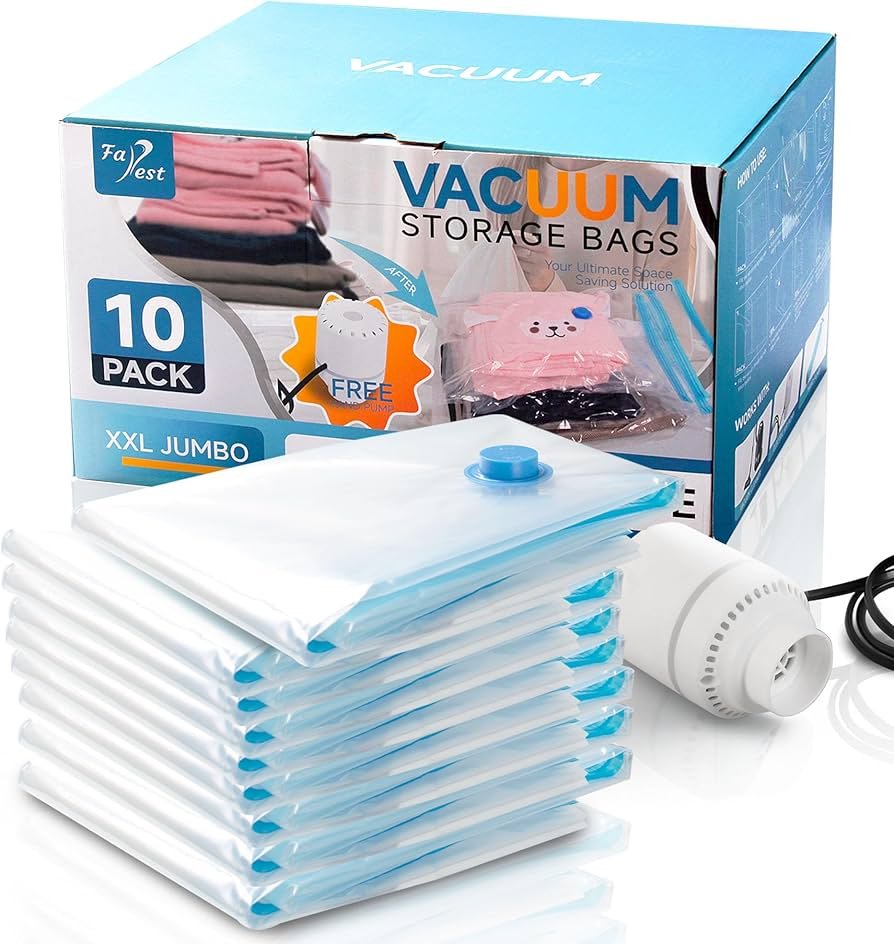
Using Vacuum Storage Bags
Vacuum bags are popular for storing bulky bedding, but many people use them incorrectly.
How To Use Properly
- Make sure the blanket is fully dry.
- Fold or roll loosely before placing in the bag.
- Seal and remove air, but don’t over-compress down comforters. This can damage the filling.
- Store bags in a cool, dry area.
Caution
Vacuum bags are not great for down comforters or expensive quilts. Compressing these items for a long time can ruin their fluffiness and shape. Use vacuum bags only for synthetic or cotton blankets you don’t need to keep fluffy.
Creative Storage Solutions For Small Spaces
If you don’t have much room, you can still keep your bedding neat with these ideas:
- Over-the-door organizers – Hang lightweight throws or blankets in pockets behind a door.
- Wall-mounted baskets or shelves – Roll blankets and display them as part of your decor.
- Hooks and pegs – Hang folded blankets on hooks inside a closet or behind a door for easy access.
- Labeled cubes or baskets – Use fabric cubes on open shelves for a tidy, modern look.
These options not only save space but can also add style to your home.
Seasonal Storage: Rotating Bedding Year-round
Switching bedding for the seasons helps keep everything in good condition and saves closet space. Here’s how to organize a seasonal rotation:
| Season | Bedding to Store | Bedding to Use |
|---|---|---|
| Spring/Summer | Heavy comforters, thick quilts | Light blankets, cotton throws |
| Fall/Winter | Light blankets, summer throws | Heavy comforters, wool blankets |
Label storage containers by season and keep out-of-season bedding in a less accessible spot. This makes it easy to rotate when the weather changes.
Avoiding Common Storage Mistakes
Many people unknowingly make mistakes that can damage their bedding. Here are some to avoid:
- Storing when damp – Always dry completely or mold will develop.
- Using plastic without ventilation – Some plastics trap moisture and cause musty smells. Add a small hole or use silica gel packs.
- Overstuffing bins – Compressing too much can damage the fabric and make it hard to find what you need.
- Ignoring pests – Moths and bugs love natural fibers. Use cedar or lavender sachets in storage containers.
A small investment in good storage habits can save you money and hassle in the long run.
Keeping Stored Bedding Fresh
Blankets and comforters can smell stale after months in storage. Here are ways to keep them fresh:
- Add dryer sheets or sachets with a light scent inside bins or bags.
- Store with cedar blocks to prevent musty odors.
- Air out blankets in the sun for a few hours before using again.
If you notice any musty smell, wash and dry the bedding before returning it to storage.
:max_bytes(150000):strip_icc()/SPR-bedding-storage-ideas-7551619-hero-44fa7511d75d41779fc96374ff1a8e0b.jpg)
Credit: www.thespruce.com
Organizing For Easy Access
Neat storage isn’t just about appearance—it’s also about making your life easier. Here’s how to keep things organized:
- Group by size: Keep all twin-size bedding together, all queen-size together, etc.
- Use clear bins or label containers so you know what’s inside without opening everything.
- Place the most frequently used items on top or in front.
- Schedule a quick check every few months to refold, air out, or reorganize if needed.
Eco-friendly Storage Tips
If you want to reduce plastic, there are eco-friendly storage options:
- Use natural fiber bags (like cotton or linen) instead of plastic.
- Choose baskets made from bamboo or recycled materials.
- Repurpose old suitcases as storage containers for a vintage look.
Caring for your bedding and the environment can go hand in hand.
When To Declutter And Donate
It’s easy to let old blankets pile up. Every year, go through your bedding and ask:
- Is this blanket still in good condition?
- Have I used it in the past year?
- Would someone else benefit from it?
Donate gently used blankets to local shelters or animal rescues. This keeps your storage under control and helps others in need.
Real-life Example: Small Apartment Solution
Sofia, who lives in a small city apartment, used to pile her blankets on the top closet shelf. They always fell out when she needed something. She switched to using vacuum storage bags for winter comforters, sliding them under her bed. She now stores summer throws in a basket near her sofa for easy access. Her closet is neater, and she no longer dreads changing seasons. Like Sofia, small changes can make a big difference.
Credit: www.amazon.com
Frequently Asked Questions
How Do I Prevent Musty Smells In Stored Blankets?
Make sure blankets are fully dry before storing. Add dryer sheets, cedar blocks, or lavender sachets to bins or bags. Air out blankets in sunlight every few months.
Can I Store Blankets In Vacuum Bags Long Term?
Vacuum bags are fine for synthetic or cotton blankets, but not recommended for down comforters or wool blankets. Long-term compression can damage natural fillings.
What’s The Best Way To Store Blankets In A Humid Climate?
Use airtight plastic bins with silica gel packs to absorb moisture. Avoid storing directly on the floor. Check for dampness regularly and air out bedding as needed.
How Often Should I Wash Stored Bedding?
Wash blankets and comforters before storing for the season. If stored for more than six months, wash again before use to remove dust and odors.
Where Can I Find More Storage Ideas For Small Homes?
You can find creative storage solutions and inspiration on sites like Apartment Therapy, which offers tips for organizing small spaces.
Keeping blankets and comforters neat doesn’t have to be a struggle. With the right preparation, smart storage solutions, and regular checks, you can enjoy fresh, organized bedding all year round. A few simple habits will help your home feel more comfortable and clutter-free, making every season a little easier.