
Keeping your cotton bed sheets soft, clean, and long-lasting is easier than you might think. Many people believe cotton is a “wash and forget” fabric, but how you care for your sheets can make a big difference in their comfort and durability. A few simple habits can help your bed sheets stay fresh, feel smoother, and look new for years. Most people wash their sheets often, but only a few know the best way to keep cotton at its best. This article will show you all the important steps—from sorting and washing to drying and storing. We’ll also share tips to avoid shrinking, color fading, and roughness, plus answer common questions at the end. If you want your bed to feel like a hotel every night, these tips will help you get there.
Understanding Cotton Bed Sheets
Cotton is a natural fiber. It is popular for bedding because it is soft, breathable, and absorbent. Unlike synthetic fabrics, cotton wicks away moisture and lets air flow, making it perfect for hot and cool climates. There are many types of cotton, such as Egyptian, Pima, and upland. Higher-quality cotton usually lasts longer and stays soft if cared for correctly.
One thing beginners often miss: even the best cotton will pill, fade, or shrink if not washed properly. Choosing the right care routine protects your sheets, making your investment worthwhile.
Preparing Cotton Sheets For Washing
Washing starts before you even touch the machine. Preparation is key for clean and undamaged sheets.
- Read the Care Label: Every cotton sheet set comes with a care tag. Check for specific washing instructions. Some high-thread-count or sateen cottons need gentle cycles or cold water.
- Check for Stains: Look for any spots or stains. Pre-treat with a mild stain remover. Dab, don’t rub, to avoid damaging the fibers.
- Separate Colors: Wash white, light, and dark sheets separately. This prevents color bleeding and keeps whites bright.
- Close Zippers and Buttons: Fasten any closures so they don’t snag or tear the fabric during washing.
- Turn Sheets Inside Out: This reduces surface wear, especially for printed or colored sheets.
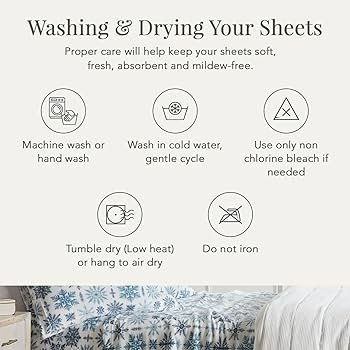
Credit: www.amazon.com
Choosing The Right Detergent
Not all detergents are equal. For cotton bed sheets, the goal is to clean without damaging fibers or colors.
- Use a mild, liquid detergent. Powder detergents can sometimes leave residue.
- Avoid strong chemicals like bleach, except for occasional use on white cotton.
- Choose “free and clear” detergents if you have sensitive skin or allergies.
- Too much detergent can make sheets stiff. Measure carefully—usually, one-third to half of the recommended amount is enough for a full load.
Washing Cotton Sheets: Water Temperature And Cycle
Washing temperature and cycle are often misunderstood. Many think hotter is better, but that’s not always true.
| Water Temperature | Best For | Pros | Cons |
|---|---|---|---|
| Cold (20–30°C / 68–86°F) | Colors, delicate cotton | Prevents fading, saves energy | May not remove heavy stains |
| Warm (40°C / 104°F) | Most cotton sheets | Effective cleaning, safe for fibers | Some color fading over time |
| Hot (60°C / 140°F) | White sheets, allergy care | Kills dust mites, deep cleaning | Can shrink, weaken fibers |
- For most cotton sheets, warm water is ideal. It cleans well without causing much shrinkage or fading.
- For white sheets or if someone is sick, use hot water occasionally, but not every time.
- Use a gentle or normal cycle. Heavy-duty cycles can be too rough for fine cotton.
How Often To Wash Cotton Sheets
Washing frequency affects both hygiene and the life of your sheets. Experts recommend:
- Wash sheets every 1–2 weeks for regular use.
- If you sweat a lot, have allergies, or sleep with pets, wash weekly.
- In hot, humid climates, more frequent washing helps avoid odors and bacteria.
Washing too often or too harshly will wear out cotton faster. Find a balance that fits your needs.
Drying Cotton Bed Sheets
How you dry your sheets is as important as how you wash them. Wrong methods can cause shrinkage, roughness, or wrinkles.
Air Drying
- Hang sheets outside on a clothesline or indoors on a rack.
- Sunlight helps whiten white sheets but can fade colored ones.
- Shake sheets before hanging to reduce wrinkles.
- Air drying is gentle, energy-saving, and keeps cotton feeling soft.
Machine Drying
- Use a low to medium heat setting. High heat shrinks and weakens cotton.
- Remove sheets while still slightly damp to prevent wrinkles and make ironing easier.
- Over-drying is a common mistake. It makes cotton feel rough and aged.
Dryer Balls
Wool or rubber dryer balls help sheets dry faster, stay soft, and reduce static. Avoid dryer sheets with heavy fragrances—they can build up on cotton fibers.
Ironing And Folding Cotton Sheets
Many people skip ironing, but it makes a big difference in how your bed feels and looks.
- For a crisp hotel finish, iron sheets while slightly damp using a medium-hot iron.
- For sateen or percale cotton, iron on the reverse side to avoid shine or marks.
- Never fold or store sheets while still damp—this causes mildew and odors.
Folding tip: Fold sheets lengthwise, match corners, and smooth out wrinkles for a neat stack.
Storing Cotton Sheets Properly
How you store sheets affects their smell, freshness, and durability.
- Store in a cool, dry place away from sunlight.
- Use fabric storage bags, not plastic, to let cotton breathe.
- Add a lavender sachet or a bar of plain soap to keep sheets smelling fresh.
- Don’t overstuff your linen closet—sheets need space for air circulation.
Credit: amsonsdesign.au
Preventing Common Problems
Knowing what problems can happen helps you avoid them.
Shrinking
Cotton shrinks mostly with high heat. Wash and dry with warm or cool settings to keep sheets at their original size.
Fading
Bright colors fade with hot water, harsh detergents, or too much sun. Wash colored sheets inside out and use gentle cycles.
Pilling
Pills are small fabric balls on the surface. They form from friction and harsh washing. Wash sheets with similar fabrics (not towels or jeans) and avoid overloading the machine.
Yellowing
White sheets can yellow from body oils, sweat, or using too little detergent. Wash with enough detergent, and occasionally add a cup of baking soda or white vinegar.
Roughness
If sheets feel rough, it may be detergent buildup or over-drying. Rinse with extra water and dry on a low setting.
Non-obvious Tips For Long-lasting Comfort
Most guides stop at basic washing. Here are two tips you probably haven’t tried:
- Rotate your sheets: Use two or three sets in rotation. This reduces wear and lets each set “rest” between uses.
- Wash sheets alone: Sheets need space to move in the machine. Washing with clothes or towels can cause tangling, slow drying, and extra friction.
Comparing Cotton Sheet Care With Other Fabrics
Many people ask how cotton compares to polyester or linen sheets. Here’s a quick look:
| Fabric | Washing Frequency | Best Water Temp | Drying Method | Special Care |
|---|---|---|---|---|
| Cotton | 1–2 weeks | Warm | Low/Medium heat or air dry | Avoid high heat |
| Polyester | 2 weeks | Cold/Warm | Low heat | Avoid hot iron |
| Linen | 1–2 weeks | Cold | Air dry preferred | Iron damp |
Cotton stands out for comfort, breathability, and easy care—if you follow the right steps.
When To Replace Cotton Bed Sheets
Even with great care, sheets don’t last forever. Look for these signs:
- Fabric is thin or see-through in places
- Tears, holes, or frayed edges
- Stubborn stains that won’t wash out
- Loss of softness or comfort
Quality cotton sheets last 2–5 years depending on use, quality, and care. Rotating sets extends their life.
Environmentally Friendly Sheet Care
Washing and drying use energy and water. Here are some ways to reduce your impact:
- Wash full loads to save water.
- Use cold water when possible to save energy.
- Air dry sheets outside when the weather allows.
- Choose eco-friendly detergents without harsh chemicals.
For more on eco-friendly laundry, see this EPA guide.
Frequently Asked Questions
How Do I Keep My Cotton Sheets From Shrinking?
Wash in warm or cold water and dry on low or medium heat. Avoid hot water and over-drying. High-quality cotton shrinks less, but all cotton can shrink with high temperatures.
Can I Use Bleach On Cotton Sheets?
Use bleach only on white cotton sheets and only occasionally. Frequent use weakens fibers and turns whites yellow over time. For stains, try baking soda or a mild oxygen-based bleach.
Why Do My Cotton Sheets Feel Rough After Washing?
Too much detergent, hard water, or over-drying can make sheets rough. Use less detergent, rinse with vinegar, and avoid high heat in the dryer to restore softness.
How Can I Remove Yellow Stains From White Cotton Sheets?
Pre-treat stains with baking soda or a paste of baking soda and water. Wash in warm water with enough detergent. Add half a cup of white vinegar to the rinse cycle for extra cleaning.
What Is The Best Way To Store Cotton Bed Sheets?
Store sheets in a cool, dry place in fabric bags or on open shelves. Avoid plastic, which traps moisture. Use natural fresheners like lavender sachets to keep them smelling clean.
Taking care of cotton bed sheets isn’t just about keeping them clean—it’s about comfort and making your investment last. With the right habits, your sheets will stay soft, bright, and inviting for years. Try these tips, and your bed will always feel fresh and welcoming.

Credit: vardhmanmills.com