
Organizing your cooking oils and condiments can transform your kitchen. When bottles and jars are easy to find, meal prep is quicker and less stressful. Many home cooks don’t realize how much time and energy they lose searching for the right oil or sauce.
Worse, poor organization can lead to waste—expired products, spills, or buying duplicates you don’t need. But with simple strategies, you can create a setup that’s tidy, efficient, and safe.
This guide will walk you through every aspect of organizing cooking oils and condiments. We’ll cover smart storage, labeling, container choices, common mistakes, and practical tips for every kitchen size. Whether you cook daily or just on weekends, you’ll discover easy steps to make your kitchen work better for you.
Why Organization Matters For Oils And Condiments
Many people keep oils and condiments wherever they fit. But this approach causes several problems:
- Spoilage: Exposure to heat, light, or air makes oils go rancid and condiments lose flavor.
- Safety: Cluttered shelves can lead to spills or broken glass.
- Efficiency: Searching for ingredients wastes time, especially when cooking quickly.
A well-organized system keeps everything fresh and easy to use. Plus, it helps you see what you have, so you avoid buying extra bottles or letting things expire.
Understanding Your Cooking Oils And Condiments
Before organizing, you need to know what you have and how to store each item.
Common Cooking Oils
- Olive oil
- Vegetable oil
- Canola oil
- Sesame oil
- Coconut oil
- Avocado oil
- Peanut oil
Each oil has different storage needs. For example, olive oil should be kept away from heat and light, while coconut oil is stable at room temperature.
Popular Condiments
- Soy sauce
- Vinegar (balsamic, apple cider, white)
- Hot sauce
- Ketchup
- Mustard
- Mayonnaise
- Fish sauce
- Chili paste
Some condiments need refrigeration after opening (like mayonnaise), while others are fine in a cool, dark cabinet.
Credit: www.amazon.com
Step-by-step: How To Organize Cooking Oils And Condiments
Let’s break down the process into clear steps you can follow.
1. Gather And Sort Everything
Take all your oils and condiments out of cupboards, the fridge, and pantry. Place them on a counter or table. Group similar items together—oils in one area, sauces in another, and so on.
Check each item for expiration dates. Discard anything that’s expired, smells bad, or looks strange. This step is often skipped, but it’s essential for safety and taste.
2. Decide Where To Store Each Item
Storage depends on three things:
- How often you use the product
- If it needs refrigeration
- How sensitive it is to light and heat
Here’s a quick reference:
| Product | Best Storage Location | Notes |
|---|---|---|
| Olive oil | Dark cabinet, away from stove | Keep tightly closed |
| Vegetable oil | Pantry or cupboard | Room temperature is fine |
| Sesame oil | Refrigerator (after opening) | Prevents rancidity |
| Vinegar | Pantry or cupboard | Very stable |
| Mayonnaise | Refrigerator | Always after opening |
Keep the oils and condiments you use most often within arm’s reach—perhaps near your stove or prep area. Store less-used items higher up or at the back.
3. Choose The Right Containers And Organizers
Original packaging is not always best. Bulky bottles take up space and can be hard to handle. Consider these options:
Dispensers And Bottles
- Oil dispensers: Glass or stainless steel bottles with a spout make pouring easier and prevent spills.
- Squeeze bottles: Great for soy sauce, vinegar, or chili oil.
- Mason jars: Useful for homemade sauces or bulk condiments.
Organizers
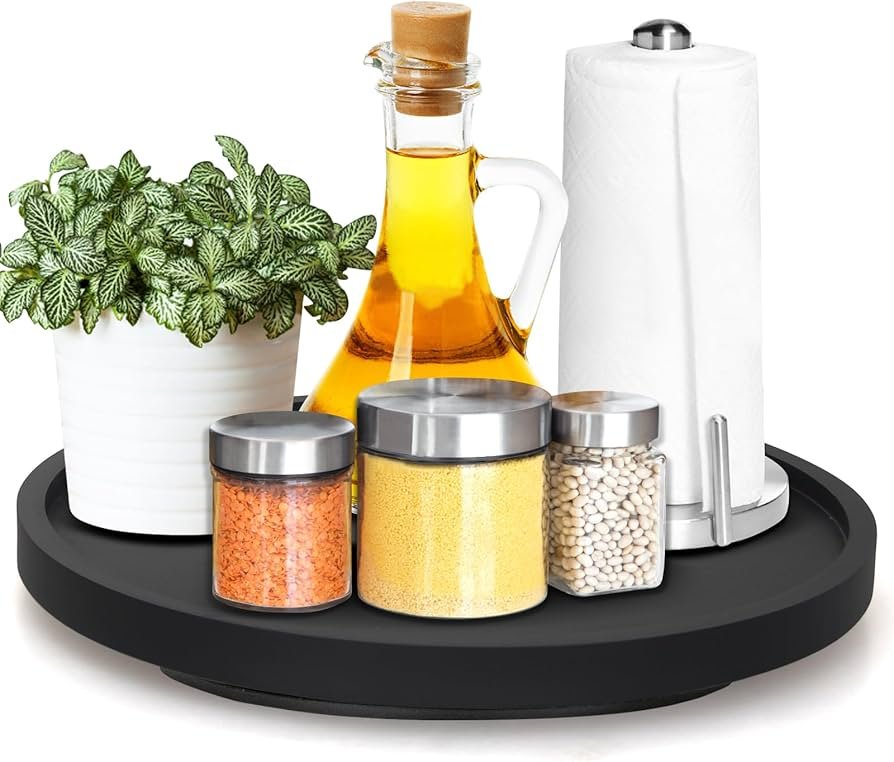
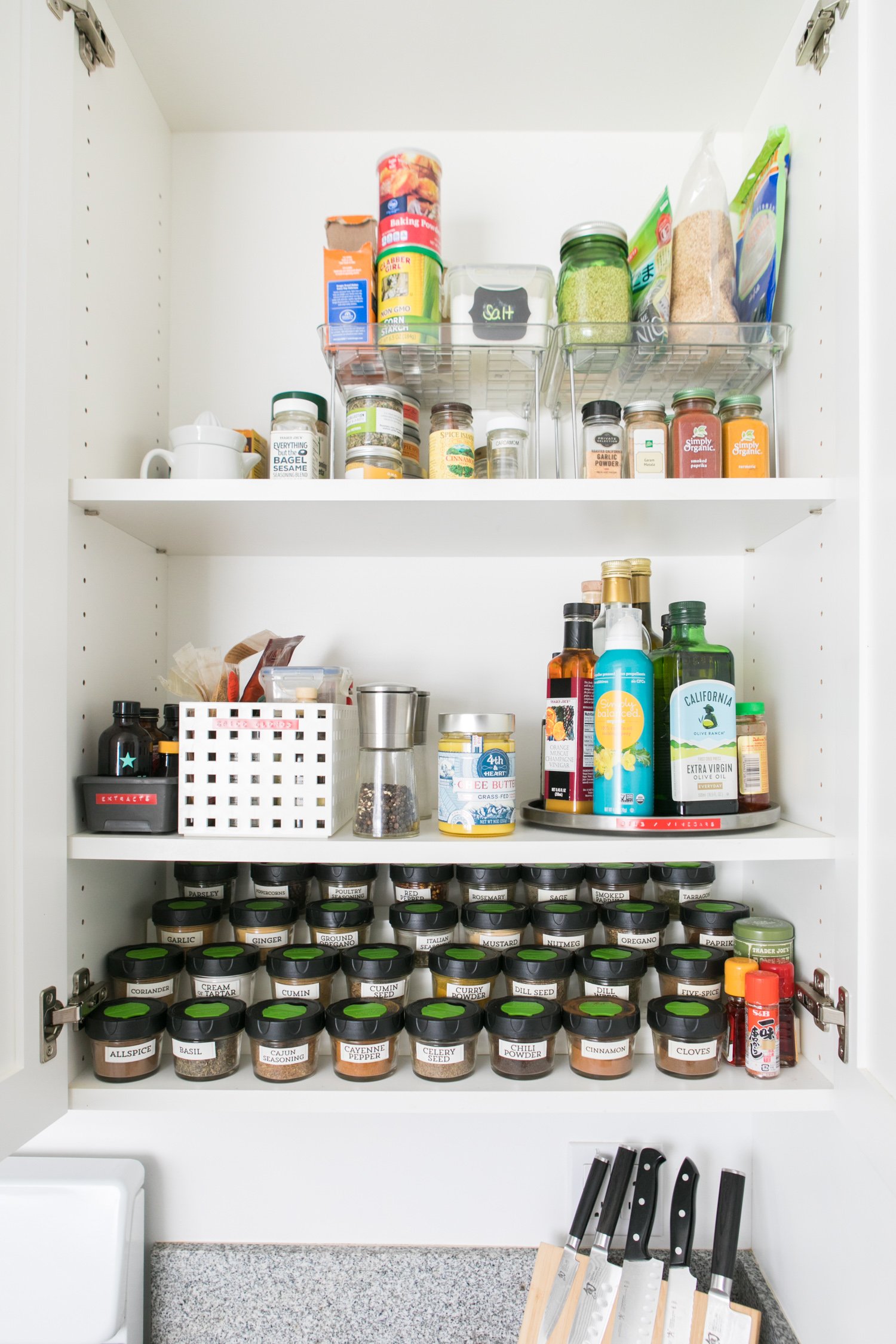
- Lazy Susans (turntables): Let you reach items at the back of a cabinet without moving everything.
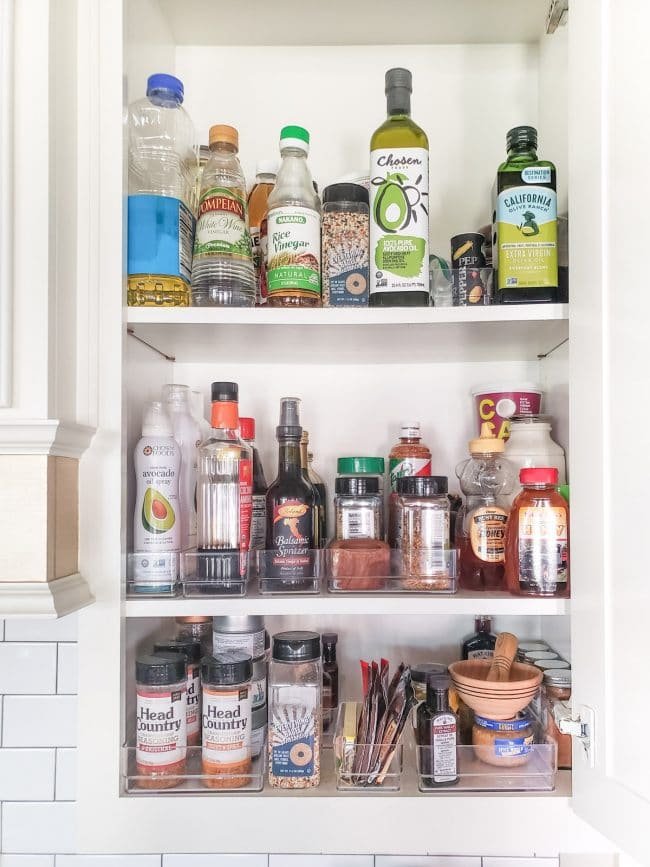
- Pull-out racks: Perfect for narrow cabinets or pantry shelves.
- Tiered shelves: Show all your bottles at different heights for easy viewing.
Example Comparison: Dispensers Vs. Original Bottles
| Feature | Original Bottles | Dispensers |
|---|---|---|
| Space-saving | No | Yes |
| Easy to pour | Sometimes | Yes |
| Looks tidy | No | Yes |
| Labeling | Brand labels only | Custom labels possible |
Switching to uniform dispensers makes your shelf neater and helps you see when you’re running low.
4. Label Everything Clearly
Many people forget to label bottles, especially if they transfer oils or sauces to new containers. Always use waterproof labels and write the name and opening date. This prevents mix-ups and helps you track freshness.
For example, sesame oil and soy sauce can look similar in a glass bottle but have very different uses and flavors. Clear labels avoid mistakes.
5. Arrange By Frequency And Cuisine
Group items by how often you use them. Place everyday oils and sauces in front, and special-use condiments (like fish sauce or hoisin) at the back or on a higher shelf.
Another smart approach is to arrange by cuisine. For example, keep soy sauce, sesame oil, and rice vinegar together for Asian cooking. Store ketchup, mustard, and mayonnaise together for sandwiches.
6. Use The Fridge Wisely
Some oils and condiments last longer in the refrigerator. But the fridge can be crowded and bottles may leak. Use small trays or bins to keep similar items together and catch drips.
Remember, some oils (like olive oil) may become cloudy or solid in the fridge. This is normal and does not hurt the oil’s quality—it will become clear again at room temperature.
7. Maintain Your System
Organization is not a one-time job. Set a reminder every few months to check your oils and condiments. Throw out expired items, wipe down shelves and bottles, and refill dispensers as needed.
Tip: Keep a small notepad or use your phone to track what’s running low. This helps with grocery shopping and avoids buying things you don’t need.
Common Mistakes To Avoid
Even with good intentions, it’s easy to make these errors:
- Storing oils near the stove: Heat speeds up spoilage. Keep oils a few feet away from direct heat sources.
- Ignoring expiration dates: Old oils can taste bitter and be unhealthy.
- Mixing up containers: Pouring oils into old bottles without cleaning can cause cross-contamination.
- Overcrowding the fridge: Too many bottles can hide things and lead to spills.
- Not cleaning sticky bottles: Drips attract dust and make bottles slippery.
Practical Tips For Small Kitchens
Limited space? Try these strategies:
- Use vertical space: Add extra shelves or hooks inside cabinet doors.
- Install a magnetic spice rack: Holds small condiment bottles on the fridge or wall.
- Choose stackable bins: Make the most of deep shelves.
- Keep only essential oils and condiments out; store extras in a separate area like a utility closet.
How To Organize For Meal Prep And Cooking Styles
If you cook a lot, organizing for your habits saves time.
- Keep a caddy (small tray with handles) with your top 3–4 oils and sauces. Bring it to your prep area, then return it to storage.
- Place a small lazy Susan on the dining table for sauces you use during meals.
- For families, create a “kids’ section” with safe, easy-to-open containers for their favorite condiments.
Credit: www.sarahhearts.com
How Long Do Oils And Condiments Last?
Knowing shelf life helps you avoid waste. Here’s a quick reference:
| Item | Unopened Shelf Life | After Opening |
|---|---|---|
| Olive oil | 12–18 months | 6 months |
| Vegetable oil | 1–2 years | 6–12 months |
| Mayonnaise | 3–6 months | 2 months (refrigerated) |
| Soy sauce | 2–3 years | 6 months |
| Vinegar | Indefinite | Indefinite |
Tip: Oils don’t always show clear signs of spoilage. If the smell is off or the taste is harsh, it’s time to discard.
Non-obvious Insights Most People Miss
- Air is the enemy of freshness: Even more than light or heat, air exposure breaks down oils and sauces. Always close bottles tightly and avoid buying large bottles unless you use them quickly.
- Glass over plastic: Glass bottles keep oils fresher, especially for long-term storage. Many plastics can absorb flavors and allow air in, speeding up spoilage.
- Not all oils are equal: Some oils, like flaxseed or walnut, go rancid very fast—even in the fridge. Buy these only in small amounts and check for “best by” dates.
Cleaning And Maintenance
Sticky bottles attract dust and pests. Wipe bottles and shelf surfaces monthly with a damp cloth. For stubborn oil, use a bit of vinegar on a paper towel.
If you spill oil or sauce, clean it up right away. Over time, even small spills can turn into sticky messes that are hard to remove.
When To Replace Oils And Condiments
Trust your senses. If oil smells like crayons, paint, or is bitter, it’s spoiled. For condiments, separation, color change, or mold are signs to throw them out.
Don’t risk your health to save a few dollars—fresh ingredients make food taste better and keep you safe.
Credit: www.polishedhabitat.com
Useful Resources
Want to learn more about proper food storage? Visit the USDA’s guide on shelf-stable food safety for detailed tips.
Frequently Asked Questions
How Do I Know If My Cooking Oil Has Gone Bad?
Spoiled oil often smells sharp, like crayons or paint, and may taste bitter. If you notice any of these signs, it’s best to discard the oil. Trust your nose more than the “best by” date.
Can I Store All My Condiments In The Fridge?
Not all condiments need refrigeration. Items like vinegar, soy sauce, and some hot sauces are shelf-stable. Always check the label for storage instructions.
Is It Safe To Transfer Oils Into Other Bottles?
Yes, but make sure the new bottle is clean and dry. Use glass bottles for long-term storage, and label with the oil type and opening date.
How Often Should I Check My Oils And Condiments?
A good habit is to check every 2–3 months. This helps you spot expired items, clean sticky bottles, and restock what you need.
What’s The Best Way To Organize A Small Kitchen?
Use vertical space, stackable bins, and only keep essentials within reach. Move extra items to a separate storage area to avoid clutter.
Organizing your cooking oils and condiments may take a little effort at first, but the benefits are clear. You’ll save time, reduce waste, and enjoy fresher, tastier meals. With these strategies, your kitchen will not just look better—it will work better, too.
