
Maximizing space in a small closet can feel impossible, especially if you love clothes and own a lot of them. Shoes fall from shelves, shirts slip off hangers, and it’s easy to forget what you own. But a small closet doesn’t have to mean chaos or compromise.
With the right strategies, you can create a space that not only fits your wardrobe but makes getting dressed easier and more enjoyable. Let’s explore practical ways to organize a small closet with lots of clothes, drawing on expert advice and real-life experience.
Assessing What You Own
Before you start organizing, you need to know what you’re working with. Most people keep clothes they no longer wear, which takes up valuable space. Take everything out of your closet and lay it on your bed or a clean surface.
This step may look messy, but it gives you a clear picture of your wardrobe.
As you go through each item, ask yourself a few questions:
- Does it fit me right now?
- Have I worn it in the last year?
- Is it still in good condition?
- Do I feel good when I wear it?
Be honest. If you answer “no” to most questions, consider donating or recycling those pieces. Studies show that people often wear only 20% of their clothes regularly, so letting go of unused items can free up a surprising amount of space.
Sorting Into Categories
Organize your clothes into categories such as:
- Tops (shirts, blouses, t-shirts)
- Bottoms (pants, jeans, skirts)
- Dresses and suits
- Outerwear
- Accessories (belts, scarves, hats)
- Shoes
Sorting now will make the next steps much easier and help you see where you might need to focus your organizational efforts.
Choosing The Right Storage Solutions
Once you know what you’re keeping, it’s time to find the best way to store everything. Not all closets are alike, and not all clothes need to hang.
Hanging Vs. Folding
Some clothes are better hung, while others can be folded. Below is a comparison to help you decide:
| Item Type | Best Storage Method | Reason |
|---|---|---|
| Button-down shirts | Hanging | Prevents wrinkles |
| T-shirts | Folding | Saves hanging space |
| Pants | Hanging/Folding | Depends on fabric |
| Jeans | Folding | Bulky, can stack easily |
| Dresses | Hanging | Maintains shape |
| Sweaters | Folding | Prevents stretching |
If you have more folding items, consider adding shelves or storage bins. For more hanging items, look into double rods or space-saving hangers.
Space-saving Hangers
Switching to slim, non-slip hangers can instantly double your hanging space. These hangers are thinner than traditional ones and prevent clothes from slipping. Cascading hangers, which allow you to hang multiple pieces vertically, are another good option. For example, you could hang five pairs of pants in the space of one.
Smart Use Of Vertical Space
Most closets have unused vertical space above and below the main rod. Install a second rod below your main one for shorter items like shirts and skirts. Use the top shelf for storage bins or baskets, which are perfect for off-season clothes or accessories.
Storage Bins And Boxes
Clear bins or labeled boxes help keep smaller items organized and easy to find. Store shoes, belts, scarves, or even folded sweaters in these containers. Stackable bins make the most of tall shelves.
Door And Wall Organizers
The back of your closet door is valuable real estate. Over-the-door organizers can hold shoes, handbags, or small accessories. Hooks or pegboards on the side walls are perfect for hats, bags, or jewelry.
Arranging Clothes For Maximum Access
Now that you have the right storage tools, the way you arrange your clothes matters. An organized layout helps you find what you need quickly and keeps your closet neat.
Grouping By Category
Hang clothes by type—shirts together, pants together, dresses together. Within each group, arrange by color from light to dark. This method not only looks tidy but also helps you see everything at a glance.
Seasonal Rotation
If your closet is very small, consider rotating clothes by season. Store off-season items in bins on a high shelf or under your bed. For example, keep winter coats and sweaters out of the way in summer, and switch them back when the weather changes.
Most-used Items At Eye Level
Keep the clothes you wear most often at eye level. Place less-used items higher up or on lower shelves. This small change saves time each morning and keeps your closet looking organized.
Maximizing Shoe Storage
Shoes can quickly create clutter in a small closet. Luckily, there are several ways to keep them tidy and accessible.
Shoe Racks And Shelves
Install a low shoe rack or shelf on the closet floor. If you have more than 10 pairs, consider stackable shelves. Some racks can fit under hanging clothes, using space that would otherwise be wasted.
Hanging Shoe Organizers
Over-the-door or hanging shoe organizers keep shoes off the floor. Each pocket fits a pair, making it easy to find what you need. These organizers work especially well for flats, sandals, or sneakers.
Shoe Boxes
Clear shoe boxes protect your shoes from dust and make stacking easy. Label each box with a photo or description so you don’t have to open every box to find the right pair.
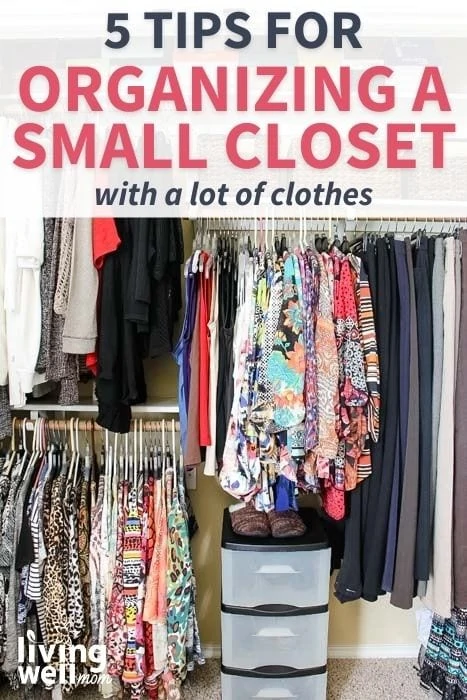
Credit: livingwellmom.com
Organizing Accessories And Small Items
Belts, scarves, jewelry, and hats can quickly become messy if not stored carefully.
Hooks And Pegs
Install hooks or pegs inside your closet for belts, hats, or bags. These are easy to use and keep items visible.
Drawer Dividers
If you have a drawer in your closet, use dividers to separate small items like socks, underwear, or ties. This prevents clutter and keeps everything in its place.
Accessory Hangers
Special hangers for scarves, ties, and belts are inexpensive and save a lot of space. These hangers have multiple loops or hooks, allowing you to hang many items together without tangling.
Making The Most Of Every Inch
Small closets require creative thinking. Here are a few advanced ideas that many people overlook:
Utilizing Corners
Corners often go unused. Add a corner shelf or a small set of drawers to store handbags, folded shirts, or even shoes.
Hanging Storage Solutions
Use S-hooks to hang bags or accessories from your closet rod. Hanging baskets can also hold bulky items like sweaters or gym clothes.
Lighting
A well-lit closet is easier to keep organized. Add a small battery-powered light or stick-on LED strips. Good lighting helps you see what you have, reducing the chance of clothes getting lost or forgotten.
Measuring And Planning
Before buying any storage solutions, measure your closet’s dimensions. Sketch a simple plan with shelf heights, rod lengths, and available wall space. This helps you buy the right organizers and avoid wasted money.
Maintenance: Keeping Your Closet Organized
A well-organized closet needs upkeep. Here’s how to maintain order:
- One-in, One-out Rule: For every new item you add, remove one you no longer wear.
- Monthly Quick Check: Every month, spend 10 minutes tidying up. Refold items, put shoes back in place, and return stray accessories.
- Seasonal Clean-Outs: Twice a year, review your wardrobe. Donate or recycle anything you haven’t worn since the last check.
- Labeling: If you use bins or boxes, label them clearly. This makes it faster to find what you need and encourages you to put things back in the right spot.
Common Mistakes And How To Avoid Them
Even with the best intentions, it’s easy to fall into traps that create clutter. Here are some mistakes to watch for:
- Overfilling Hangers: Stuffing too many clothes on one rod makes it hard to see or remove anything.
- Ignoring Vertical Space: Many people forget to use space above and below their clothes.
- Storing Everything in the Closet: Some items, like extra bedding or holiday decorations, are better stored elsewhere.
- Buying Organizers Before Sorting: Always sort and measure first, then buy storage solutions that truly fit your needs.
- Not Reviewing Regularly: Clothes can pile up over time. Set reminders for regular checks.
Real-life Example: A Small Closet Makeover
Emma lives in a city apartment with a tiny closet, just 3 feet wide. She owned over 100 clothing items, from work outfits to gym wear. By following the steps in this article, she reduced her wardrobe by 25%, switched to slim hangers, added a second rod, and used bins for shoes and accessories.
Now, everything fits. Emma says she spends less time getting dressed, keeps her closet neat, and feels less stressed about clutter.
Data: Time Spent Searching In Cluttered Closets
A survey by the National Association of Professional Organizers found that women spend an average of 17 minutes each day looking for items in their closets. With better organization, this time drops to less than 5 minutes.
Here’s a quick comparison:
| Closet Type | Average Time Searching |
|---|---|
| Cluttered, unorganized | 17 minutes/day |
| Well-organized | 4-5 minutes/day |
That’s nearly two hours saved each week—time you can spend doing things you enjoy.
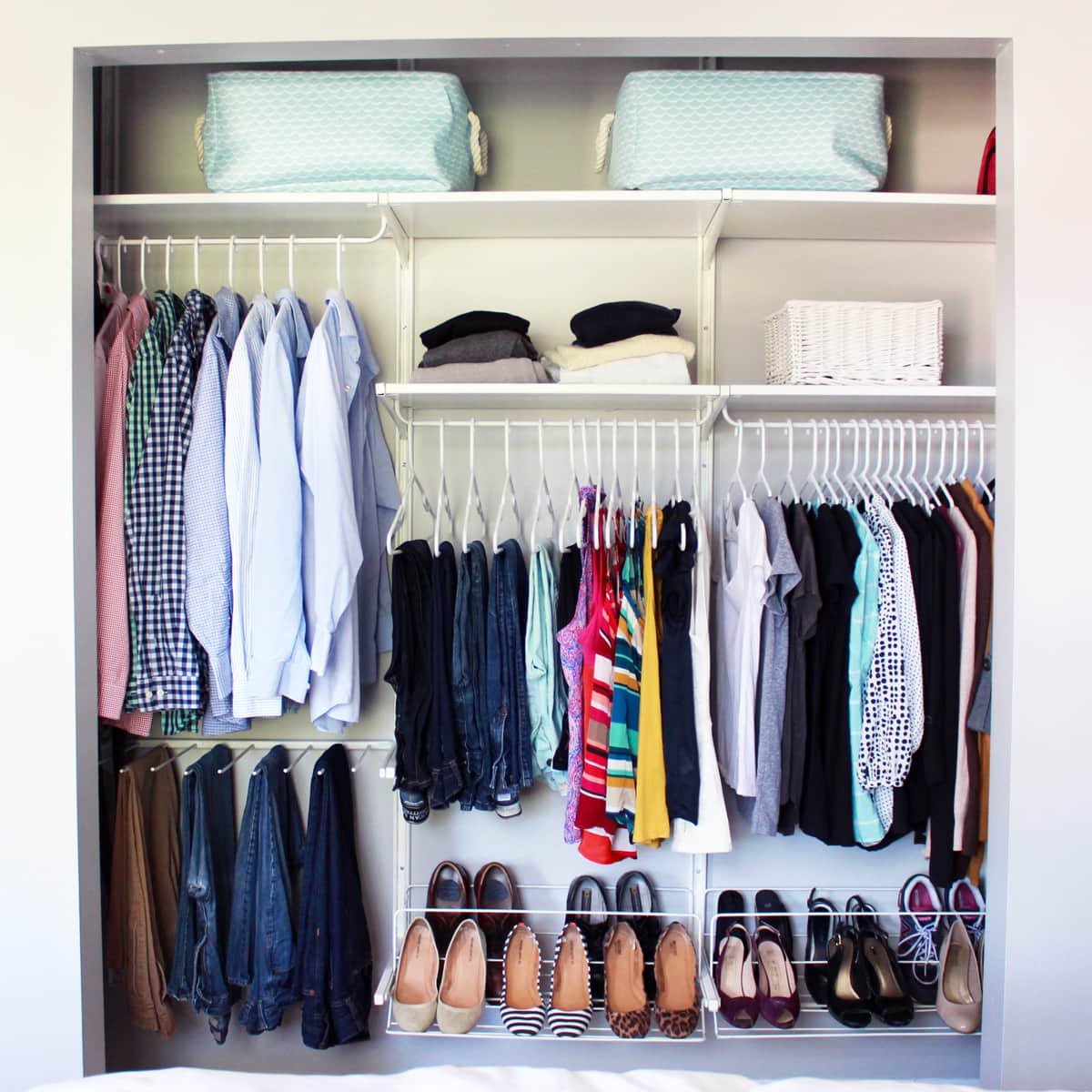
Credit: justagirlandherblog.com
Expert Tips For Small Closet Success
- Be realistic about space: If your closet is truly small, only keep what you love and use often.
- Invest in quality organizers: Cheap solutions may break or not fit well. Good organizers last longer and work better.
- Ask for help: If you’re overwhelmed, consider hiring a professional organizer or asking a friend with an eye for design.
- Stay flexible: Your needs may change, so be open to adjusting your system.
- Celebrate small wins: Every bit of order helps. Notice what works and keep building on your success.
For more organizational strategies and inspiration, check out resources from Apartment Therapy.
Frequently Asked Questions
How Do I Start Organizing If My Closet Is Overflowing?
Begin by removing everything from your closet. Sort items into categories and decide what to keep, donate, or recycle. Only put back what you truly need and love. This fresh start makes organizing much easier.
What Should I Do With Clothes I Rarely Wear But Want To Keep?
Store rarely worn or seasonal clothes in labeled bins on a high shelf or under your bed. This keeps them accessible but out of everyday reach, freeing up space for what you wear most.
How Can I Fit More Clothes In My Closet Without Making It Cluttered?
Use slim hangers, double rods, and vertical organizers. Fold what can be folded and use bins for small items. Group clothes by type and color to maximize visibility and space.
Is It Worth Investing In Custom Closet Systems For Small Spaces?
If your budget allows, custom systems can make a big difference. They’re designed to fit your exact space and needs. However, many affordable solutions work well in small closets, so measure and plan before investing.
How Often Should I Reorganize My Closet?
Aim for a quick tidy-up each month and a full review every six months. Regular maintenance prevents clutter from building up and keeps your closet working for you.
Getting your small closet under control may take a few hours, but the results are worth it. You’ll find clothes faster, feel less stressed, and enjoy your wardrobe much more—even in the smallest space.
:max_bytes(150000):strip_icc()/closetdrawers_afreshspace-5344373c275947afafc5edd1504d32a9.jpg)
Credit: www.thespruce.com