
Growing plants indoors is a joy, but it’s easy to feel lost when it comes to fertilizer. Many beginners water their plants, place them near sunlight, and hope for the best. However, even the healthiest-looking indoor plants need more than light and water. They need nutrients, and that’s where the right fertilizer comes in. Without enough nutrients, plants struggle to grow, show yellow leaves, or even die. Choosing, using, and understanding fertilizer can seem confusing at first, but with some simple tips, you can keep your indoor plants thriving. This guide will help you understand the basics of indoor plant fertilizer, how to choose the right type, and how to avoid common mistakes, so your plants can grow lush and healthy.
Why Fertilizer Matters For Indoor Plants
Plants living outside in the ground get nutrients from soil, rain, and natural decay. Indoor plants, however, live in pots where nutrients run out quickly. Every time you water, some nutrients wash away. Potting soil starts rich, but after a few months, it becomes depleted. Without adding fertilizer, your plant runs out of food. The result is slow growth, pale leaves, and weak roots. Fertilizer replaces these lost nutrients and helps your plant stay strong.
One surprising fact: most indoor plant problems are not due to disease, but to lack of nutrients. Studies show that more than 70% of houseplant issues are linked to poor nutrition or over-fertilization rather than pests.
Types Of Fertilizer: Liquid, Granular, And Slow-release
Not all fertilizers are the same. They come in different forms, and each type works best in certain situations.
Liquid Fertilizer
Liquid fertilizer is mixed with water and given during regular watering. It’s popular because it’s easy to use and gives quick results. Plants can absorb nutrients right away. Liquid is great for beginners because you can control the strength and frequency.
Granular Fertilizer
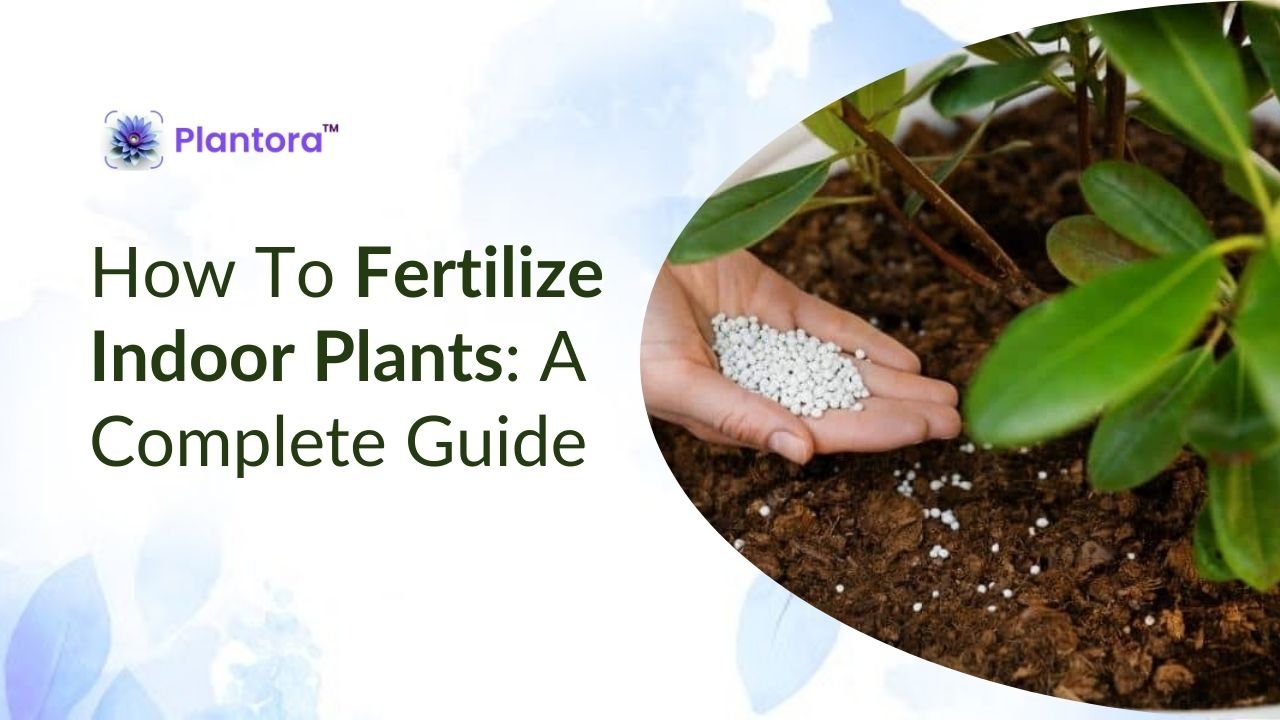
Granular fertilizer comes as small pellets or grains. You sprinkle it on top of the soil or mix it in. Water dissolves the granules over time. This type works well for larger pots or plants that need a steady supply over weeks. However, it’s easier to overdo, so always follow the instructions.
Slow-release Fertilizer
Slow-release fertilizer is made of coated pellets that release nutrients slowly over several months. You usually apply it once or twice a year. It’s very convenient if you forget to fertilize regularly, but it’s less flexible. If your plant needs more food or you want to stop feeding, you can’t remove the pellets easily.
Here’s a quick comparison of the three main types:
| Type | How Fast It Works | How Often to Use | Best For |
|---|---|---|---|
| Liquid | Fast (days) | Every 2-4 weeks | Most houseplants |
| Granular | Medium (weeks) | Every 1-2 months | Large pots, established plants |
| Slow-Release | Slow (months) | 2-3 times/year | Forgetful owners |
Credit: plantora.app
Understanding N-p-k: The Numbers On The Label
Every fertilizer package has three numbers, like 10-10-10 or 3-1-2. These are the N-P-K ratio, which stands for:
- N = Nitrogen (for leafy growth)
- P = Phosphorus (for roots and flowers)
- K = Potassium (for overall health)
A balanced fertilizer (like 10-10-10) gives equal parts of each. Some plants need more of one nutrient. For example, leafy plants (like pothos or peace lily) like more nitrogen, while flowering plants (like African violets) need more phosphorus.
Here’s a simple way to understand what each nutrient does:
| Nutrient | Main Benefit | Symptoms if Lacking |
|---|---|---|
| Nitrogen (N) | Leaf and stem growth | Yellow leaves, weak stems |
| Phosphorus (P) | Roots, flowers, fruit | Poor flowering, weak roots |
| Potassium (K) | General health, disease resistance | Brown leaf edges, weak growth |
How And When To Fertilize Indoor Plants
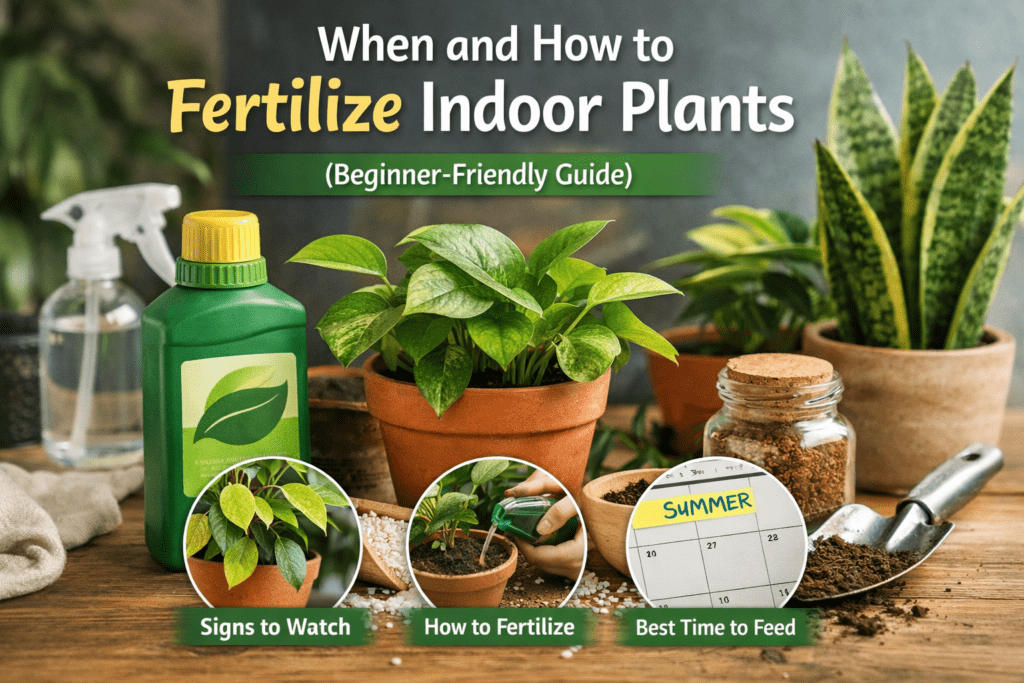
Timing and method matter as much as choosing the right product. Most indoor plants should be fertilized during their active growing season, which is usually spring and summer. In fall and winter, many plants rest and need less food.
Step-by-step Fertilizing Guide
- Check the plant’s needs: Not all plants want the same fertilizer or schedule. Succulents and cacti, for example, need less frequent feeding than tropical plants.
- Read the label: Always follow the instructions on your fertilizer. Using too much can burn roots.
- Mix carefully: If using liquid fertilizer, measure precisely. It’s better to use too little than too much.
- Apply to moist soil: Fertilizing dry soil can harm roots. Water your plant a little first if the soil is dry.
- Water after fertilizing: This helps move nutrients through the soil to the roots.
- Observe and adjust: Watch your plant’s reaction. If you see leaf burn or yellowing, reduce the amount next time.
Pro tip: It’s easy to over-fertilize. When in doubt, use half the recommended amount, especially for sensitive plants.
Credit: leafyabode.com
Organic Vs. Synthetic Fertilizer
Both organic and synthetic fertilizers feed your plants, but they work in different ways.
Organic fertilizers are made from natural sources like compost, worm castings, or fish emulsion. They release nutrients slowly and can improve soil health. Organic options are gentler and less likely to burn your plant.
Synthetic fertilizers are made in factories and provide nutrients in a form that plants can use right away. They work fast and are often cheaper, but overuse can damage roots and upset the balance of soil.
Here’s a simple comparison:
| Type | Pros | Cons |
|---|---|---|
| Organic | Improves soil, gentle, eco-friendly | Slower results, may smell |
| Synthetic | Works fast, usually cheaper | Can burn plants, not eco-friendly |
Non-obvious insight: Some organic fertilizers (like fish emulsion) can smell bad indoors. If you have pets, choose odor-free or synthetic types.
Matching Fertilizer To Plant Type
Different plants have different needs. Using the wrong fertilizer can slow growth or cause damage.
Leafy Green Plants
Plants like Monstera, Pothos, and Snake Plant need more nitrogen for lush leaves. Use a fertilizer with a higher first number (for example, 10-5-5).
Flowering Plants
Plants such as African violets or Peace Lily benefit from higher phosphorus. Look for a fertilizer with a higher middle number, like 5-10-5.
Succulents And Cacti
These store water and need less food. Use a weak, balanced fertilizer (for example, 2-2-2) and feed only in spring and summer.
Edible Herbs
Herbs like basil and mint need steady, gentle feeding. Use a mild, organic fertilizer and avoid over-fertilizing, which can reduce flavor.
Non-obvious insight: Some plants, like orchids, need special orchid fertilizer because regular products can harm their delicate roots.
Common Fertilizer Mistakes Beginners Make
Fertilizing seems simple, but mistakes are common—often with serious effects.
- Over-fertilizing: More is not better. Too much fertilizer can burn roots and kill your plant.
- Fertilizing when soil is dry: Always moisten the soil before applying fertilizer.
- Ignoring plant type: Using the same fertilizer for all plants can cause problems. Know what your specific plant needs.
- Fertilizing in winter: Most indoor plants rest in winter and don’t need much food.
- Not flushing soil: Over time, salts from fertilizer build up in soil. Every few months, pour plenty of water through the pot to wash out excess salts.
Signs Your Plant Needs Fertilizer
It’s not always easy to tell when a plant is hungry. Look for these signs:
- Slow or no growth during spring or summer
- Pale or yellow leaves
- Smaller leaves than normal
- Weak stems
- Few flowers or poor blooming
However, these symptoms can also mean other problems (like poor light or overwatering), so check all conditions before adding fertilizer.
How To Choose A Good Fertilizer Brand
With so many brands out there, it’s hard to know which one to pick. Look for these qualities:
- Clear labeling with N-P-K values
- Trusted reputation (read reviews or ask at garden centers)
- Special formulas for your plant type (such as cactus, orchid, or African violet)
- Easy instructions for beginners
If you want more information on safe and effective fertilizers, you can check this detailed guide from the Royal Horticultural Society.
Practical Tips For Success
- Start slow: For your first time, use half the recommended amount. Watch how your plant reacts.
- Keep a calendar: Mark when you fertilize. This helps avoid doubling up or forgetting.
- Flush your pots: Every 3-4 months, water your plant deeply until excess drains out the bottom. This removes salt build-up.
- Rotate your plants: Sometimes, certain plants need more food than others. Move them around and observe their needs.
- Store fertilizer safely: Keep out of reach of children and pets. Some fertilizers can be harmful if swallowed.
Credit: leafyabode.com
Frequently Asked Questions
How Often Should I Fertilize My Indoor Plants?
Most indoor plants do best with fertilizer every 2-4 weeks during the growing season (spring and summer). In fall and winter, you can reduce or stop feeding, as most plants rest and need less food.
Can I Use Outdoor Plant Fertilizer For My Houseplants?
You can use outdoor fertilizer if the N-P-K ratio is suitable and you dilute it properly. However, indoor plants need gentler feeding, so always use less than the outdoor recommendation.
What Happens If I Use Too Much Fertilizer?
Over-fertilizing can cause root burn, leaf browning, and even kill your plant. If you suspect over-fertilization, flush the soil with water and avoid feeding for a while.
Do All Indoor Plants Need Fertilizer?
Most indoor plants benefit from fertilizer, but some, like succulents and cacti, need very little. Always check your plant’s specific needs before adding any product.
Is It Better To Use Organic Or Synthetic Fertilizer For Houseplants?
Both work, but organic fertilizers are safer for beginners because they release nutrients slowly and are less likely to cause root burn. Synthetic fertilizers give faster results but require more careful measuring.
Fertilizing your indoor plants doesn’t have to be complicated. With the right knowledge, you’ll see stronger growth, greener leaves, and more flowers. Start simple, watch your plants, and adjust as needed. Remember: healthy indoor plants bring beauty and calm to any space, and proper feeding is a big part of their care.
