
Supima Cotton Vs Egyptian Cotton Bed Sheets: Which Is Best for You?
A good night’s sleep often starts with the right bed sheets. If you’re shopping for luxury bedding, you’ll likely see two names again and again: Supima cotton and Egyptian cotton. Both are famous for comfort, softness, and durability. But what really sets them apart? How do you know which is the better choice for your needs, lifestyle, and budget?
Let’s dive deep into the world of Supima and Egyptian cotton bed sheets. We’ll look at how they’re grown, what makes them unique, and the differences you’ll actually feel every night. By the end, you’ll have the confidence to choose the perfect set for your bedroom.
What Is Supima Cotton?
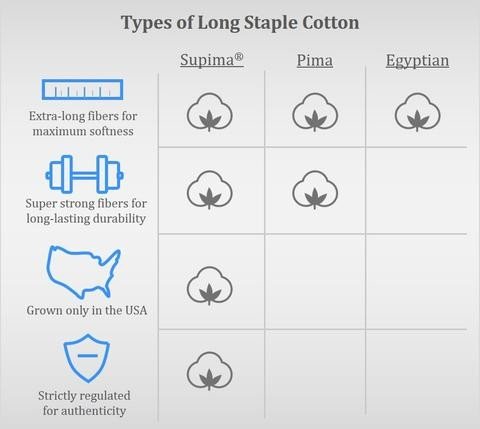
Supima cotton is a type of extra-long staple (ELS) cotton grown mainly in the United States. The word “Supima” comes from “Superior Pima,” and it’s a trademarked name. Only cotton that meets strict quality rules can be called Supima.
What makes Supima stand out? The fibers are longer (about 1. 5 inches), which leads to smoother, stronger threads. Supima cotton makes up less than 1% of the world’s cotton supply, so it’s rare and exclusive. Most Supima is grown in California, Arizona, Texas, and New Mexico under strict farming standards.
What Is Egyptian Cotton?
Egyptian cotton is also an ELS cotton, but it’s grown along the Nile River in Egypt. Its long, silky fibers create soft, durable, and absorbent fabrics. Egyptian cotton became popular in luxury bedding because of its soft touch and breathability.
However, not all Egyptian cotton is equal. The cotton must be grown in Egypt, but not every sheet labeled “Egyptian cotton” uses only true ELS fibers. Some brands mix in shorter or lower-quality cotton, so buying from trusted sources is key.
Supima Cotton Vs Egyptian Cotton: The Key Differences
Let’s compare Supima and Egyptian cotton bed sheets head-to-head, focusing on what matters most for your comfort and budget.
| Feature | Supima Cotton | Egyptian Cotton |
|---|---|---|
| Origin | USA (mainly California, Arizona, Texas, New Mexico) | Egypt (Nile River region) |
| Fiber Length | 1.5 inches (extra-long staple) | 1.5–2 inches (extra-long staple) |
| Softness | Very soft, smooth, becomes softer with use | Silky smooth, luxurious feel, softens over time |
| Durability | High, resists pilling and tearing | Very high, can last decades if cared for |
| Certification | Trademarked “Supima” label ensures authenticity | Not always certified; some blends are lower quality |
| Price | Expensive, but often less than true Egyptian cotton | Usually most expensive, especially 100% certified sheets |
How Do Supima And Egyptian Cotton Feel?
Both Supima and Egyptian cotton are praised for their comfort. However, the experience isn’t exactly the same.
- Supima cotton sheets feel smooth and crisp at first, and become even softer with every wash. The fabric is lightweight and breathable, which is great for hot sleepers or warm climates.
- Egyptian cotton sheets are known for a silky, almost buttery feel. They drape well and feel cool to the touch. Over time, the softness deepens, and premium Egyptian cotton sheets can last 10–15 years (or more) with proper care.
A non-obvious tip: If you like a crisp, hotel-style sheet, Supima may be better. If you want a silky, luxurious feel, choose Egyptian cotton.
Durability And Longevity
The strength of both cotton types comes from their long fibers, but there are small differences:
- Supima cotton is famous for resisting pilling, fraying, and tearing. Even after years of use, the sheets keep their shape and color.
- Egyptian cotton is also very durable, but only if you buy sheets made from 100% ELS fibers. Some Egyptian cotton sheets in the market use blends, which are less strong and may pill over time.
A hidden insight: Supima cotton is less likely to pill even if you wash it often, thanks to strict US farming and ginning standards.
Breathability And Temperature Control
Both fabrics are highly breathable because of the long fibers and the way the yarns are spun.
- Supima sheets are often lighter, making them a top choice for people who sleep hot or live in humid places.
- Egyptian cotton is naturally absorbent and wicks moisture well, but the sheets can feel slightly heavier, especially with higher thread counts.
If you want the coolest sleep possible, Supima’s lighter feel is usually the winner. But for a heavier, cozier sheet in winter, Egyptian cotton may feel more comforting.
Credit: certipik.com
Color And Design Choices
Both types of cotton take dye well, so you’ll find a wide range of colors and patterns. However, there are some differences:
- Supima cotton sheets often have brighter, longer-lasting colors. The fibers absorb dye deeply, so fading is less likely.
- Egyptian cotton sheets also hold dye well, but lower-quality blends can fade faster.
If you want bold, vibrant colors that last, Supima sheets are a safe bet.
Price And Value For Money
Luxury comes at a price. Here’s how the two compare:
- Supima cotton sheets usually cost between $100 and $300 for a queen set, depending on thread count and brand. The price is high, but you pay for quality and longevity.
- Egyptian cotton sheets can cost $150 to $500 or more for true, certified ELS cotton. Cheaper sets may use blended cotton, so always check the label.
Is it worth paying for premium sheets? If you want sheets that last for years and get softer over time, both are smart investments. However, Supima often offers better value for money because the certification is strict and you know what you’re getting.
Thread Count: Does It Matter?
Thread count measures how many threads are woven into one square inch of fabric. Many people believe “higher is better,” but this isn’t always true.
- For both Supima and Egyptian cotton, a thread count of 300–500 is ideal. This range means the sheets are soft, strong, and breathable. Ultra-high counts (800+) can make sheets stiff or trap heat.
- More important than thread count is the quality of the cotton. A 400 thread count Supima or Egyptian cotton sheet will feel better than a 1000 thread count sheet made from regular cotton.
A practical tip: Don’t chase the highest thread count. Focus on fiber quality first.
Care And Maintenance
Both types of sheets are easy to care for, but small habits help them last longer.
- Wash in cold or warm water using mild detergent. Hot water can damage fibers.
- Avoid bleach and fabric softeners. These can break down the cotton and reduce softness.
- Tumble dry on low or hang dry. High heat can shrink or weaken the sheets.
- Iron if desired, but both types resist wrinkling well when removed from the dryer quickly.
An extra insight: Supima sheets are slightly more resistant to shrinking, thanks to tighter US manufacturing controls.
Certifications And Authenticity
With luxury sheets, authenticity matters. Many products claim to be “Egyptian cotton” but may not be true ELS quality.
- Supima cotton: Look for the official Supima trademark. Only licensed brands can use it, so you know you’re getting genuine fibers.
- Egyptian cotton: Look for the Cotton Egypt Association logo or certification. This is the only way to be sure you’re getting true Egyptian cotton.
If a sheet set is much cheaper than the competition but claims to be Egyptian cotton, it’s probably a blend. Always check for third-party certification.
Environmental Impact
Sustainability is important to many shoppers. Here’s how the two types compare:
- Supima cotton farms in the US follow strict water and pesticide rules. Many use drip irrigation and eco-friendly practices.
- Egyptian cotton farming depends on Nile River flooding, and water use can be high. However, some Egyptian farms are moving toward organic methods.
Supima’s traceability and environmental rules are easier to check, making it a safer bet for eco-conscious buyers.
Credit: wellfabric.com
Real-world Examples And Customer Reviews
Let’s look at some real products to see how these differences play out.
- Supima Sheets Example: The “Brooklinen Luxe Sateen Sheets” use 100% Supima cotton. Customers praise their durability and the way they get softer with each wash. Colors stay bright after months of use.
- Egyptian Sheets Example: The “Boll & Branch Signature Hemmed Sheet Set” uses certified Egyptian cotton. Reviews mention a buttery smooth feel and sheets that look new after years of washing.
One common mistake: Some buyers pay for “Egyptian cotton” without checking for certification. They end up with blends that pill or fade quickly.
Quick Comparison Table
Here’s a snapshot to help you compare at a glance:
| Supima Cotton | Egyptian Cotton | |
|---|---|---|
| Best for | People who want long-lasting, colorful, crisp sheets | Those who love silky, drapey, luxury hotel-style sheets |
| Care | Easy, low shrinkage | Easy, but blends can shrink or pill |
| Authenticity | Trademarked, easy to verify | Look for certification, many fakes |
| Price Range (Queen set) | $100–$300 | $150–$500+ |
Credit: holsper.com
Which Should You Choose?
Choosing between Supima and Egyptian cotton depends on your priorities:
- Pick Supima cotton if you want sheets that are crisp, strong, colorful, and easy to care for. You’ll know exactly what you’re getting, and the price is often a bit lower.
- Pick Egyptian cotton if you want a silky, luxurious feel and don’t mind paying extra for certified, authentic sheets. Make sure to check for official certification.
If you want more details on cotton types and luxury bedding, you can visit the Wikipedia page on cotton.
Frequently Asked Questions
What Is The Main Difference Between Supima And Egyptian Cotton?
The main difference is origin and certification. Supima cotton is grown in the USA and is always certified, while Egyptian cotton comes from Egypt and may not always be pure unless certified. Both have long fibers, but Supima is usually more consistent in quality.
Are Supima Cotton Sheets Cooler Than Egyptian Cotton?
Yes, Supima sheets are often lighter and more breathable, making them cooler for hot sleepers. Egyptian cotton sheets can feel heavier, especially at high thread counts.
How Can I Tell If My Egyptian Cotton Sheets Are Real?
Look for certification from the Cotton Egypt Association or similar third-party groups. If the price is low and there’s no certification, it’s likely a blend, not true Egyptian cotton.
Do Both Types Wrinkle Easily?
Both resist wrinkling better than regular cotton, but Supima sheets may wrinkle less because of the fiber’s strength and the way they’re finished. Removing sheets from the dryer quickly helps prevent wrinkles.
Which Lasts Longer: Supima Or Egyptian Cotton Sheets?
Both can last for many years if cared for well. True Egyptian cotton sheets can sometimes last longer (over 10 years), but only if they’re made with 100% ELS fibers. Supima sheets are also very durable and resist pilling.
With the right choice, your next set of bed sheets can turn sleep into a true luxury. Take time to check the label, compare certifications, and choose what fits your style and comfort best. Happy sleeping!
