
A goose down duvet is often seen as a symbol of comfort and luxury in the bedroom. Known for their warmth and lightness, these duvets are a favorite for many who want restful, cozy sleep. But buying a goose down duvet is also an investment. If you are thinking of getting one or already have it, a common question comes to mind: *How long should a goose down duvet last?* The answer is not always simple, as it depends on several factors. This article will give you a full, clear guide on what affects the lifespan of your duvet, how to care for it, when to replace it, and what you can do to make it last as long as possible.
What Is A Goose Down Duvet?
A goose down duvet is filled with the soft, fluffy clusters found under the feathers of geese. These clusters are what keep geese warm in cold weather, and they work the same magic in your bedding. Down is different from feathers, which are heavier and have stiff quills. Good goose down duvets are light, soft, and can trap a lot of air, making them very warm without feeling heavy.
The cover (also called the shell) is usually made from cotton, but sometimes silk or other materials. The quality of the shell also impacts how long the duvet will last.
Average Lifespan Of A Goose Down Duvet
Most high-quality goose down duvets can last between 10 to 20 years with proper care. Some luxury duvets even last longer. Cheaper or low-quality duvets, on the other hand, may only last 5-7 years before they lose their warmth and fluffiness.
Here’s a quick overview:
| Quality Level | Average Lifespan |
|---|---|
| Luxury (High Fill Power, Good Shell) | 15-20 years |
| Mid-range | 10-15 years |
| Low-end/Budget | 5-7 years |
Many people are surprised that a goose down duvet can last so long. The key is how you use and care for it.
Factors That Affect Duvet Longevity
Several things impact how long your goose down duvet will last:
1. Fill Power
Fill power measures how well the down clusters can trap air and provide insulation. Higher fill power means bigger, stronger clusters. Duvets with high fill power (700+) last longer because the down is more resilient and less likely to break down.
2. Quality Of Down And Shell
The origin of the down (European, Canadian, etc.) and the type of shell fabric make a big difference. Tightly woven shells prevent the down from escaping and protect it from moisture and dirt.
3. Usage
If you use your duvet every night, it will wear out faster than one used only part of the year or as a guest bedding. Rotating duvets seasonally can help extend their life.
4. Care And Cleaning
Improper washing or not using a duvet cover can cut the lifespan in half. Duvets need regular airing out, and spot-cleaning is better than frequent full washes.
5. Environment
High humidity, exposure to sunlight, and dust mites can all shorten the life of your duvet. Proper storage and using protectors help defend against these threats.
Signs Your Duvet Needs Replacing
Even with the best care, every duvet will eventually need to be replaced. Here are signs to watch for:
- Loss of loft: The duvet feels flat and doesn’t fluff up, even after shaking.
- Cold spots: Some areas are much thinner than others, leading to uneven warmth.
- Leaking down: Feathers or down clusters escape through the shell.
- Stains or odors: Persistent smells or stains that don’t go away after cleaning.
- Irritation or allergies: Increased sneezing or itching can mean the down is breaking down or dust mites have taken hold.

Credit: scooms.com
How To Maximize The Life Of Your Goose Down Duvet
If you want your duvet to last as long as possible, follow these tips:
Use A Duvet Cover
Always use a duvet cover. This acts as a shield against sweat, oils, and spills. Wash the cover often—once every 1-2 weeks is ideal.
Air Out Regularly
Every 1-2 months, hang your duvet outside (in the shade) to let it breathe. This helps keep it fresh and fluffy.
Avoid Frequent Washing
Washing a duvet too often can damage the down clusters and shell. Instead, spot-clean small stains with mild soap and water. Wash the entire duvet only if absolutely necessary, and always follow the manufacturer’s instructions.
Fluff And Shake
Give your duvet a good shake each morning to redistribute the down and maintain its loft.
Store Properly
When not using your duvet, store it in a breathable cotton bag, not plastic. This prevents moisture build-up and mildew.
Professional Cleaning
For deep cleaning, consider professional laundering every 3-5 years. Home washing machines can be too rough, especially for large or thick duvets.
Common Mistakes That Shorten Duvet Life
Many people make mistakes without realizing the impact on their duvets. Here are some to avoid:
- Using no cover or a very thin one
- Washing in hot water or using harsh detergents
- Drying in high heat, which can burn the down
- Storing in damp places or sealed plastic bags
- Sitting or lying on the duvet during the day (compresses the down)
These habits can quickly damage the delicate down clusters and cause your duvet to lose its warmth and softness.
How Does Goose Down Compare To Alternatives?
You might wonder if goose down duvets last longer than other types, like synthetic or feather duvets. Here’s a comparison:
| Type | Average Lifespan | Warmth-to-Weight | Price |
|---|---|---|---|
| Goose Down | 10-20 years | Excellent | High |
| Duck Down | 7-15 years | Good | Medium |
| Synthetic | 3-7 years | Fair | Low |
| Feather | 5-10 years | Moderate | Medium |
As you can see, goose down usually lasts the longest if cared for properly.
When Should You Replace Your Goose Down Duvet?
Even if your duvet still looks good, it might not be performing as well as before. Replace it when:
- You wake up feeling cold, even with the same bedding as before.
- The duvet is too flat and won’t regain fluff.
- There are multiple cold spots.
- You notice allergies that weren’t there before.
Don’t wait until your sleep suffers. A good night’s rest is worth the investment.
How To Choose A Goose Down Duvet That Lasts
When buying a new goose down duvet, consider these factors for maximum lifespan:
- Fill power: Look for 700 or higher.
- Shell material: Tightly woven cotton (at least 300 thread count) is best.
- Construction: Baffle-box stitching helps keep down evenly spread.
- Origin of down: European or Canadian down is often higher quality.
- Brand reputation: Read reviews and buy from trusted brands.
Don’t just buy the cheapest option. Over time, a better quality duvet will actually cost less per year of use.
Non-obvious Insights For Duvet Owners
Many first-time buyers miss these points:
- Down proofing wears out: Even the best shell fabric becomes less down-proof with age. If you notice more down escaping, it’s usually time to replace the duvet.
- Climate matters: In humid climates, duvets may attract more dust mites or mold. Store with moisture-absorbing packets or consider professional cleaning more often.
- Regular fluffing is essential: If you forget to shake and fluff your duvet regularly, down can clump and break down faster.

Credit: www.cuddledown.co.uk
Expert Tip: Rotate Your Duvet
Just like flipping a mattress, rotating your duvet (turning it end-to-end and top-to-bottom every few months) helps distribute wear evenly. This simple habit can add years to its life.
The Environmental Impact Of Duvet Longevity
A longer-lasting duvet means less waste. High-quality goose down is biodegradable, and many companies now offer recycling programs for old duvets. If you care about sustainability, invest in a duvet that will last and look for ethical sourcing certifications.
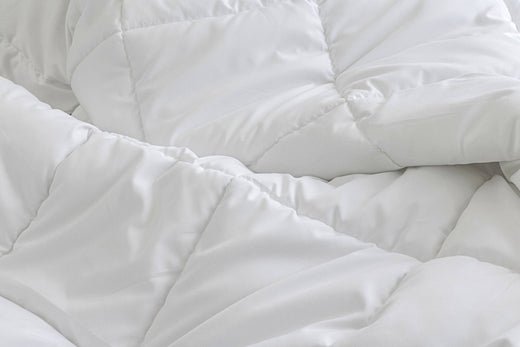
Credit: supremequilts.com.au
Cost Over Time: Is A Goose Down Duvet Worth It?
Let’s break down the cost. Suppose you spend $400 on a quality goose down duvet that lasts 15 years. That’s less than $27 per year of use. A synthetic duvet costing $80 and lasting 4 years will cost you $20 per year, but you’ll have to buy and throw away three or four over the same period.
Over time, goose down is not only more comfortable but also better value.
Care Routine: A Yearly Duvet Maintenance Plan
To make care easier, here’s a simple yearly routine:
| Season | Action |
|---|---|
| Spring | Air out and inspect for cold spots or leaks |
| Summer | Store in breathable bag if not used; wash cover |
| Autumn | Fluff well, check for fresh smell, rotate duvet |
| Winter | Shake daily, spot clean any stains |
This simple plan keeps your duvet in top condition for many years.
Frequently Asked Questions
How Do I Know If My Goose Down Duvet Has Lost Its Warmth?
Check for cold spots and flat areas that don’t fluff up anymore. If you feel colder at night or notice the down has shifted and won’t stay evenly spread, these are signs the duvet has lost its insulating power.
Can I Wash My Goose Down Duvet At Home?
You can, but it’s risky. Most home washing machines are too small, and improper drying can cause mildew. It’s safer to use a professional cleaner or a large commercial washer. Always follow the care label instructions.
Is It Normal For Some Down To Escape From My Duvet?
A small amount of down leakage is normal over time, but if you find feathers or down clusters all over your bed, the shell fabric may be worn out. This usually means it’s time to replace the duvet.
How Can I Refresh My Duvet Without Washing It?
Air it outside on a dry day (avoid direct sunlight). You can also put it in the dryer on low, no-heat with clean tennis balls to help fluff it up. This removes moisture and helps restore loft.
Are More Expensive Goose Down Duvets Always Better?
Not always. Price does not guarantee quality. Check for fill power, shell quality, construction, and trusted brands. Some very expensive duvets use marketing but not better materials. Read independent reviews and look for certifications.
A goose down duvet is a long-term investment for comfort and sleep quality. With the right knowledge and care, it can keep you warm for a decade or more. Understanding how long a goose down duvet should last—what affects it, and how to care for it—helps you make smart choices, enjoy better sleep, and get the most value for your money. For more on duvet types and care, visit the Wikipedia duvet guide.