
Plastic bags have been in our kitchens for decades. They are cheap, light, and easy to use for packing sandwiches, storing leftovers, or freezing fruits. But now, more people are switching to silicone food storage bags. Why? There is growing concern about plastic waste, food safety, and health. Many people want a better, safer, and more eco-friendly way to store their food.
Choosing between silicone food storage bags vs plastic bags can seem simple at first. But when you look closer, there are important differences in safety, durability, cost, and environmental impact. This article will help you understand these differences, so you can decide what’s best for your kitchen and your health.
What Are Silicone Food Storage Bags?
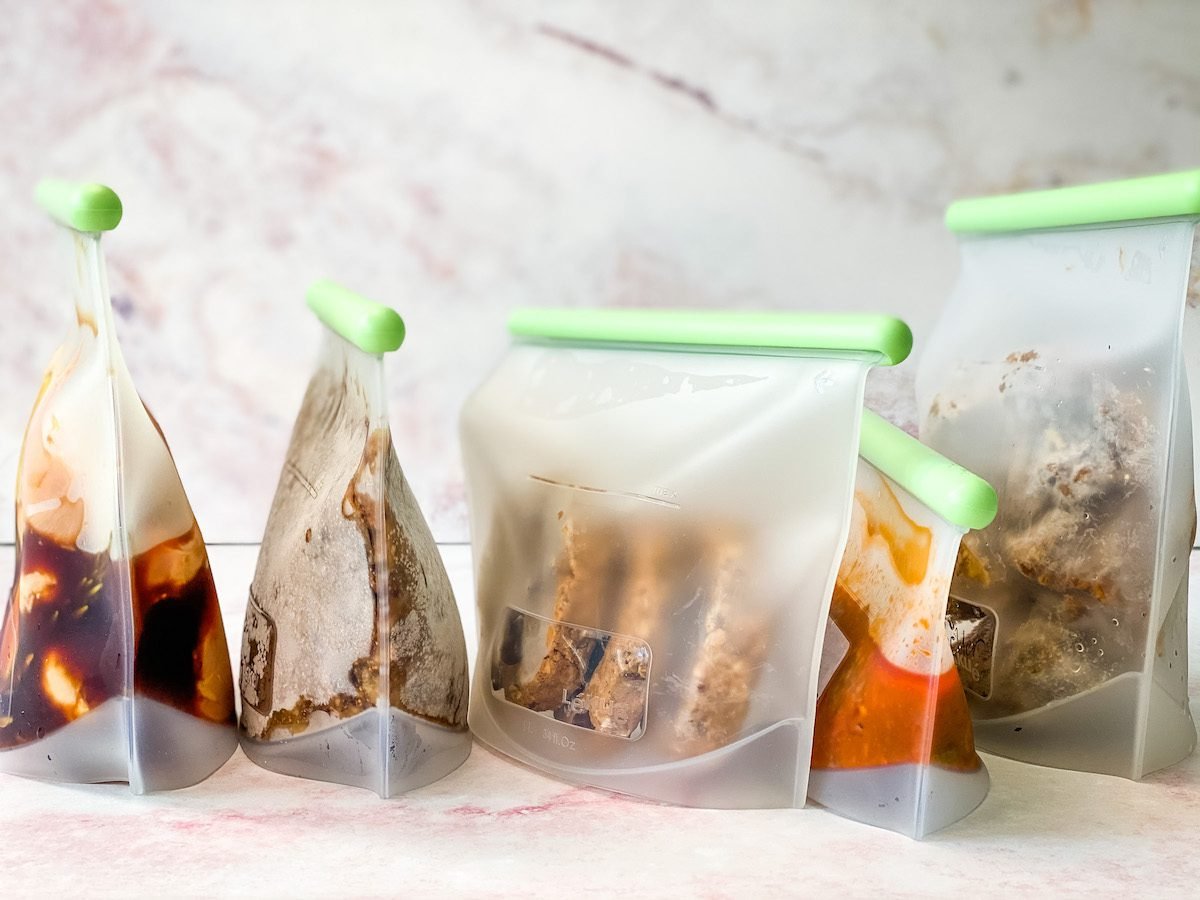
Silicone food storage bags are made from food-grade silicone. This material is flexible, rubber-like, and non-toxic. It is created from a mix of silicon (from sand), oxygen, carbon, and hydrogen. Food-grade silicone can handle both high and low temperatures. This means you can use these bags in the freezer, microwave, oven, and dishwasher.
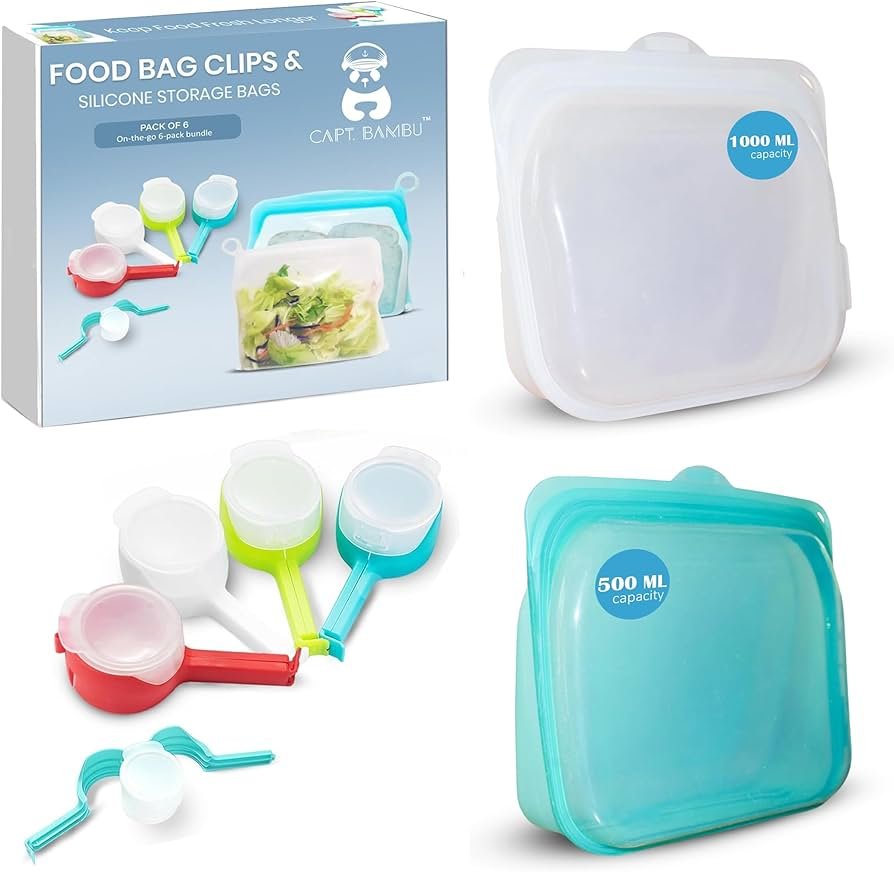
Silicone bags usually have a strong seal. Some use a slider bar, others have a zip-lock design. They come in many sizes for snacks, sandwiches, or large meal prep.
What Are Plastic Food Storage Bags?
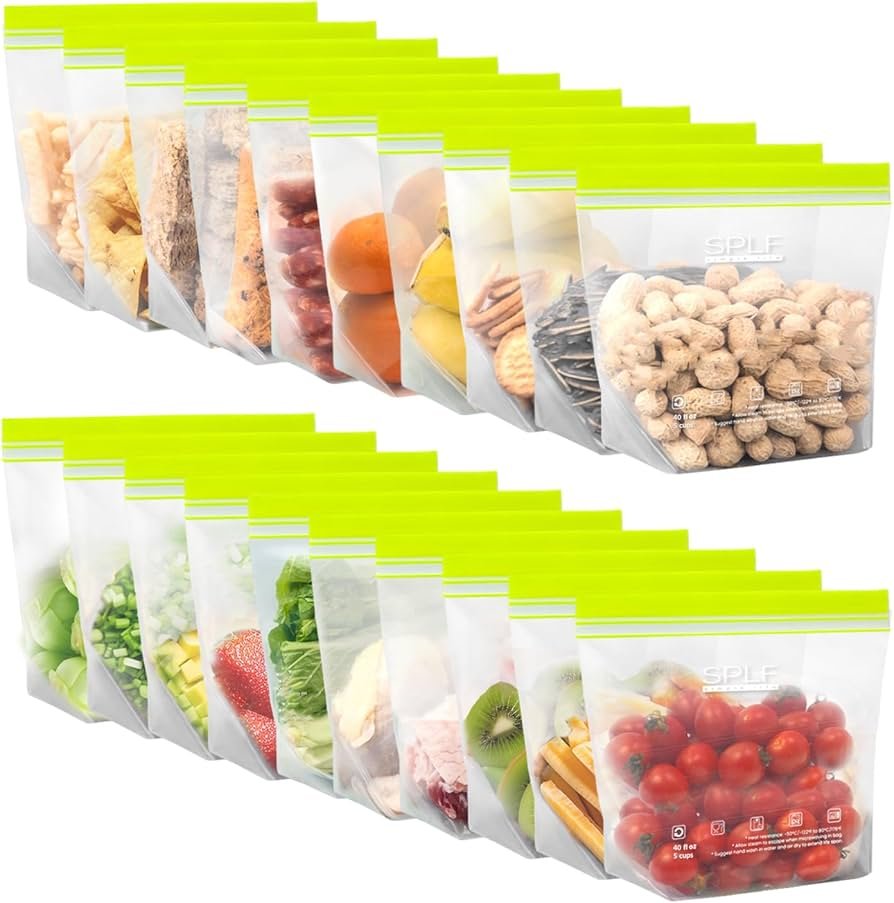
Plastic bags for food storage are usually made from polyethylene (either LDPE or HDPE). They are light, clear, and very flexible. Most plastic food bags use a zip seal, press-and-seal, or simple fold-over top.
These bags are cheap and found everywhere. You often see them in rolls or boxes in grocery stores. They are usually single-use, but some people wash and reuse them a few times.
Durability: Which Lasts Longer?
One of the biggest differences is how long these bags last.
Silicone bags are known for their long lifespan. They can handle thousands of uses. You can freeze, microwave, or boil them, and they will not crack or melt. If you care for them properly, a single silicone bag can last for years.
Plastic bags, however, are not very durable. They tear or get holes easily, especially after washing or heavy use. Most people throw them away after just one or two uses.
Here is a quick comparison of durability:
| Feature | Silicone Bags | Plastic Bags |
|---|---|---|
| Typical Uses | 1000+ | 1-3 |
| Withstand Heat | Up to 400°F (204°C) | Up to 195°F (90°C) |
| Dishwasher Safe | Yes | Rarely |
Food Safety And Health
Food safety is a big reason why people switch to silicone. Many plastic bags contain chemicals like BPA (bisphenol A) or phthalates. These chemicals can leak into food, especially when heated. BPA is linked to hormone problems and other health risks.
Most modern food bags are labeled “BPA-free. ” But some still use other chemicals that are not proven safe. Also, plastic bags can absorb smells and stains. They are hard to clean fully, which may lead to bacteria growth.
Silicone bags, when made from 100% food-grade silicone, are non-toxic and do not leak chemicals into food. They do not react with acids or oils. You can safely use them in the microwave or oven. Quality silicone bags are also easy to clean, so bacteria are less likely to build up.
However, not all silicone products are equal. Some cheap silicone bags may have plastic fillers. It’s important to buy from a trusted brand and look for third-party safety certificates.
Environmental Impact
Plastic pollution is a serious global problem. Billions of single-use plastic bags end up in landfills, rivers, and oceans each year. They take hundreds of years to break down. Along the way, they harm wildlife and pollute the food chain.
Silicone bags are reusable and can replace hundreds or thousands of plastic bags over their lifetime. While silicone is not biodegradable, it is more durable and creates less waste. At the end of its life, silicone can sometimes be recycled at special facilities.
Here is a direct comparison of environmental impact:
| Environmental Factor | Silicone Bags | Plastic Bags |
|---|---|---|
| Reusability | High (1000+ uses) | Low (single-use) |
| Biodegradable | No | No |
| Recyclable | Sometimes (special facilities) | Rarely (most are not recycled) |
| Waste Produced | Low | Very high |
A single silicone bag can replace hundreds to thousands of plastic bags over a few years. This can make a big difference for the environment, especially if more people switch.
Cost Comparison
At first, silicone bags look expensive. One silicone food bag usually costs $8–$15. A box of 50 plastic bags may cost only $3–$5.
But if you add up the cost of buying plastic bags over a year or more, silicone can save you money. For example, if you use two plastic bags per day, that is over 700 bags a year. That can cost $40–$60 or more per year.
Silicone bags are an investment. You pay more at first, but you save money over time because you do not keep buying new bags.
Practical Use And Convenience
Plastic bags are simple to use. They are light, fold small, and you can toss them after use. For busy days, they are convenient. But, they often leak, and sealing them well can be a problem.
Silicone bags are thicker and heavier. They take up more space in a drawer or bag. Some people find them harder to open and close, especially if they have a slider or stiff seal. But once closed, they rarely leak.
Cleaning is different too. You can throw a silicone bag in the dishwasher. Plastic bags, if you want to reuse them, must be washed by hand and can be hard to dry.
Here is a side-by-side comparison of practical features:
| Feature | Silicone Bags | Plastic Bags |
|---|---|---|
| Leak-proof | Yes | Sometimes |
| Microwave Safe | Yes | No (most) |
| Freezer Safe | Yes | Yes |
| Oven Safe | Yes (up to 400°F) | No |
| Cleaning | Dishwasher or hand wash | Hand wash (if reused) |
When Is Plastic Still Useful?
Despite their problems, plastic bags can be useful in some cases:
- Travel: Plastic bags are light and take up little space. For short trips, they are easy to pack.
- Marinating foods: Some people prefer the way plastic bags hold liquid for marinating.
- Emergency storage: Plastic bags are everywhere. In a pinch, you can always find one.
But for regular, everyday use, silicone is often the better choice.
Credit: www.amazon.com
Common Mistakes When Choosing Food Storage Bags
- Not checking the materials: Some silicone bags have plastic fillers. Always look for 100% food-grade silicone and certification.
- Ignoring cleaning instructions: Silicone bags need to be fully dried before storing to prevent mold. Plastic bags can trap moisture and bacteria if not cleaned well.
- Using the wrong bag for high heat: Most plastic bags are not made for hot food or microwaving. Silicone bags are much safer for reheating.
- Buying too few silicone bags: One or two bags may not be enough if you do a lot of meal prep. Consider buying a set for different uses.
Non-obvious Insights Beginners Miss
- Stains and odors: While silicone is resistant, it can hold onto strong smells (like garlic) or get stained from tomato sauce. To remove smells, soak in a baking soda solution. For stains, leave the bag in sunlight for a few hours.
- Shape memory: Silicone is flexible but can hold the shape of what you put inside if stored for a long time. Store them empty and flat to keep their shape.
- Seal strength: Some silicone bags have very strong seals that even adults find hard to open. If you have kids or hand pain, look for bags with easy-open seals.
Credit: tarateaspoon.com
How To Care For Silicone And Plastic Bags
Caring For Silicone Bags
- Wash with soap and water or in the dishwasher.
- Dry completely before storing.
- Remove strong smells by soaking in baking soda and water overnight.
- Store bags flat or hanging open to prevent mold.
Caring For Plastic Bags
- If reusing, wash gently with warm soapy water.
- Dry fully, as trapped water can grow bacteria.
- Do not use with hot foods or in the microwave.
- Replace at the first sign of tearing or cloudiness.
The Future Of Food Storage
More companies are creating new options for eco-friendly food storage. Some are experimenting with plant-based plastics, beeswax wraps, and compostable bags. But for now, silicone and plastic are the main choices.
Governments and stores are also starting to ban or limit single-use plastics. This is likely to push more people to try reusable solutions like silicone.
According to a 2022 report, the global silicone food storage bag market is growing at over 7% per year. More people are choosing them for health and environmental reasons (Statista).
Credit: www.amazon.com
Which Should You Choose?
For most people, silicone food storage bags are the better choice for daily use. They are safer for your health, better for the planet, and cheaper over time. Plastic bags still have a place for some special uses, but using fewer single-use plastics is a smart step for everyone.
Switching to silicone does require a small investment at first. Start with a set of 2–4 bags in different sizes and see how you like them. Over a year, you may be surprised how many plastic bags you save—and how much less waste you create.
Frequently Asked Questions
Are Silicone Food Storage Bags Safe For Hot Foods?
Yes, food-grade silicone bags are safe for hot foods, even in the microwave or oven (up to about 400°F/204°C). Always check the manufacturer’s temperature rating before using with hot foods.
Can I Recycle Silicone Bags At Home?
No, you cannot recycle silicone bags in normal home recycling bins. Some special facilities accept silicone products. Check if your city or a local recycling center offers this option.
Do Silicone Bags Keep Food As Fresh As Plastic Bags?
Yes, silicone bags can keep food just as fresh as plastic if they have a strong seal. In fact, they seal better and are less likely to leak air or liquids.
How Do I Remove Stains Or Smells From Silicone Bags?
Soak the bag in a mixture of baking soda and water overnight. For tough stains, leave the bag in sunlight for a few hours. This usually removes both stains and odors.
Are There Any Foods I Should Not Store In Silicone Bags?
You can store most foods in silicone bags. However, very sharp bones or utensils can puncture the material. Avoid storing these to keep your bags lasting longer.