
Many people love using nonstick pans because food does not stick, and cleaning is easy. But after some time, you might notice eggs start to cling, pancakes break, and even oil seems to run away from the center. This means the nonstick coating is wearing off. If you are not ready to buy a new pan, you might wonder: “Can I restore the nonstick coating on my pan?” The good news is, there are smart ways to bring back some of the pan’s nonstick power, save money, and cook with less frustration.
This guide walks you through everything—why nonstick coating fails, which pans can be restored, safe methods you can try at home, and what to do if nothing works. You will also find common mistakes to avoid, expert tips, and answers to questions most people forget to ask.
Let’s help you enjoy smooth cooking again, even with an old pan.
Why Nonstick Coating Fails
Understanding why the nonstick coating wears off helps you fix it better. Most nonstick pans use a synthetic material called PTFE (also known as Teflon). Over time, this coating can break down because of:
- High heat: Temperatures above 260°C (500°F) can damage the coating.
- Abrasive cleaning tools: Steel wool and rough sponges scratch the surface.
- Oil buildup: Cooking oils leave sticky residue that reduces nonstick effect.
- Wrong utensils: Metal spatulas and forks create small cuts and chips.
- Dishwasher use: Harsh detergents and hot water can erode the coating.
In a survey by Cookware Manufacturers Association, over 70% of nonstick failures were due to overheating and using the wrong utensils. These small habits can shorten your pan’s life by years.
Can All Nonstick Pans Be Restored?
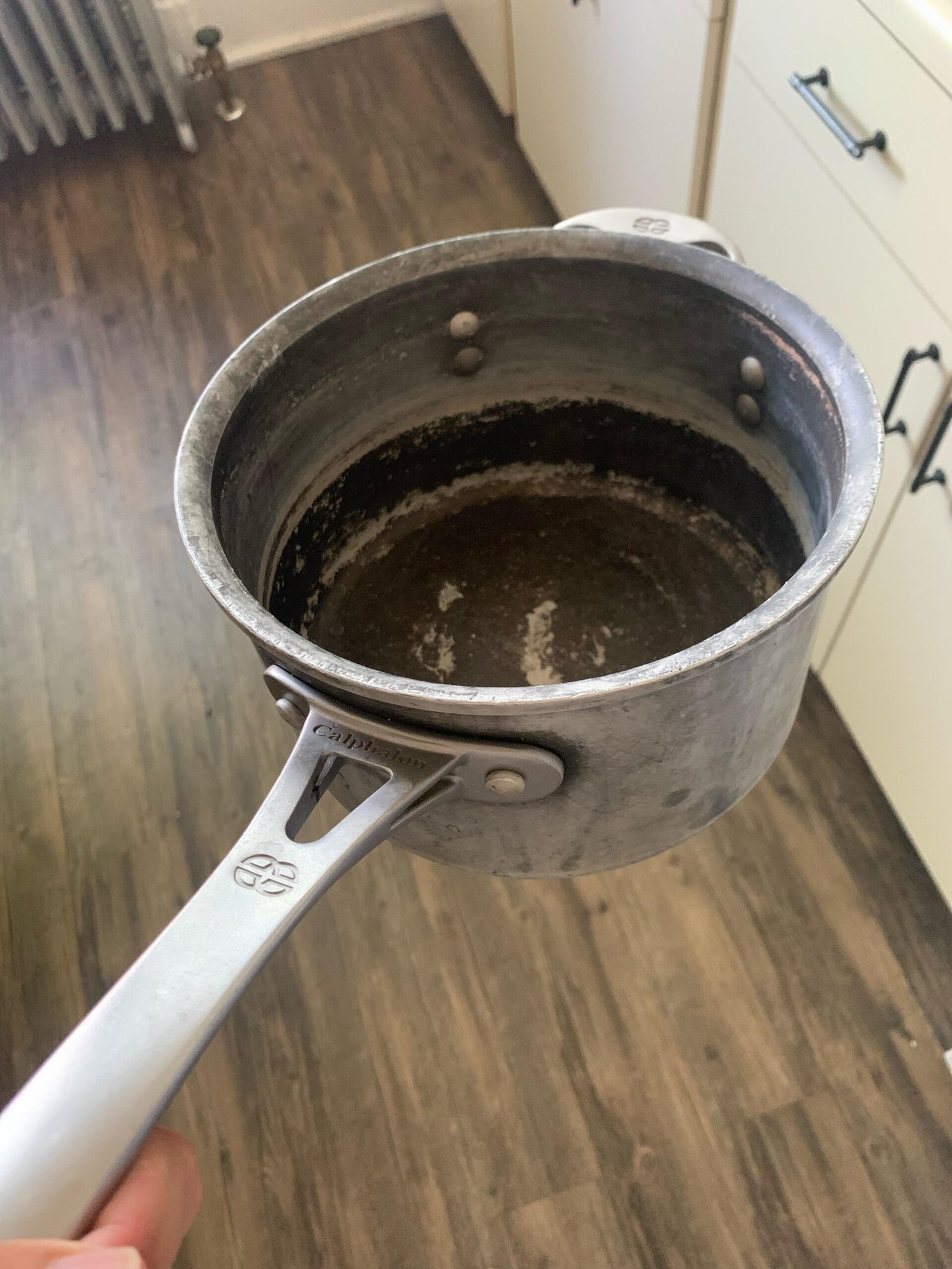
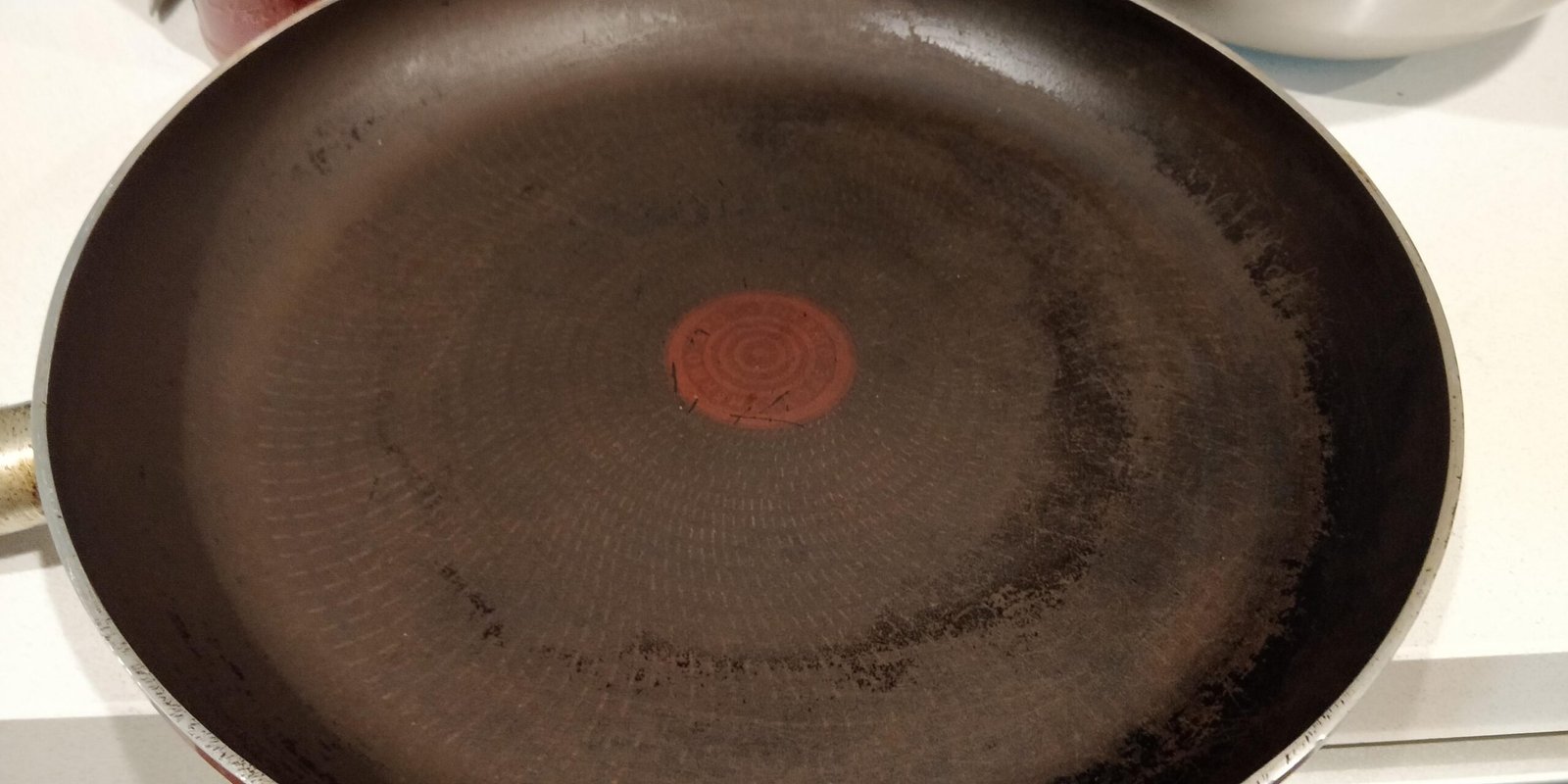
Not every pan can be fixed at home. If the aluminum base is visible or the surface is flaking, restoration is not safe—you risk chemicals mixing with your food. But if the surface is just dull or sticky, there’s hope. Here’s a quick way to check:
| Condition | Restoration Possible? | Notes |
|---|---|---|
| Sticky but smooth | Yes | Try home methods |
| Minor scratches | Maybe | Safe if no deep chips |
| Flaking or peeling | No | Replace pan |
| Base is exposed | No | Unsafe for food |
A beginner mistake is trying to fix pans with deep scratches or flakes. This is dangerous and may release harmful particles into your meals.
Credit: www.reddit.com
Home Methods To Restore Nonstick Coating
If your pan can be restored, there are several practical techniques you can try. These methods do not bring back the original factory coating, but they do create a new, temporary nonstick layer that improves cooking.
1. Deep Cleaning With Baking Soda
Often, sticky pans just have a layer of burned oil. Here is how to clean it:
- Sprinkle baking soda over the pan’s surface.
- Add a little water to form a paste.
- Scrub gently with a soft sponge.
- Rinse well and dry.
This process removes built-up grease that blocks the nonstick effect. Do not use harsh scrubbers—they can do more harm.
2. Seasoning With Oil
Seasoning is not just for cast iron. You can “season” a nonstick pan to restore some slipperiness:
- Preheat your oven to 180°C (350°F).
- Wash and dry the pan.
- Rub a thin layer of vegetable oil or canola oil over the surface.
- Place the pan in the oven for 1 hour.
- Let it cool, then wipe off extra oil with a paper towel.
This creates a slick, temporary layer that helps food release. Many people forget to wipe off excess oil—this is key to avoiding a sticky finish.
3. Applying Nonstick Sprays
There are commercial nonstick sprays designed to refresh pan surfaces. These are different from cooking sprays. Look for products labeled “for cookware restoration” and follow the instructions closely. Not all sprays are food safe, so check before using.
4. Using Ceramic Coating Sprays
Some brands sell ceramic-based sprays that form a new nonstick layer. These can last longer than oil seasoning but require proper application:
- Clean and dry the pan.
- Spray a light, even coat over the surface.
- Let it cure as directed (often 30–60 minutes).
- Heat the pan gently to bond the coating.
This method works best for pans with light wear and no deep damage. Results vary by product, so read reviews first.
5. Home Reseasoning With Salt
This is an old chef’s trick for sticky pans:
- Cover the bottom with coarse salt.
- Heat over medium flame for 10 minutes.
- Discard the salt and wipe with a little oil.
The salt pulls out sticky residues and leaves a smooth surface. This method will not fix deep scratches but can help with minor stickiness.
Professional Recoating: Is It Worth It?
Some companies offer professional recoating for nonstick pans. They strip the old layer and apply a new one, sometimes using commercial-grade materials. The cost usually ranges from $20 to $40 per pan, plus shipping.
| Option | Average Cost | Expected Lifespan | Best For |
|---|---|---|---|
| Home restoration | $0–$10 | Weeks to months | Minor stickiness |
| Professional recoating | $20–$40 | 1–3 years | Quality pans |
| Buying new pan | $25–$100 | 2–5 years | Severe damage |
Professional recoating makes sense for expensive brands or sentimental pans, but for cheap pans, buying a new one is usually smarter. Also, not all pans are worth recoating—some metals or shapes are not compatible with the process.
Credit: www.reddit.com
How To Make Restored Nonstick Last Longer
After restoring your pan, how you use and clean it will decide how long it stays nonstick. Many people forget these simple but powerful habits:
- Cook on medium or low heat. High heat destroys nonstick layers.
- Use wooden, silicone, or plastic utensils. Avoid metal tools.
- Hand-wash with mild soap and a soft sponge. Never use dishwasher.
- Dry the pan right away—water spots can hurt the surface.
- Store pans carefully. Do not stack without a cloth or paper towel between them.
- Re-season the pan every few weeks if you use it often.
A surprising tip: Do not use nonstick spray from a can on restored pans. These sprays often build up over time and cause more sticking.
When To Give Up And Buy A New Pan
Sometimes, restoration is not possible or safe. Signs it’s time for a replacement include:
- Large patches of missing coating
- Deep scratches or chips
- Warped pan base (wobbles on stove)
- White, gray, or black spots that do not wash off
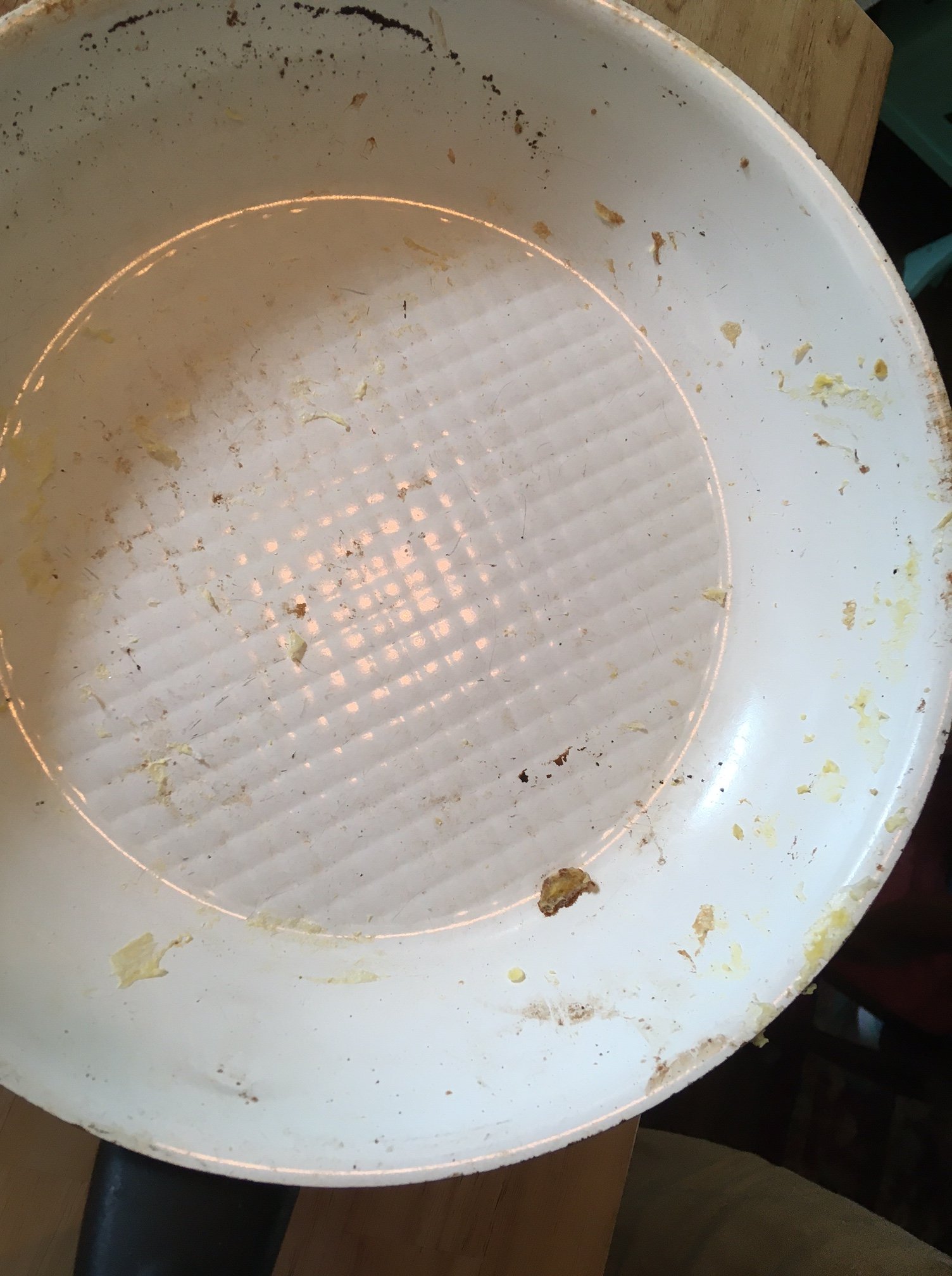
Cooking with a damaged nonstick pan can be risky. Studies show that when nonstick coatings break, tiny particles can enter food. While most research says small amounts are not dangerous, it is not worth the risk, especially if you have children or pets.
If you must replace your pan, look for pans with thicker coatings and check for PFOA-free labels. These last longer and are safer for health.
Credit: economistwritingeveryday.com
Non-obvious Insights And Expert Tips
- Let pans cool before washing. Sudden temperature changes can crack the coating.
- Seasoning is not permanent. Even after restoration, you must repeat oil seasoning every month for best results.
- Do not stack heavy pans on top of restored nonstick pans. This can flatten or chip the new layer.
- Restored pans are best for eggs, pancakes, or delicate fish. Do not use them for searing steaks or stir-frying at high heat.
A common mistake is expecting a restored pan to work like new. Restoration improves performance but does not make the pan perfect. Plan to use it for lighter tasks.
Comparing Nonstick Restoration Methods
To help you decide, here is a direct comparison:
| Method | Time Needed | Cost | Skill Level | Effectiveness |
|---|---|---|---|---|
| Baking soda cleaning | 10 minutes | Low | Easy | Good for minor issues |
| Oil seasoning (oven) | 1.5 hours | Low | Easy | Good for stickiness |
| Ceramic spray | 1–2 hours | Medium | Moderate | Better, but not permanent |
| Professional recoating | 1–2 weeks | High | Professional | Best, but costly |
Choose the method based on your pan’s value, the time you have, and how often you cook.
Frequently Asked Questions
How Many Times Can I Restore A Nonstick Pan?
You can try home restoration methods as often as needed, but each time the effect will be weaker. If your pan needs frequent restoration, it’s a sign the coating is gone and replacement is best.
Is It Safe To Use A Pan With A Scratched Nonstick Coating?
Small scratches are usually safe if there is no flaking. If the aluminum base shows or flakes appear, stop using the pan. Tiny coating particles can mix with food.
What Is The Best Oil For Seasoning A Nonstick Pan?
Use neutral oils with high smoke points like canola oil, vegetable oil, or grapeseed oil. Avoid butter or olive oil for seasoning, as they burn and leave sticky residue.
Can I Use A Nonstick Pan In The Oven After Restoration?
Yes, but only up to the temperature allowed by the manufacturer (usually 175–200°C or 350–400°F). Higher heat can ruin the restored surface and the pan itself.
Are There Alternatives To Nonstick Pans?
Yes, you can use ceramic, stainless steel, or cast iron pans. Each has pros and cons. For example, cast iron, when seasoned well, offers a natural nonstick effect. For more on alternatives, see this Wikipedia article on nonstick surfaces.
Restoring a nonstick pan is a smart way to save money and reduce waste. With a few simple steps and the right expectations, you can enjoy easier cooking and less cleaning—at least for a while longer. If your pan is beyond saving, choose a high-quality replacement and remember the habits that keep it nonstick for years.
