
Getting rid of a stubborn toilet ring can be frustrating, especially when regular cleaning products don’t work. These unsightly stains often form below the waterline and can make even a clean bathroom look dirty. Many people try harsh chemicals or endless scrubbing, but still see the ring remain. There’s a simple, effective tool that many overlook: the pumice stone. Used correctly, a pumice stone can erase toilet rings quickly, safely, and without damaging your toilet.
This guide explains everything you need to know about using a pumice stone for toilet ring removal. You’ll learn why these rings form, how a pumice stone works, detailed steps for use, mistakes to avoid, and practical tips for keeping your toilet spotless.
Whether you’re a homeowner, renter, or professional cleaner, this guide will help you tackle toilet rings with confidence.
What Causes Toilet Rings?
Toilet rings appear for several reasons, and understanding the cause helps you choose the best removal method. The most common causes include:
- Mineral deposits: Hard water leaves behind minerals such as calcium and magnesium. These minerals build up over time, creating a rough, gray or white ring.
- Bacteria and mold: When toilets are not used or cleaned often, bacteria and mold can grow, leaving a dark, sometimes slimy ring.
- Stains from waste: Organic materials and cleaning chemicals can react, causing yellow or brown stains that settle into a ring.
Mineral rings are the most stubborn and hardest to clean with regular brushes. This is where a pumice stone stands out.
Why Use A Pumice Stone?
A pumice stone is a natural volcanic rock. Its rough texture makes it an excellent tool for scrubbing away hard mineral deposits without scratching porcelain when used properly. Here’s why many professionals prefer pumice stones for toilet ring removal:
- Non-toxic: No harsh chemicals, making it safer for your family and the environment.
- Effective on tough stains: It can remove mineral buildup, rust, and limescale that chemicals often cannot.
- Inexpensive: Pumice stones are cheap and last a long time if you use them only for toilets.
Unlike steel wool or sandpaper, a pumice stone is gentle enough for porcelain but tough on stains. Still, there are important techniques and tips to follow for safe and effective use.

Credit: speedcleaning.com
How To Use A Pumice Stone For Toilet Ring Removal
You don’t need special skills to use a pumice stone on your toilet, but technique matters. Follow these steps for best results.
1. Gather Supplies
Before you start, you’ll need:
- A pumice stone (specifically for cleaning, not for feet)
- Rubber gloves
- A toilet brush
- Bucket of clean water
- Optional: Cleaning spray for a quick pre-clean
2. Prep The Toilet
Flush the toilet to remove as much debris as possible. Use a toilet brush and a basic cleaner to do a quick scrub. This removes loose grime, so the pumice stone works directly on the ring.
3. Soak The Pumice Stone
Always wet the pumice stone thoroughly before use. A dry pumice stone can scratch porcelain. Soak it in your bucket of water for a minute or two.
4. Scrub The Toilet Ring
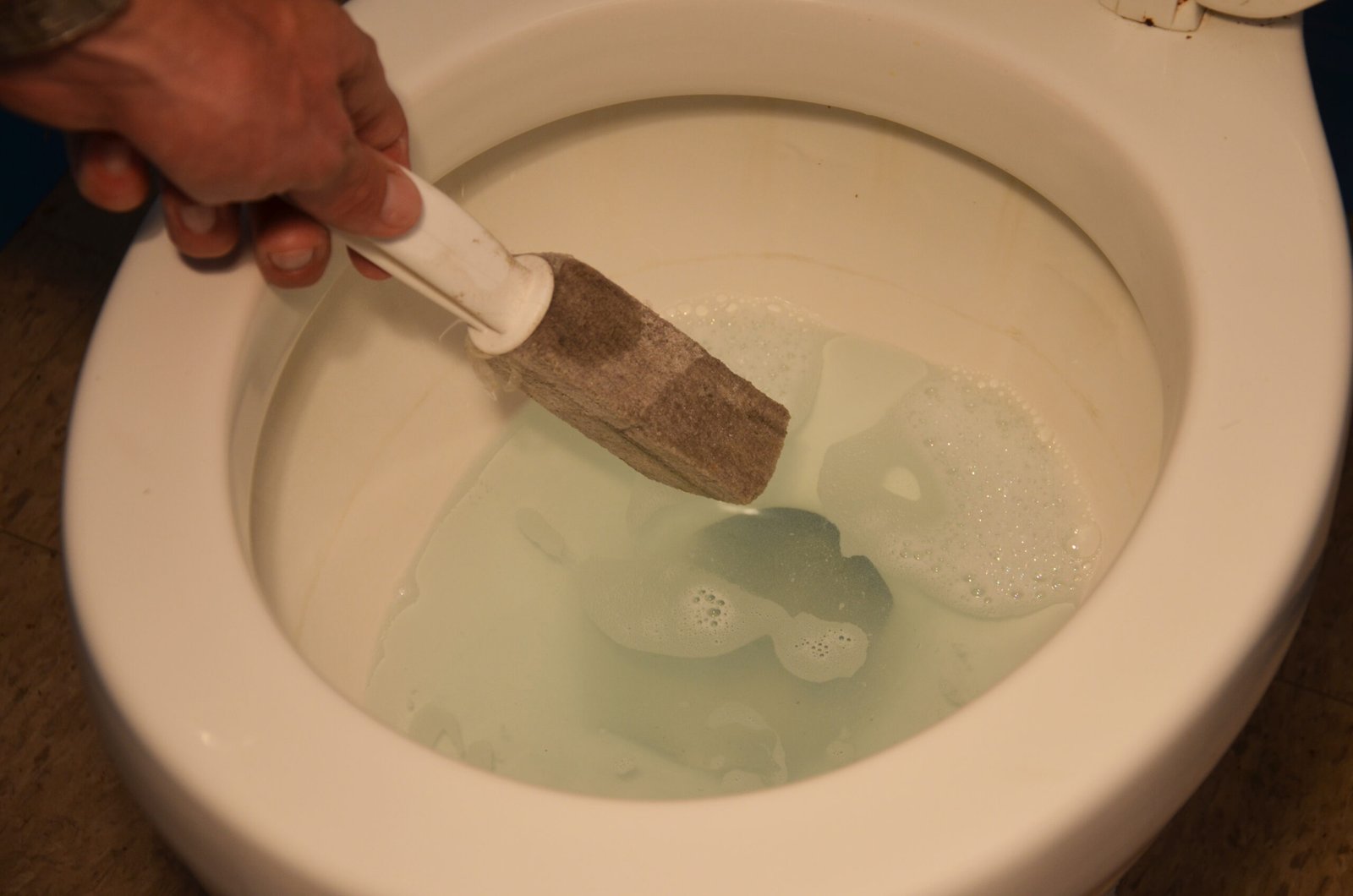
Wearing gloves, gently rub the wet pumice stone along the ring in small, circular motions. Don’t use force—light pressure is enough. You’ll see the stain start to disappear. Keep both the stone and the toilet surface wet throughout the process.
5. Rinse And Repeat
Flush the toilet to rinse away debris. If any ring remains, scrub again gently. For thick rings, it may take two or three passes.
6. Clean Up
Rinse the pumice stone well. Store it separately from other cleaning tools. Wash your gloves and hands.
Example Cleaning Schedule
To keep your toilet ring-free, clean with a pumice stone every few months or as needed. For most homes, once every 3–6 months is enough.
Comparing Pumice Stone To Other Methods
People often wonder if a pumice stone is the best option. The table below compares common toilet ring removal methods:
| Method | Effectiveness | Cost | Chemical Use | Risk of Damage |
|---|---|---|---|---|
| Pumice Stone | High | Low | No | Low (if wet) |
| Bleach/Cleaners | Medium | Low-Medium | Yes | None |
| Vinegar & Baking Soda | Low-Medium | Low | No | None |
| Sandpaper/Steel Wool | High | Low | No | High |
As you can see, pumice stone is one of the most effective, safe, and affordable options.
Common Mistakes When Using A Pumice Stone
Many first-time users make small errors that can lead to poor results or even damage. Avoid these common mistakes:
- Using a dry pumice stone: This can scratch the porcelain. Always soak the stone well.
- Applying too much pressure: Gentle scrubbing is enough. Pressing hard risks scratching.
- Using the wrong stone: Never use pumice stones for feet or skin, as these may have additives or be too rough.
- Not keeping the surface wet: Both the stone and the toilet surface must stay wet during scrubbing.
Even experienced cleaners sometimes forget these steps. If you’re unsure, start slow and check your progress often.
Choosing The Right Pumice Stone
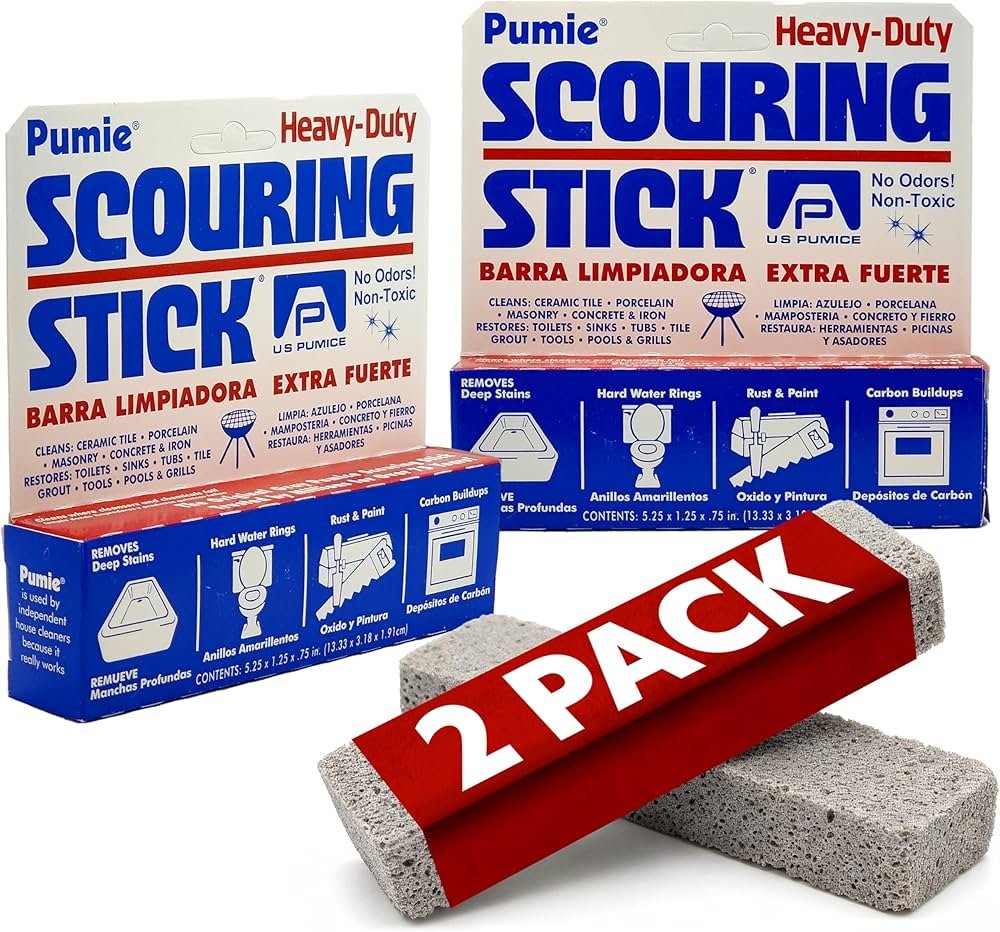
Not all pumice stones are the same. For toilets, look for:
- Chemical-free: No soaps, scents, or added chemicals.
- Comfortable handle: Some stones come with handles for better grip.
- Size and shape: A stone that fits easily into the toilet bowl curve works best.
Here’s a quick comparison of popular types:
| Type | Handle | Best For | Availability |
|---|---|---|---|
| Basic Pumice Block | No | General use | Common |
| Pumice Stone with Handle | Yes | Deep bowls, easy grip | Widely available |
| Shaped or Tapered Stone | Optional | Detail cleaning | Less common |
Avoid using colored stones or those with unknown ingredients. Choose a product labeled for cleaning, not personal care.
Credit: www.amazon.com
Maintenance Tips: Keeping Toilet Rings Away
Once you’ve removed the toilet ring, keeping it away is much easier. Here are some practical maintenance tips:
- Flush regularly: Even if you don’t use the toilet often, flush it every few days to avoid stagnant water.
- Clean weekly: Use a basic toilet cleaner and brush at least once a week.
- Use water softeners: If you have hard water, a water softener can prevent mineral buildup.
- Spot clean: At the first sign of a ring, use a pumice stone or a vinegar soak before the stain sets.
Many people forget that not all toilet rings are the same. If you notice an unusually fast buildup, check your water quality. Sometimes, a plumber can help reduce mineral deposits at the source.
Safety And Care When Using Pumice Stones
While pumice stones are safe, it’s important to use them correctly and keep some safety tips in mind:
- Always wear gloves: This protects your skin from rough stone and toilet water.
- Store separately: Don’t mix your toilet pumice stone with other cleaning tools. Label it if needed.
- Do not use on plastic: Only use pumice stones on porcelain or ceramic surfaces. Never use them on plastic seats or tanks.
- Replace when worn: If your stone becomes smooth or small, replace it for best results.
Here’s a simple care routine:
| Action | Frequency | Purpose |
|---|---|---|
| Rinse stone thoroughly | After each use | Remove debris, prevent bacteria |
| Inspect for wear | Every 2–3 uses | Ensure effectiveness |
| Replace stone | When smooth/small | Maintain scrubbing power |
Non-obvious Insights For Best Results
Many guides skip the little things that make a big difference. Here are two expert tips:
- Let the stone do the work: If you’re not seeing progress, don’t press harder. Instead, pause and re-wet the stone. Sometimes, just a little more water helps loosen the minerals.
- Try a vinegar soak before scrubbing: Pour a cup of vinegar into the bowl and let it sit for 30 minutes. This can soften the ring, making pumice stone cleaning faster and gentler.
Also, for toilets with colored porcelain, test on a small area first to ensure there’s no color change. Though rare, this step prevents surprises.
Environmental Impact
Using a pumice stone is one of the most eco-friendly methods for toilet cleaning. It contains no chemicals, produces no fumes, and lasts a long time. Unlike disposable pads or harsh bleach, a single stone can handle dozens of cleanings.
If you want a sustainable way to keep your bathroom clean, pumice is an excellent choice.
For more on eco-friendly cleaning tools, you can read this Wikipedia article about pumice.
Credit: glenmartinlimited.com
Frequently Asked Questions
How Often Should I Use A Pumice Stone On My Toilet?
Use a pumice stone only when you see a visible ring or tough stain. For most homes, this means every 3–6 months. Over-cleaning is not necessary and can wear out your stone faster.
Can A Pumice Stone Scratch My Toilet?
If used wet and with gentle pressure, a pumice stone will not scratch porcelain or ceramic toilets. Never use it dry, and avoid scrubbing on plastic parts.
Is It Safe To Use A Pumice Stone With Other Cleaners?
Yes, but it’s best to rinse away strong chemicals before scrubbing. A vinegar soak before using the pumice stone can make cleaning easier and safer.
Are Pumice Stones Reusable?
Yes. Rinse thoroughly after each use and let dry. Replace the stone when it becomes smooth or too small to hold comfortably.
Can I Use A Pumice Stone On Colored Toilets?
Yes, but always test on a small, hidden area first. Some colored porcelain may react differently, though this is rare with modern toilets.
Keeping your toilet free of rings doesn’t have to be a hassle or a chemical-heavy process. With a simple pumice stone and the right technique, you can keep your bathroom looking clean and fresh for months to come.