
A tidy, organized home feels peaceful. But keeping everything in its place can be hard, especially with busy lives and growing families. That’s where a label maker steps in—a small device with a big impact. Whether you want a neat pantry, efficient closets, or just less confusion about “what’s in that box,” the right label maker brings calm to your chaos. This guide helps you choose, use, and get the most from a label maker for home organization. You’ll find practical tips, surprising ideas, and even mistakes to avoid.
Why Home Organization Needs A Label Maker
Finding things quickly saves time and stress. Labels give every item a “home,” making it easier for you—and your family—to put things back where they belong. A label maker creates clear, consistent labels for everything from spice jars to storage bins.
Beyond looks, labels help everyone in the house know where things are. This reduces questions and reminders. Studies show that clear labels can cut search time in half. Organized spaces also create a sense of control and well-being, especially in busy homes.
Types Of Label Makers
Choosing the right label maker depends on your needs, budget, and how tech-savvy you are. Here are the main types:
1. Manual Embossers
These classic tools press letters into plastic tape. They don’t need batteries or apps. Embossed labels are durable and have a retro look.
- Good for: Kids’ rooms, outdoor bins, toolboxes
- Limitation: Only one font and size; slower to use
2. Handheld Electronic Label Makers
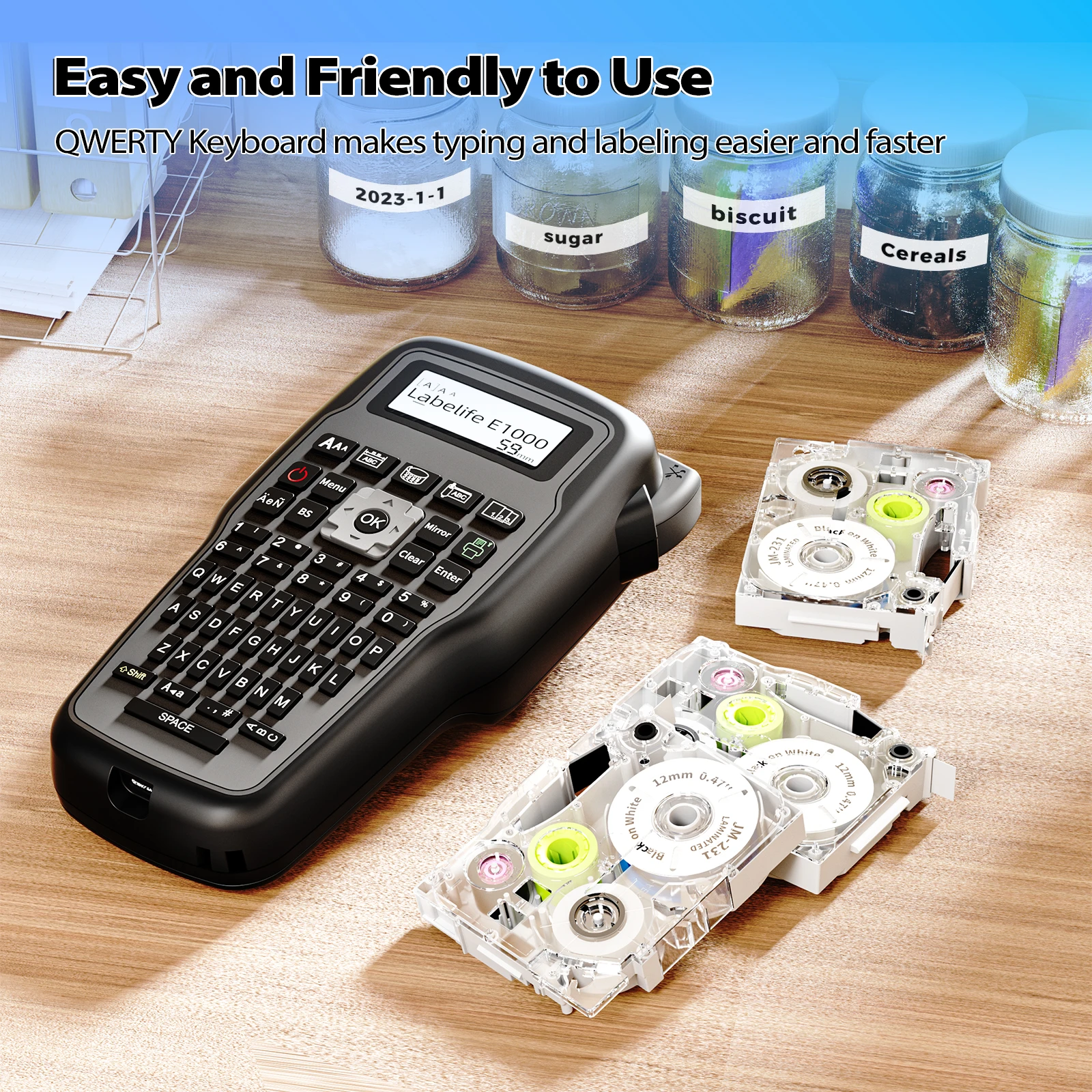
These are the most popular for home use. They have a keyboard and small screen. Type your text, pick a style, and print. Many allow symbols or borders.
- Good for: Most home labeling tasks
- Limitation: Tape refills can be pricey
3. Computer/smartphone-connected Label Makers
These connect to your computer or phone (via USB or Bluetooth). You design labels using an app, then print. They offer more fonts, sizes, and sometimes even images.
- Good for: Detailed, custom labels, large projects
- Limitation: Setup can be harder; not as portable
4. Label Printers For Special Uses
Some label makers print on fabric, iron-on material, or waterproof tape. Others are industrial-grade, for cables or outdoor items.
- Good for: Special storage needs, outdoor gear
- Limitation: Higher cost, less flexible for everyday use
Credit: dailyplanetvt.com
Key Features To Consider
Not all label makers are the same. Here’s what matters most when choosing one for home use:
- Print Quality: Crisp, easy-to-read text is essential, especially for small items.
- Tape Compatibility: Check what tape widths, colors, and adhesive strengths the device supports.
- Battery vs. Plug-in: Battery-powered units are more portable; plug-in models avoid running out mid-project.
- Ease of Use: Simple controls and a clear display save frustration.
- Customization: Multiple fonts, sizes, or symbols add personality and function.
- Durability: Labels should stick well and not fade—especially in kitchens or garages.
- Cost of Supplies: Replacement tapes and batteries can add up, so check long-term costs.
Here’s a quick comparison of popular features:
| Feature | Manual Embosser | Handheld Electronic | App-Connected |
|---|---|---|---|
| Font Styles | 1 | 2-10 | Unlimited |
| Tape Options | Limited | Moderate | Wide variety |
| Ease of Use | Very easy | Easy | Intermediate |
| Cost | Low | Medium | High |
Best Uses For A Label Maker In Every Room
Label makers are more versatile than many people realize. Here’s how you can use them for home organization room by room.
Kitchen
- Spice jars: Clear labeling stops mix-ups and reduces waste.
- Pantry bins: Use large, bold text for grains, snacks, baking items.
- Leftover containers: Add date and contents to avoid mystery food.
- Fridge shelves: Labels help everyone return items to the right spot.
Bathroom
- Toiletries: Label drawers or baskets for hair, dental, and skincare supplies.
- Medicine cabinet: Mark expiration dates and storage instructions.
- Cleaning supplies: Add labels to spray bottles to avoid confusion.
Bedroom & Closet
- Clothing bins: Sort by season, size, or type (socks, belts, etc. ).
- Shoeboxes: Know what’s inside without opening every box.
- Jewelry organizers: Prevent tangles and make mornings easier.
Kids’ Room
- Toy bins: Even young children can help clean up if bins are labeled.
- Bookshelves: Sort by type, author, or reading level.
- Craft supplies: Label each box for paint, beads, glue, and more.
Home Office
- Cables: Label chargers and cords to end confusion.
- Files & folders: Clear, matching labels make paperwork manageable.
- Supply drawers: Pencils, paper clips, sticky notes—everything in its place.
Garage & Storage
- Toolboxes: Mark drawers for wrenches, screwdrivers, nails.
- Seasonal bins: Store holiday decor, camping gear, or sports equipment.
- Gardening supplies: Label pots, fertilizers, and seed containers.
Laundry Room
- Detergent containers: Avoid mistakes with clear labels.
- Lost & found basket: Label a place for single socks and found items.
- Cleaning rags: Mark bins for dirty and clean cloths.
Credit: degam.com.br
Step-by-step Guide: Using A Label Maker For Home Organization
Many people buy a label maker and then give up because they feel overwhelmed. Here’s how to get started and build good habits.
Step 1: Choose Your Label Maker
Decide which type fits your needs and comfort level. Don’t get distracted by fancy features you won’t use.
Step 2: Plan What To Label
Walk through your home and make a list of problem spots. Start small—maybe with your pantry or one closet.
Step 3: Pick A Style
Decide on font size, tape color, and layout. Consistency looks cleaner, but you can use different styles for kids’ rooms or crafts.
Step 4: Print And Apply Labels
Cut labels neatly and stick them where they’re easy to see. For bins and boxes, place labels at eye level or on the front.
Step 5: Maintain And Update
Life changes, so update labels as needed. Remove old ones to avoid confusion. Keep extra tape on hand.
A practical tip: Always wipe surfaces before applying a label. Dust or grease can make them peel off.
Common Mistakes To Avoid
Even the best label maker can’t fix poor planning. Avoid these beginner pitfalls:
- Labeling too much: Not everything needs a label. Over-labeling makes spaces look cluttered.
- Unclear names: Use simple, universal words. “Snacks” is better than “Miscellaneous.”
- Wrong label size: Too small is hard to read; too big looks messy. Test before printing many labels.
- Poor placement: Hidden labels don’t help. Place them where you naturally look.
- Forgetting updates: Old labels lead to confusion. Review and refresh labels every few months.
Advanced Label Maker Tips
If you want to go beyond basics, try these ideas:
- Use color-coded tape for family members or categories.
- Add QR codes (with smartphone-connected models) that link to digital inventories or instructions.
- Print multiple lines for complex items, like “Holiday Decor / Halloween.”
- Try removable labels for temporary needs (like moving or parties).
- Use laminated tape for outdoor or wet areas—it lasts much longer.
Here’s how different tapes compare:
| Tape Type | Best For | Durability |
|---|---|---|
| Standard Plastic | Indoor storage, files | Medium |
| Laminated | Kitchens, garages, outdoor | High |
| Fabric/Iron-on | Clothes, linens | Medium |
| Removable | Temporary projects | Low |
How To Choose The Best Label Maker For Your Home
It’s easy to get stuck comparing endless models. Focus on how you’ll use it. If you only label a few bins, a simple handheld model is enough. For craft rooms or a home office, more features may help.
Here’s a quick look at what different users need:
| User Type | Recommended Label Maker | Main Benefit |
|---|---|---|
| Beginner | Manual Embosser | Simple, no batteries |
| Busy Parent | Handheld Electronic | Quick, portable |
| Organizer/Crafter | App-Connected | Creative options |
| Outdoor Storage | Label Printer with Laminated Tape | Weather-proof labels |
Credit: www.walmart.com
Real-world Examples And Insights
Many users discover unexpected benefits. For example, one parent found that labeling toy bins with both words and pictures made clean-up easier, even for toddlers who couldn’t read. Another tip: Labeling cables behind the TV or computer prevents headaches during troubleshooting.
Few people realize that consistent labeling also helps house guests. Whether it’s a friend looking for a mug or a babysitter searching for diapers, clear labels make everyone feel at home.
Maintenance And Care For Label Makers
Keep your label maker working well with these habits:
- Store it in a dry place to prevent tape jams or display damage.
- Clean the print head every few months with a soft cloth (check your manual).
- Remove batteries if you won’t use it for a long time.
- Refill with the correct tape to avoid costly jams.
A small maintenance step now prevents big frustrations later.
Where To Learn More
For deeper research on organization and labeling, visit the Wikipedia Home Organization page. It covers history, methods, and psychological benefits.
Frequently Asked Questions
What Is The Best Label Maker For Beginners?
Most beginners do well with a handheld electronic label maker. It’s simple to use, portable, and covers almost every home need. Look for one with a clear screen and basic font choices.
How Long Do Label Maker Tapes Last?
Good quality tape can last several years indoors. In kitchens, garages, or outdoors, use laminated tape for longer life. Always clean the surface before sticking for the best result.
Can I Use A Label Maker For Fabric Or Clothing?
Yes, but you need a label maker that supports iron-on or fabric tape. These labels survive washing and are great for kids’ clothes, bags, or linens.
Are Label Makers Expensive To Maintain?
Initial cost is reasonable, but tape refills can add up. To save money, print only what you need and buy tape in bulk. Some brands have cheaper generic tapes, but quality may vary.
Can I Print Labels In Different Languages?
Many modern label makers (especially app-connected ones) support multiple languages and character sets. This is useful for homes where English is not the first language or for labeling learning materials.
Bring Order To Your Space
A label maker is more than a gadget—it’s a tool for peace of mind. With the right device and a smart plan, you can transform messy drawers, cluttered shelves, and lost items into a home where everything has a place. Start simple, label what matters most, and enjoy the benefits of true organization. The sense of calm you gain is well worth the effort.