
People today spend many hours each day sitting at a desk. Whether working from home or in an office, this pattern is common for millions. But sitting for long periods can harm your health in ways you might not notice at first. That’s where adjustable height desks—often called standing desks—have changed the game. These desks allow you to switch between sitting and standing with ease. Over the past decade, more people have started using them, not just for comfort, but for serious health reasons.
You might wonder if these desks really make a difference. The answer is yes, and the science backs it up. In this article, you’ll discover the real health benefits of adjustable height desks, how they compare to traditional desks, tips to use them correctly, and mistakes to avoid.
If you care about your well-being at work or home, understanding these benefits could be a small change that brings big results.
Why Sitting All Day Is Risky
Many people don’t realize how much time they spend sitting. The average office worker sits for more than 9 hours each day. This habit can lead to serious health problems. Here’s why:
- Slowed Metabolism: Sitting for long stretches slows down your body’s ability to burn calories. This can lead to weight gain and higher blood sugar.
- Heart Disease Risk: Studies have shown that people who sit for long periods are more likely to develop heart disease. Even regular exercise doesn’t fully reverse this risk if you sit all day.
- Back and Neck Pain: Poor posture and lack of movement can strain your spine, neck, and shoulders.
- Poor Circulation: Sitting reduces blood flow, which can cause swollen feet, varicose veins, and even blood clots.
These issues build up over time. You might not notice them after a week or a month, but years of sitting can have a lasting effect.
Adjustable Height Desks: How They Work
An adjustable height desk lets you change the desk’s height easily. You can move it up to stand, and lower it to sit. Some desks use a manual crank, while others have electric motors. The main idea is simple: you’re not locked into one position all day.
There are two common types:
- Manual Desks: You use a hand crank or lever to raise or lower the surface.
- Electric Desks: These have buttons to adjust the height, often smoothly and quickly.
Some models remember your favorite heights so you can switch in seconds. Others even have timers or reminders to help you change positions regularly.
Key Health Benefits Of Adjustable Height Desks
Switching between sitting and standing during your workday brings many health advantages. Here are the most important ones, with real research to support them.
1. Reduced Back And Neck Pain
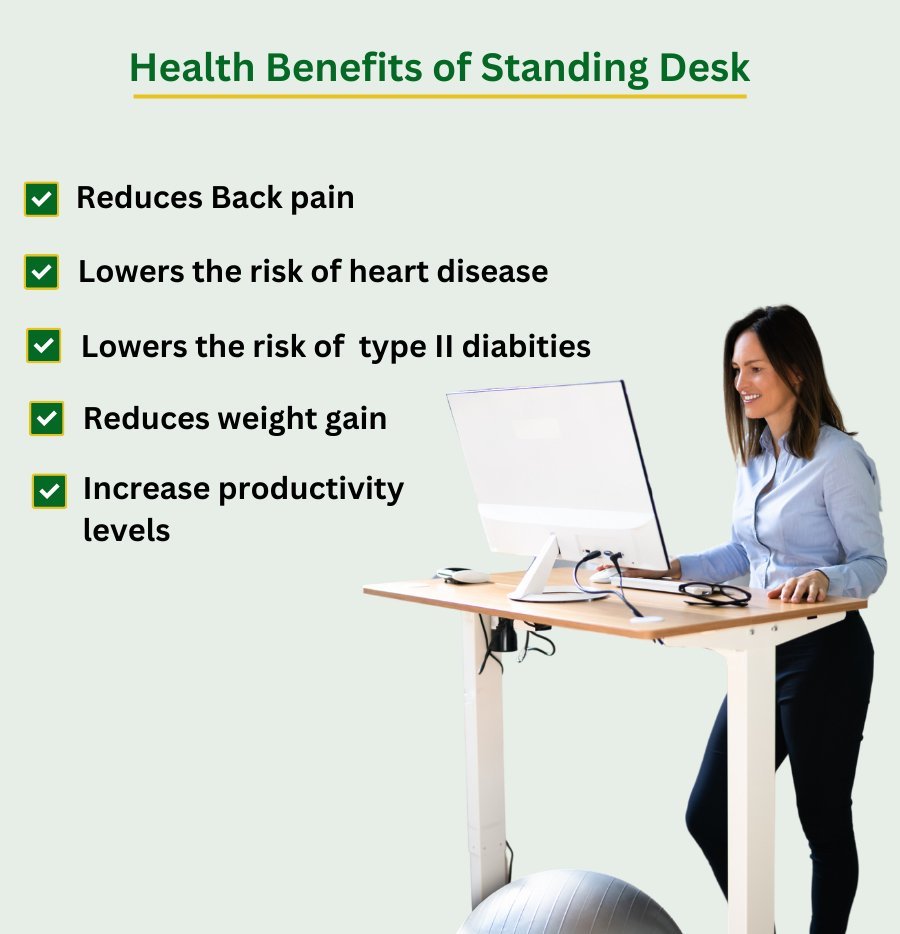
Back pain is one of the most common reasons people miss work. Adjustable desks help by letting you move and stretch during the day. Research shows that people who use these desks report up to 54% less back and neck pain compared to those who sit all day.
When you stand, your spine gets a break from the pressure of sitting. You also move around more, which helps your muscles stay active. Over time, this reduces both minor aches and serious posture problems.
2. Improved Energy And Focus
Standing while working can boost your energy levels. Many users report feeling less tired and more alert, especially in the afternoon. The reason is simple: standing increases blood flow and heart rate, which helps deliver more oxygen to your brain.
A well-known study found that people who used adjustable desks were 46% more productive after a few weeks. They made fewer mistakes and finished tasks faster.
3. Lower Risk Of Weight Gain
Sitting burns fewer calories than standing. Over time, this small difference adds up. Standing for just three extra hours each day can burn an additional 120 to 200 calories. That’s the same as a short walk or a small snack.
While a standing desk alone won’t cause big weight loss, it can help prevent slow weight gain over the years.
4. Better Heart Health
Sitting for long periods is linked to higher heart disease risk. In fact, one study found that people who sat for over 10 hours a day had a 64% higher risk of dying from heart problems. Adjustable desks help by encouraging you to stand and move throughout the day.
This movement keeps your heart and blood vessels healthy. It also helps control cholesterol and blood sugar levels.
5. Improved Posture
Bad posture is a hidden problem for many desk workers. Hunching over a keyboard can cause rounded shoulders, a forward head, and a bent back. Standing desks encourage you to stand tall and align your body correctly.
When you adjust your desk to the right height, your wrists, elbows, and eyes are in better positions. This makes injuries and strain less likely.
6. Reduced Risk Of Diabetes
Sitting too much affects how your body uses insulin. This can raise your risk of type 2 diabetes. Studies show that standing for part of the day improves insulin sensitivity and helps your body handle blood sugar better.
People who switch between sitting and standing have healthier blood sugar levels after meals. This is especially important if you have a family history of diabetes.
7. Lowered Risk Of Certain Cancers
Research links long periods of sitting with higher risks of some cancers, especially colon, breast, and endometrial cancer. While standing desks can’t prevent cancer on their own, moving more during the day is part of a healthy lifestyle.
8. Improved Mood And Well-being
Standing desks don’t just benefit your body—they help your mind, too. Many users report less stress and better moods. One study found that people who used adjustable desks felt less anxious and less tired at the end of the workday.
Being able to move freely gives you a sense of control and comfort. This can make work more enjoyable and less draining.
Comparing Adjustable Height Desks To Traditional Desks
Many people wonder if the switch is really worth it. Here’s a side-by-side look at the key differences:
| Feature | Traditional Desk | Adjustable Height Desk |
|---|---|---|
| Position Options | Sitting only | Sitting & Standing |
| Posture Support | Often poor | Improved with correct setup |
| Calorie Burn | Low | Higher |
| Back Pain Risk | High | Lower |
| Heart Health | Negative impact | Positive impact |
As you can see, adjustable height desks offer clear advantages for health and comfort.
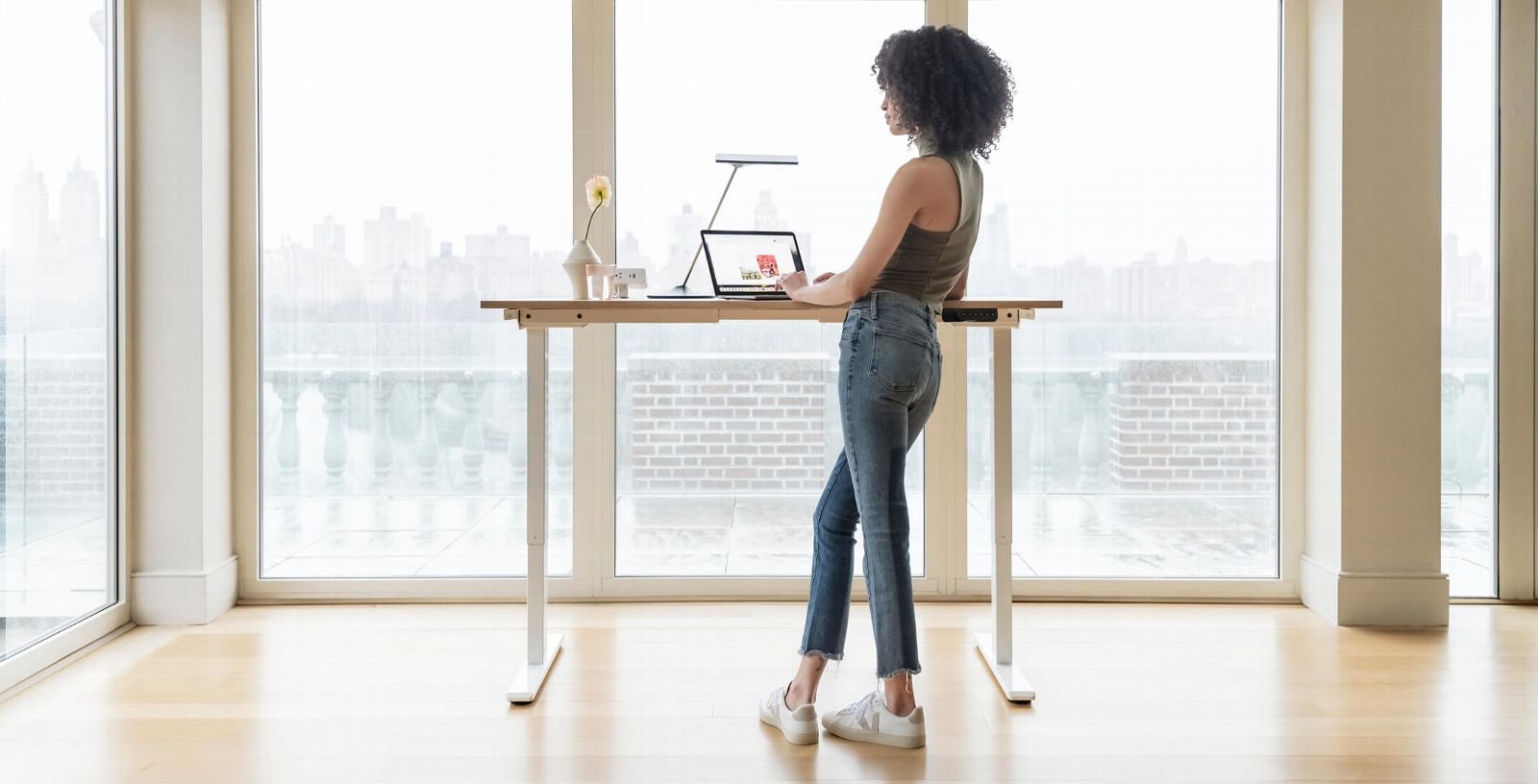
Credit: www.humanscale.com
How To Use An Adjustable Height Desk For Best Results
Just buying a standing desk isn’t enough—you need to use it correctly. Here’s how to get the most from your desk and avoid common mistakes.
1. Alternate Between Sitting And Standing
Don’t stand all day. Switch positions every 30 to 60 minutes. A popular rule is to stand for 15-30 minutes each hour. Use a timer or reminder if you forget.
2. Adjust Desk And Monitor Height Properly
Your desk should be at elbow height when you stand. Your monitor should be at eye level, so you don’t look up or down. Here’s a simple reference:
| Your Height | Desk Height (Standing) | Monitor Height |
|---|---|---|
| 5’4″ (163cm) | 39-40″ (99-102cm) | 47-48″ (119-122cm) |
| 5’10” (178cm) | 44-45″ (112-114cm) | 52-53″ (132-135cm) |
3. Use Supportive Shoes And Mats
Standing on a hard floor can hurt your feet and legs. Wear comfortable shoes and use an anti-fatigue mat. These small changes make standing more pleasant and reduce tiredness.
4. Move While Standing
Don’t just stand still. Shift your weight, stretch, or walk in place now and then. Small movements keep your blood flowing and muscles active.
5. Listen To Your Body
If you feel pain or discomfort, adjust your position. Start with short standing periods and increase gradually. Everyone’s body is different.
Mistakes To Avoid With Adjustable Height Desks
Many people make simple mistakes when starting with a standing desk. Avoid these to get the full health benefit.
- Standing too long at first: Your feet and legs need time to adjust.
- Wrong desk height: If your arms or neck hurt, check your setup.
- Ignoring posture: Slouching or leaning cancels out many benefits.
- Wearing poor shoes: High heels or thin soles can cause pain.
- Not moving enough: Standing still is only slightly better than sitting.
A good tip: Treat standing as an active part of your day, not a chore.
Who Should Consider An Adjustable Height Desk?
Almost anyone who works at a desk can benefit, but certain groups see special advantages:
- Office workers who sit for long stretches
- People with back or neck pain
- Remote workers setting up a home office
- Students spending hours on homework
- Anyone seeking more energy during the workday
Even if you have health conditions, an adjustable desk can be part of a doctor-approved plan to improve your comfort and well-being.
Real-world Example: Office Transformation
A large tech company in Denmark switched 70% of its office to adjustable desks. After a year, surveys showed:
- Back pain complaints dropped by 31%
- Productivity increased by 20%
- Employee satisfaction improved
This example shows that the benefits are real—not just theory. When used properly, these desks help people feel better and work better.
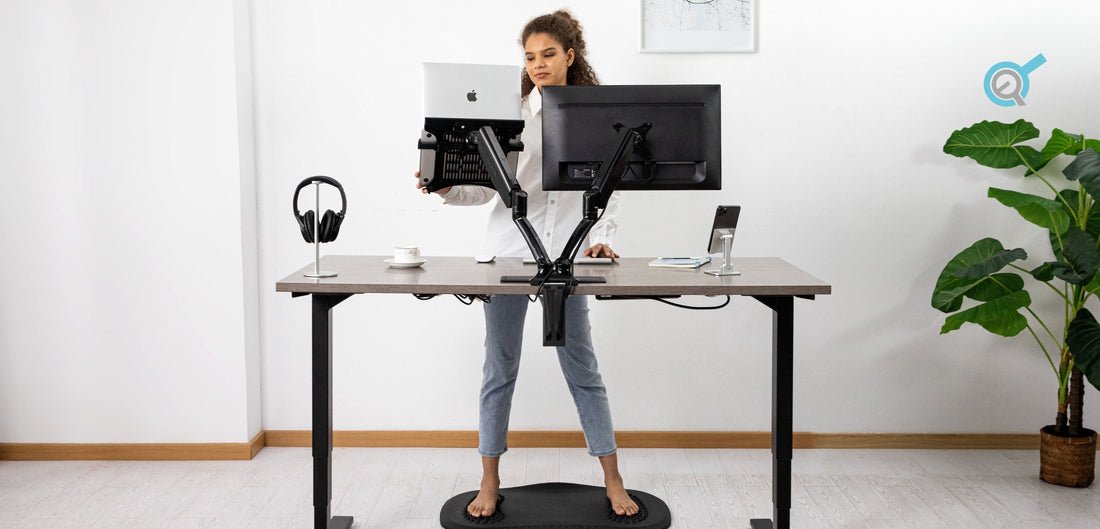
Credit: www.progressivedesk.ca
Insights Most People Miss
Many beginners think standing desks are just for young, healthy workers. In reality, older adults and those with chronic pain may benefit the most. Another overlooked point: standing desks can help you stay more social. It’s easier to walk, talk, and interact when you’re not glued to a chair.
Also, the key is not just standing—but moving. Short walks, stretches, or even shifting your weight make a bigger difference than just standing still.
For more research on the health risks of sitting and benefits of standing, see the CDC’s official guidelines.
Frequently Asked Questions
How Long Should I Stand At My Adjustable Height Desk Each Day?
Experts recommend starting with 15-30 minutes each hour. Slowly increase your standing time as your body gets used to it. Listen to your body—if you feel tired, take a break.
Do Adjustable Height Desks Help With Weight Loss?
They help you burn more calories than sitting, but standing alone won’t cause major weight loss. For best results, combine standing with regular exercise and healthy eating.
Are Standing Desks Safe For Everyone?
Most people can use them safely. But if you have certain medical problems (like joint pain or circulation issues), talk to your doctor before making big changes.
Can I Use A Laptop With A Standing Desk?
Yes, but it’s better to use an external keyboard and mouse. Raise your laptop screen to eye level to avoid neck strain.
What’s The Most Important Adjustment For Comfort?
Make sure your desk and monitor are at the right height for your body. Your elbows should be at a 90-degree angle, and your screen should be at eye level.
Switching to an adjustable height desk is one of the simplest ways to improve your health at work or home. By using it correctly and making small changes, you can reduce pain, boost energy, and protect yourself from long-term health problems.
The key is to move more and listen to your body. In today’s world of endless sitting, that’s a change worth making.
Credit: www.purpleark.in
