
Choosing the right comforter can be confusing, especially when you see terms like “down fill power,” “fill weight,” and temperature ratings. If you’ve ever wondered why some comforters keep you toasty warm while others leave you shivering, understanding the down fill temperature chart for comforters can make a big difference. This guide will help you decode the numbers, compare options, and select the best comforter for your needs—whether you live in a warm climate or face icy winters.
What Is Down Fill And Why Does It Matter?
Down fill is the fluffy layer from the underside of ducks or geese, prized for its warmth and lightness. But not all down is the same. The most important factors are fill power and fill weight. Fill power measures the size and loft (fluffiness) of the down clusters, which affects insulation. Fill weight is the actual amount of down inside the comforter.
A higher fill power means better insulation using less material. This makes the comforter warmer, lighter, and more breathable. Lower fill power can still be warm but usually needs more down, making the comforter heavier.
Understanding The Down Fill Temperature Chart
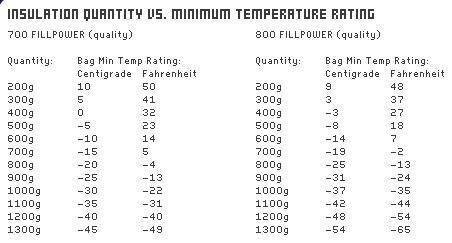
A down fill temperature chart connects fill power, fill weight, and comfort temperature range. This is not an official chart but a helpful guideline, as comfort depends on personal preference, room temperature, and if you sleep hot or cold.
Here’s a simplified chart to show how fill power and fill weight impact the comfort range:
| Fill Power | Fill Weight (Queen, oz) | Temperature Range (°F) | Best For |
|---|---|---|---|
| 600 | 30-40 | 65–75 | Moderate climates, Spring/Fall |
| 700 | 25-35 | 55–65 | Cool climates, Early Winter |
| 800+ | 15-25 | 40–55 | Cold climates, Winter |
Notice that higher fill power needs less weight for the same warmth. A 700 fill power comforter with 25 oz can be as warm as a 600 fill power with 35 oz.
Key Factors In Choosing A Down Comforter
Many people think only about warmth, but several factors matter:
- Climate and Season
- If your winters are harsh, go for higher fill power and weight.
- For mild weather or summer, a lighter comforter is best.
- Sleeping Environment
- Drafty rooms or cold apartments need warmer options.
- Well-insulated, heated homes may need less warmth.
- Personal Preference
- Do you get hot at night? Choose a lighter, more breathable comforter.
- If you feel cold easily, a heavier one could be better.
- Allergies
- Some people react to down. Hypoallergenic down or down-alternative options are available.
- Budget
- Higher fill power costs more, but can last longer and feel lighter.
Fill Power Explained
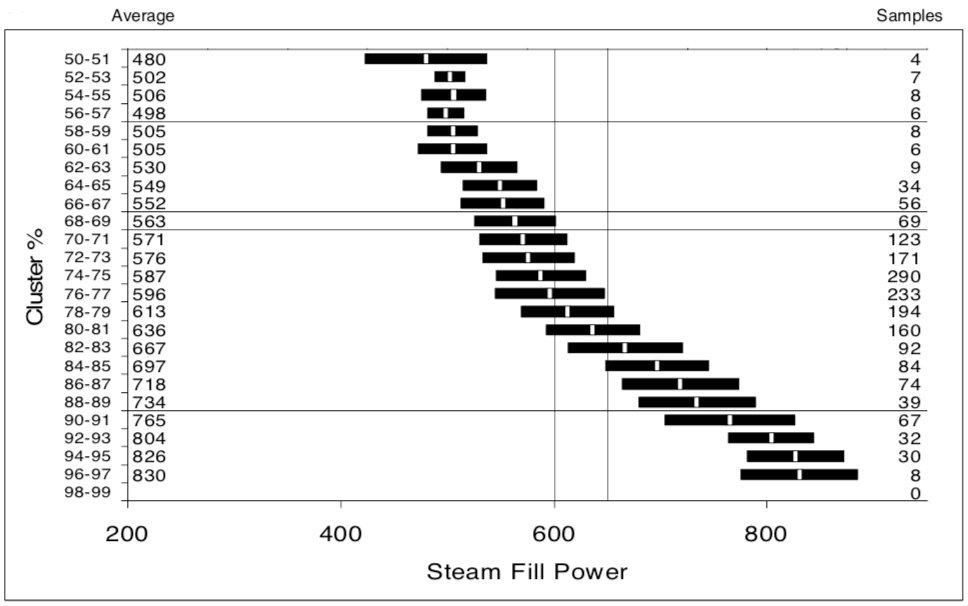
Fill power is a number that shows how much space one ounce of down fills in cubic inches. For example:
- 400-500: Low quality, less warmth, often used in budget bedding.
- 600-700: Good quality, warm, common in mid-range comforters.
- 700-800: High quality, very warm with less weight.
- 800+: Luxury, best insulation, very light and fluffy.
Higher fill power means bigger down clusters. These trap more air, keeping you warmer without adding bulk. A common beginner mistake is thinking more fill weight always means warmer. But 25 oz of 800 fill power can be warmer than 40 oz of 600 fill power.

Credit: enlightenedequipment.com
Fill Weight: More Than Just A Number
Fill weight is the actual amount of down in the comforter. Typical queen sizes range from 15 to 40 ounces. This affects not just warmth, but also how heavy the comforter feels.
- Lightweight (15-25 oz, queen): Good for summer or warm rooms.
- Medium weight (25-35 oz, queen): Year-round use in moderate climates.
- Heavyweight (35-45 oz, queen): For cold winters and drafty rooms.
A comforter with low fill power but high weight can feel heavy and less fluffy. With high fill power, you get warmth with much less weight.
Down Fill Temperature Chart By Season
It helps to think about comforters by season. Here’s how typical down comforters match up with temperature needs:
| Season | Fill Power | Fill Weight (Queen, oz) | Warmth Level |
|---|---|---|---|
| Summer | 500-600 | 15-20 | Light |
| Spring/Fall | 600-700 | 20-30 | Medium |
| Winter | 700-800+ | 30-45 | Heavy |
Non-obvious insight: Many people buy just one comforter, but using a lighter one in summer and a warmer one in winter gives better sleep comfort year-round.
Warmth Ratings And Manufacturer Labels
Manufacturers often use warmth ratings like “Lightweight,” “Medium,” and “Heavyweight.” Sometimes you’ll see “All-Season,” but these labels can vary between brands.
- Lightweight: Best for summer or hot sleepers. Not for cold rooms.
- Medium/All-Season: Good for most people in mild climates.
- Heavyweight/Winter: For cold climates, drafty homes, or people who feel cold at night.
Always check the actual fill power and fill weight—not just the label.
How To Read A Down Comforter Label
Comforter labels can be confusing. Here’s what matters most:
- Fill Power: Look for 600+ for good warmth.
- Fill Weight: For queen size, 20–30 oz is medium, 30+ oz is heavy.
- Shell Material: Cotton is common; higher thread count means better down-proofing.
- Construction: Baffle box (sewn walls) keeps down evenly spread. Cheaper “sewn-through” comforters may have cold spots.
Pro tip: Some brands only show fill power or just say “100% down.” Without both fill power and fill weight, you can’t compare warmth accurately.
Down Vs Down-alternative Comforters
Some people prefer down-alternative comforters. These use synthetic fibers and are good for allergy sufferers or vegans. However, they usually need more filling to match the warmth of real down, making them heavier.
Comparison:
| Feature | Down Comforter | Down-Alternative |
|---|---|---|
| Warmth-to-Weight | Excellent | Good, but heavier |
| Breathability | High | Varies |
| Hypoallergenic | No (unless treated) | Yes |
| Cost | Higher | Lower |
Another beginner mistake: Assuming down-alternative is always cooler. Some are actually warmer but less breathable, so always check the warmth rating.
Matching Down Fill To Your Room Temperature
Room temperature is often overlooked. Here’s a quick guide:
- 75°F (24°C) or higher: Use a lightweight comforter (500–600 fill power, 15–20 oz).
- 65–75°F (18–24°C): Medium warmth (600–700 fill power, 20–30 oz).
- Below 65°F (18°C): Heavy comforter (700–800+ fill power, 30–45 oz).
If you share a bed and have different warmth needs, consider two twin-size comforters or use a duvet cover with buttons to connect two layers.
Practical Tips For Buying The Right Down Comforter
- Try Before You Buy: If possible, feel the comforter in person. High fill power feels puffy and light.
- Check Return Policy: Some brands let you test the comforter for a few nights.
- Consider Duvet Covers: They add a layer of warmth and protect the comforter.
- Think About Washing: Higher fill power down can lose loft if washed often. Use a cover to keep it clean.
- Don’t Trust Only the Price: Expensive doesn’t always mean warmer. Compare fill power and fill weight.
Caring For Your Down Comforter
Proper care can make your comforter last longer and stay fluffy:
- Shake it daily: Keeps down evenly spread.
- Air it out: Sunlight removes moisture and refreshes the down.
- Use a cover: Wash the cover often, not the comforter.
- Professional cleaning: Once a year is enough for most people.
Credit: streetphotographersfoundation.com
Down Fill Temperature Chart For Special Needs
Some situations need extra care:
- Children: Use lighter comforters (less fill weight).
- Elderly: They may feel colder, so slightly heavier comforters help.
- Allergy sufferers: Choose hypoallergenic down, tightly woven shells, or down-alternative.
When To Replace Your Comforter
A quality down comforter can last 10–15 years if cared for. Signs you need a new one:
- Flat or lumpy spots
- Down leaks out
- You’re colder at night
How Down Fill Temperature Charts Are Used By Hotels
High-end hotels often use 700+ fill power, medium weight comforters for all seasons. They pair with adjustable blankets so guests can fine-tune warmth. This is a secret behind comfortable hotel bedding!
The Science Behind Down Insulation
Down works by trapping air, which your body heats up. Large clusters (high fill power) trap more air. This is why high fill power comforters keep you warm even when they feel light. Studies show that down insulates better per ounce than most synthetic materials. You can read more about insulation science at Wikipedia.
Credit: dynamicoiltools.com
Final Thoughts
Choosing the right comforter is about more than just picking the thickest one on the shelf. By understanding the down fill temperature chart, fill power, fill weight, and your own needs, you can sleep better every night. Always remember: the best comforter is the one that keeps you comfortable in your unique environment.
Frequently Asked Questions
What Is The Best Fill Power For Year-round Use?
A fill power of 600 to 700 is ideal for most people in moderate climates. It offers warmth without being too heavy and can be layered with blankets if needed.
How Do I Know If A Comforter Is Too Warm For Me?
If you wake up sweating or kick off the blanket at night, your comforter might be too warm. Try a lighter fill weight or lower fill power.
Are Down Comforters Safe For Allergy Sufferers?
Some down is hypoallergenic, but not all. Look for “hypoallergenic” labels or choose a down-alternative comforter if you have allergies.
Can I Wash A Down Comforter At Home?
You can wash some down comforters, but it’s safer to use a large front-loading washer and dry thoroughly. Many people prefer professional cleaning to avoid damaging the down.
What’s The Difference Between Goose And Duck Down?
Goose down usually has higher fill power and larger clusters, making it warmer and more durable. Duck down can be good, but often has lower fill power and may be less expensive.
With these tips and insights, you can confidently choose the right comforter for your needs, making every night’s sleep more restful and comfortable.