
Why Americans Use Top Sheet And Europeans Don’t
For many travelers, the first night in a hotel or someone’s home brings a small surprise: the bedding is different from what they expect. In the United States, people almost always use a top sheet—a thin, flat sheet placed between the sleeper and the blanket or comforter. In much of Europe, the top sheet is often missing. Instead, sleepers use a duvet with a washable cover, and sometimes even a fitted sheet is skipped. This small detail can be confusing, but it’s more than just a matter of habit. The story behind these choices offers a window into culture, climate, history, and even the way people think about hygiene and comfort.
Understanding why Americans use a top sheet and Europeans usually don’t is about more than sheets and blankets. It’s a look at how traditions start, how they stick, and how daily life can be shaped by the smallest things. Let’s explore the reasons behind this transatlantic bedding divide.
What Is A Top Sheet, And How Is It Used?
A top sheet is a flat piece of fabric, usually cotton, that goes between your body and your blanket or comforter. In the US, it is a standard part of any bedding set. The order is usually:
- Fitted sheet (covers the mattress)
- Top sheet (flat sheet)
- Blanket, quilt, or comforter
Americans tuck the top sheet under the mattress at the foot of the bed and fold it over the blanket at the top. The top sheet is meant to keep the blanket or comforter clean by creating a barrier between your body and the heavier layer.
In Europe, the bedding setup is different. Most people use a fitted or flat sheet to cover the mattress and then a duvet with a removable, washable cover. The duvet cover acts as both the blanket and the sheet, so a separate top sheet is not needed.
The Historical Roots Of Bedding Traditions
The American Tradition
The use of top sheets in the US comes from older European traditions, especially British customs. In the 19th and early 20th centuries, both sides of the Atlantic used sheets and heavy blankets. As comforters and duvets became more common in Europe, Americans continued with the sheet-and-blanket method.
By the 1950s, US bedding companies began selling sets that included a fitted sheet, a top sheet, and pillowcases. This became the standard “sheet set” in American stores, and the habit stuck.
The European Shift To Duvets
Europeans started to use duvets more widely after World War II. Duvets, filled with down or synthetic fibers, had been popular in Scandinavian and Central European countries for centuries. The rest of Europe adopted them because they were easy to use and clean.
The duvet cover could be washed regularly, so a top sheet was no longer necessary.
One interesting fact is that in many hotels in Europe, the duvet is folded on top of the bed, and guests slip inside the duvet cover. This is practical for housekeeping and saves time.

Credit: www.visualcapitalist.com
Key Differences In Bedding Habits
Here’s a quick comparison of the bedding habits:
| Feature | United States | Europe |
|---|---|---|
| Top Sheet | Almost always used | Rarely used |
| Duvet Cover | Sometimes used, often with comforter | Standard, always used |
| Blanket/Quilt | Common, with top sheet | Less common, replaced by duvet |
| Bed Making Style | Sheets tucked, layered look | Duvet folded, simple look |
Hygiene And Laundry: Different Views
A big reason Americans use a top sheet is hygiene. The idea is simple: it’s easier to wash a lightweight sheet than a heavy comforter or blanket. People in the US often wash their top sheet every week, but the comforter or blanket is cleaned less often. This keeps the heavier bedding clean longer.
In Europe, the duvet cover is designed to be removed and washed easily. Europeans may find the top sheet unnecessary because they already wash the duvet cover as often as Americans wash their sheets. In fact, some Europeans see the top sheet as extra laundry with no benefit.
A survey by the National Sleep Foundation showed that about 60% of Americans use a top sheet regularly, while fewer than 5% of Europeans do. In Scandinavia and Germany, it’s common for each person to have their own duvet, even in a shared bed, making the top sheet less practical.

Credit: en.wikipedia.org
Climate And Comfort: How Weather Plays A Role
The climate in different regions also affects bedding choices. The US has many areas with hot summers and cold winters, so people use layers to adjust their warmth. A top sheet can be used alone in summer or with blankets in winter.
Much of Europe has milder climates or homes with good insulation. Duvets are designed to be swapped out for lighter or heavier versions depending on the season. This makes the need for a separate top sheet less important. In colder parts of Europe, such as Norway or Sweden, people may use a wool blanket over the duvet in winter, but still skip the top sheet.
Bedding Industry Influence
The way bedding is sold also shapes habits. In the US, stores usually sell bedding as a set: fitted sheet, top sheet, and pillowcases. Duvet covers are often sold separately, and comforters sometimes come without washable covers. This encourages people to use a top sheet for cleanliness.
In Europe, most bedding sets include a fitted sheet and duvet cover, but no top sheet. Blankets are rare, and pillowcases often match the duvet cover. This makes it easy for people to follow the duvet-only approach.
Here’s how bedding sets are usually sold in each region:
| Item | US Bedding Set | European Bedding Set |
|---|---|---|
| Fitted Sheet | Included | Included |
| Top Sheet | Included | Rarely included |
| Duvet Cover | Optional/Separate | Included |
| Pillowcases | Included | Included |
Cultural Attitudes Toward Bedding And Sleep
Sleep is personal, and so are the habits around it. For many Americans, the top sheet feels necessary for comfort and cleanliness. Some say it gives a “fresh” feeling and helps regulate temperature. Others like the tradition of tucking in the sheet, which can make the bed feel crisp and hotel-like.
In Europe, many people find the top sheet uncomfortable or pointless. The duvet is seen as easier to use, and it’s common to shake out the duvet and air it daily. In some countries, like Denmark or the Netherlands, beds are often made with the duvet folded halfway down, making it easy to slip in and out.
Another cultural difference is the way couples share bedding. In the US, one large comforter or blanket covers both people. In Europe, it’s common for each person to have their own twin-size duvet, even on a double bed. This avoids “blanket stealing” and makes it easier to wash bedding.
Pros And Cons: Top Sheet Vs. Duvet-only
Both systems have their advantages and disadvantages:
Benefits Of Using A Top Sheet
- Keeps blankets/comforters cleaner longer
- Adds a layer for warmth or coolness
- Can be changed and washed easily
- Creates a classic, layered bed look
Downsides Of A Top Sheet
- Can tangle or bunch up during sleep
- More laundry to do
- Some find it uncomfortable or restrictive
Benefits Of Duvet-only
- Simple and fast to make the bed
- Duvet cover is easy to remove and wash
- Less laundry, fewer pieces
- Each person can choose their duvet weight
Downsides Of Duvet-only
- Duvet covers can be hard to put back on
- Without a top sheet, duvets may get dirty faster if not washed often
- May be less familiar or comfortable for some
Why The Divide Persists
Even as people travel more and global trends spread, this bedding divide remains strong. Most Americans stick with the top sheet, while most Europeans see it as unnecessary. Part of this is habit—people tend to use the bedding they grew up with. Also, bedding companies market their products based on local preferences.
Social media has sparked some debate. On sites like Reddit and Twitter, people argue about which system is “better. ” Some Americans who visit Europe say they miss their top sheet, while Europeans visiting the US often kick off the extra layer.
One non-obvious reason the divide stays strong is hotel and hospitality standards. US hotels almost always use top sheets for easier turnover and to meet guest expectations. In Europe, hotels use duvets with washable covers, making cleaning faster for staff.
Environmental Impact And Sustainability
Washing bedding uses water, energy, and detergent. Some people believe using a top sheet is more sustainable because you can wash the sheet without washing the whole comforter. Others argue that washing a duvet cover is just as efficient, especially if it’s lighter than a thick comforter.
Research suggests that washing frequency and the type of bedding both matter. If you wash your duvet cover as often as a sheet, the difference in energy use is small. However, heavy comforters that cannot be washed easily may need dry cleaning, which uses more chemicals.
A practical tip: If you want to reduce laundry, choose bedding that fits your habits and is easy to clean at home.
How Globalization Is Changing Bedding Habits
With increased travel, online shopping, and international brands, the bedding world is slowly blending. More Americans are buying duvets and duvet covers, and some European stores now offer top sheets for tourists or expats.
Still, most people stick to what feels familiar. According to a 2022 survey, 68% of US households use a top sheet, but sales of duvet covers are rising. In Germany and Sweden, over 90% of people prefer duvets without a top sheet.
If you want to try something new, many stores now offer “mix-and-match” bedding sets. This lets you combine a top sheet with a duvet, or skip the sheet and just use a duvet cover.
For a deeper look at sleep culture worldwide, you can check the Wikipedia entry on bedding.
Two Non-obvious Insights
- Top sheets can be used in creative ways—some people use them as lightweight summer blankets or as picnic blankets, showing their flexibility beyond the bed.
- Hotel industry standards reinforce habits—US hotels using top sheets and European hotels using duvet covers both influence what guests expect at home, keeping the divide strong.
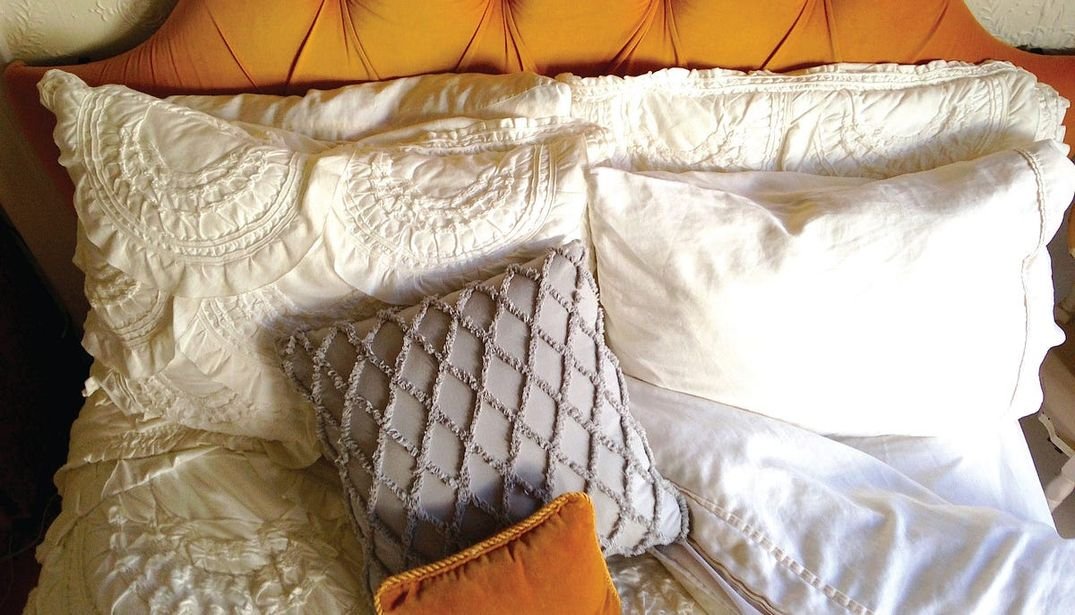
Credit: www.thebolditalic.com
Frequently Asked Questions
Why Do Americans Prefer Using A Top Sheet?
Most Americans see the top sheet as a simple way to keep their heavier bedding clean. It’s easy to wash and adds a layer of comfort. Bedding stores also sell sheet sets that include a top sheet, making it part of the standard setup.
Is It Less Hygienic To Skip The Top Sheet?
Not necessarily. Europeans wash their duvet covers as often as Americans wash their sheets, so both methods can be equally clean. The key is regular washing, no matter which system you use.
Can You Use Both A Top Sheet And A Duvet?
Yes, many people combine both. This can add comfort and make it easier to adjust layers for warmth. However, most Europeans find the extra layer unnecessary.
Which System Is Easier To Maintain?
A duvet with a washable cover can be faster to make and simpler to clean. But some people find changing a duvet cover difficult. Top sheets are easy to wash and fold, but you have more pieces to handle.
Are Bedding Habits Changing Over Time?
Yes, slowly. As people travel and shop internationally, they try new bedding styles. More Americans use duvets now, and some Europeans try top sheets. But most people stick with the system they know best.
Cultural traditions, climate, and personal comfort keep these habits alive. Whether you choose a top sheet, a duvet, or both, the best bedding is what helps you sleep well and fits your lifestyle.