
Choosing the right sheets can make a big difference in how warm and comfortable you feel at night. As the temperatures drop, many people wonder: microfiber vs flannel sheets, which is warmer? Both fabrics are known for their coziness, but they have important differences that affect warmth, breathability, durability, and comfort. Understanding these details can help you pick the perfect bedding for your needs and sleeping style.
Let’s explore the science, user experiences, and the real warmth offered by microfiber and flannel sheets. This guide will help you make a confident choice, avoid common mistakes, and even discover surprising factors that affect sheet warmth.
What Are Microfiber Sheets?
Microfiber sheets are made from extremely fine synthetic fibers, usually polyester or a blend of polyester and nylon. These fibers are thinner than a human hair—often less than one denier in diameter. Because of their structure, microfiber sheets feel smooth and soft, sometimes even silky.
Microfiber sheets are popular for several reasons:
- They are affordable compared to natural fibers.
- The tight weave helps resist dust and allergens.
- They are easy to wash and dry quickly.
But when it comes to warmth, microfiber’s performance depends on the weave, thickness (measured in GSM—grams per square meter), and quality.
What Are Flannel Sheets?
Flannel sheets are made from cotton, wool, or synthetic fibers, but cotton flannel is the most common. What makes flannel unique is its brushed surface—one or both sides of the fabric are brushed to create a fuzzy, soft texture. This brushing process lifts the fibers, trapping air and creating a layer of insulation.
Flannel sheets are famous for:
- Their cozy, warm feel, especially in cold weather.
- Breathability, especially with 100% cotton flannel.
- Getting softer after each wash.
The warmth of flannel sheets depends on the fabric’s weight (measured in ounces per square yard or GSM) and how much the surface is brushed.
How Do Sheets Keep You Warm?
To understand which sheet is warmer, it helps to know how sheets trap heat. Warmth depends on:
- Insulation: How well the sheet traps your body heat.
- Breathability: Whether the sheet lets heat escape (breathable) or holds it in (less breathable).
- Moisture wicking: If the sheet pulls sweat away or keeps it close to your skin.
Sheets that trap more air usually feel warmer. But too much insulation without breathability can make you feel clammy or sweaty.
Microfiber Vs Flannel: Warmth Showdown
Let’s compare microfiber sheets and flannel sheets side by side to see which is warmer, and why.
| Feature | Microfiber Sheets | Flannel Sheets |
|---|---|---|
| Material | Synthetic (polyester, nylon) | Natural (cotton) or blend |
| Surface Texture | Smooth, tightly woven | Fuzzy, brushed |
| Insulation | Good (traps some heat) | Excellent (traps more air) |
| Breathability | Low to medium | Medium to high |
| Moisture Wicking | Poor | Good (cotton flannel) |
| Typical GSM | 85–120 | 135–180 |
Which Holds More Heat?
Flannel sheets generally feel warmer than microfiber sheets. The brushed surface of flannel creates tiny air pockets, which act as insulation. This extra trapped air is like a thermal barrier, holding your body heat close and keeping cold air out.
Microfiber, with its tight weave, does trap heat well, especially heavier weights. However, it doesn’t have the same fuzzy surface to create extra insulation. If you sleep cold or live in a region with harsh winters, flannel sheets are usually the better choice for warmth.
Real-world Example
A 150 GSM (grams per square meter) cotton flannel sheet will feel significantly warmer than a 90 GSM microfiber sheet. Even a high-quality, thick microfiber sheet (over 120 GSM) rarely matches the cozy, insulating feel of brushed flannel.
Other Factors That Affect Sheet Warmth
Warmth is not just about the material. Several overlooked factors change how warm your bed feels.
Sheet Weight
Higher GSM means a thicker, heavier sheet, which traps more heat. For example:
- Lightweight microfiber (85 GSM) is cool and breathable.
- Heavy flannel (170 GSM) is thick and ultra-warm.
Fit And Layering
A snug-fitting sheet traps body heat better. A loose sheet lets cold air in. Layering also matters: adding a flannel blanket or comforter with your sheets increases warmth much more than just changing sheet type.
Room Conditions
If your bedroom is cold (below 65°F or 18°C), flannel’s insulation is more noticeable. In a heated room, microfiber may be warm enough—sometimes too warm if you sweat easily.
Personal Comfort And Sleep Style
Some people sleep hot and want less insulation. Others get cold and need maximum warmth. Consider your own comfort first.
Non-obvious tip: If you sweat at night, flannel’s breathability helps release moisture. Microfiber tends to trap moisture, which can make you feel damp.
Pros And Cons: Microfiber Sheets
Microfiber sheets have some unique benefits—and downsides—when it comes to warmth.
Pros:
- Affordable and widely available.
- Feels soft, sometimes silky.
- Holds heat well for a thin sheet.
- Hypoallergenic due to tight weave.
Cons:
- Can trap moisture, making you feel sweaty.
- Less breathable than flannel.
- May develop static electricity in dry climates.
- Not as warm as heavy flannel in extreme cold.
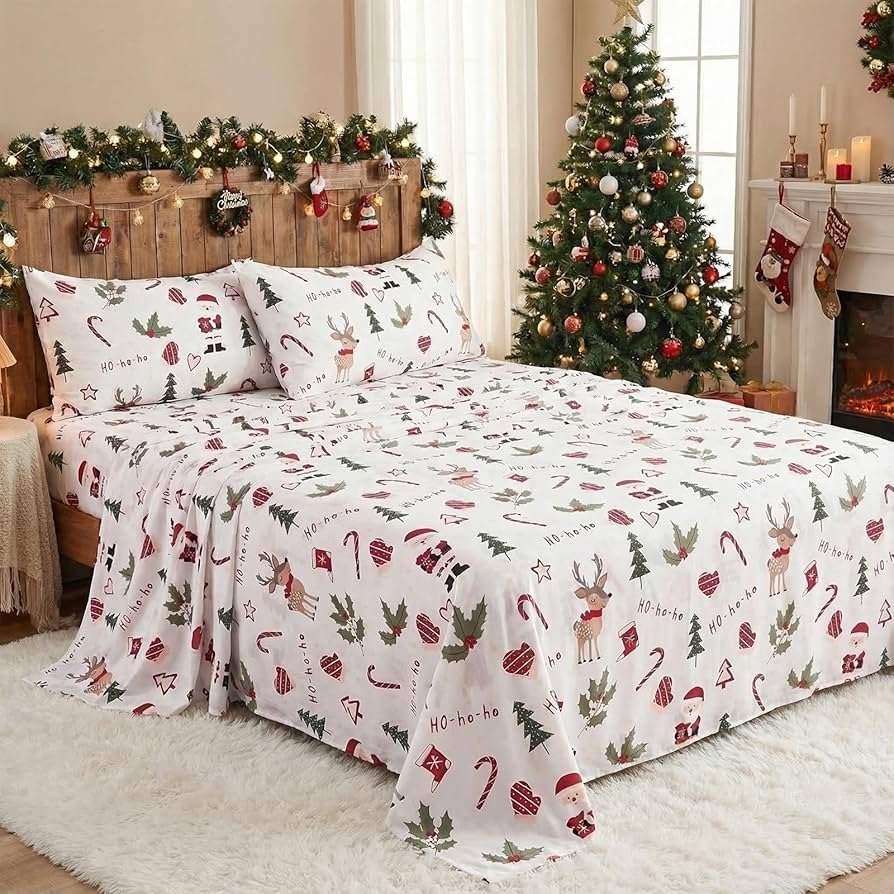
Credit: www.amazon.com
Pros And Cons: Flannel Sheets
Flannel sheets are a winter favorite for a reason, but they aren’t perfect for everyone.
Pros:
- Extremely warm, even at moderate weights.
- Soft and cozy, especially after several washes.
- Breathable (with cotton), less risk of overheating.
- Good moisture management.
Cons:
- More expensive, especially for high-quality cotton flannel.
- Can pill (form tiny balls) over time if not cared for properly.
- Heavier, which some people may not like year-round.
- May shrink if washed in hot water.
Durability And Care
Warmth isn’t the only thing to consider. Think about how long your sheets will last and how easy they are to clean.
| Feature | Microfiber Sheets | Flannel Sheets |
|---|---|---|
| Durability | High (resistant to tearing, fading) | Medium (can pill, wear thin) |
| Washing | Easy, dries fast | Needs gentle wash, air dry preferred |
| Shrinking | No | Possible (cotton flannel) |
| Care Tips | Avoid high heat in dryer | Wash in cold, avoid fabric softener |
Pro tip: To keep flannel soft and prevent pilling, wash on a gentle cycle and avoid fabric softener. For microfiber, skip high-heat drying to extend the lifespan.
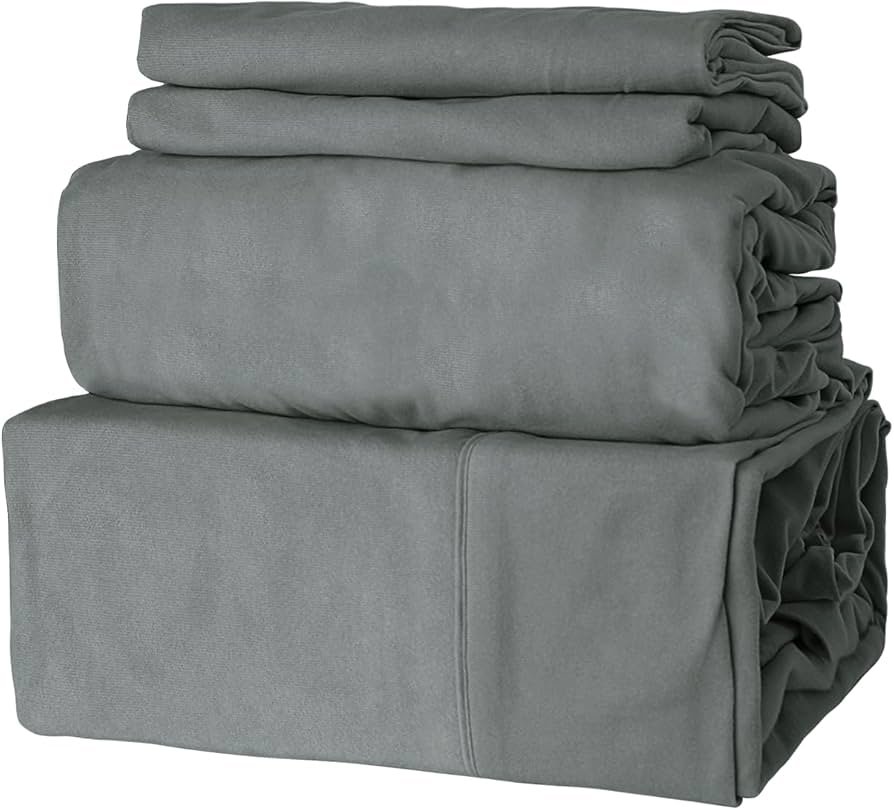
Credit: www.amazon.com
Common Mistakes When Choosing Warm Sheets
Many people choose based on price or thread count alone, but these can be misleading. Here are some common mistakes to avoid:
- Ignoring GSM: This is the real measure of warmth, not thread count.
- Choosing microfiber for extreme cold: Even a thick microfiber sheet rarely matches flannel’s insulation.
- Not considering sweating: Microfiber can trap sweat, making you clammy. Flannel (cotton) is better for moisture wicking.
- Overlooking care instructions: Microfiber is easy to care for, but flannel needs gentle washing for best results.
- Assuming more expensive always means warmer: Some high-end microfiber sheets are soft but not very warm.
Who Should Choose Microfiber Sheets?
Microfiber sheets are a good choice if you:
- Want a soft, smooth feel at a lower price.
- Sleep in a moderate climate or keep your bedroom warm.
- Have allergies (the tight weave keeps dust mites out).
- Prefer easy-care bedding that dries quickly.
But if you sleep cold or want the warmest sheet possible, microfiber may not be enough in winter.

Credit: amerisleep.com
Who Should Choose Flannel Sheets?
Flannel sheets are best if you:
- Want the warmest sheets for winter or cold bedrooms.
- Prefer a soft, fuzzy, cozy feel.
- Need breathability and moisture wicking (especially if you sweat).
- Don’t mind gentle care and a higher price for quality.
For ultimate warmth, choose a heavyweight cotton flannel sheet (over 160 GSM).
Surprising Insights: What Most People Miss
1. The “brushed” factor matters more than weight. Some flannel sheets are brushed on both sides, which doubles the insulating air pockets. Single-brushed flannel is warm, but double-brushed is much warmer.
2. Your mattress and blanket matter too. A memory foam mattress topper or thick comforter can add warmth, making the difference between flannel and microfiber less important. Don’t judge sheet warmth in isolation.
Cost And Availability
Microfiber sheets are usually cheaper—often half the price of quality flannel. You can find microfiber sheet sets for as little as $20–$40, while good flannel sets often start at $50–$80.
However, price doesn’t always equal warmth. A $30 double-brushed flannel sheet will likely feel warmer than a $60 luxury microfiber set if you sleep cold.
What Do Experts And Sleepers Say?
According to reviews and sleep experts, flannel sheets win for warmth in most cases. People living in cold climates almost always prefer flannel for winter. However, microfiber gets good marks for softness and value, especially for guest beds or mild winters.
If you want to dive deeper into the science of bedding fabrics, the Wikipedia page on flannel offers more details.
Frequently Asked Questions
Which Sheets Are Warmer: Microfiber Or Flannel?
Flannel sheets are generally warmer than microfiber sheets. The brushed surface of flannel traps more air, creating better insulation. Microfiber is warm for a lightweight fabric but cannot match the heat retention of heavy, double-brushed flannel.
Do Microfiber Sheets Make You Sweat?
Microfiber sheets can trap heat and moisture, especially if they are thick and tightly woven. If you tend to sweat at night, you may find microfiber less comfortable than flannel, which wicks moisture better (if it’s cotton-based).
Can You Use Flannel Sheets Year-round?
Flannel sheets are best for fall and winter. In warmer weather, they may feel too hot. Some people in cooler climates use lightweight flannel sheets year-round, but most switch to cotton or microfiber in the summer for better breathability.
How Do I Prevent Flannel Sheets From Pilling?
Wash flannel sheets in cold water on a gentle cycle. Avoid fabric softeners and high-heat drying. Over time, all flannel will pill a little, but gentle care extends their life and softness.
What Gsm Should I Look For In Warm Sheets?
For maximum warmth, look for flannel sheets with a GSM of 160 or higher. For microfiber, higher GSM (over 110) means more warmth, but even then, flannel usually feels cozier in cold weather.
Choosing between microfiber and flannel sheets comes down to your warmth needs, sleep style, and climate. Microfiber offers good warmth at a low price and is easy to care for, but it can’t beat the cozy, insulating feel of quality flannel sheets on a cold night. Remember to check GSM, brushing, and care instructions before buying. With the right choice, you’ll sleep warmer and more comfortably all winter long.