
Bamboo Sheets Vs Egyptian Cotton: Which Is Better?
A good night’s sleep starts with comfortable bedding. But when it comes to choosing between bamboo sheets and Egyptian cotton sheets, things can get confusing. Both are famous for their softness and luxury, but each has unique qualities. How do you decide which is better for you? This guide will help you understand the real differences, benefits, and drawbacks of bamboo sheets versus Egyptian cotton, so you can pick the perfect set for your bed.
What Are Bamboo Sheets?
Bamboo sheets are made from the fibers of the bamboo plant. The process starts by turning bamboo into a soft pulp, then spinning this pulp into threads. These threads are woven to create fabric. Most bamboo sheets are labeled as bamboo viscose or bamboo rayon. Some sheets are also made from bamboo linen, which has a different feel and texture.
Bamboo is known as a renewable resource because it grows quickly and uses less water than many other plants. Bamboo sheets are famous for being soft, cool, and gentle on the skin. Many people choose them because they are thought to be more eco-friendly.
What Makes Egyptian Cotton Special?
Egyptian cotton comes from a specific plant grown in Egypt. The fibers are long, known as extra-long staple (ELS) cotton. Longer fibers mean smoother, stronger threads. Egyptian cotton sheets are often seen as the gold standard for luxury bedding. They are prized for their smoothness, durability, and breathability.
But not all sheets labeled “Egyptian cotton” are the same. Genuine Egyptian cotton is grown only in Egypt and has strict quality controls. Some products mix Egyptian cotton with lower-quality cotton, so it’s important to check for authenticity.
Comparing Key Features
To truly know which is better, let’s look closely at the major factors that matter when buying sheets.
1. Softness And Feel
Bamboo sheets are known for their silky, smooth texture. Many people say they feel even softer than high-thread-count cotton sheets. The fabric drapes closely to the body and feels cool to the touch. Some users describe bamboo as having a “buttery” or “cashmere-like” feel.
Egyptian cotton sheets are also soft but may start a bit crisp. They get softer after multiple washes. The softness often depends on the thread count and the quality of the cotton. High-quality Egyptian cotton sheets can feel luxurious, with a classic cotton smoothness.
2. Breathability And Temperature Control
Both bamboo and Egyptian cotton are praised for being breathable. However, bamboo sheets are often the first choice for people who sleep hot. Bamboo fibers naturally wick away moisture and help regulate temperature. This means you’re less likely to wake up sweaty on warm nights.
Egyptian cotton is also breathable, but it may not wick moisture as efficiently as bamboo. However, the weave matters. A percale weave feels cooler and crisper, while sateen weave feels warmer and heavier.
3. Durability And Longevity
Egyptian cotton is famous for lasting a long time—sometimes decades—if cared for properly. The long fibers mean the fabric resists tearing and pilling. Over time, high-quality Egyptian cotton sheets often get softer and stronger.
Bamboo sheets are also durable, but only if they are made well. Some bamboo sheets, especially lower-cost options, can pill or tear more easily. The way bamboo fabric is made (rayon or viscose process) can also affect durability. Quality bamboo sheets, however, can last as long as cotton if washed gently.
4. Ease Of Care
Bamboo sheets usually need a bit more care. It’s best to wash them in cold water and avoid strong detergents or bleach. High heat in the dryer can damage bamboo fibers, so air drying or low heat is recommended.
Egyptian cotton is more tolerant of hotter washes and regular dryer use. However, using gentle cycles and avoiding harsh chemicals will help both types of sheets last longer.
5. Eco-friendliness
Bamboo is often marketed as the eco-friendly choice. It grows fast, needs little water, and requires fewer pesticides. However, the process to turn bamboo into soft fabric can use chemicals. Some brands use a closed-loop process to reduce environmental impact, but not all do.
Egyptian cotton uses more water and pesticides to grow. Cotton farming in Egypt is often less sustainable than bamboo farming, but some brands use organic practices. Always check for certifications if eco-friendliness matters to you.
6. Price And Value
Bamboo sheets are usually less expensive than genuine Egyptian cotton sheets. However, prices vary widely based on brand and quality. Egyptian cotton sheets, especially those with high thread counts, can be very costly.
But higher price doesn’t always mean better value. Some mid-range bamboo sheets outperform expensive cotton sheets in softness and breathability. As with most things, you get what you pay for, but brand and authenticity matter.
7. Allergies And Sensitivities
Bamboo sheets are naturally hypoallergenic and resist dust mites and mold. This makes them a good option for people with sensitive skin or allergies.
Egyptian cotton is also a safe choice for most people, but it doesn’t have the same natural resistance to allergens. However, frequent washing can help keep allergens away.
8. Appearance And Style
Bamboo sheets tend to have a subtle sheen and drape beautifully on the bed. They often come in neutral or pastel shades and hold color well after washing.
Egyptian cotton sheets look classic and crisp, especially when ironed. They are available in a wide range of colors and patterns. The weave (percale vs sateen) changes the look and feel.
9. Lifespan And Performance Over Time
With proper care, Egyptian cotton sheets can last up to 15 years or more. Their fibers become softer and stronger with use. Authenticity is key—mixed or lower-quality cotton will not last as long.
Bamboo sheets generally last 5-8 years, depending on quality and care. Some users report pilling or thinning after a few years, especially with lower-end products. Choosing a reputable brand can make a big difference.
Side-by-side Data Comparison
Sometimes, seeing the facts side by side helps. Here’s a quick comparison:
| Feature | Bamboo Sheets | Egyptian Cotton Sheets |
|---|---|---|
| Softness | Silky, buttery feel | Soft, crisp (improves with washing) |
| Breathability | Excellent, moisture-wicking | Very good, depends on weave |
| Durability | Good (varies by brand) | Excellent (long fibers) |
| Eco-Friendliness | Renewable, but chemical processing | Water/pesticide use, less sustainable |
| Allergies | Hypoallergenic, anti-microbial | Safe for most, not hypoallergenic |
| Price | Mid-range | High (authentic) |
| Lifespan | 5–8 years | 10–15 years |
Non-obvious Insights Most People Miss
- Bamboo sheets can shrink more than cotton. If you dry them on high heat, they may lose their shape. Always check the care label and air dry when possible.
- Not all “Egyptian cotton” is 100% pure. Some sheets use only a small percentage of Egyptian cotton mixed with cheaper cotton. Look for certifications or reputable brands to ensure true quality.
- Thread count isn’t everything. A 400-thread-count sheet made from high-quality Egyptian cotton can feel better than an 800-thread-count sheet made from low-quality cotton.
- Weave matters as much as material. Percale weave is cooler and crisper, while sateen feels smoother and a bit heavier. Decide based on your temperature and texture preference.
- Bamboo sheets can be made from different processes. “Bamboo lyocell” is the most eco-friendly option, while bamboo rayon/viscose uses more chemicals.
Weave Types And How They Affect Feel
The way sheets are woven changes how they feel and perform:
| Weave Type | Feel | Best For |
|---|---|---|
| Percale | Crisp, cool, matte | Hot sleepers, summer |
| Sateen | Smooth, silky, slight sheen | Year-round, cool climates |
| Linen | Textured, breathable | Warm weather, casual look |
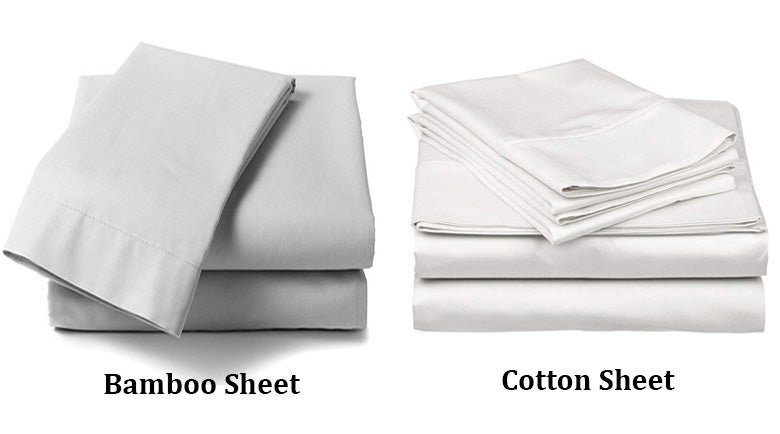
Bamboo sheets are usually made with a sateen weave, giving them a shiny, soft finish. Egyptian cotton is available in both percale and sateen.
Credit: www.thesleepjudge.com
Which Sheets Are Best For You?
Choosing between bamboo and Egyptian cotton depends on your needs:
- If you sleep hot or have sensitive skin, bamboo sheets are a great pick.
- If you want long-lasting, classic luxury, invest in genuine Egyptian cotton.
- For people who value eco-friendliness, choose bamboo lyocell or certified organic cotton.
- If you have allergies, bamboo’s natural properties may help.
- For best value, compare brands and check for true material authenticity.
Here’s a quick guide to help you decide:
| Your Priority | Best Choice |
|---|---|
| Softest feel | Bamboo sheets |
| Durability | Egyptian cotton sheets |
| Eco-friendly | Bamboo lyocell or organic cotton |
| Value for money | Bamboo sheets (mid-range) |
| Classic look | Egyptian cotton |
Care Tips For Both Types
Getting the most from your sheets takes a little effort. Here are some tips:
- Wash sheets separately from towels or rough items to avoid pilling.
- Use a gentle, liquid detergent. Powder can leave residue.
- Avoid bleach and fabric softeners—they break down fibers.
- Dry on low heat or hang to air dry.
- Iron Egyptian cotton for a crisp look, but avoid ironing bamboo sheets.
Credit: wellfabric.com
How To Spot Real Quality
For bamboo sheets:
- Look for Oeko-Tex certification, which means no harmful chemicals.
- Check if they are bamboo lyocell (more eco-friendly) or just rayon/viscose.
For Egyptian cotton:
- Only true Egyptian cotton is grown in Egypt and often certified by the Cotton Egypt Association.
- Beware of sheets labeled “Egyptian cotton” without proof—they may be blends.
Real-world Examples
Many luxury hotels use Egyptian cotton sheets for a classic, crisp feel that stands up to repeated washing. On the other hand, eco-friendly hotels and resorts often choose bamboo sheets for their sustainability and softness.
Some users report that bamboo sheets help reduce night sweats, while others prefer the heavier drape of Egyptian cotton for a more traditional hotel-bed experience.
Frequently Asked Questions
What Is The Difference Between Bamboo Viscose And Bamboo Lyocell?
Bamboo viscose and bamboo lyocell are both made from bamboo, but their processing methods differ. Bamboo viscose uses more chemicals, while bamboo lyocell is produced with a closed-loop process that recycles water and solvents, making it more eco-friendly and gentle on the environment.
Do Bamboo Sheets Keep You Cooler Than Egyptian Cotton?
Yes, bamboo sheets are usually better at wicking away moisture and regulating temperature. They feel cooler on the skin and are a popular choice for people who get hot at night or live in warm climates.
Are Egyptian Cotton Sheets Worth The Higher Price?
If you want sheets that last for many years and become softer with each wash, authentic Egyptian cotton sheets can be worth the investment. However, always check for real Egyptian cotton and not blends, as the quality can vary.
How Can I Tell If My Sheets Are Genuine Egyptian Cotton?
Look for certifications from the Cotton Egypt Association or reputable brands. True Egyptian cotton is usually labeled with its origin and may include a registration number. If the price is very low, it might not be genuine.
Which Type Of Sheet Is Best For Allergies?
Bamboo sheets are naturally hypoallergenic, resist dust mites, and are a good choice for people with sensitive skin or allergies. Egyptian cotton is also safe, but doesn’t have the same natural resistance to allergens.
Choosing between bamboo sheets and Egyptian cotton sheets depends on your personal needs and values. Both offer luxury, comfort, and unique benefits. Taking the time to understand the differences means you’ll sleep better and get more value from your investment. For more in-depth information on bedding materials, you can visit Sleep Foundation.
Credit: www.sleepadvisor.org