
Sleep is not just about the mattress or pillow you choose. The bedsheet color also plays a big role in how well you rest at night. Many people overlook this detail, but research and sleep experts agree that certain colors can improve sleep quality, while others can keep your mind too active. If you want to wake up refreshed, understanding the effect of bedsheet colors is a smart place to start.
Why Bedsheet Color Matters For Sleep
Colors are more than decoration. They affect mood, emotions, and even body processes. When you enter your bedroom, the color of your bedsheets sends a signal to your brain. Some colors help you relax, while others can make you feel stressed or restless.
For example, bright red or orange might be great for a fun party, but in the bedroom, they can make your mind alert and active. On the other hand, soft blue or gentle green can help calm your nerves. This is why choosing the right bedsheet color is important if you want better sleep.
The Science Behind Color And Sleep
Scientists have studied how color impacts our bodies. This field is called color psychology. Studies show that cool colors, like blue and green, can slow your heart rate and lower blood pressure. These changes make it easier to fall asleep.
Warm colors, such as red and yellow, can have the opposite effect. They may increase your heart rate and keep your mind active. Even small changes in the shade of your bedsheets can make a difference.
For example, a study published in the journal “Sleep Health” found that participants exposed to blue surroundings fell asleep 10-15 minutes faster on average than those surrounded by red tones. Another non-obvious insight is that our brains associate certain colors with nature, like green or brown, which can bring a sense of safety and calmness.
Credit: www.homesandgardens.com
Best Bedsheet Colors For Better Sleep
Let’s look at some of the best colors for bedsheets if you want to create a more restful sleep environment.
1. Soft Blue
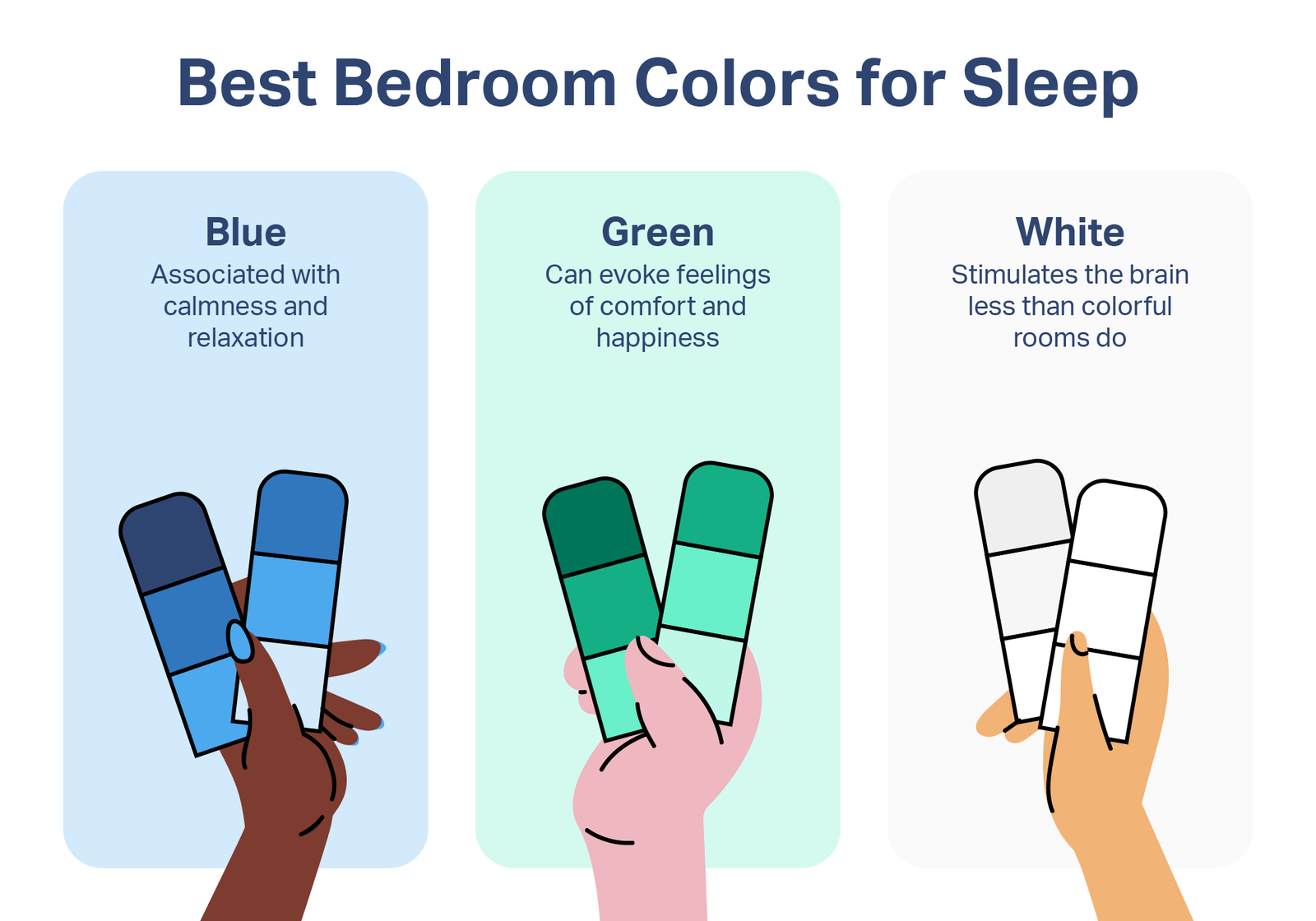
Soft blue is often considered the best bedsheet color for sleep. It mimics the sky and the sea, which are naturally calming. Blue can help lower anxiety and create a peaceful atmosphere.
Many hotels use blue bedsheets for this reason. If you want to improve your sleep, try light blue sheets. They work well with almost any bedroom decor and make your room feel cool and relaxing.
2. Gentle Green
Gentle green shades, like sage or mint, are linked with nature and growth. Green is soothing to the eyes and helps reduce stress. It can also improve your overall mood.
If you have a busy mind at night, green bedsheets can help you slow down. They bring the calm feeling of a forest or a garden into your bedroom.
3. Soft Gray
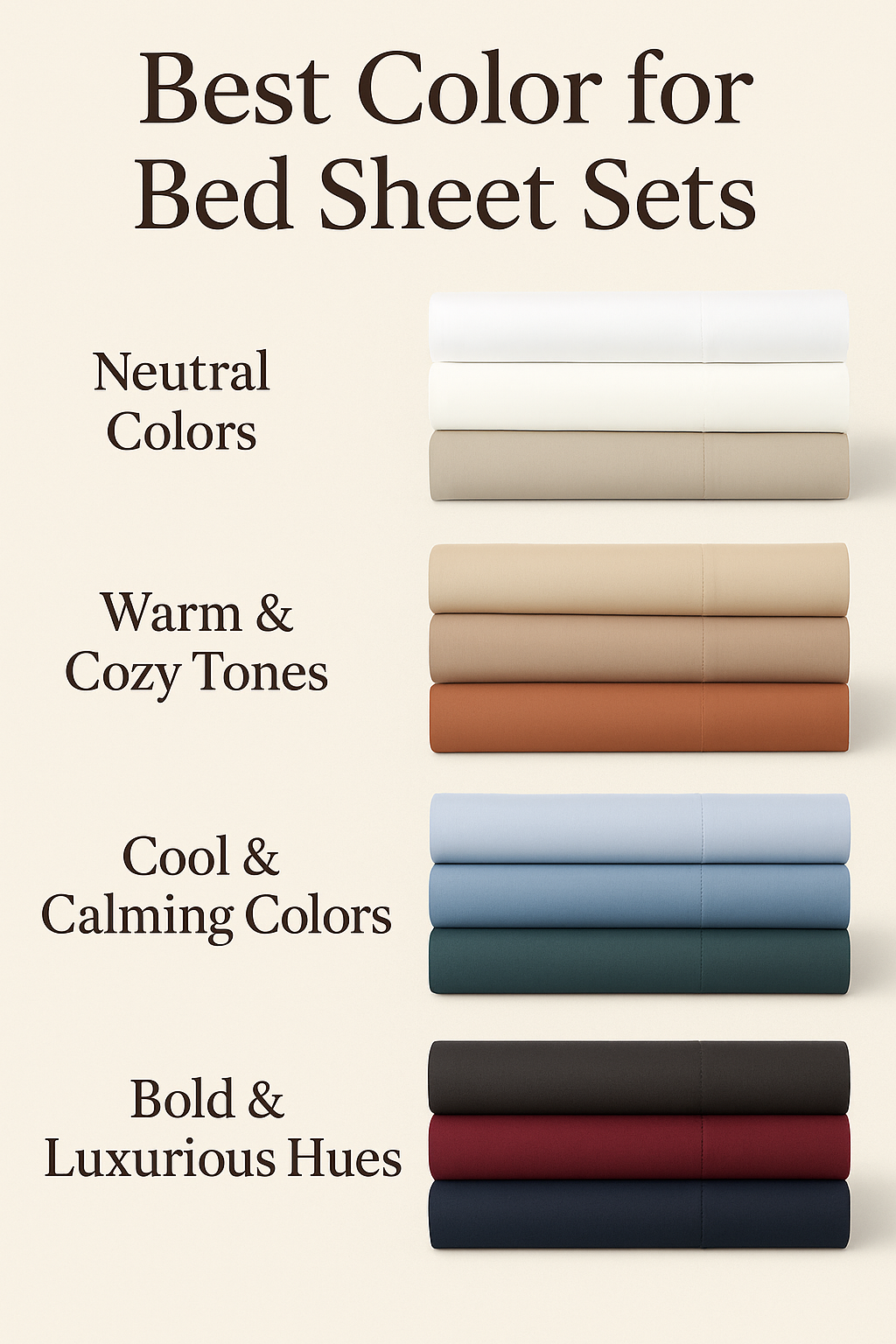
Soft gray is a modern and neutral choice. It doesn’t stimulate your mind but still feels warm and comfortable. Gray is a good option if you don’t like color but want something better than plain white.
A light gray bedsheet can also make your room look neat and organized, which can help you relax before sleep.
4. Gentle Beige Or Taupe
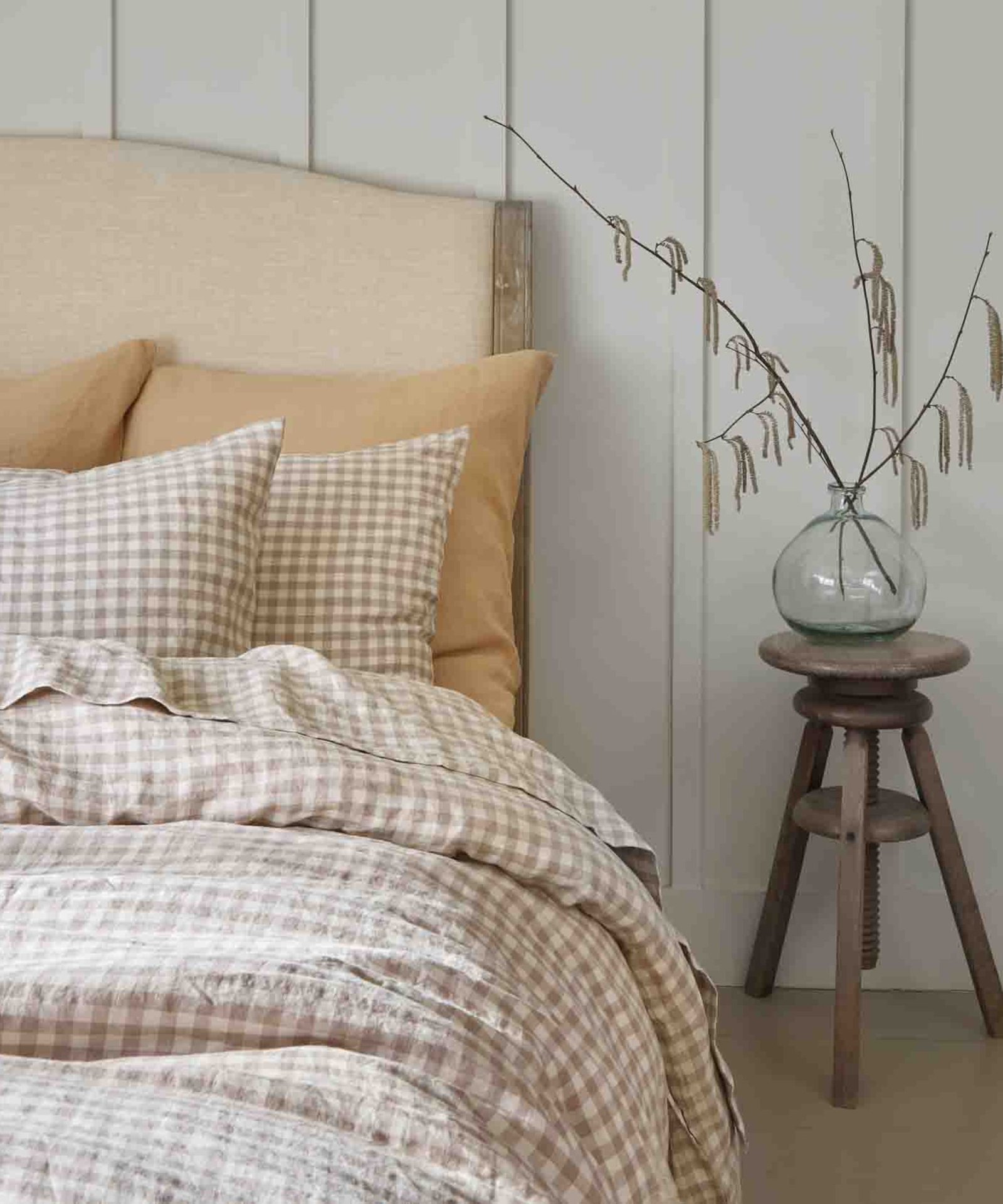
Beige or taupe shades are classic choices for bedsheets. They bring warmth without being too intense. These colors can make your bedroom feel safe and cozy.
People often feel calm when surrounded by earth tones like beige. They are also easy to match with other bedding and decor items.
5. Soft Lavender
Lavender is a light purple shade that can help you relax and de-stress. It mixes the calming effects of blue and the gentle energy of pink. Lavender bedsheets are especially good for people who find blue too cold.
This color adds a touch of elegance to your bedroom and can help you drift off to sleep faster.
6. Cool White
Cool white is a classic color for bedsheets. It gives a sense of cleanliness and purity. White sheets reflect light, making your room feel open and fresh.
However, some people find pure white too cold or sterile. If you like white, choose a soft or off-white shade for a warmer feeling.
7. Pale Pink
Pale pink brings softness and comfort. It can help reduce feelings of anger or anxiety. Pink is often used in therapy rooms for this reason.
A light pink bedsheet won’t overwhelm your eyes but will give a gentle, cozy feeling that helps you relax before bed.
Colors To Avoid For Better Sleep
Not all colors are good for your sleep. Some can make it harder to fall asleep or stay asleep.
- Bright Red – This color is linked to energy and excitement. It can increase your heart rate and make it hard to relax.
- Orange – Like red, orange is a warm color that stimulates the brain.
- Bright Yellow – Yellow brings happiness but can also make you feel alert.
- Dark Purple or Black – These colors can feel heavy or depressing and may make your room seem smaller and less inviting.
- Neon or Very Bright Colors – Any bright or neon shade can strain your eyes and keep your mind active.
The key is to avoid colors that make you feel awake or agitated.
Comparing Popular Bedsheet Colors
Here is a quick comparison of some common bedsheet colors and their effects on sleep:
| Bedsheet Color | Effect on Sleep | Best For |
|---|---|---|
| Soft Blue | Very calming, helps sleep | Most people |
| Gentle Green | Reduces stress, soothes mind | Anxious sleepers |
| Soft Gray | Neutral, keeps mind clear | Minimalists |
| Beige/Taupe | Warm, cozy feeling | People seeking comfort |
| Lavender | Relaxes and calms | People under stress |
| Bright Red | Stimulates, may cause restlessness | Best avoided for sleep |
How To Choose The Right Bedsheet Color For You
Picking the best bedsheet color is not only about following rules. Personal taste, room lighting, and your mood also matter.
Think About Your Mood
Ask yourself how certain colors make you feel. If blue makes you sad, try green or beige instead. The goal is to find a color that gives you comfort and peace.
Match With Room Lighting
Rooms with lots of natural light can handle cooler colors like blue or gray. If your room is dark, warmer shades like beige or soft pink can make it feel brighter.
Consider Your Sleep Problems
If you have trouble falling asleep, choose calming colors like blue or lavender. If you wake up often, avoid bright or dark colors that might disturb your rest.
Combine Colors Carefully
You don’t have to use only one color. Some people like to combine two calming colors, like light blue and white. Just avoid mixing too many bright or clashing colors.
Here’s a simple example of bedsheet color combinations:
| Main Color | Accent Color | Overall Effect |
|---|---|---|
| Soft Blue | White | Fresh, airy, relaxing |
| Beige | Light Brown | Cozy, warm, inviting |
| Lavender | Pale Pink | Gentle, peaceful, soothing |
Credit: www.sleepfoundation.org
Material And Color: A Hidden Connection
Many people focus only on color, but the bedsheet material also affects how the color looks and feels. For example, cotton sheets in light blue will feel cooler than silk sheets in the same color. The texture and shine of the fabric can change how your brain reacts to a color.
A non-obvious tip: Satin or shiny fabrics can make even soft colors feel energetic, while matte cotton or linen makes colors feel more calming. Always test how a color looks on the actual fabric, not just in a photo.
Cultural Differences In Bedsheet Color
Color meaning is not the same everywhere. In some cultures, white is a symbol of peace and purity. In others, it is linked to sadness or mourning. For example, in China, red is a lucky color, but for sleep, it’s still better to choose calming shades.
It’s important to choose a color that fits your own culture and personal beliefs, not just what’s popular.
Credit: americansoftlinen.com
Mistakes To Avoid When Choosing Bedsheet Colors
- Choosing Only Trendy Colors – Just because a color is popular doesn’t mean it’s right for sleep.
- Ignoring Room Lighting – A color can look very different in sunlight or under a lamp.
- Using Very Dark or Very Bright Colors – These can make it harder to relax.
- Not Considering Your Own Preferences – If a color makes you uncomfortable, it’s not the best choice, even if experts recommend it.
- Forgetting About Washing and Maintenance – Light colors show stains more easily, so think about how easy your sheets are to clean.
The Role Of Patterns And Designs
Simple patterns in calming colors can be a good choice. Small stripes or dots in soft shades add interest without over-stimulating your brain. But large, bold patterns in bright colors can make it harder to sleep.
Another insight: Patterns with nature themes, like leaves or clouds, in calming colors, can increase the sense of relaxation and help you fall asleep faster.
Other Ways To Improve Your Sleep Environment
While bedsheet color is important, it’s not the only thing that matters. Here are a few other tips for better sleep:
- Keep your bedroom cool and quiet.
- Use blackout curtains to block light.
- Limit screen time before bed.
- Try calming scents like lavender or chamomile.
Focusing on these small changes, along with choosing the right bedsheet color, can make a big difference in your sleep quality.
Cost Vs. Benefits: Is It Worth Changing Your Bedsheets?
Some people worry that buying new bedsheets is expensive. However, you don’t need to buy the most expensive option. Even simple cotton sheets in a calming color can help your sleep.
Here’s a quick look at the benefits and costs:
| Change | Cost Range (USD) | Sleep Benefit |
|---|---|---|
| Switch to blue cotton sheets | $20–$60 | Fall asleep faster, deeper sleep |
| Switch to lavender linen sheets | $30–$90 | Reduce stress, calmer mood |
| Buy designer sheets in trendy colors | $100+ | No added sleep benefit |
Most people find that small changes can give the biggest benefits.
Final Thoughts
The best bedsheet color for better sleep is the one that helps your mind relax and your body feel safe. For most people, soft blue, gentle green, or light earth tones are the best choices. Avoid bright, bold colors or anything that makes you feel awake.
Remember, the right color is personal. Test a few options, pay attention to how they make you feel, and don’t be afraid to change things if your needs change. Good sleep is priceless, and choosing the right bedsheet color is a simple step toward a healthier life.
If you want to learn more about the science of sleep and color, you can read this detailed guide on Sleep Foundation.
Frequently Asked Questions
What Is The Best Bedsheet Color For People With Anxiety?
Soft blue or gentle green are often the best bedsheet colors for people with anxiety. These colors help calm the mind and reduce stress, making it easier to relax and fall asleep.
Are White Bedsheets Good For Sleep?
White bedsheets can be good for sleep because they create a clean and peaceful feeling. However, some people find pure white too cold or plain. Off-white or ivory can be a warmer choice.
Should I Avoid Patterned Bedsheets?
Not all patterns are bad. Simple, small patterns in calming colors are fine. Avoid bold, bright patterns that can make your mind too active before bed.
Do Bedsheet Colors Really Affect Sleep, Or Is It Just Personal Taste?
Scientific studies show that color can influence mood, heart rate, and relaxation. However, personal comfort is also important. The best color is one that helps you feel calm and safe.
How Often Should I Change My Bedsheet Color?
There is no strict rule. You can change your bedsheet color when the old one wears out, with the season, or if you notice your sleep quality dropping. Pay attention to your own needs and feelings.