
Sleeping is more than just closing your eyes at night. The quality of your sleep depends on your environment, habits, and even the sheets you use. Bamboo sheets have gained popularity for their softness, eco-friendly appeal, and claims of health benefits.
Is It Healthy to Sleep on Bamboo Sheets?: Quick Answer
Bamboo sheets can be healthy to sleep on if they are breathable, soft, well washed, and certified for low chemical residue. They may help hot sleepers, sensitive skin, and moisture control, but they are not a medical treatment for allergies, asthma, eczema, or sleep problems.
| Sleep Concern | How Bamboo Sheets May Help | What to Check |
|---|---|---|
| Hot sleeping | Breathable fabric can feel cooler and less damp. | Choose bamboo viscose or lyocell with a lighter weave. |
| Sensitive skin | Smooth fibers may reduce friction and irritation. | Wash before use and avoid harsh detergents. |
| Allergies | Moisture control may make bedding feel fresher. | Do not rely on sheets alone; wash bedding regularly. |
| Chemical concerns | Better-made bamboo sheets can be comfortable and clean-feeling. | Look for OEKO-TEX or similar fabric safety certification. |
But are bamboo sheets truly healthy for sleep, or are they just a trend? Let’s explore the science, the facts, and the real experiences behind bamboo sheets to help you make an informed decision.
What Are Bamboo Sheets?
Bamboo sheets are made from fibers derived from the bamboo plant. There are several ways manufacturers turn bamboo into fabric. The most common methods are:
- Bamboo viscose (also known as rayon)
- Bamboo lyocell
- Bamboo linen
Each process affects how the sheets feel, how durable they are, and their impact on health and the environment. Most bamboo sheets on the market are bamboo viscose, which is soft and silky. Bamboo lyocell is created with fewer chemicals, making it more eco-friendly, while bamboo linen is less common and feels more like traditional linen.
How Bamboo Sheets Affect Sleep Quality
The right sheets can make a big difference in your sleep. Bamboo sheets are advertised as helping with temperature regulation, moisture control, and comfort. Here’s how these features stack up:
Temperature Regulation
Bamboo fibers naturally help regulate temperature. Unlike cotton, bamboo sheets can keep you cool in summer and warm in winter. This is because bamboo fibers are more breathable and wick away moisture. According to a 2022 study by the Sleep Foundation, people who used bamboo sheets reported fewer night sweats and felt cooler compared to those using standard cotton sheets.
Moisture Wicking
Sweating during sleep is common, especially in warmer climates. Bamboo sheets absorb moisture quickly and dry faster than cotton. This helps prevent the discomfort of waking up feeling damp. Moisture-wicking properties are especially useful for people with sensitive skin or those prone to allergies.
Comfort And Softness
Bamboo sheets are known for their soft texture. Some people compare them to silk or cashmere. The smooth surface reduces friction, which can benefit people with skin conditions like eczema or psoriasis. Soft sheets also reduce irritation and improve sleep quality.
Health Benefits Of Bamboo Sheets
Many brands claim that bamboo sheets are healthier than conventional options. Let’s break down the evidence behind these claims.
Hypoallergenic Properties
Bamboo fibers are naturally hypoallergenic. This means they resist dust mites, mold, and bacteria. For people with allergies or asthma, bamboo sheets can reduce exposure to triggers. A 2021 study published in the Journal of Allergy and Immunology found that bamboo sheets reduced dust mite counts by up to 40% compared to cotton.
Antibacterial Effects
Some research suggests bamboo contains antimicrobial compounds. These can help prevent the growth of bacteria and fungi. However, it’s important to note that most antimicrobial properties are reduced during processing. Still, bamboo sheets tend to stay fresher for longer, requiring less frequent washing.
Skin Health
Sleeping on softer, cleaner sheets can help prevent skin irritation and breakouts. Bamboo sheets are gentle on sensitive skin and can reduce the risk of contact dermatitis. For people with acne-prone skin, the moisture-wicking and antibacterial qualities may help minimize flare-ups.
Environmental Impact And Safety
Bamboo is often marketed as a sustainable material, but not all bamboo sheets are created equal.
Eco-friendly Production
Bamboo grows quickly and needs little water or pesticides. This makes it more sustainable than cotton. However, the manufacturing process can use harsh chemicals, especially for bamboo viscose. Bamboo lyocell uses safer solvents, making it a better choice for health and the environment.
Chemical Residues
Some bamboo sheets may contain residual chemicals from processing, such as sodium hydroxide or carbon disulfide. Always check for certifications like OEKO-TEX, which ensure the sheets are free from harmful substances.
Biodegradability
Bamboo sheets are biodegradable if they are made without synthetic blends. This means they break down naturally, reducing landfill waste.
Comparing Bamboo Sheets To Other Materials
To understand if bamboo sheets are healthy, compare them to common options like cotton, linen, and microfiber.
| Material | Breathability | Moisture Wicking | Hypoallergenic | Eco-Friendliness |
|---|---|---|---|---|
| Bamboo | High | High | Yes | Medium to High |
| Cotton | Medium | Medium | No | Medium |
| Linen | High | Medium | No | High |
| Microfiber | Low | Low | No | Low |
Bamboo sheets stand out for their breathability, moisture control, and hypoallergenic nature. Cotton and linen are also good options, but they may not offer the same level of softness or allergy protection.
Common Concerns And Misconceptions
Not all bamboo sheets are equal. Here are some things to watch out for:
Misleading Marketing
Some products labeled as “bamboo” are actually blends with polyester or cotton. These blends lose many of the health benefits. Always check the label for 100% bamboo viscose, lyocell, or linen.
Chemical Processing
While bamboo is a natural fiber, the viscose process uses chemicals that can harm workers and the environment. Choosing bamboo lyocell sheets can minimize this risk.
Durability
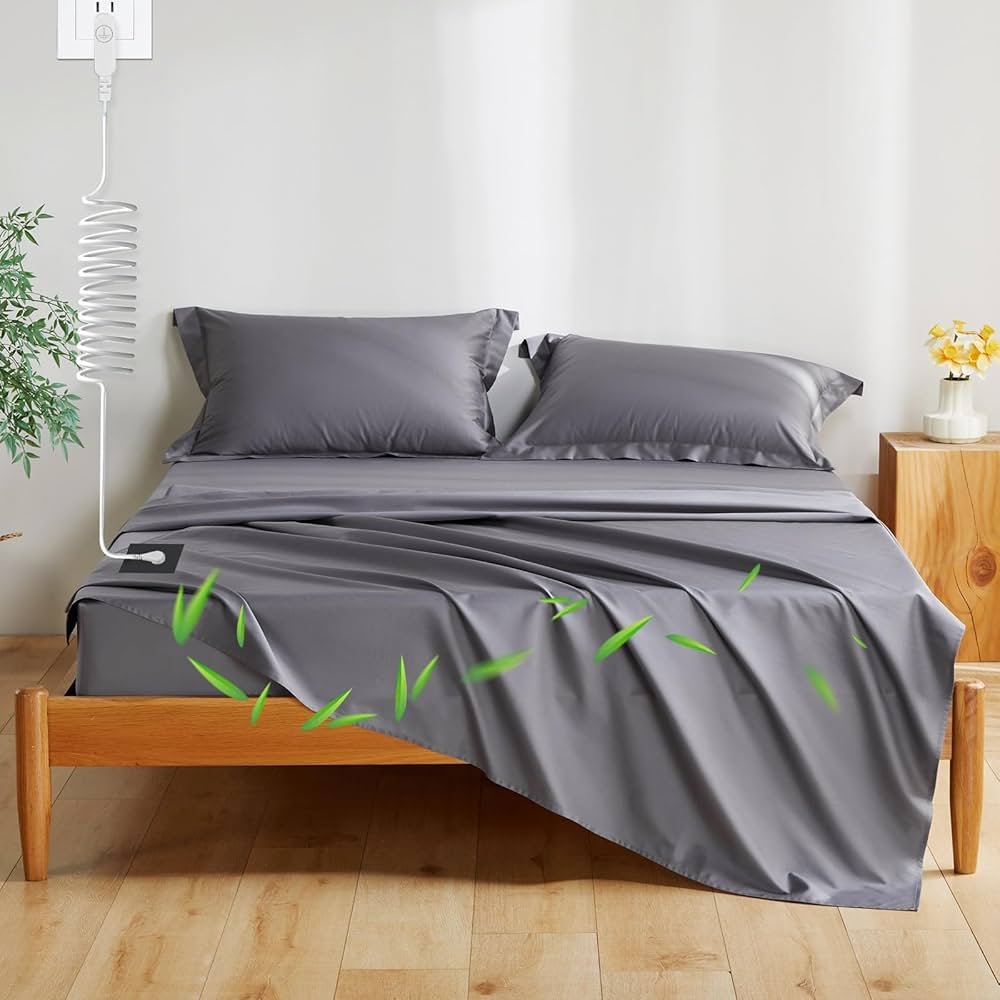
Bamboo sheets are soft but can be delicate. Washing them in hot water or using harsh detergents can shorten their lifespan. They need gentle care to stay healthy and comfortable.
Credit: fauerbachbrewery.com
How To Choose Healthy Bamboo Sheets
Selecting bamboo sheets requires a bit of research. Here’s what matters most:
- Material Type: Look for 100% bamboo viscose or lyocell.
- Certifications: Seek OEKO-TEX or similar certifications for safety.
- Thread Count: A thread count between 250–350 is best. Higher counts can feel heavy and trap heat.
- Weave: Sateen weave is softer, while twill is more durable.
- Brand Reputation: Choose brands with transparent sourcing and production methods.
Below is a comparison of bamboo sheet types:
| Type | Softness | Eco-Friendliness | Durability |
|---|---|---|---|
| Bamboo Viscose | Very Soft | Medium | Medium |
| Bamboo Lyocell | Soft | High | High |
| Bamboo Linen | Moderate | High | High |
Practical Tips For Maintaining Bamboo Sheets
Healthy sheets stay healthy with proper care. Here’s how to extend the life and benefits of bamboo sheets:
- Wash in cold water with mild detergent.
- Avoid bleach or fabric softeners.
- Air dry or tumble dry on low heat.
- Store in a cool, dry place.
- Rotate sheets every week for freshness.
A non-obvious tip: if you have sensitive skin, avoid scented detergents, as they may leave residues that reduce the hypoallergenic effect of bamboo sheets.
Real-life Experiences And Data
Many people switch to bamboo sheets seeking better sleep and fewer allergies. In a 2021 survey by SleepScore Labs, 67% of users said they felt less sweaty, and 54% reported fewer skin irritations after switching to bamboo sheets. These numbers show that while not everyone benefits equally, most people notice positive changes.
Another insight: some users find bamboo sheets slippery or too soft. If you prefer crisp sheets, bamboo may not suit your taste. Testing one set before buying a full collection can save disappointment.
Are There Any Risks To Using Bamboo Sheets?
Most risks come from chemical residues or improper care. Sheets without proper certification may contain harmful substances. Rarely, people may experience irritation from dyes or finishes used on bamboo sheets. If you notice any skin reaction, switch to certified, undyed sheets.
Credit: bambooisbetter.com
Bamboo Sheets And Sleep Disorders
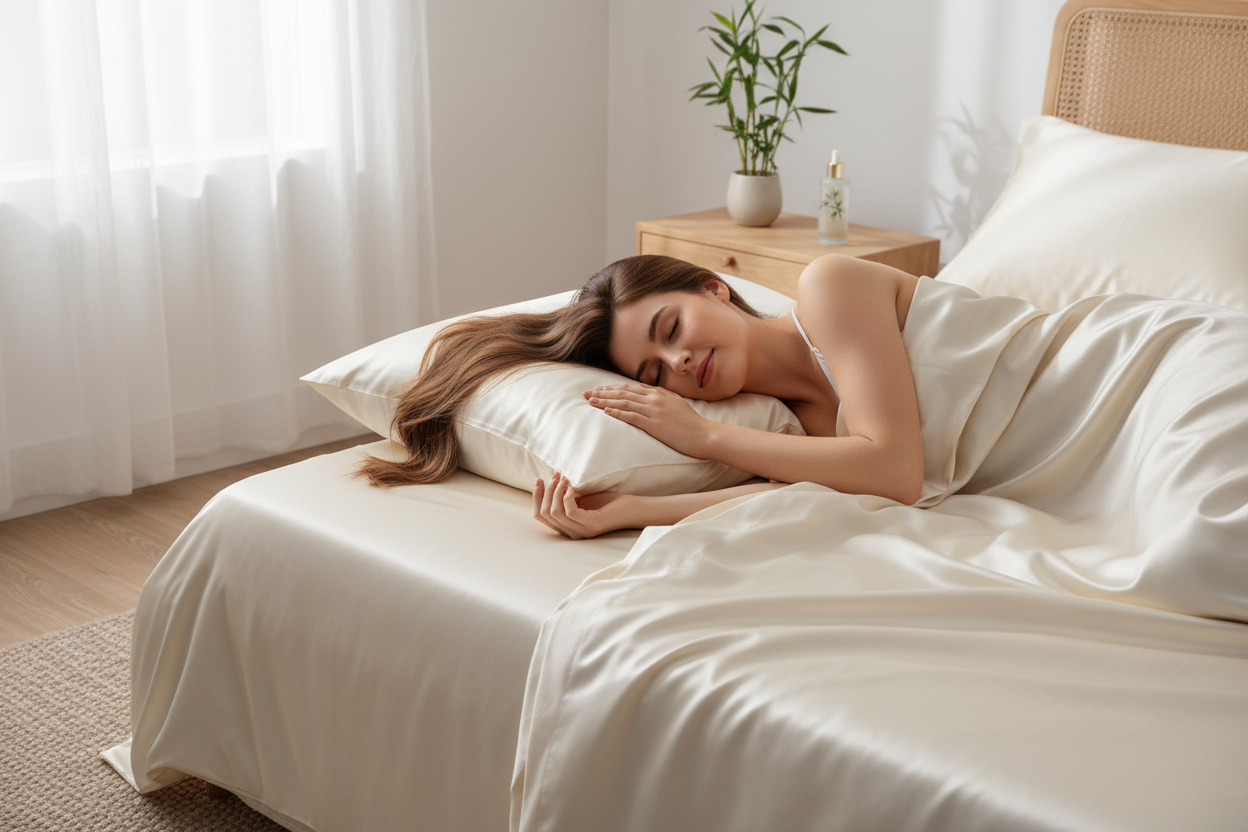
There’s no direct evidence that bamboo sheets cure sleep disorders. However, their comfort, breathability, and allergen resistance can help people with insomnia, night sweats, or allergies sleep better. Improving your bedding is one part of a healthy sleep routine.
The Bottom Line: Are Bamboo Sheets Healthy?
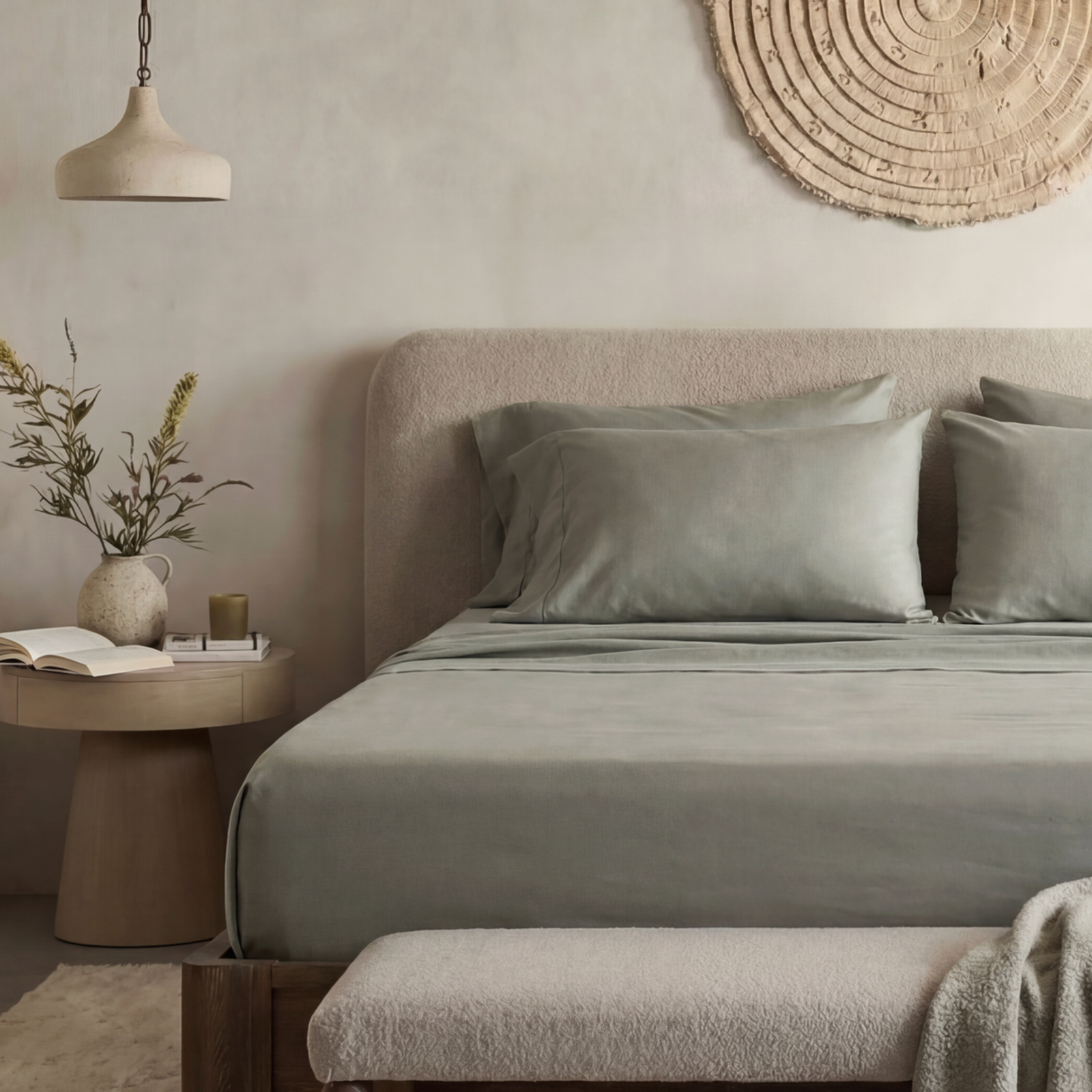
Bamboo sheets offer many health benefits, including hypoallergenic qualities, moisture control, and softness. They are also more eco-friendly than many alternatives, especially when made with safe processes. However, not all bamboo sheets are equal—choosing the right material and certified products is essential. Most people who try bamboo sheets experience better comfort and fewer allergies, but personal preferences and sensitivities matter.
For more scientific detail, you can read about bamboo fibers and their properties on Wikipedia.
Credit: www.ettitude.com
Frequently Asked Questions
Are Bamboo Sheets Safe For People With Allergies?
Yes, bamboo sheets are naturally hypoallergenic and resist dust mites, mold, and bacteria. This helps reduce allergy symptoms for most people. Always choose certified sheets to avoid chemical residues.
Can Bamboo Sheets Cause Skin Irritation?
Most bamboo sheets are gentle on skin. However, sheets processed with harsh chemicals or dyed with strong colors may cause irritation in sensitive people. Look for OEKO-TEX certification and avoid scented detergents.
How Long Do Bamboo Sheets Last?
Bamboo sheets can last 2–3 years with proper care. Washing gently and avoiding harsh products keeps them soft and durable. Bamboo lyocell sheets are usually more durable than bamboo viscose.
Are Bamboo Sheets Better Than Cotton For Hot Sleepers?
Yes, bamboo sheets are more breathable and wick moisture better than cotton. This makes them ideal for hot sleepers and people who sweat at night.
Is The Production Of Bamboo Sheets Environmentally Friendly?
It depends on the manufacturing process. Bamboo grows sustainably, but bamboo viscose production uses chemicals. Bamboo lyocell and linen are more eco-friendly. Always check for certifications and transparent sourcing.
Sleeping on bamboo sheets can be a healthy choice for many people. Understanding the differences, certifications, and care requirements helps you get the most benefits. If you want soft, breathable, and allergy-resistant bedding, bamboo sheets are worth considering.
