
Ironing bed sheets usually means pulling out a large, heavy ironing board. But what if you don’t have one? Or maybe you live in a small space, travel often, or just find ironing boards awkward. Good news: you can still get crisp, smooth sheets without that big board. In fact, many people discover easier, faster ways to iron sheets using everyday surfaces and tools. You don’t need fancy equipment—just a smart approach, a little know-how, and a few tips that most beginners miss. In this article, you’ll learn practical methods, safety advice, and tricks to achieve wrinkle-free sheets at home or on the go.
Why Iron Bed Sheets?
Some people wonder if it’s worth the time to iron bed sheets. The answer depends on your needs. Freshly ironed sheets feel softer, look neater, and give your bedroom a hotel-quality touch. If you have allergies, ironing also helps kill dust mites and removes pollen or dirt trapped in the fabric.
For special occasions or guest rooms, ironed sheets show extra care. Even if you don’t iron every week, learning how to do it well can be useful before guests arrive or when you want a fresh, restful sleep.
Essential Tools For Ironing Without An Ironing Board
You don’t need a board, but you do need some simple tools to do the job safely and efficiently.
- A sturdy, flat surface: This can be a wooden table, a kitchen counter, a clean floor, or even a large desk.
- A quality iron: Steam irons work best, but dry irons are fine too.
- A thick cotton towel or blanket: Place this under your sheets to protect both the surface and your sheets from heat damage.
- A spray bottle: Fill with clean water to dampen stubborn wrinkles.
- Cloth or pressing cloth: For delicate sheets (like linen or silk), this protects the fabric from direct heat.
- Clips or weights: Optional, but handy for keeping sheets in place on smooth surfaces.
Choosing The Right Surface
Not all surfaces are equal. Your goal is to find a space that’s firm, heat-resistant, and large enough for the sheets to spread out. Here’s a quick comparison:
| Surface | Pros | Cons |
|---|---|---|
| Dining Table | Wide, comfortable height | Needs protection, avoid glass tops |
| Countertop | Sturdy, often heat-resistant | Usually narrow |
| Hardwood Floor | Large area | Requires kneeling, risk of scratching |
| Bed Mattress | Convenient, soft underlayer | May not be firm enough, risk of burning |
Most people find that a table or counter works best, as you can stand comfortably and easily control the iron.
Preparing To Iron Bed Sheets
Preparation matters more than you might think. Start by washing and drying your sheets as usual. For the smoothest results, remove them from the dryer when they’re still slightly damp. This makes ironing much easier and faster. If your sheets are already dry and wrinkled, spray them lightly with water.
Lay your thick towel or blanket flat on the chosen surface. Make sure there are no crumbs, dust, or objects that could press into the fabric. Smooth out the towel to avoid creating new wrinkles as you iron.
Step-by-step Guide: How To Iron Bed Sheets Without An Ironing Board
- Set Up Your Work Area
- Lay the towel or blanket flat on your work surface.
- Plug in and heat your iron to the right temperature for your sheet’s fabric (see the care label).
- Position the Sheet
- Spread out a manageable section of the sheet on the towel. Sheets are large, so work in quarters or halves.
- Dampen for Best Results
- Lightly spray water on wrinkled areas. This helps the iron’s steam relax the fibers and smooth wrinkles.
- Iron Carefully
- Start at one end, moving the iron slowly in straight lines. Press down gently, but don’t hold the iron in one place too long.
- For stubborn wrinkles, use the steam burst function or hover the iron just above the sheet and let the steam do the work.
- Move and Repeat
- Shift the sheet to a new section, smoothing it flat each time.
- Overlap the last area slightly to avoid missing spots.
- Pay Attention to Edges and Corners
- These often get wrinkled. Fold them neatly and iron both sides for a crisp finish.
- Let Sheets Cool
- When finished, let the sheets rest for a few minutes before folding or putting them on the bed. This sets the smoothness and prevents new wrinkles.
Alternative Methods When You Don’t Have An Iron
Sometimes you don’t have an iron at all, or you want a quicker solution. Here are some methods that work surprisingly well:
Use A Steamer
A handheld fabric steamer is excellent for sheets. Hang the sheet over a door or shower rod, and run the steamer up and down. The steam relaxes wrinkles without touching the fabric.
Hair Dryer Trick
Set your hair dryer to high heat. Hold it a few inches above the sheet and move slowly over wrinkles. For best results, dampen the sheet slightly first.
Hot Pot Method
Fill a metal pot with boiling water, empty it, and use the bottom as a makeshift iron. Always wrap the bottom with a thin cloth to avoid scorching the fabric.
Wrinkle Release Spray
Spray a commercial wrinkle releaser on the sheets, then tug and smooth with your hands. Wait a few minutes, and wrinkles will relax.
Shower Steam
Hang sheets in the bathroom, close the door, and run a hot shower for a few minutes. The steam softens wrinkles, though it’s less effective than ironing.

Credit: www.expedia.com
Special Tips For Different Sheet Fabrics
Not all sheets are the same. Cotton, linen, and polyester each need special care.
| Fabric | Iron Temperature | Special Tips |
|---|---|---|
| Cotton | High, with steam | Iron damp, use firm pressure |
| Linen | Medium-high, steam | Use a pressing cloth, iron on reverse side |
| Polyester | Low, no steam | Iron quickly, never leave iron in one spot |
| Silk | Low, dry | Always use a pressing cloth, avoid water spots |
Common Mistakes To Avoid
Many people make errors that leave sheets wrinkled or even damaged. Avoid these pitfalls:
- Ironing on a dirty surface: Dirt can transfer to your sheets or scratch the iron.
- Overheating the iron: This can scorch delicate fabrics, leaving yellow marks.
- Ironing sheets when bone dry: Dry fabric is harder to smooth out. Always add a little moisture.
- Not using a protective towel: Skipping this step can damage both your sheets and your table.
- Rushing the process: Fast, careless ironing creates more wrinkles.
How To Store Ironed Sheets For Lasting Smoothness
After ironing, let your sheets cool flat. Fold them neatly—start by matching edges and smoothing with your hands as you go. Store in a clean, dry cupboard. For an extra fresh feel, slip a lavender sachet or dryer sheet in between folds.
If you want hotel-style crispness, fold the sheet around an empty paper towel roll to avoid sharp creases.
Practical Insights Most Beginners Miss
1. Work In Sections, Not All At Once
Trying to iron a king-size sheet in one go is overwhelming. Divide the sheet into quarters or even eighths. This gives you better control and ensures you don’t miss any spots.
2. The Right Towel Makes A Difference
A thick, 100% cotton towel absorbs moisture and heat, helping the iron work faster. Thin or synthetic towels can melt or leave marks on your sheets.
3. Don’t Skip The Cooling Step
Freshly ironed fabric is warm and flexible. If you fold or use sheets immediately, new wrinkles can form. Give them five minutes to cool for a crisp look.
4. Use The Iron’s Point For Corners
The tip of the iron is perfect for reaching into fitted sheet corners or smoothing out pleats.
5. Double-check Table Stability
Wobbly tables can lead to accidents. Always test your surface by pressing down before turning on the iron.
Safety Tips When Ironing Without A Board
- Always check that your surface is heatproof and won’t burn or warp.
- Do not leave a hot iron unattended, especially on beds or soft furniture.
- Keep cords away from water, pets, and children.
- After use, let the iron cool on a trivet or a protected area, not on the towel.
When Is It Not Necessary To Iron Sheets?
Not every sheet needs ironing. If you use high-quality, wrinkle-resistant sheets, they often look smooth after a good shake and fold. For everyday use, simply smoothing sheets by hand as you make the bed can keep them presentable. Save ironing for special occasions or when you want that extra-luxurious touch.
Saving Time: Quick Ironing Strategies
1. Iron Only The Visible Parts
If you’re short on time, iron just the top third and pillowcases—the parts you see most.
2. Use The Towel Technique
Lay a damp towel over the sheet and press with your hands. The heat and moisture will reduce wrinkles, even without an iron.
3. Batch Ironing
Iron several sheets in one session to save energy and time, since the iron stays hot.
Eco-friendly Tips
- Use energy-efficient irons with auto shut-off.
- Iron sheets in batches to reduce electricity use.
- Air dry sheets on a line for fewer wrinkles and less energy.
Frequently Asked Questions
What Surfaces Are Safe To Iron On Without An Ironing Board?
Choose solid, heatproof surfaces like wooden or stone tables, kitchen counters, or clean hardwood floors. Always use a thick towel to protect both the surface and the sheet. Avoid plastic, glass, or delicate furniture, as heat can damage them.
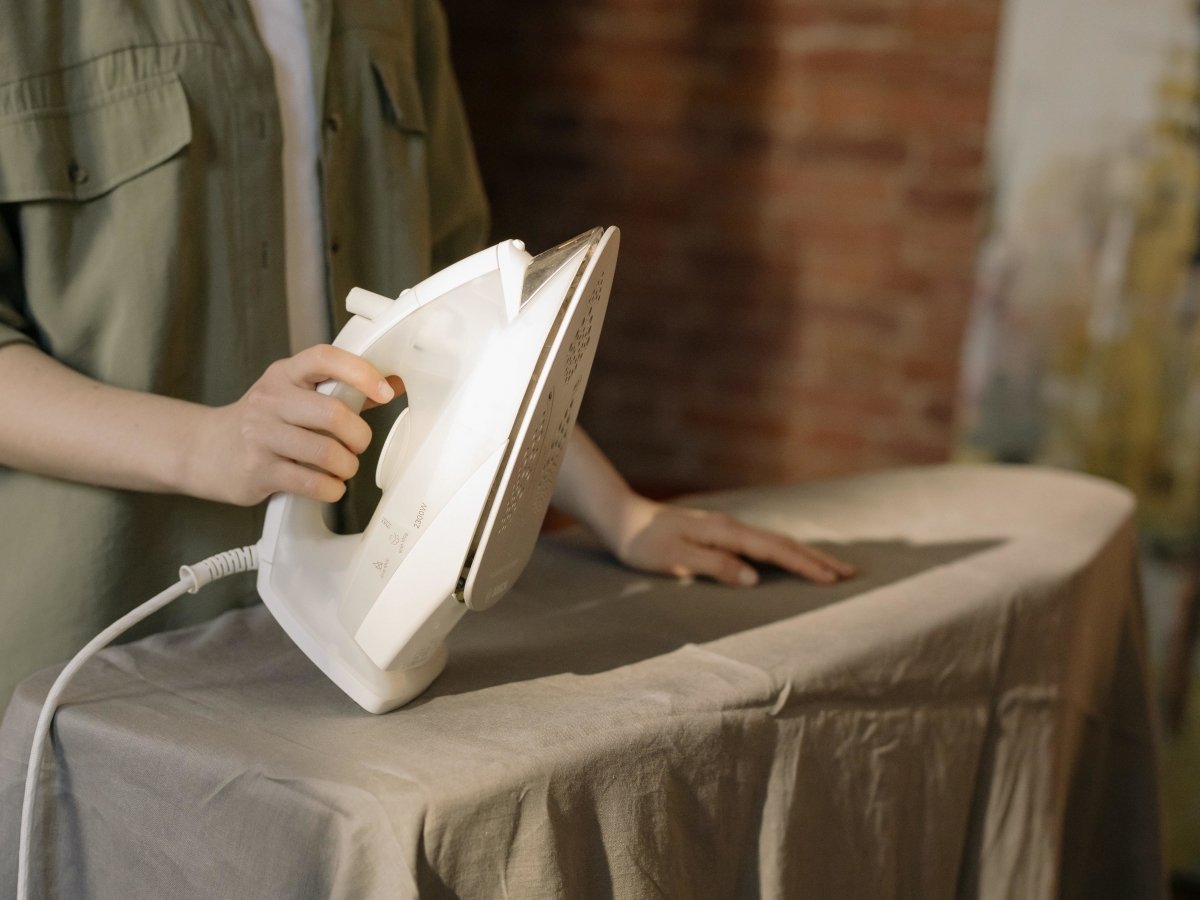
Credit: www.clearalif.com
Can I Iron Sheets On My Bed?
Ironing on a bed mattress is possible in a pinch, but it’s not ideal. Mattresses are soft, so you won’t get the same crisp results. There’s also a risk of burning the fabric or mattress if you’re not careful. Use a thick towel for safety.
What If I Don’t Have An Iron At All?
Try using a hair dryer, steamer, hot pot, or wrinkle release spray. Each of these creates heat or steam to relax wrinkles. For best results, dampen the sheet first and smooth it with your hands.
:max_bytes(150000):strip_icc()/iron-without-an-ironing-board-2146172-01-282ead6bebd748b1b26bc9bd815391a7.jpg)
Credit: www.thespruce.com
How Do I Know The Right Iron Temperature For My Sheets?
Check the care label on your sheets. Cotton needs high heat, linen uses medium-high, polyester is low, and silk is very low. If in doubt, start with a lower setting and increase slowly.
Is It Okay To Iron Sheets While They’re Damp?
Yes, slightly damp sheets iron more easily and give a smoother finish. If your sheets are dry, use a spray bottle to add a little moisture before ironing.
If you want to learn more about fabric care and ironing tips, you can visit the Good Housekeeping guide for expert advice.
Getting perfectly smooth bed sheets without an ironing board is not only possible—it’s often easier and more flexible. With the right surface, a few household tools, and smart techniques, you can keep your sheets crisp, comfortable, and inviting. Next time you’re faced with wrinkled sheets and no board in sight, you’ll know exactly what to do.
